What is the meaning of toilet in English? The term refers to the plumbing fixture used to discard human waste, though it also names the entire room containing that fixture. It’s completely safe and normal to use both definitions in daily conversation across English-speaking countries. You can confirm the exact sense someone means in under two minutes just by noting whether they refer to sitting on an object or walking into a room.
Table of Contents
The meaning of the word toilet
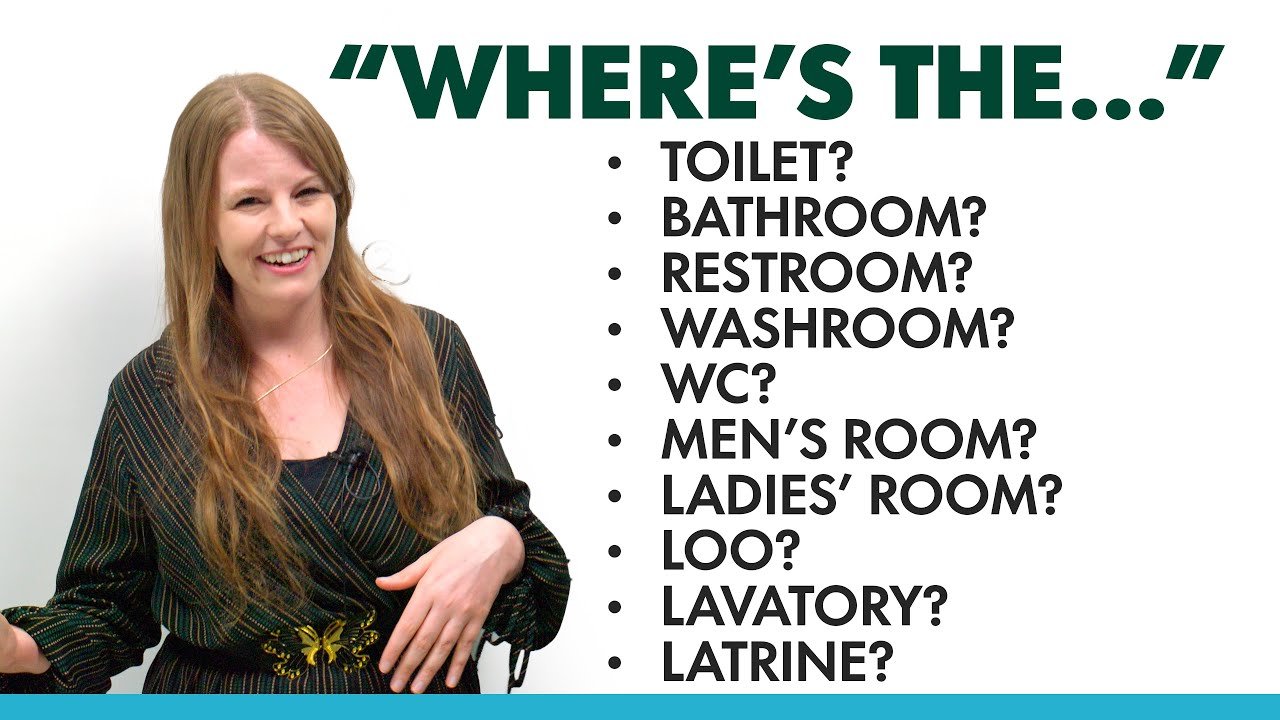
Here is how English speakers use this term across different places and everyday situations.
| What you notice | What it usually means | What to do first |
|---|---|---|
| Sign saying “Toilets” in a UK airport | A public restroom with stalls | Walk inside to find a stall |
| American asking for the “restroom” | The room with fixtures | Direct them to the washroom |
| Plumber pointing at the porcelain bowl | The specific waste fixture | Check the pipes or bowl |
| Bottle labeled “eau de toilette” | Light perfume or scented water | Spray it on your skin |
| British person saying “public conveniences” | Public street-level restrooms | Look for public signage nearby |
| Formal text saying “morning toilet” | Washing and dressing routine | Read it as personal grooming |
| Sign showing “WC” on an airplane door | A water closet or lavatory | Check the lock indicator light |
The ceramic bowl fixture
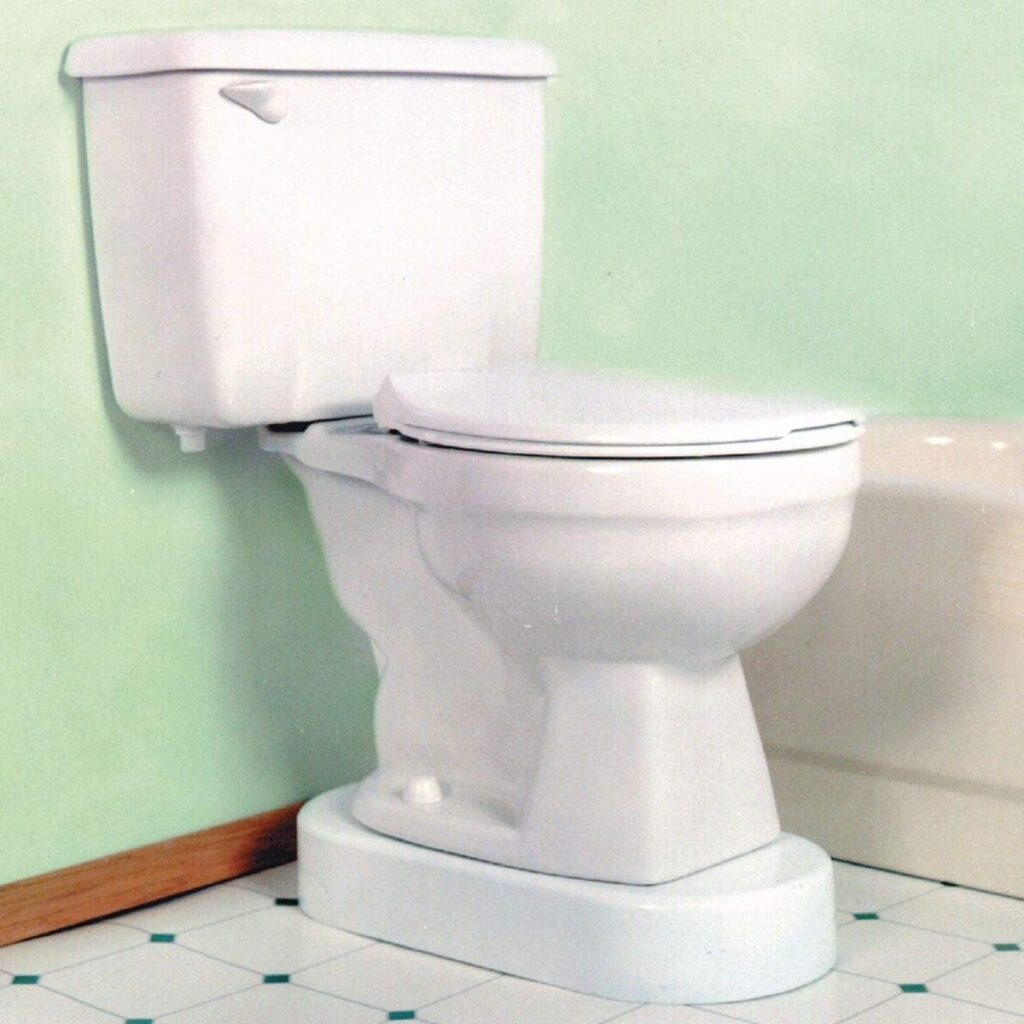
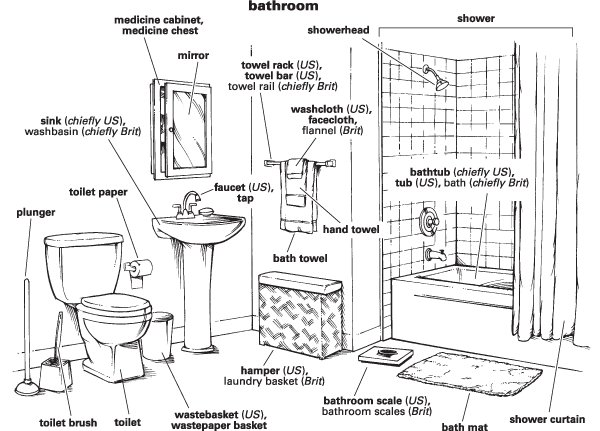
The primary definition refers to the porcelain bowl connected to a drainage system. English speakers use it to describe the physical object you sit or stand beside to dispose of urine and bodily waste. You can confirm someone means the physical unit when they mention mechanical parts like the flush handle, the tank lid, or the seat.
If someone says their toilet is broken or leaking, they’re talking about the hardware rather than the room. Fixing a minor running sound usually involves opening the upper tank to reset the rubber flap over the drain hole. You’ll know the physical unit works correctly when pressing the flush handle clears the water and refills the tank within 60 seconds without hissing.
A mistake people actually make is asking for the “toilet” in an upscale American home, which sounds crude to some hosts and costs the speaker a polite impression. The trade-off is clear: using the plain word is direct and unmistakable, but euphemisms avoid social awkwardness in North America.
The entire washroom space
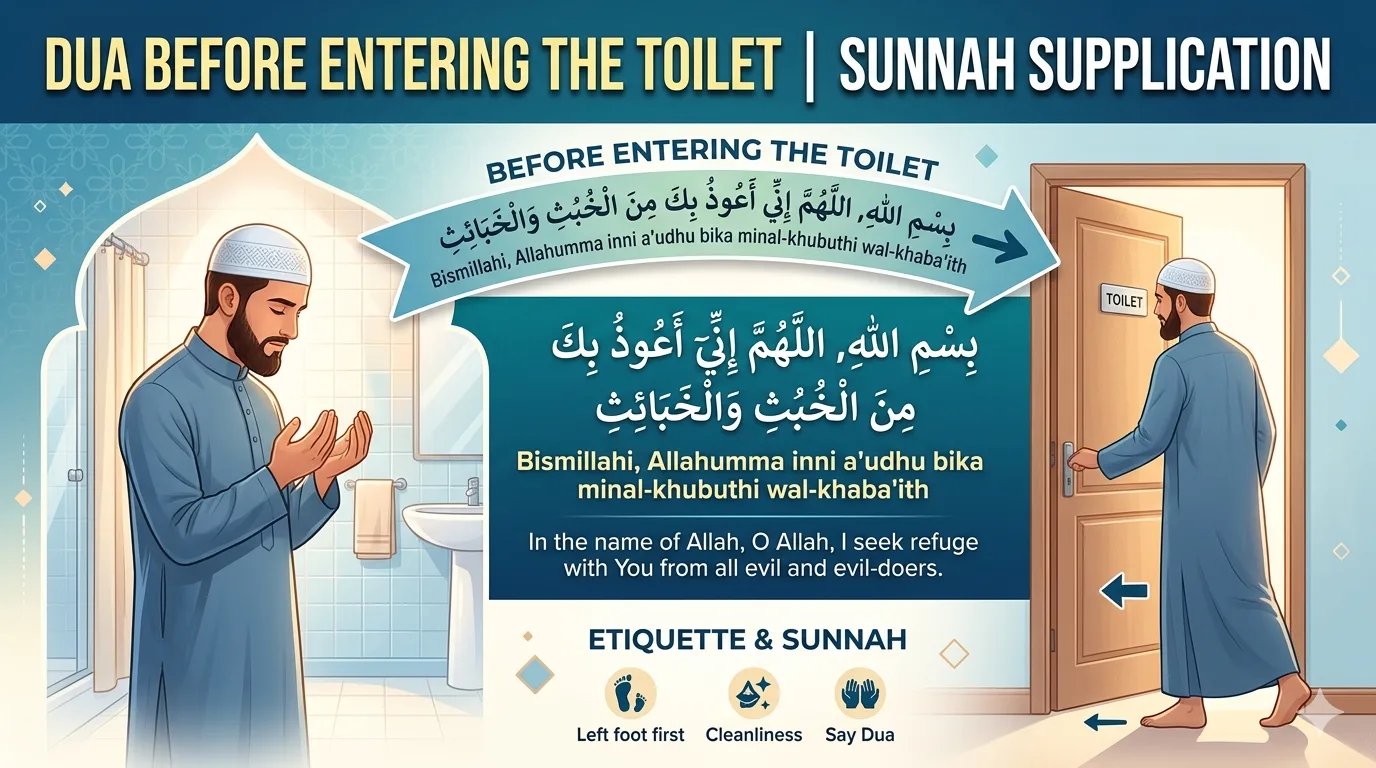
Outside the United States, speakers use the exact same term to mean the whole room. In the United Kingdom, Ireland, Australia, and New Zealand, walking into a commercial building and asking for the toilet directs you to the room with sinks and stalls. You can tell this usage apart from the fixture because the speaker pairs the word with verbs of motion, such as “going to” or “looking for” the facilities.
This usage comes directly from early French history. Over three centuries, the noun shifted from personal grooming to the room where that washing happened.
If you’re traveling in Britain, ask for the toilet freely; if you’re in the United States, say “restroom” or “bathroom” instead. This distinction varies by region and local custom, so check local signs when arriving in a new city.
Personal washing and grooming products
A third meaning involves personal grooming, hygiene, and scented cosmetics. You encounter this definition today almost entirely on store shelves inside beauty aisles. It appears on glass bottles marked “eau de toilette,” which refers to light scented cologne containing aromatic oils dissolved in alcohol. You can confirm this meaning immediately because it never involves waste, plumbing pipes, or building facilities.
To tell this apart from the fixture and the room, look at the container size and packaging. The product is always a small liquid bottle holding between 30 and 100 milliliters. Spray a single pump onto your wrist to use it properly. You’ll know it’s cosmetic cologne if it carries a light floral, citrus, or wood scent that lasts for about three to four hours before fading from your skin.
When to stop and get help
- Sewage backs up into your bathroom floor drain, which means the main drain pipe has an active blockage.
- Dirty wastewater rises inside the bowl when your washing machine empties, which indicates a blockage in the main sewer line.
- Cracks appear in the lower porcelain base, creating a sudden flooding hazard that ruins structural subfloors.
- Water leaks through the ceiling directly below an upstairs fixture, which indicates a failed drain pipe or supply line connection.
When these plumbing failures happen, stop using all household water fixtures immediately. Working on pressurized domestic water supply pipes or main sewer lines requires a licensed plumbing contractor with specialized tools. Trying to repair cracked porcelain or main drain clogs yourself can lead to severe water damage or contaminated home surfaces.
Frequently asked questions

Can toilet mean a bathroom in American English?
No. Americans reserve the word almost entirely for the porcelain fixture itself. If you ask for a toilet in a private home, listeners understand you, but they consider it blunt. Ask for the bathroom or restroom instead.
Why do British people say loo instead of toilet?
Because “loo” is a common, informal British nickname for both the fixture and the room. It likely comes from the French phrase guardez l’eau or an older reference to Waterloo, providing a softer, everyday alternative to more clinical words.
How long has the word toilet meant a plumbing fixture?
Since the late nineteenth century. The term originally meant a protective cloth for clothes, shifted to describe morning grooming rituals, then moved to the room where washing occurred, and finally settled on the waste apparatus itself around the 1880s.
Is it safe to say toilet in formal business meetings?
No. In professional or formal business settings, choose neutral terms like “restroom” in the United States or “facilities” in global environments. Using the direct term can sound unnecessarily graphic during meals or formal presentations.
What happens if you translate bathroom directly into other languages?
You might confuse people by describing a room with an actual bathtub. In many European and Asian homes, the room containing the bath is kept completely separate from the small water closet housing the waste fixture.
Does the abbreviation WC mean the same thing?
Yes. WC stands for “water closet,” which is an older English term for a small room containing a flush mechanism. You’ll see this abbreviation printed on public directional signs across Europe and on commercial airplanes.
Final Thoughts
Next time you’re traveling, don’t worry if you hear different words for the same room. Just listen to how the locals ask for directions, and you’ll blend right in. It’s a simple way to feel more comfortable, so you shouldn’t hesitate to ask if you’re ever feeling a bit lost.