The purpose of a toilet seat cover comes down to two real jobs: providing a dry, physical shield against moisture left on the ring, and offering peace of mind in public restrooms. It creates a temporary paper barrier between bare skin and cold porcelain or plastic surfaces.
Intact skin already blocks most germs, but paper covers stop direct contact with stray liquid drops or dried grime. The biggest factor in whether it works is moisture; thin paper absorbs sitting water instantly, which breaks the physical barrier and pulls liquids through.
This product isn’t for people seeking medical-grade sterilization, since porous paper can’t stop microscopic bacteria or viruses when soaked. You get cleanliness and comfort, but the trade-off is dealing with fragile paper that tears easily if you rush.
Table of Contents
Purpose of the toilet seat cover
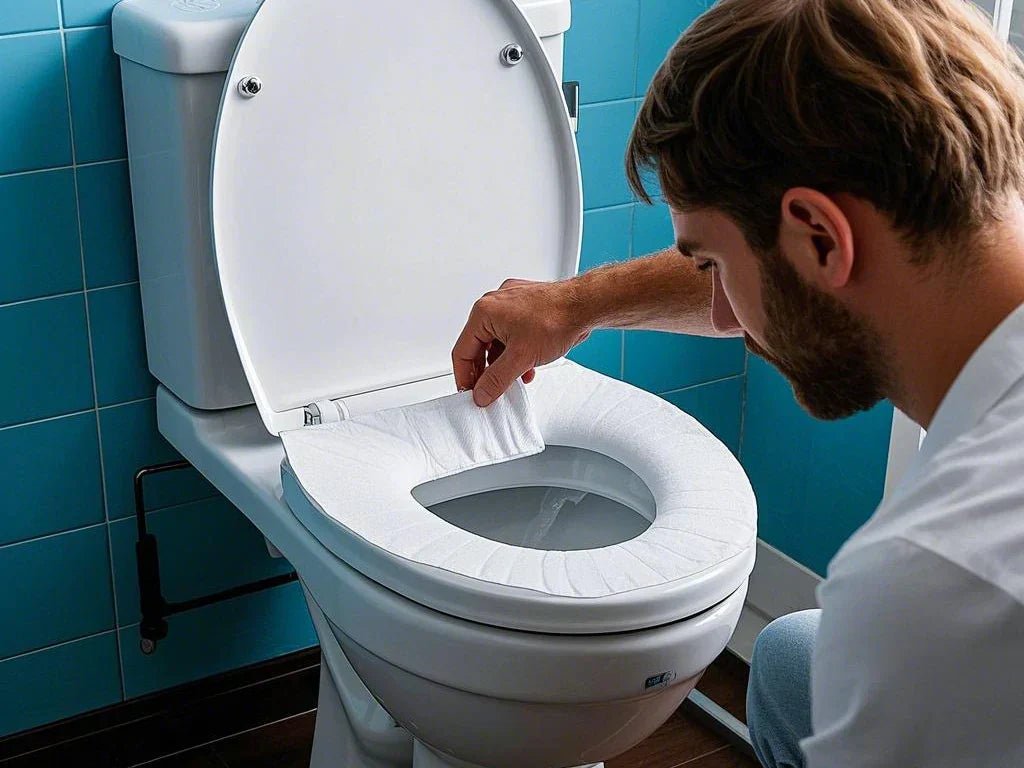
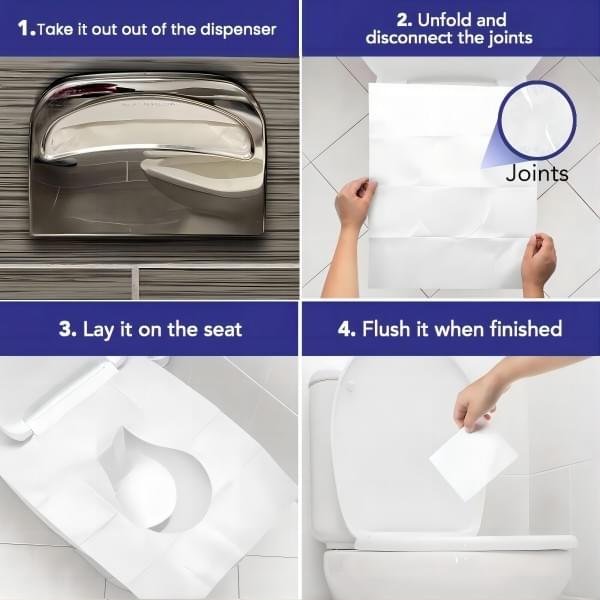
- Pull exactly one paper sheet from the wall dispenser by gripping the center fold gently.
- Punch out the perforated middle flap along its scored lines, but leave it attached at the front tongue. Tip: If you tear the center flap off completely, the paper won’t get pulled away automatically when you flush.
- Lay the sheet flat across the ring with the cut flap hanging down directly into the water at the front.
- Smooth the edges down so the paper stays flat against the seat without sliding off center. Tip: If the seat is wet, wipe it dry with regular toilet paper first; if you place the paper directly on puddles, it ruins the barrier immediately.
- Finish using the toilet and step up before initiating the flush cycle.
- Flush the toilet so the moving bowl water catches the hanging flap and pulls the sheet down the drain.
How long it takes
Placing and disposing of a standard cover takes only a few seconds when done correctly.
| Situation | How long | What changes it | What to watch for |
|---|---|---|---|
| Standard public dispenser | 5 to 10 seconds | Dispenser tension and paper thickness | Tearing the outer edges while pulling |
| Restroom with drafty vents | 15 to 20 seconds | Airflow blowing sheet off seat | Paper sliding onto the floor |
| Automatic plastic roll seat | 2 to 3 seconds | Sensor activation speed | Motor stalling or misaligned plastic film |
If getting a sheet out takes far longer than the table shows, look for a jammed dispenser latch and use folded dry toilet paper as an alternate shield instead.
How to tell when it’s done
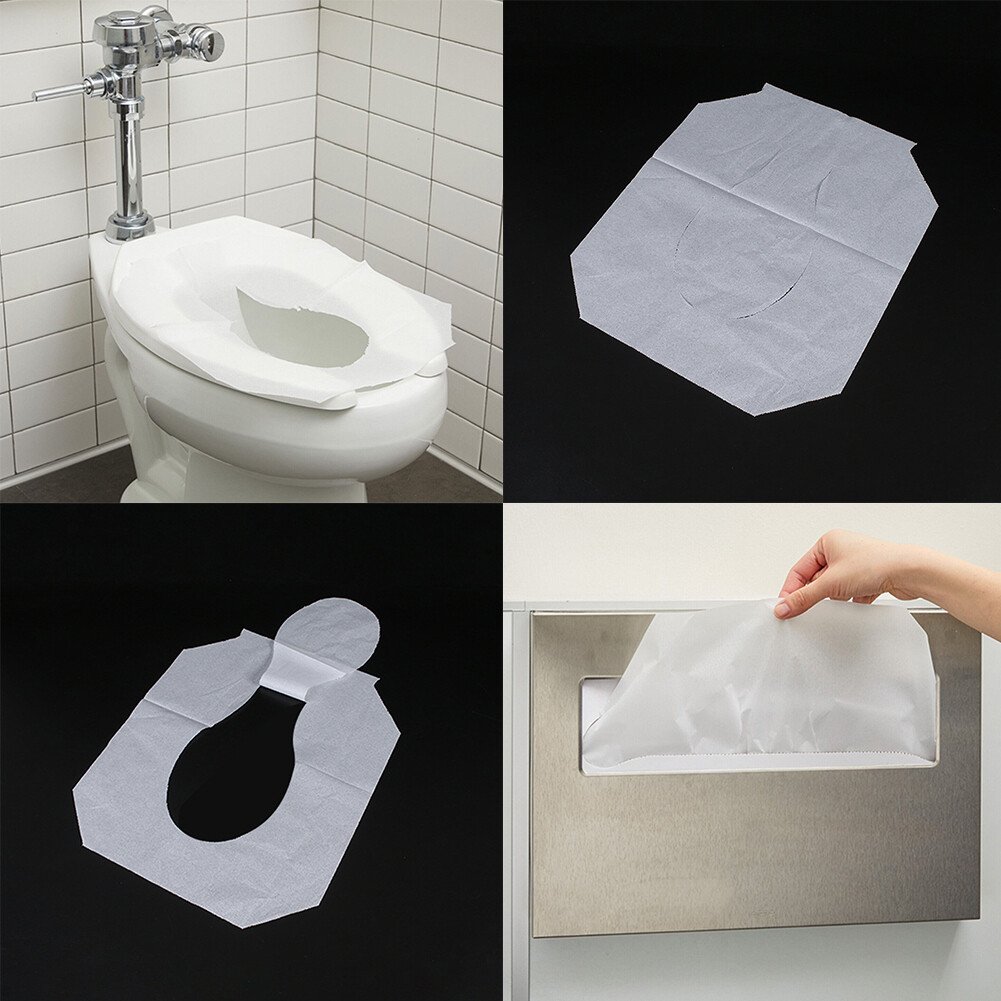
A cover is set properly when the paper lays flat across the entire circumference of the ring without overhang bunching up. You can see that the central flap hangs freely into the bowl water below without floating sideways. This varies by model — check the label on the dispenser wall to confirm whether the flap points forward or toward the tank. The true test of a successful placement is simple: the sheet stays fully dry against your skin without tearing or sliding off during use. When finished, a single flush should carry the entire sheet away without leaving wet pulp clinging to the seat rim.
Mistakes that ruin it
- Placing the sheet on a wet rim: Thin paper rapidly wicks up standing droplets through capillary action and transfers dirt straight to your skin. Wipe the plastic dry with ordinary tissue first before setting the cover down.
- Tearing off the hanging tongue: The paper won’t flush away automatically because the moving water stream has nothing to grab. Leave the flap attached at the front edge so the drain suction does the work for you.
- Layering multiple sheets together: Piling three or four covers together creates bulk that jams low-flow commercial plumbing lines. Use a single sheet, as extra paper provides zero additional microbial protection once wet.
Frequently asked questions
Can toilet seat covers stop infections?
No. Intact skin already forms an effective defense against common bathroom bacteria, and toilet seats rarely transmit disease directly. According to the CDC hygiene guidelines, cleaning hands with soap and water remains the primary action that actually prevents the spread of germs in restrooms.
Which way does the flap point?
The flap points toward the front of the bowl for most commercial teardrop-shaped covers. Placing the flap at the front allows the flow of incoming flush water to grab the paper and drag it down the drain smoothly without requiring you to touch it after use.
Are paper seat covers safe to flush?
Yes. Manufacturers produce these covers using lightweight, fast-dissolving tissue that breaks apart quickly in water. As long as you flush just one sheet at a time, it moves through standard commercial pipes without snagging or causing major blockages down the line.
What happens if you skip using one?
Nothing harmful happens as long as the seat looks visibly clean, dry, and your skin has no open cuts. You might feel the unpleasant chill of bare plastic, but sitting directly on an unsoiled surface poses no documented threat to normal, everyday personal health.
Why do covers slip off so easily?
Light paper shifts because moving air currents from restroom exhaust fans easily lift the lightweight tissue. Static electricity or damp hands can also drag the corners out of place. Pressing the edges down firmly against a completely dry surface keeps the paper steady.
Final Thoughts
While these thin sheets don’t provide a total defense against germs, they’re a simple way to feel more comfortable when you’re away from home. Next time you’re in a public stall, don’t stress too much if you’ve run out; just grab some extra soap and wash your hands well afterward.