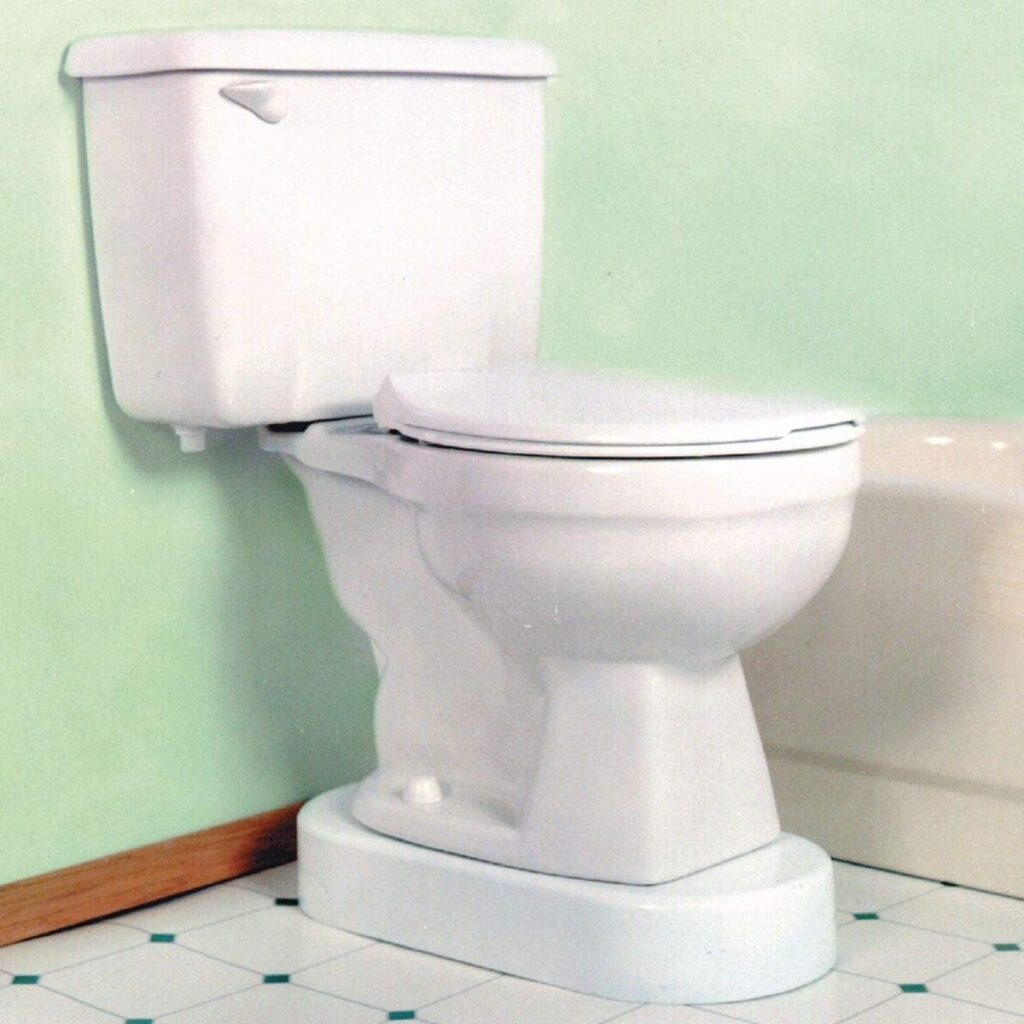
Adding a standard toilet seat brings the total sitting surface to roughly 25 inches high. This measurement applies to extra-tall specialty models like the Convenient Height toilet; standard toilets measure only 15 to 16 inches tall.
Table of Contents
The highest toilet available
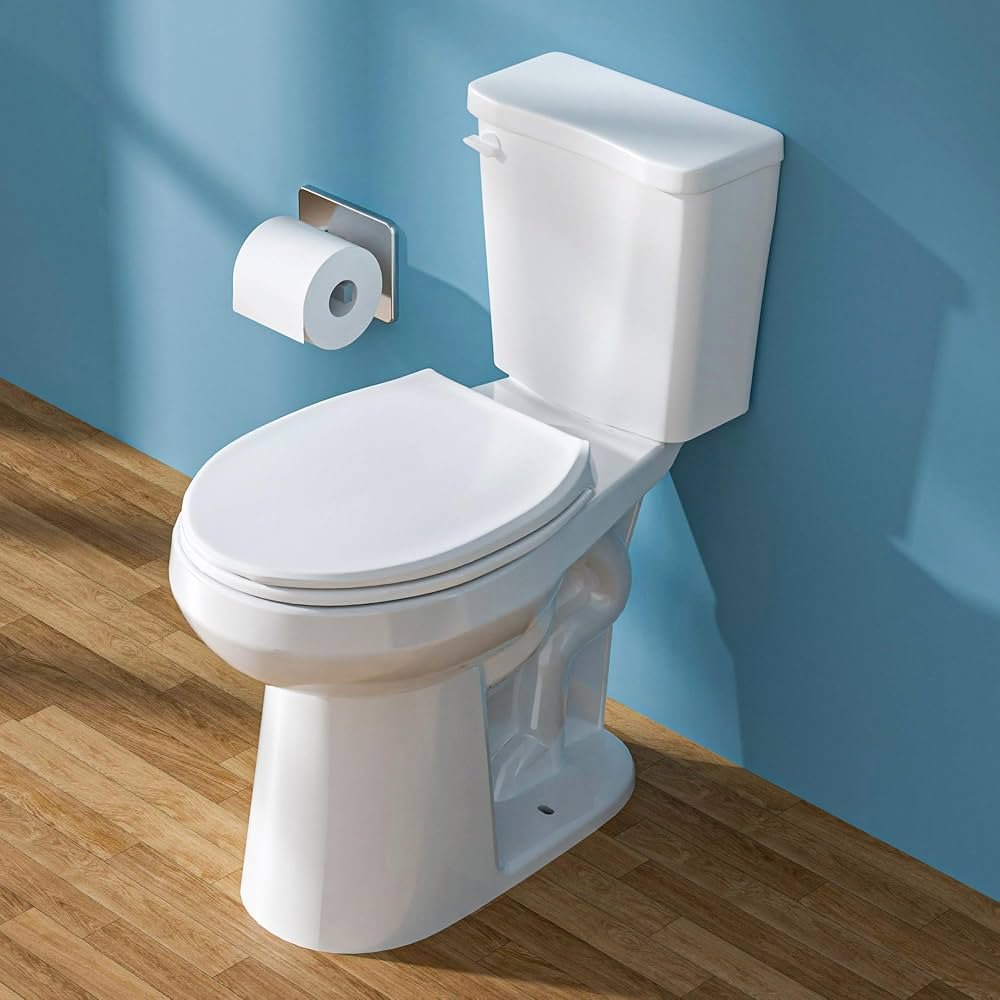
- Standard seats add about one inch of thickness, creating a total sitting height of 25 inches.
- Standard regular-height bowls measure roughly 15 inches from the floor to the top rim.
- ADA compliant “comfort height” toilets sit between 17 and 19 inches including the seat.
- Commercial wall-hung models can mount up to 28 inches high if your in-wall carrier framework supports it.
Why extra-tall bowls exist
Standard toilets force your knees above your hips, which strains weak joints when standing up. For people over six feet tall, seniors, or those recovering from hip surgery, pushing upward from a low 15-inch surface demands significant quadricep and knee strength.
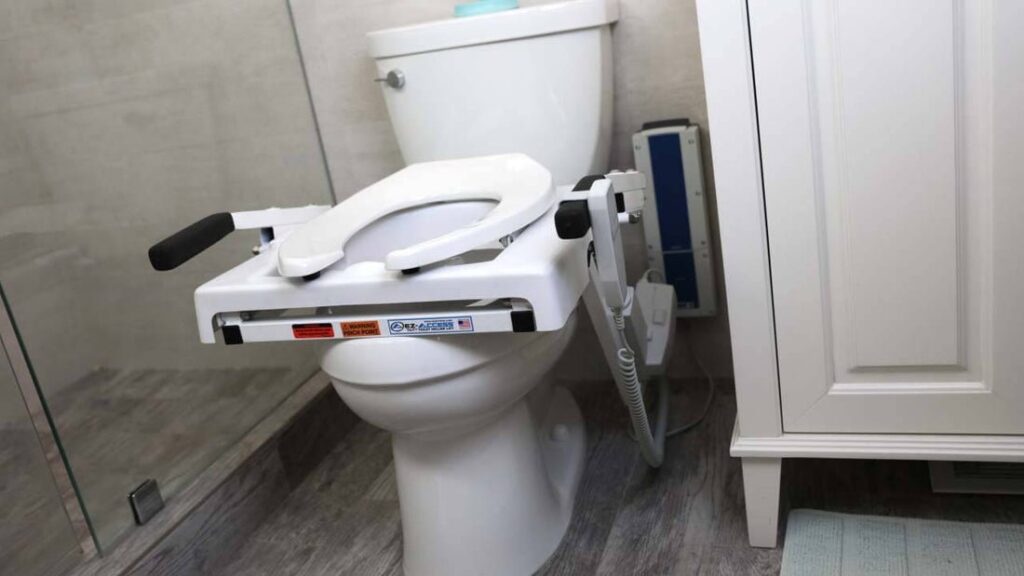
Federal standards set accessible seating lower than many realize. The ADA Standards for Accessible Design mandate an absolute seat height between 17 and 19 inches for public restrooms. Because commercial codes focus on wheelchair transfers, mass manufacturers rarely build residential toilets taller than 19 inches. Wheelchair users require a seat level with their chair cushions, so a 24-inch seat is actually too high for them.
Specialty manufacturers fill this gap for tall individuals and mobility-impaired homeowners. If your household includes both very tall and short people, don’t install a 24-inch unit without an adjacent footstool; if everyone using the bathroom is under five feet four inches, choose a standard 15-inch fixture instead. This fixture isn’t for households with toddlers or small children who can’t climb up safely.
When the answer is different
Special conditions change the ideal fixture height for your bathroom.
| Situation | What changes | What to do instead |
|---|---|---|
| Wheelchair transfer needed | 24-inch bowl is too high | Install 17 to 19-inch ADA bowl |
| Children share bathroom | Feet dangle dangerously high | Pick standard 15-inch bowl |
| User under 5-foot-4 | Pressure cuts blood circulation | Use 15 to 16-inch model |
| Commercial bathroom build | Must satisfy strict code | Follow local accessibility rules |
| Wall-mount carrier installed | Bowl height adjusts manually | Mount carrier frame higher |
| Severe chronic constipation | Pelvic floor can’t relax | Add an elevated footstool |
How to do it properly
- Measure the rough-in distance from your finished drywall to the center of the floor flange bolts; confirm it equals at least 12 inches.
- Check your water supply line position, making sure the shutoff valve sits at least 6 inches to the left of the flange center.
- Clean the bare floor flange with a putty knife until you scrape away all old wax residue and dirt completely.
- Press a wax ring firmly onto the bottom outlet horn of the toilet bowl.
- Lower the heavy bowl straight down over the closet bolts, keeping it level so you don’t crush the wax unevenly.
- Hand-tighten the plastic nuts onto the floor bolts, turning each side evenly until the porcelain rests firmly without rocking.
- Connect a 20-inch braided stainless steel water line from the wall shutoff valve to the tank inlet threads securely.
- Turn on the main water supply valve fully, allow the tank to fill, and flush twice to verify no floor leaks appear.
The mistakes that ruin it
- Tightening the floor closet bolts with a heavy metal wrench, which cracks the brittle porcelain base and ruins the fixture immediately.
- Pairing an extra-tall bowl with standard short supply lines, which leaves the hose stretched tight and causes sudden flood leaks.
- Overlooking the user’s leg length before purchase, leaving shorter family members with numb legs from restricted blood flow.
- Forgetting to verify the water shutoff valve clearance, which may interfere with the tank placement.
Frequently asked questions
Can a toilet be too tall for safe home use?
Yes, a toilet can cause numbness if your legs dangle freely above the floor. When feet can’t rest flat, the front edge of the seat cuts off blood flow under your thighs. This posture also pinches the colon, making regular bowel movements much harder to pass cleanly.
Why do standard toilets feel so low to adults?
Traditional plumbing was designed around historical average heights and lower manufacturing costs. Standard 15-inch bowls use less raw porcelain and fit smaller packaging boxes. For taller adults or people with stiff knee joints, squatting down onto a 15-inch surface puts extreme mechanical pressure on the quadriceps.
How long does an extra-tall toilet usually last?
About twenty years or more, because the vitreous china material doesn’t wear out over time. Internal moving parts like flappers, fill valves, and flush levers require replacement regularly. The heavy ceramic structure itself lasts indefinitely unless cracked by overtightened mounting bolts or dropped heavy objects.
Is it safe to add a riser seat instead of a tall toilet?
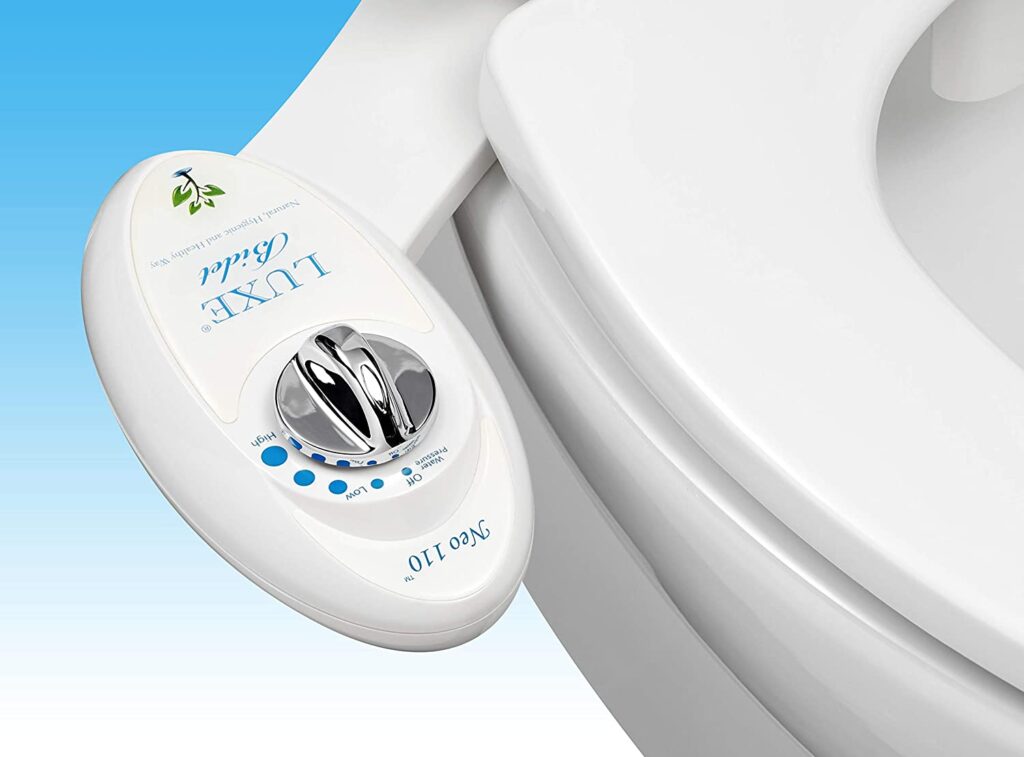
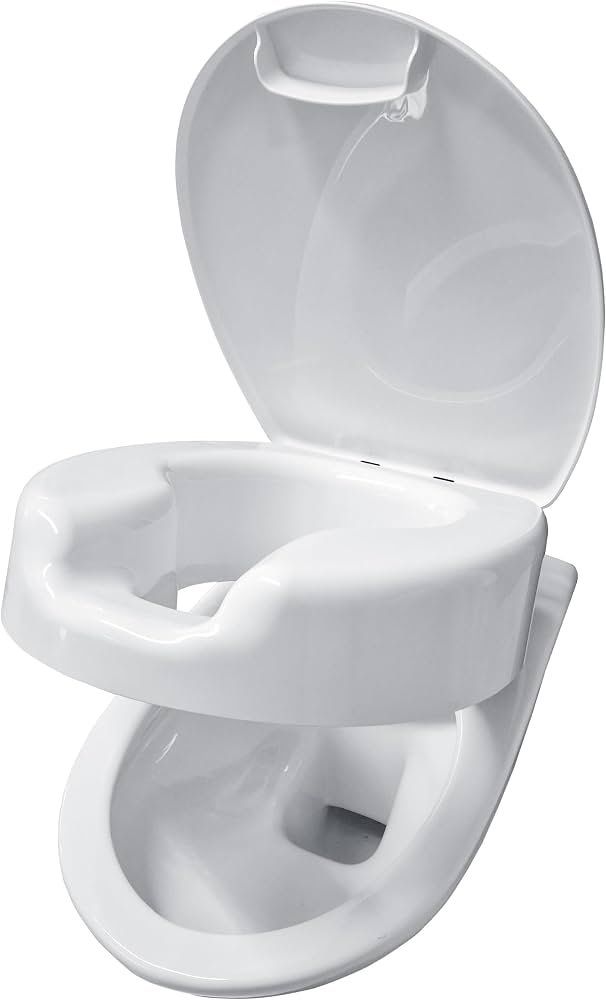
No, plastic clamp-on risers can shift under body weight, posing a real slip hazard for unsteady seniors. Removable plastic risers also collect urine and bacteria along the unsealed joints, creating bad odors. A solid, one-piece porcelain 24-inch bowl provides much better physical stability and long-term hygiene.
What happens if your feet don’t touch the ground?
Your pelvic floor muscles remain partially contracted, which prevents your bowels from emptying fully without straining. Dangling legs also create pressure points behind the knees, causing tingling or numbness after two minutes. You’ll need a raised footrest to restore a healthier natural squatting angle.
Does it matter if I choose round or elongated bowls?
Yes, an elongated bowl adds about two extra inches of front support for adult thighs. Round bowls save space in tight rooms, but they offer less seating area for taller bodies. A tall 24-inch toilet should always use an elongated rim shape for optimal comfort and balance.
Final Thoughts
Finding the right fit doesn’t have to be a headache. Before you make a purchase, grab a tape measure and check your bathroom’s current setup to ensure there’s enough clearance for a taller model. You’ll definitely appreciate the extra comfort once it’s installed and ready for daily use.