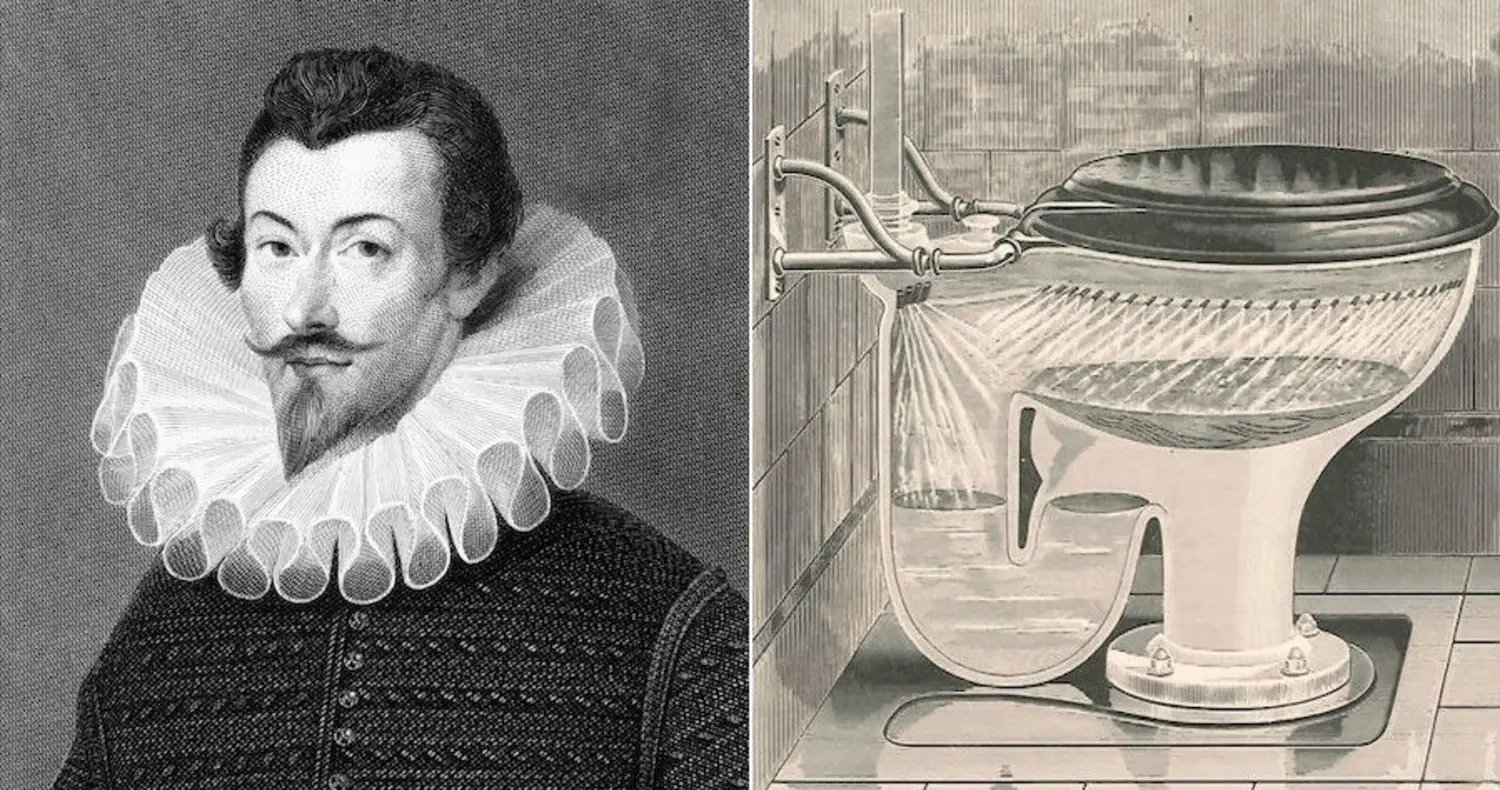
Sir John Harington created the first flush device in 1596, marking when the toilet was invented for modern indoor design, while ancient pit latrines and drainage trenches date back over 4,000 years to the Indus Valley civilization. Alexander Cummings later added the crucial S-pipe seal in 1775 to block toxic sewer gas.
Two elements decide how a sanitation system performs: constant water volume and an airtight trap. Without that water barrier, sewer gases, which can contain hydrogen sulfide and other harmful compounds, enter living quarters.
A common mistake is treating modern plumbing as a single inventor’s work. Ignoring the separate invention of the water trap caused severe cholera outbreaks before cities updated their building codes.
Table of Contents
When the first toilet was invented
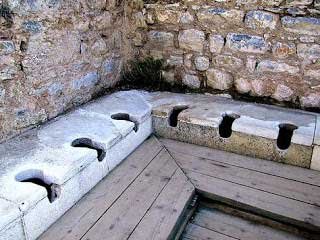
- Dig simple trench latrines directly over flowing water channels, as seen in ancient Skara Brae around 3000 BCE.
- Build raised brick seating platforms over clay drainage pipes, matching the communal latrine designs excavated across Roman settlements around 100 CE.
- Install an overhead cistern reservoir filled with about 7.5 gallons of water, following Sir John Harington’s 1596 royal installation for Queen Elizabeth I.
- Form an S-shaped bend directly below the waste pan to hold standing water, patented by Alexander Cummings in 1775. Tip: If water evaporates from this bend, sewer odors enter the room immediately; refill the bowl to restore the barrier.
How long it takes
Plumbing technology developed over several millennia as urban density forced societies to isolate human waste from public water supplies.
If waste clearance takes longer than three seconds during a standard cycle, inspect the trapway for physical obstructions.
How to tell when it’s done
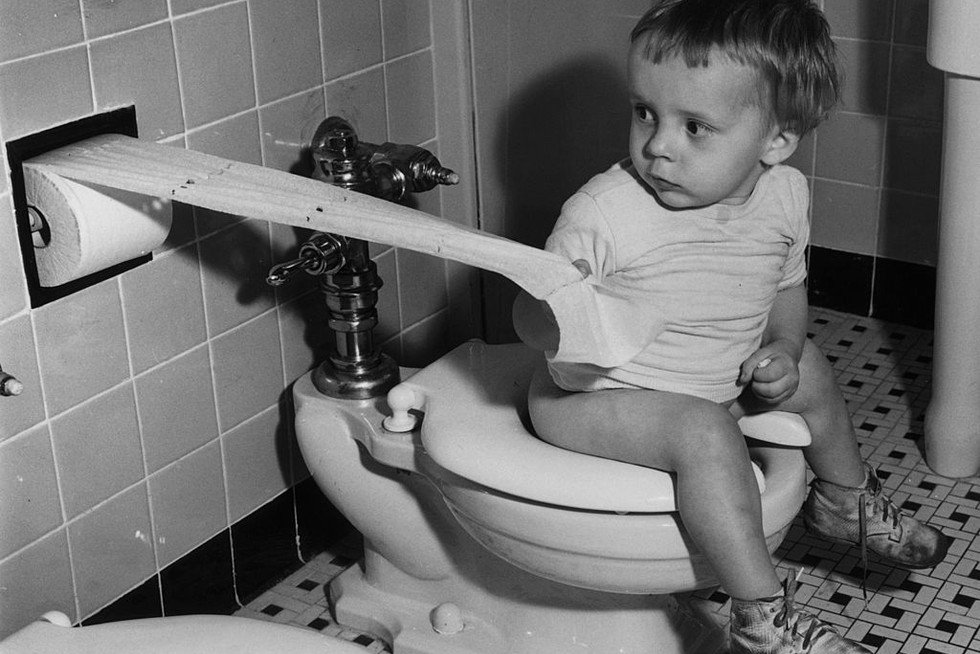
A working fixture shows standing, clean water resting at the base of the bowl without dropping over time. When flushed, water rushes down quickly, clears all solid waste, and refills to the exact balance line in under sixty seconds. You’ll hear the float shut off cleanly without hissing. If sewage smells leak into the room, the seal failed. The American Society of Mechanical Engineers sets standard trap-seal depths in ASME A112.19.2 to guarantee gas containment. This guide isn’t for dry-composting toilet users, who don’t rely on piped water seals.
Mistakes that ruin it
- Ignoring dry trap seals: Infrequent use allows the water barrier to dry up, which lets sewer gas leak indoors.
- Assuming all vintage designs handled odors: Harington’s early pan dumped waste into a vault directly beneath the seat without a barrier trap, leaving rooms foul. Cummings solved this trade-off between water volume and air quality by inventing the curved water seal.
- Flushing heavy non-waste paper: Modern siphon traps use narrow channels, which choke easily on coarse fibers and cost hundreds in drain snaking. Only flush regular toilet tissue designed to break down in water.
Frequently asked questions
Who really invented the flushing toilet?
Sir John Harington invented the first flush toilet in 1596 for Queen Elizabeth I. It used an elevated cistern and a hand-operated valve to release water, but lacked the curved pipe trap required to block rising sewer odors from the drainage pit below.
Did Thomas Crapper invent the toilet?
No. Thomas Crapper didn’t invent the toilet, though his plumbing company popularized the siphon flush system during the late nineteenth century. He held several plumbing patents and manufactured high-quality sanitary fixtures, which led soldiers to associate his name with the appliance.
Why did ancient toilets disappear during the Middle Ages?
The collapse of Roman aqueducts and municipal infrastructure ended organized water delivery across Europe. Without pressurized running water or central sewers, towns turned to manual chamber pots, open street gutters, and outdoor cesspits, which worsened public hygiene until the late Renaissance revived indoor plumbing.
How did people clean themselves before toilet paper?
Ancient Romans used a sea sponge fixed to a wooden stick, soaked in salt water or vinegar between uses. Wealthier households used wool scraps and rosewater, while everyday citizens used moss, smooth stones, leaves, or corn cobs before commercial paper arrived.
When did indoor flush toilets become common in homes?
Indoor flush toilets became normal in average working-class homes between 1920 and 1940. This timing varied by location; urban apartments gained indoor plumbing decades before rural farming areas connected to municipal sewer pipes or installed reliable electric pumps for well water.
Final Thoughts
Today, we’re moving toward waterless systems and smart technology to make our bathrooms more sustainable. It’s fascinating how far we’ve come, but there’s still plenty of room for improvement. You shouldn’t be surprised if your next home upgrade includes a high-tech model that’s better for the planet and your comfort.