
High dietary fat or excess mucus is the primary reason why your poop sticks to the toilet bowl after flushing. It’s completely safe to use the bathroom right now, though you’ll want to flush twice or use a brush. Look closely at the water right now: tiny oily droplets floating on the surface confirm your body didn’t absorb dietary fats properly during your last meal.
Table of Contents
Why your poop sticks to the toilet

Stool texture changes based on digestion speed, hydration, and the condition of the porcelain.
| What you notice | What it usually means | What to do first |
|---|---|---|
| Greasy film floating on water | High undigested fat content | Cut fried foods for 2 days |
| Clear jelly coating stool | Excess large intestine mucus | Drink 16 ounces of water |
| Hard smear along dry bowl | Low water flush volume | Hold flush handle down longer |
| Sticking only at public toilets | Rough, worn porcelain glaze | Use home toilet to compare |
| Pale, foul-smelling loose stool | Poor fat absorption in gut | Track meals for three days |
| Sticky stool after milk/cheese | Lactose digestion difficulty | Skip dairy products for 48 hours |
| Skid marks every bowel movement | Low soluble fiber intake | Add one apple daily |
Too much fat in your food
Greasy meals move through your gut before enzymes can break down every lipid molecule. The unabsorbed oils make waste dense and adhesive, so it clings to ceramic surfaces instead of sliding down the drain. You can confirm this within one minute: check your recent meals for deep-fried items, heavy creams, or oily takeout eaten within the last 24 to 36 hours.
The fix is straightforward. If you eat fast food or greasy meats, cut those portions in half; if you eat a standard diet, keep fat intake between 44 and 78 grams daily based on a typical 2,000-calorie intake. You trade the rich taste of fried foods for quicker bathroom cleanups and better digestion. A common mistake is scrubbing the bowl with bleach every morning, which ruins the shiny porcelain finish and costs you a replacement toilet later. This adjustment isn’t for people with diagnosed cystic fibrosis or chronic pancreatitis, who require prescription enzymes rather than simple diet tweaks. You’ll know your change worked when your stool leaves clean water behind within two days.
Excess mucus from bowel irritation
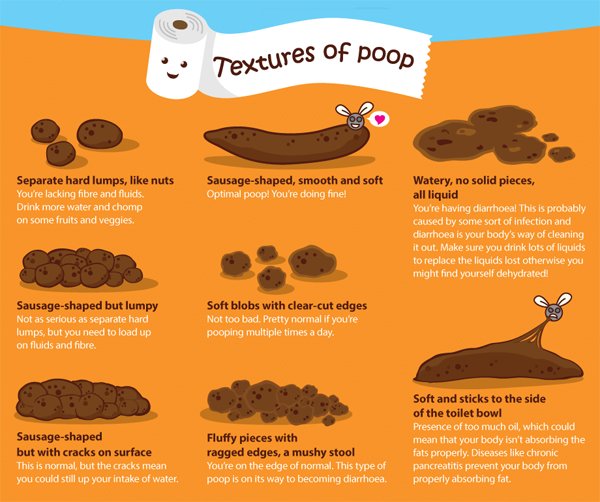
Your colon naturally creates slick mucus to protect its lining and help waste slide along smoothly. When the gut becomes irritated from mild food sensitivities, stress, or temporary inflammation, your intestines pump out extra mucus. The National Institute of Diabetes and Digestive and Kidney Diseases notes mucus in stool can accompany conditions like irritable bowel syndrome. You can confirm this without tools: examine the bowl for a thick, clear, or white film that wraps around the stool like wet glue, without any oily sheen floating on the water.
Drink an extra 16 to 24 ounces of plain water each day to dilute gut contents and calm your intestinal walls. Add soluble fiber gradually—start with one serving of oatmeal or a peeled pear per day. Adding too much fiber at once causes painful gas and bloating within hours. You’ll know your gut calmed down when the glossy, stringy coating disappears from the bowl over the next three to five days.
Worn porcelain glaze on older bowls
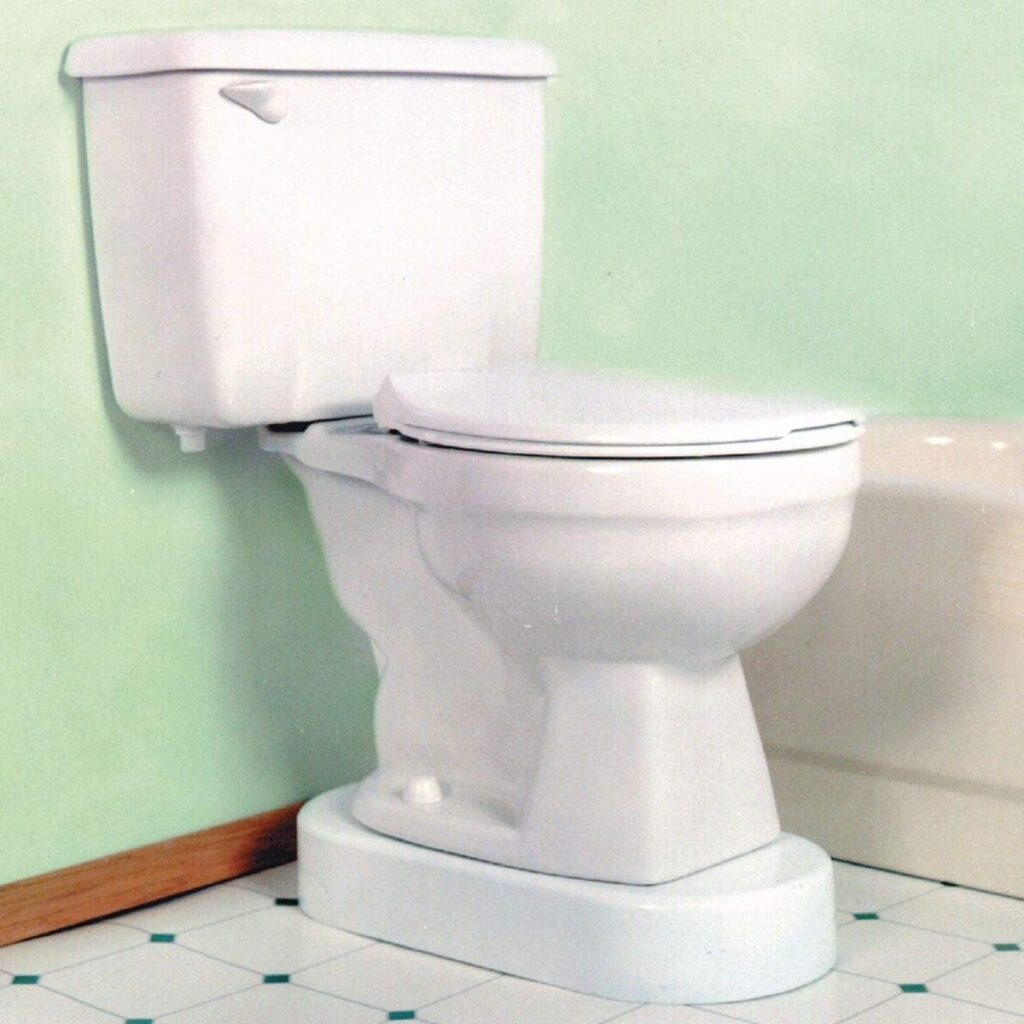
A toilet bowl isn’t always the innocent party. Over years of regular use, harsh abrasive powders and stiff wire brushes scratch away the smooth glassy glaze that manufacturers bake onto vitreous china. Tiny microscopic grooves form across the bowl, catching normal waste like Velcro catches fabric. You can tell this cause apart from dietary issues easily: your stool won’t stick in a newer hotel or office restroom, but it always leaves marks in your home toilet regardless of what you eat.
Check your bowl’s age and texture by running a plastic spoon gently across the dry side above the waterline; rough patches mean worn glaze. The surface condition varies by model—check the label or manufacturer stamp behind your seat bolts for age. The temporary fix is coating the dry ceramic with a standard silicone toilet wax or rain-repellent windshield treatment regularly. When that stops helping, replacing the entire fixture is the only permanent solution.
When to stop and get help
Dietary stickiness usually clears up within 48 hours, but certain physical signs mean you should stop managing this alone at home:
- Stool looks black, tarry, or contains visible bright red blood, which suggests active internal bleeding.
- The toilet water stays greasy for two straight weeks despite eating low-fat meals, pointing to severe malabsorption.
- You lose weight without trying, alongside pale, floating stools that smell unusually foul.
- Unexplained abdominal pain or a persistent fever starts alongside changes in your bowel habits.
These red flags require medical training, lab blood tests, and specialized imaging that home checks can’t provide. Stop changing your diet and schedule a visit with a board-certified gastroenterologist or primary care physician right away.
Frequently asked questions

Can dehydration cause sticky poop?
Yes. When your body lacks water, your colon pulls extra moisture out of your waste to keep you hydrated. This process leaves behind a thick, tacky texture that smears easily across dry ceramic surfaces during a flush.
Why does my stool stick after eating dairy?
No enzyme is digesting the milk sugar properly. If you lack enough lactase, undigested sugars ferment in your colon. This reaction speeds up transit time and creates sticky, acidic waste that clings stubbornly to porcelain bowls.
How long does sticky stool last after eating greasy food?
About 24 to 48 hours. That represents the standard transit time for a heavy meal to travel through your stomach, small intestine, and colon before your body completely empties the fatty waste into the bowl.
Is sticky poop a sign of something serious?
No, sticky stool is usually harmless and tied to recent meals. It only points to a serious issue if it lasts over two weeks, looks chalky pale, or appears alongside unintended weight loss and persistent stomach pain.
What happens if I use abrasive scrubbers on the bowl?
You scratch the factory glaze permanently. Wire pads and harsh scouring powders strip the smooth seal off vitreous china, creating rough microscopic ridges that trap waste particles every time you flush in the future.
Does drinking more water stop poop from sticking?
Yes, in most cases. Drinking enough water keeps stool properly formed and allows your kidneys and liver to process waste smoothly, preventing overly concentrated, sticky matter from clinging to the sides of the bowl.
Final Thoughts
If this happens often, keep a simple food diary for a few days to track what you’ve been eating. You’ll likely spot a pattern between certain meals and your digestion. Don’t worry too much, but it’s a good idea to mention these changes to your doctor if they don’t clear up soon.
Related guides