Human waste carries dangerous pathogens, making safe containment the primary reason for proper sanitation to stop deadly waterborne diseases.
Table of Contents
Why toilets are essential for waste removal
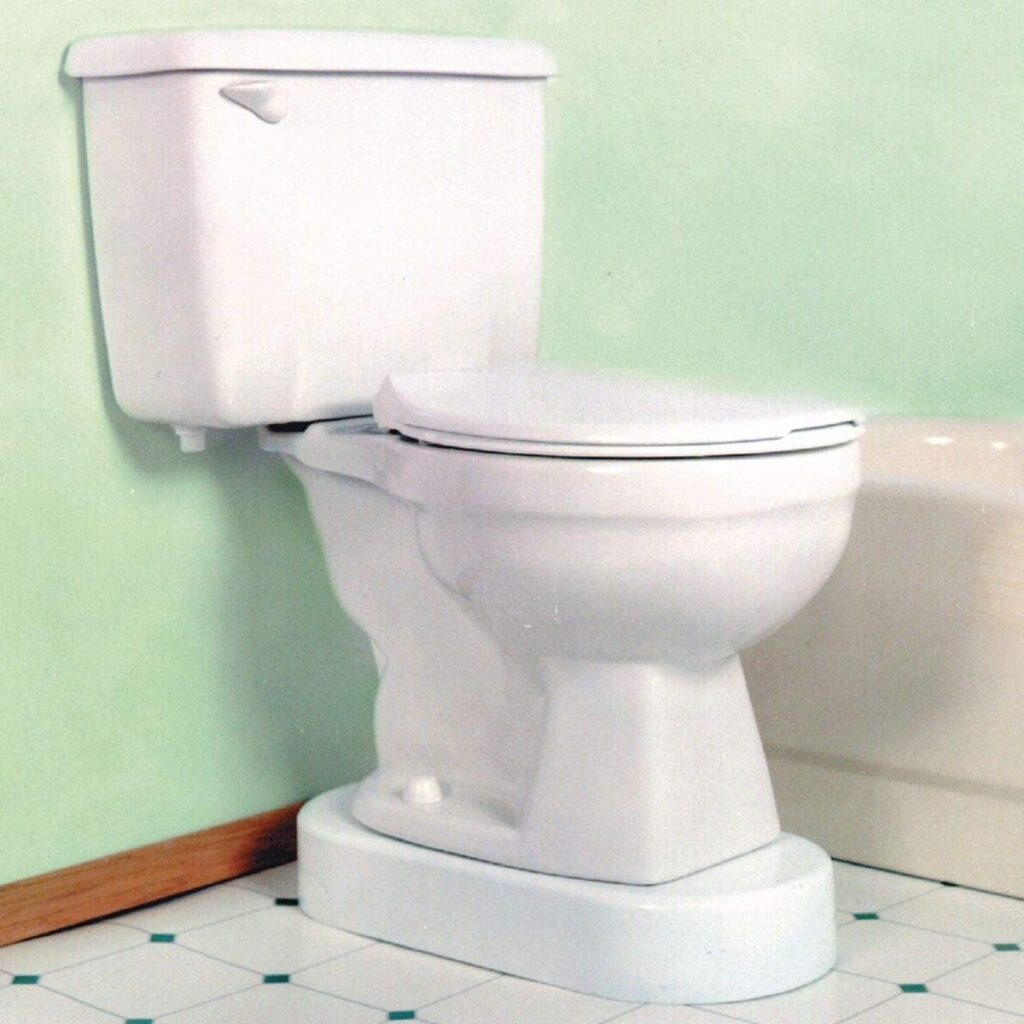
A sanitation fixture is a closed physical barrier built to collect, isolate, and remove human excreta away from living areas. It protects household health, preserves water quality, and gives dignity to every user. Many people assume a toilet only provides indoor comfort, but its real job is disease control. A water trap seal stops sewer gases and airborne bacteria from pushing up through indoor plumbing pipes. The World Health Organization sanitation guidelines confirm that separating human feces from human contact remains the most effective defense against diarrhea and cholera. When waste leaks outside this sealed loop, pathogens soak into ground soil and threaten the local water table.
The basic method
- Check the water level inside the ceramic tank; it must sit about 1 inch below the overflow pipe.
- Add 4 to 6 drops of dark food coloring directly into the tank water, leaving the bowl untouched.
- Wait 15 minutes without flushing any water through the fixture.
- Inspect the bowl to see if colored water leaked past the rubber flapper; if colored water appears, replace the seal.
- Press the flush lever once, watching if the water clears out smoothly within 3 to 5 seconds.
- Look closely at the floor base using a flashlight to spot any pool of water wider than 1 inch.
- Test the shut-off valve behind the bowl by turning it clockwise until it’s fully closed.
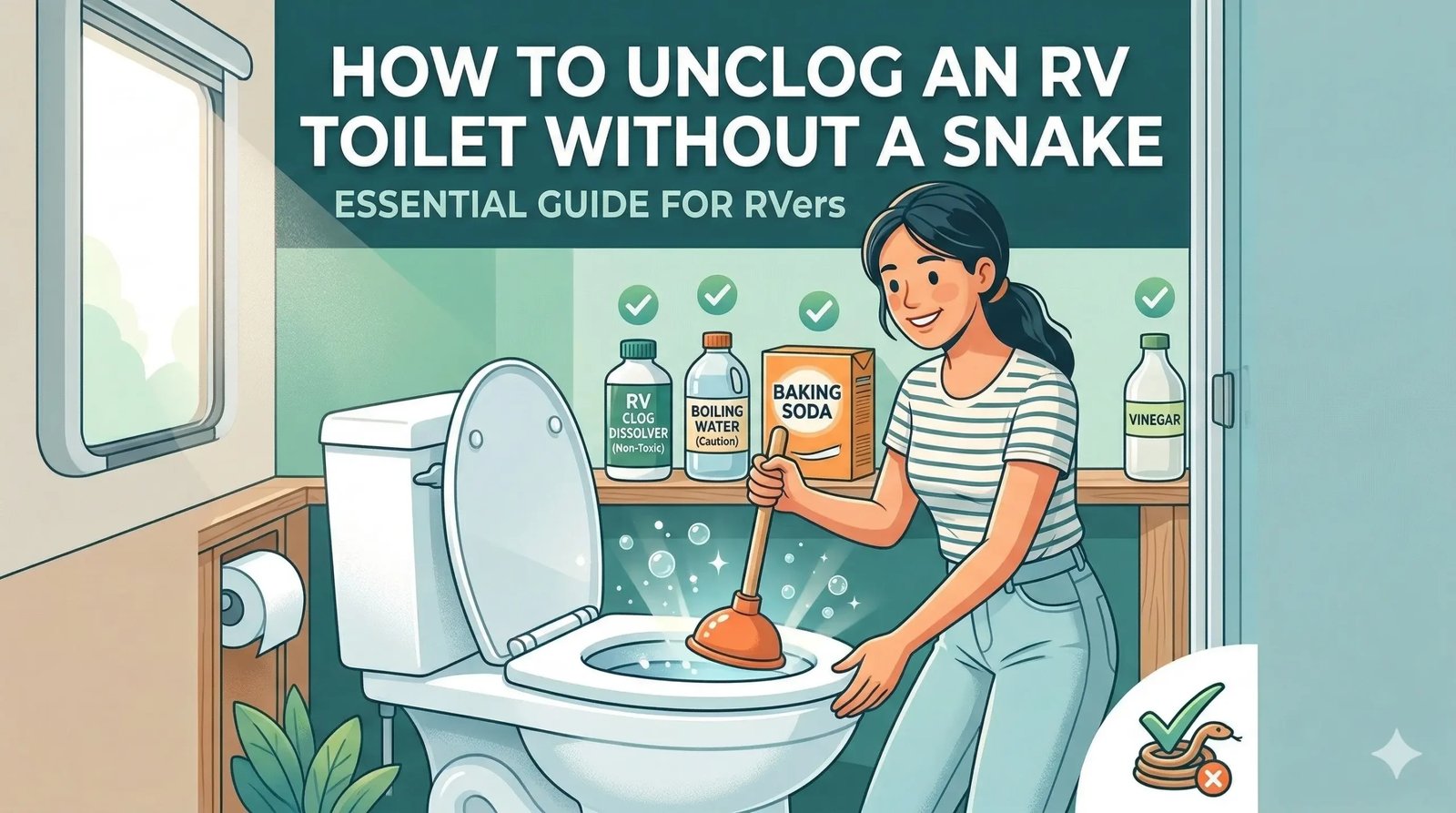
The key judgment call is identifying whether an odor comes from a dirty rim or a broken wax seal underneath. If water pools around the floor bolts, the wax ring has failed and sewer gases will enter the home. Removing or resetting a broken fixture involves sewer gas exposure and heavy porcelain; if you lack basic tools, hire a licensed plumber to reset the seal safely.
Key numbers and settings at a glance
Safe indoor sanitation depends on matching the right diagnostic action to each specific fixture problem:
| Situation | What to use | How long | What to watch for |
|---|---|---|---|
| Slow bowl drain | Standard rubber flange plunger | 1 to 2 minutes of pumping | Water rising near the rim edge |
| Running tank water | New rubber flapper assembly | 10 to 15 minutes to swap | Water flowing constantly into the overflow tube |
| Tank refill failure | Adjustable fill valve assembly | 20 minutes to install | Valve hissing without shutting off completely |
| Sewer gas smell | New reinforced wax ring | 1 to 2 hours for full reset | Black water staining the subfloor wood |
| Mineral scale buildup | 1 cup household white vinegar | 30 minutes soak time | Clogged jet holes under the inner rim |
What separates good results from bad ones
Preparation and Inspection Order
A clean fixture works because the parts fit tightly together, not because someone uses strong chemicals. Check the simplest mechanical pieces before unbolting any porcelain. Look inside the tank first, then examine the bowl rinse holes, and finish by checking the subfloor seal. Always turn the shut-off valve completely before touching any internal tank bolts. Flushing with an open supply line causes high-pressure spills that damage drywall and baseboards quickly.
Leaving the Base Alone
A common mistake is tightening floor mounting nuts when the bowl rocks slightly, which cracks the ceramic base and costs hundreds of dollars for a full replacement. If the fixture rocks, slide plastic shims underneath rather than overtightening the metal bolts. Never pour harsh chemical drain cleaners into a toilet bowl; they create toxic fumes and can warp thin plastic flush valves.
Common problems and quick fixes
Use this breakdown to pinpoint common mechanical failures before buying replacement parts:
| What you notice | What it usually means | What to do first |
|---|---|---|
| Water trickling constantly into bowl | Worn flapper or damaged flush valve seat | Replace the rubber flapper |
| Gurgling sounds from nearby sink drain | Main soil stack vent blockage | Clear vent pipe debris on the roof |
| Water leaking around the floor base | Broken wax gasket beneath the fixture | Turn off the water supply valve |
| Weak flush that leaves waste behind | Low tank water level or clogged rim jets | Raise float arm to add 1 inch of water |
Plumbing Codes and Public Health Limits
Sanitation fixtures must follow strict public health standards to keep sewer gases out of living spaces. The International Association of Plumbing and Mechanical Officials publishes the Uniform Plumbing Code, which requires every indoor water closet to hold a liquid trap seal of at least 2 inches, but typically specifies a minimum of 2 inches and a maximum of 4 inches. This vertical water column blocks toxic sewer gas from escaping into residential bathrooms.
Homeowners can replace flappers and fill valves without special permits. However, replacing cracked soil pipes or altering main vent stacks requires certified training and building permits. Working on main drain stacks carries real risks of wastewater contamination and structural pipe collapse, so leave major drainage repairs to a certified plumbing professional.
Regular Maintenance for Fixtures
Mineral scale accumulates along the rubber seals, preventing a watertight shut-off. Clean the inner bowl rim with a stiff nylon brush and standard non-abrasive soap to keep the water rinse ports clear.
Avoid using drop-in bleach tablets inside the tank. Chemical pucks can accelerate the degradation of flexible rubber gaskets, leading to potential leaks. If you notice the fill valve cycling on for 3 seconds every half hour, that phantom flush signals a leaky flapper that needs replacement right away.
When to use a different approach
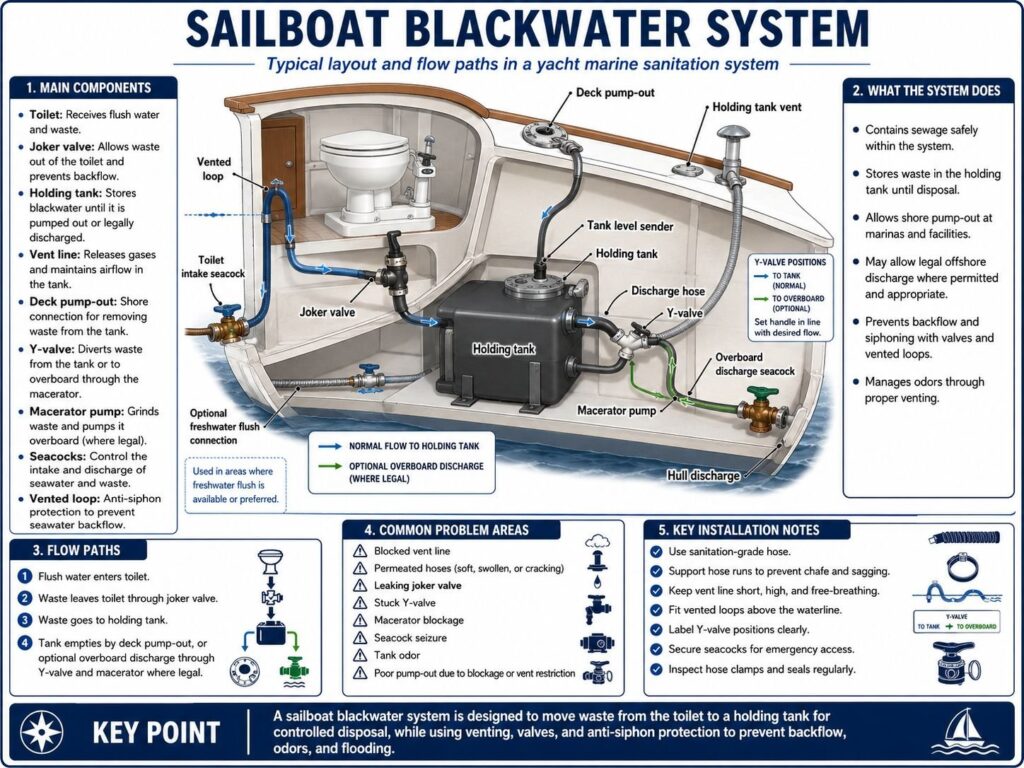
A standard gravity-flush fixture is the wrong choice for off-grid properties, boats, or regions without piped water infrastructure. Trying to run a standard flush system without a reliable pressurized water line will leave raw waste sitting inside dry pipes, causing blockages and foul odors.
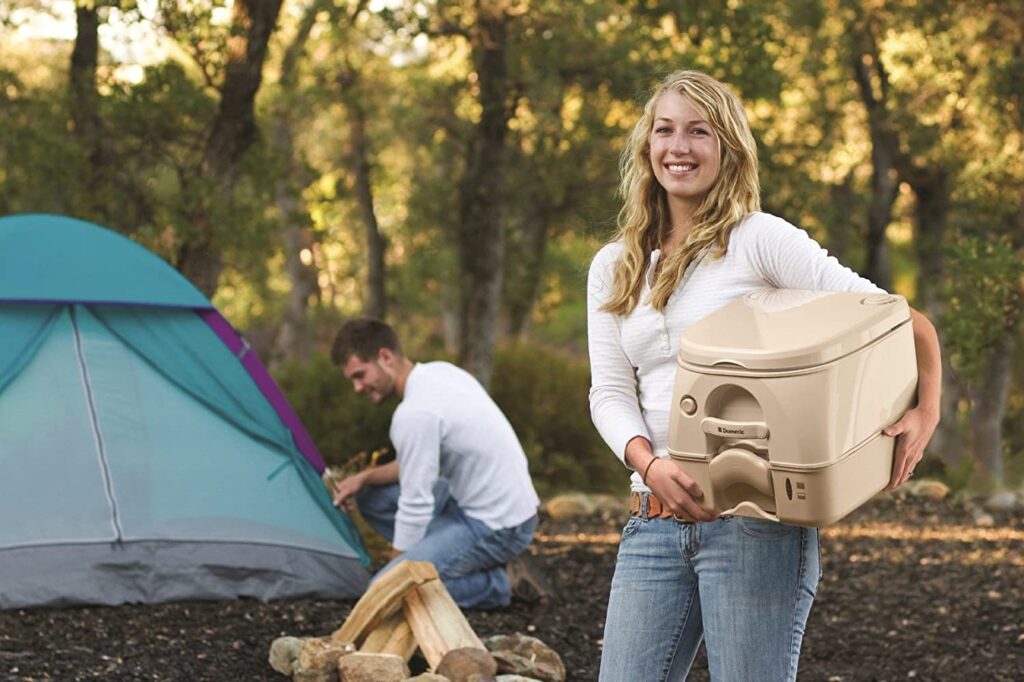
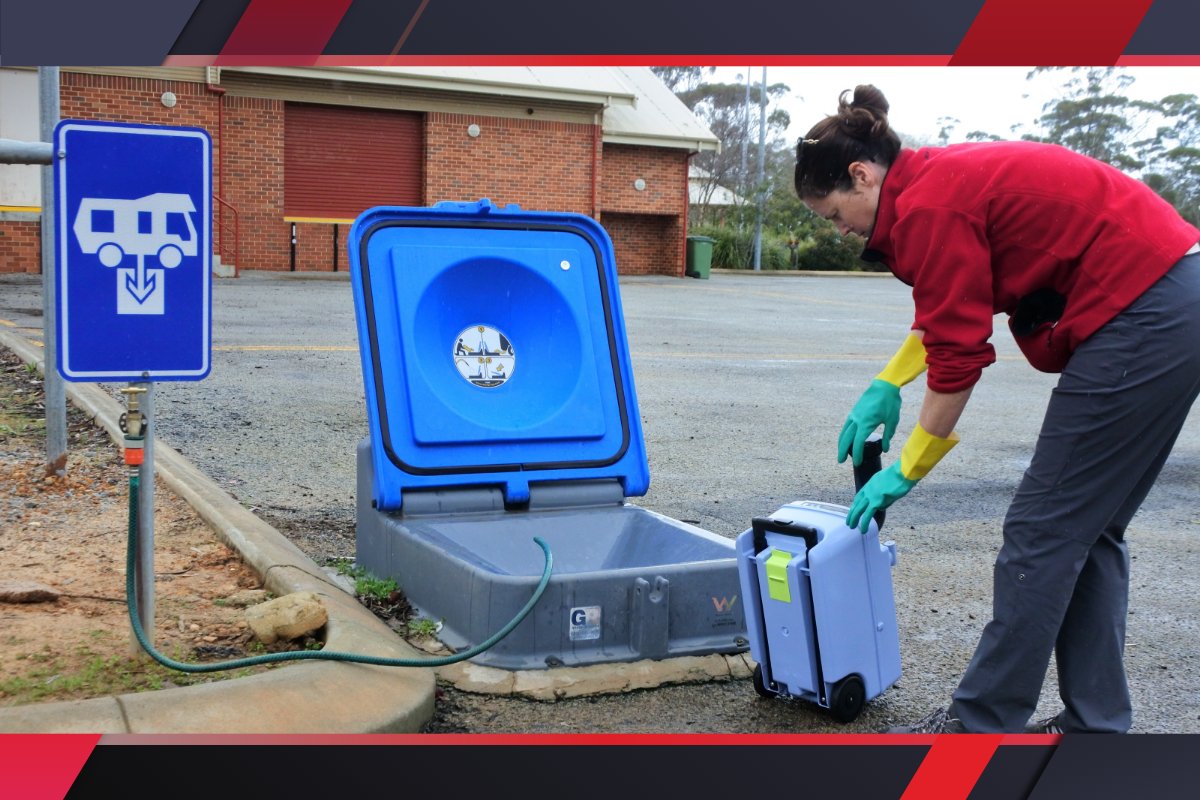
In dry cabins, install a certified composting toilet instead. For basement bathrooms sitting below the municipal sewer line, use a dedicated sewage ejector pump system. This isn’t for temporary outdoor work sites; portable chemical containment units work better there until permanent plumbing ties in.
Frequently asked questions
Can a broken toilet make you sick?
Yes, a broken fixture can release harmful airborne pathogens and sewer gases like hydrogen sulfide. If raw sewage backs up into living spaces, bacterial contamination spreads quickly, creating serious health hazards for everyone inside the building.
Why does my toilet smell like sewage even after cleaning?
The wax ring seal under the base has failed, or the internal trap seal has evaporated. If the wax seal breaks, sewer air escapes past the base bolts directly into your room, regardless of how clean the ceramic surface is.
Is it safe to clear a toilet clog with chemical drain cleaner?
No, chemical drain cleaners generate high heat that can crack ceramic bowls and splash caustic liquid onto skin during plunging. Always use a standard manual toilet plunger or a mechanical closet auger instead.
What happens if you don’t fix a running toilet?
A running fixture wastes dozens of gallons of fresh water every day, raising utility bills significantly; you should check the mechanism regularly to prevent premature wear and septic system strain.
How long does a toilet wax ring last?
A wax ring can last for many years if the bowl stays bolted firmly in place without moving.
Final Thoughts
Investing in clean facilities doesn’t just protect our health; it builds a foundation for a safer, more dignified future for everyone. You shouldn’t wait to support local initiatives that bring better infrastructure to your community. Let’s work together to ensure that basic hygiene becomes a reality for every single person.