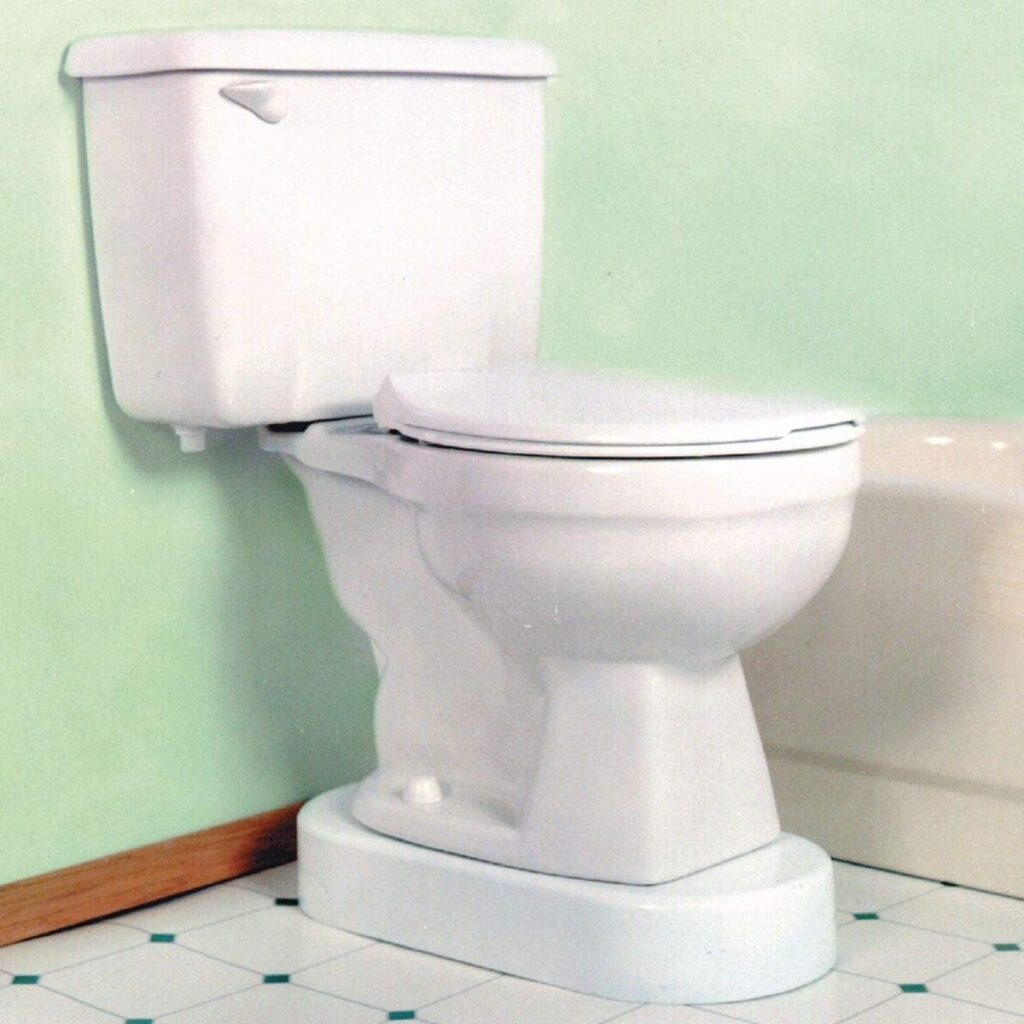
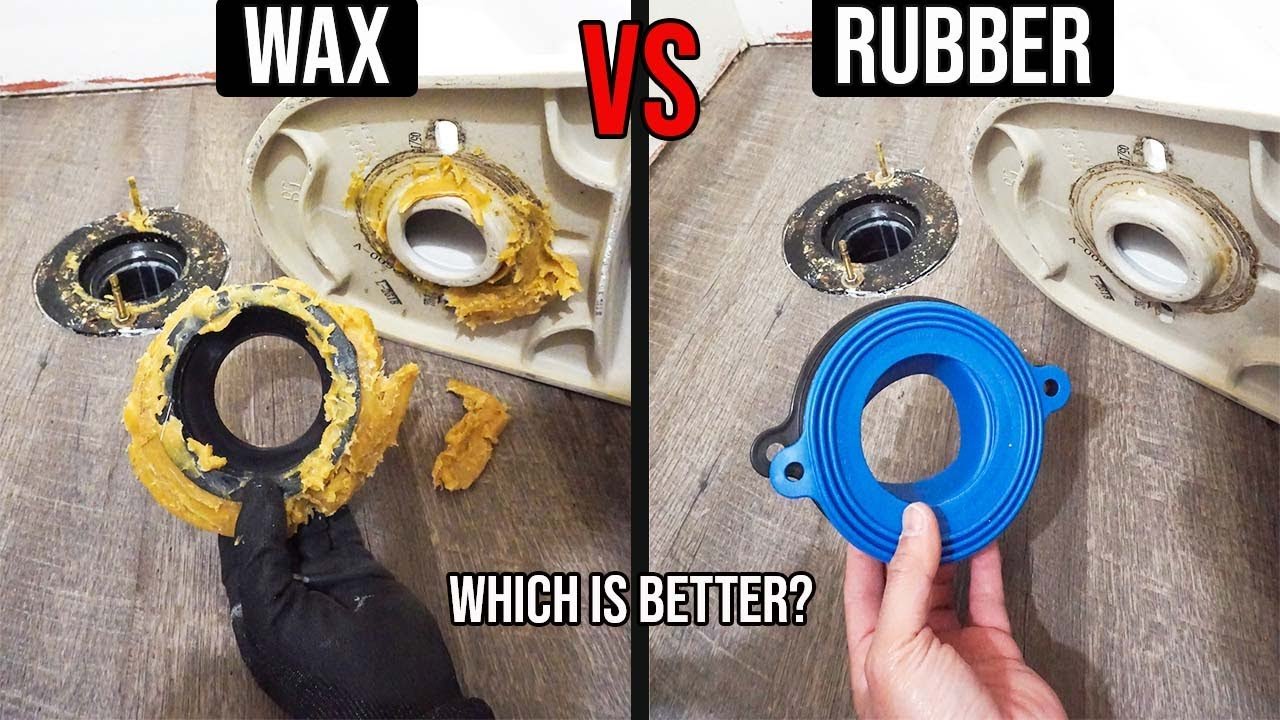
A traditional wax ring is a common choice for standard home toilets because it molds tightly to uneven iron or PVC flanges. Choosing between a wax ring or a rubber seal depends on your pipe height: rubber wins easily when your floor flange sits below finished tile.
Table of Contents
Comparing rubber and wax toilet rings
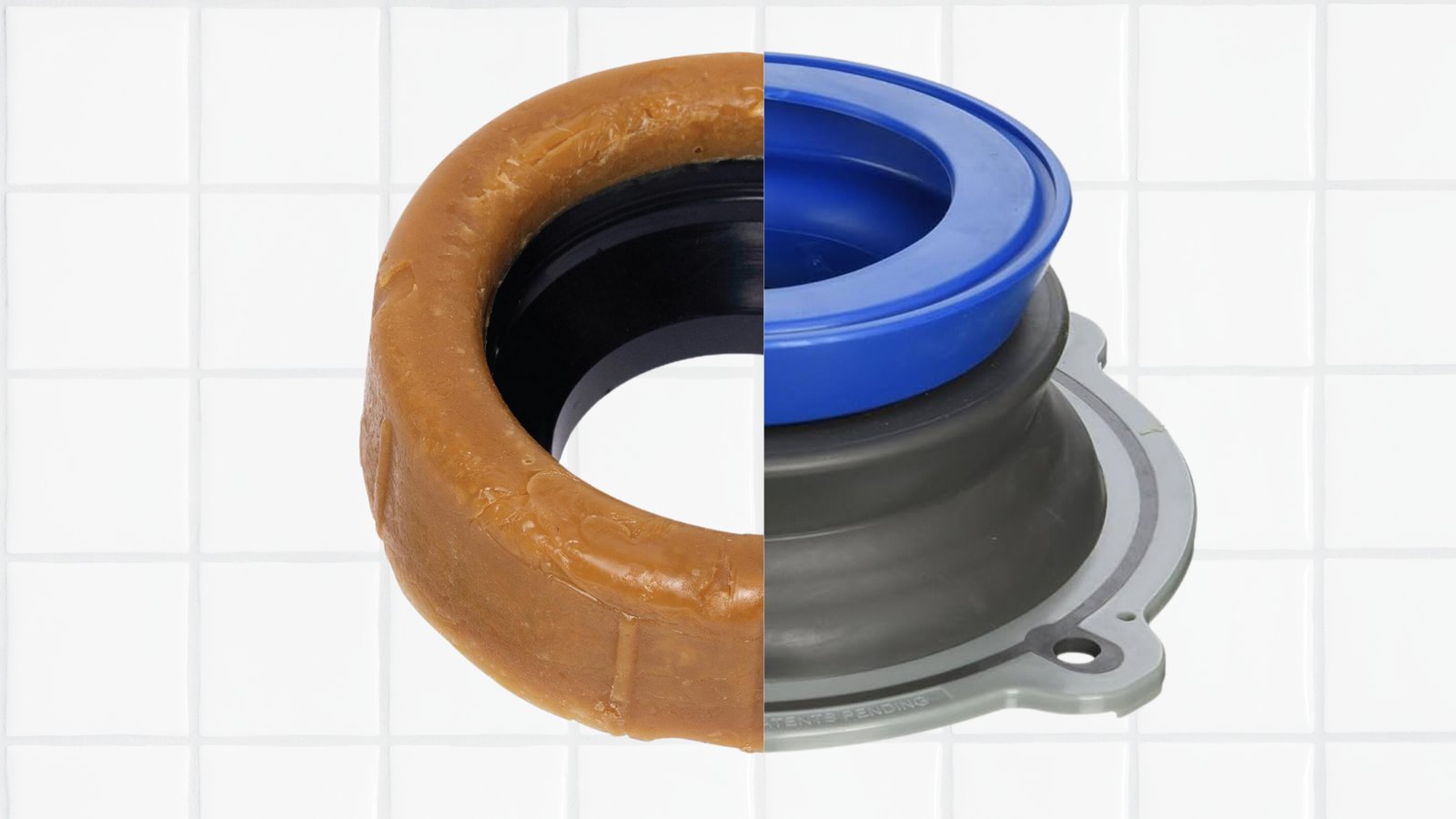
Choosing between traditional wax and modern rubber comes down to pipe height and your DIY comfort.
Traditional plain wax ring
A classic wax seal uses petroleum wax to mold between the bowl horn and drain.
- Scrape every bit of old wax from the floor flange with a putty knife.
- Press the flat face of the wax ring firmly onto the round drain horn on the bottom of the toilet.
- Lower the toilet straight down over the closet bolts without tilting the porcelain.
- Sit on the bowl to compress the wax until the porcelain base touches the floor, then tighten the nuts with 1/4-inch turns until snug.
This method delivers a gas-tight bond that remains effective until the seal is disturbed or the wax degrades. It also molds into cracked or pitted iron flanges where flat rubber fails to seal. However, wax gives you zero second chances; if you set the bowl crooked and lift it back up, you ruin the wax and must buy a new ring.
Rubber and silicone wax-free seal
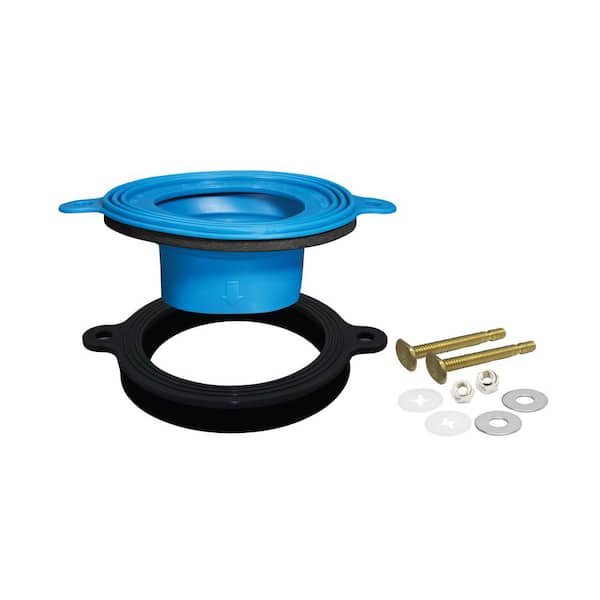
Rubber seals use flexible synthetic sleeves that slide inside the waste pipe.
- Clean the floor flange surface with an old rag to remove surface debris.
- Snap the rubber seal directly into the waste pipe collar, matching the rubber thickness to your flange depth.
- Align the toilet over the mounting bolts and push it straight down onto the rubber gasket.
- Tighten the closet nuts on each side by alternating half-turns until the bowl stays stable.
These gaskets let you reposition or lift the toilet as many times as you need without destroying the seal. They’re also mess-free and don’t leave sticky wax residue on your hands or floor. The main drawback is that stiff rubber won’t shape itself to damaged or rusted metal flange collars, which can cause slow floor leaks.
Wax ring with plastic funnel
A horned wax ring combines petroleum wax with a molded plastic sleeve to channel water downward.
- Clean the old metal flange with a rag and check that the closet bolts stand upright.
- Push the plastic funnel stem directly down into the four-inch or three-inch waste pipe opening.
- Lower the toilet onto the ring, ensuring the horn stays centered in the pipe.
- Apply gentle body weight to flatten the wax until the porcelain meets your floor level.
The rigid plastic sleeve prevents wastewater from splashing sideways against the flange joint during heavy flushes. The downside is that on shallow pipes, the hard plastic funnel can hit the internal pipe bend, preventing your toilet from sitting flat. A fourth option, liquid setting compound, exists on commercial jobs but isn’t worth using for home bathrooms because it takes hours to cure.
Which one should you use?
If you’re in a hurry, buy a rubber foam gasket because you skip the messy scraping and can drop the toilet down immediately. If you’re doing this for the first time, use a rubber seal because you can lift and adjust the heavy porcelain bowl if you miss the bolts. If you want the best possible result whatever it takes, pick a traditional plain wax ring because it creates an airtight, custom-molded joint that won’t degrade over decades. The basic trade-off comes down to easy installation versus permanent sealing power: rubber saves you effort upfront, but wax molds around flange flaws that rubber can’t fill. This varies by model — check the label on your specific toilet kit to confirm drain pipe clearance before buying.
The rules that apply whichever way you choose
Every plumbing fixture must follow the Uniform Plumbing Code guidelines published by the International Association of Plumbing and Mechanical Officials (IAPMO) to prevent dangerous sewer gas leaks into living spaces. Before touching any hardware, shut off the water supply valve and sponge the toilet tank completely dry. If the floor flange sits flush with your finished floor, pick a standard wax ring; if the flange sits lower than your finished tiles, choose a rubber seal with an adapter collar. Partway through the repair, verify that your closet bolts sit upright and line up with the toilet base slots before you drop the bowl. If your cast-iron flange is broken or rotted beneath the floor, stop immediately and call a licensed plumber to replace the pipe fitting safely. At the end, flush three full tanks to check for moisture along the base. A mistake people actually make is overtightening closet bolts to stop bowl rocking, which cracks the expensive porcelain base instantly.
Frequently asked questions
Can you reuse a wax ring when reinstalling a toilet?
No, you can never reuse a wax ring. Once porcelain compresses the wax, the material loses its elasticity and can’t reform a tight bond. Reinstalling a toilet onto old, smashed wax allows dangerous sewer gases and wastewater to seep across your subfloor. Always scrape off old wax and buy a new ring.
How long does a rubber toilet seal last?
Rubber toilet seals generally last for many years under normal home conditions. Unlike wax, synthetic rubber won’t dry out, melt from radiant floor heating, or wash away from aggressive drain clearing. However, harsh chemical cleaners inside the bowl can make cheaper rubber blends brittle over prolonged periods.
Can you stack two wax rings on a low flange?
If the flange is too low, use a jumbo wax ring or a flange extension kit rather than stacking multiple rings. This builds enough total height to bridge the deep gap without leaking.
Is it safe to use a rubber seal on radiant heated floors?
Yes, rubber seals are safe for heated bathroom floors. Radiant heating pipes raise the tile temperature enough to soften standard petroleum wax over several months, which can break the seal. A rubber or silicone gasket keeps its structure and tension regardless of changing subfloor heat.
What happens if you overtighten toilet flange bolts?
Overtightening the bolts cracks the brittle porcelain toilet base right at the bolt slot. Once the porcelain fractures, the toilet bowl rocks, the seal breaks, and the entire toilet must be replaced. Turn the nuts with a small wrench only until they feel snug and resist light hand pressure.
Who this isn’t for?
A standard DIY seal replacement isn’t for homeowners with rotten, spongey wood subfloors around the drain flange. Setting a new seal on an unstable, moving floor causes leaks within days regardless of the seal type. In that case, rebuild the damaged subfloor before mounting the bowl.
Final Thoughts
If you’re still unsure which option fits your bathroom best, take a quick measurement of your flange height before heading to the hardware store. It’s worth grabbing a couple of extra shims just in case your toilet wobbles. You’ll be glad you’ve got everything ready once you’re ready to bolt it down.
Related guides