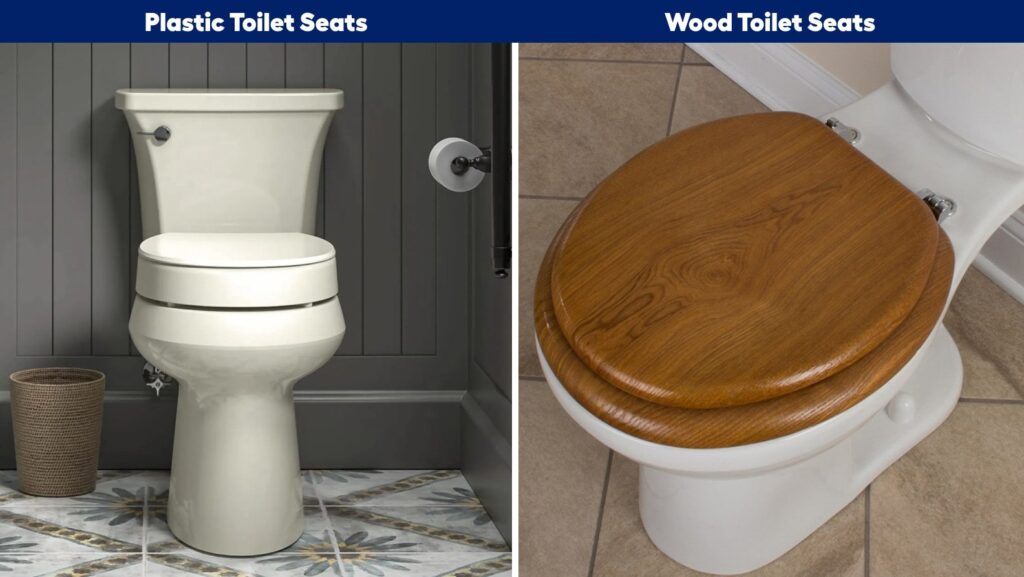
Choosing between a wood or plastic toilet seat depends mainly on your bathroom’s humidity; painted molded wood feels warmer and sturdier, but plastic resists moisture, handles harsh cleaners, and lasts without cracking.
Table of Contents
The options compared
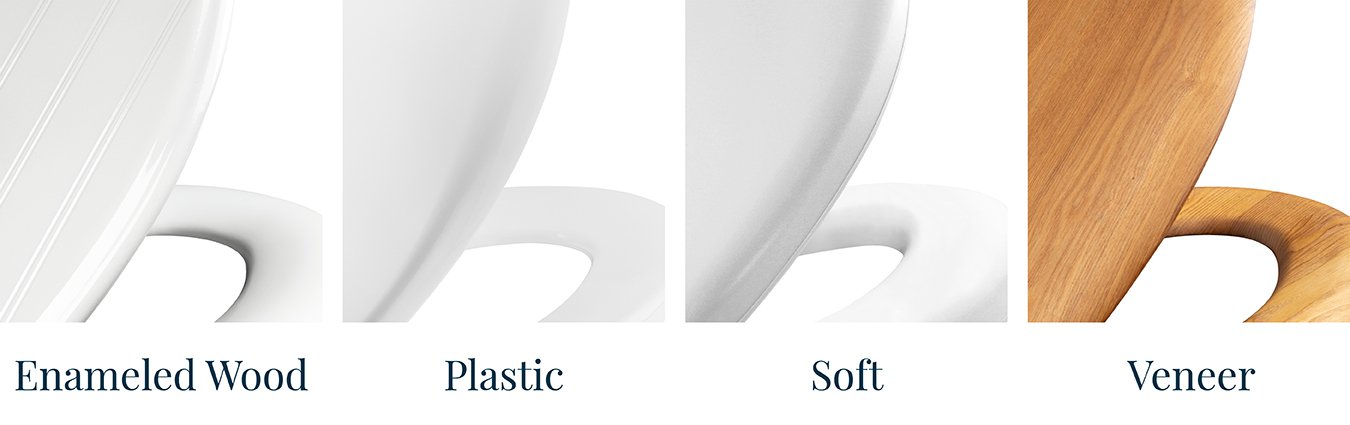
Here is how the main seat types compare across installation, durability, upkeep, and budget:
| Method | How long | Effort | Cost | Best for |
|---|---|---|---|---|
| Polypropylene plastic | 10 to 15 minutes | Low | Low | Busy family bathrooms |
| Molded composite wood | 15 to 20 minutes | Medium | Low | Cold rooms needing extra warmth |
| Solid natural hardwood | 15 to 20 minutes | Medium | High | Traditional decor and heavy weight support |
Polypropylene plastic seats
- Measure your bowl from the two mounting holes to the front rim (about sixteen and a half inches for round, eighteen and a half for elongated).
- Align the plastic seat hinges directly over the porcelain holes.
- Push the plastic bolts through the top and hand-tighten the nuts underneath the bowl.
- Use a standard screwdriver to tighten until snug, then snap the decorative hinge caps shut.
This option resists water damage completely, so you can wipe it down with standard household sprays without swelling the core. It also holds up well against stains, though the surface can flex under heavier loads. A common mistake people actually make is using stiff scouring pads on smooth plastic; this scratches the finish permanently, leaving dull patches that collect dirt quickly. If you want a zero-effort clean, this material delivers, but check the carton since sizing varies by model — check the label before opening it.
Molded composite wood seats
- Clean the porcelain ledge around the mounting holes with rubbing alcohol and dry it thoroughly.
- Position the heavy molded seat so the perimeter rests flat against the porcelain rim.
- Thread the metal or coated bolts through the hinge posts.
- Tighten the bottom nuts firmly using a simple wrench until the rubber washers compress slightly to stop sliding.
These seats feel substantial and never give you that sudden shock of cold surface on winter mornings. The trade-off is water vulnerability: if the enamel coating gets chipped or scratched, bathroom humidity quickly gets inside the pressed wood fibers. When moisture enters, the composite core swells up and flakes apart, ruining the seat. This choice isn’t for poorly ventilated bathrooms with high-humidity showers, where excess moisture cuts the product’s usable life short.
Solid natural hardwood seats
- Insert the brass or stainless steel mounting bolts through the solid timber hinge brackets.
- Tighten the locknuts from beneath the bowl, checking that the seat remains centered when lowered.
- Tighten the mounting hardware securely to keep the lid from shifting sideways.
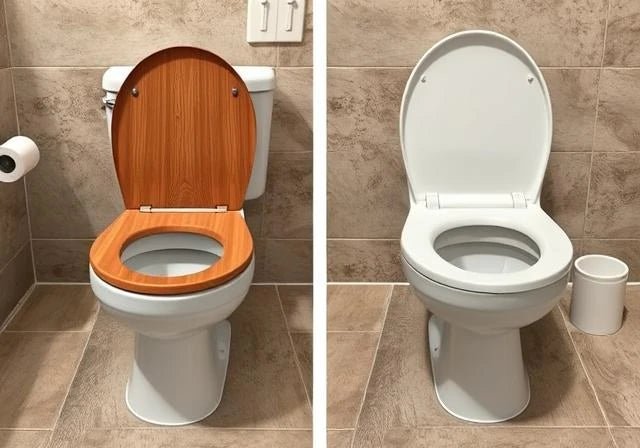
Natural hardwood seats made from oak, walnut, or bamboo offer unmatched rigidity and a rich, traditional appearance that elevates classic bathroom designs. The main drawback is upkeep; harsh chemicals strip the protective clear lacquer, requiring gentle oil soaps instead.
Which one should you use?
When you’re in a hurry, buy a polypropylene plastic seat because it installs in minutes and needs no delicate care.
When you’re doing this for the first time, choose molded composite wood because its heavier base stays put on the porcelain rim while you fasten the hardware underneath.
When you want the best possible result whatever it takes, pick solid hardwood for its dense feel, distinct appearance, and rigid support.
If high moisture resistance matters most, choose plastic; if you want a warm, heavy seat and don’t mind gentler cleaning routines, choose wood.
The rules that apply whichever way you choose
Size standards dictate your choice above all else. In North America, plumbing standards set by the American Society of Mechanical Engineers establish standard dimensions for both round and elongated toilet bowls.
Prepare the bowl first by scrubbing the mounting area clean and drying it completely, as trapped grit will cause hinges to slide out of alignment. Partway through your installation, check that the front bumpers rest squarely on the porcelain before you finish tightening the nuts completely.
At the end, close the lid and give the seat a firm nudge sideways. If it shifts even slightly, tighten the hardware another half turn. If you notice a cracked porcelain bowl while mounting your new seat, stop working immediately and call a licensed plumber, as damaged vitreous china poses a severe laceration risk.
Frequently asked questions
Can wood toilet seats harbor bacteria?
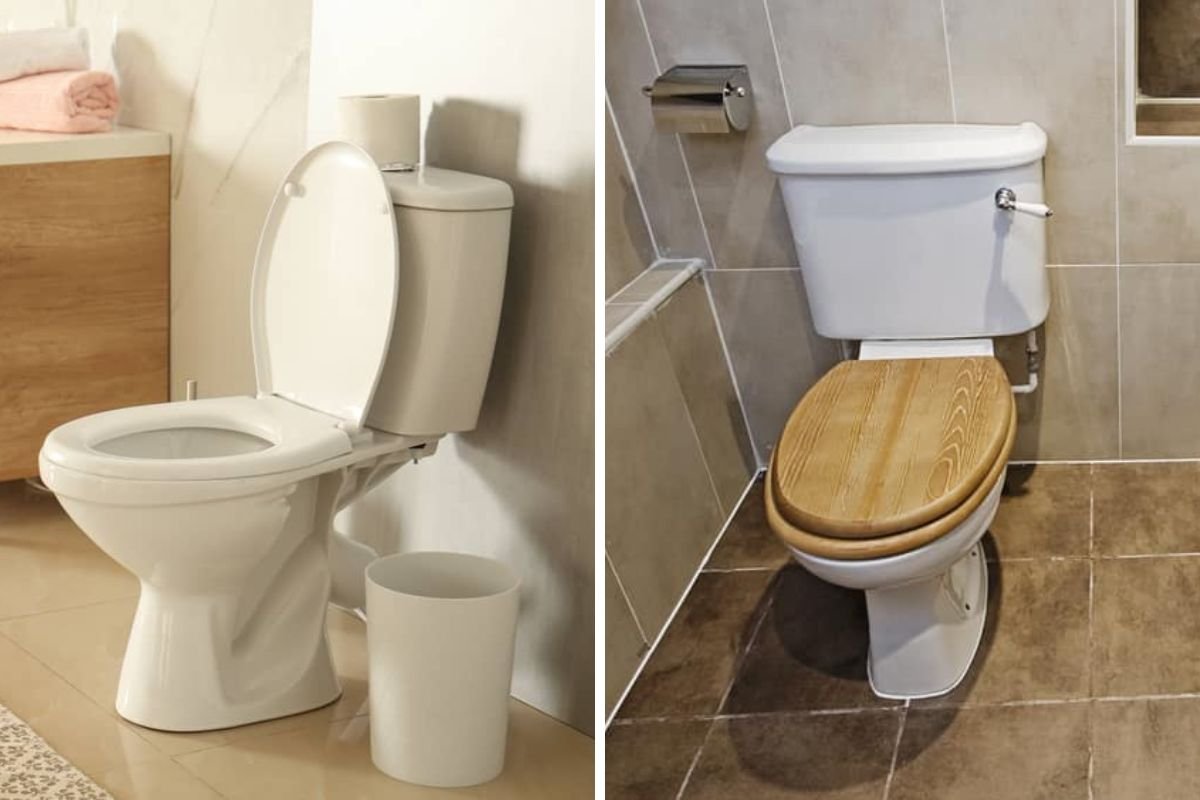
Yes, wood seats can harbor bacteria if the protective enamel or lacquer finish cracks. Once moisture penetrates the inner wood core, bacteria and mold grow inside the porous grain. As long as the outer seal stays unbroken, bacteria can’t enter the material any faster than plastic.
Why do plastic toilet seats turn yellow?
Plastic seats turn yellow from exposure to ultraviolet light and chemical reactions with bleach or urine. Harsh chemical cleaners break down the surface polymers over time. Using mild dish soap and warm water prevents this discoloration from developing on modern polypropylene surfaces.
Is it safe to clean a wood seat with bleach?
No, bleach isn’t safe for wood seats. Bleach strips the protective enamel or polyurethane clear coat, exposing raw fibers underneath. Once that coating peels away, moisture swells the pressed wood, warping the seat and causing the paint to blister permanently.
How long does a plastic toilet seat take to install?
Ten to fifteen minutes is all it takes to install a plastic seat using a basic screwdriver. Quick-attach plastic hardware speeds up the job because the nuts thread smoothly by hand until the final quarter turn secures them against the porcelain bowl.
What happens if you over-tighten toilet seat bolts?
Over-tightening toilet seat bolts will crack the plastic hardware or damage the porcelain around the mounting holes. Snug them down firmly until the seat stops moving sideways, but stop turning before the rubber washers crush completely out of shape.
Final Thoughts
If you’re still unsure, try sitting on a few display models at your local hardware store to see which texture feels right. Once you’ve made your choice, don’t forget to measure your bowl’s shape carefully before you buy. You’ll be glad you took that extra moment to ensure a perfect, comfortable fit.