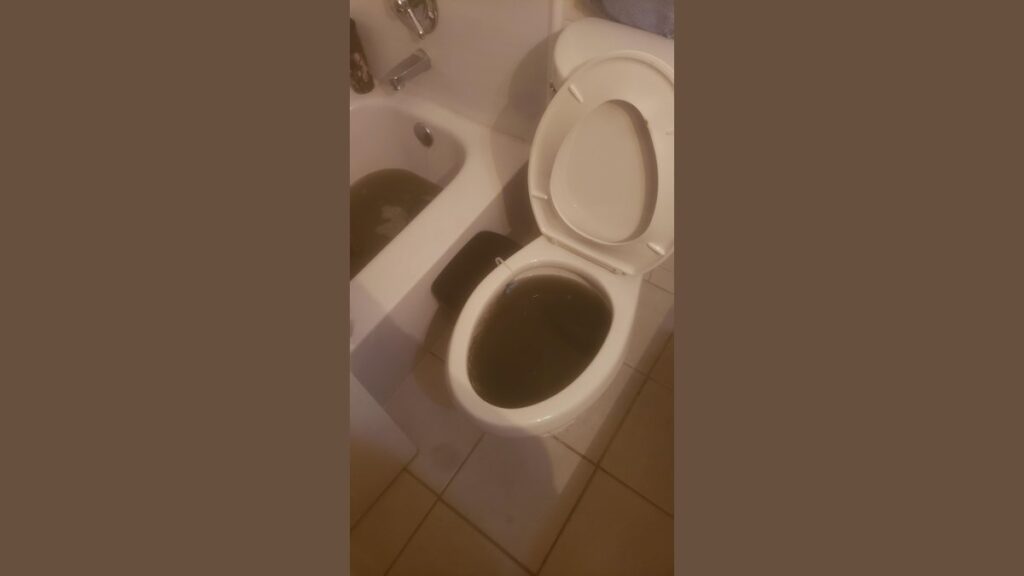
A blocked plumbing vent or a clogged shared drain pipe is the reason why your bathtub drain gurgles when you flush the toilet. Stop using the toilet immediately to prevent raw wastewater from backing up through your tub drain.
Table of Contents
Why your bathtub drain gurgles after flushing
The sounds coming from your bathroom fixtures indicate where air and water are fighting for space.
| What you notice | What it usually means | What to do first |
|---|---|---|
| Tub bubbles only when flushing | Blocked plumbing vent pipe | Clear leaves from roof vent |
| Water rises in tub when flushing | Partial drain line blockage | Plunge tub drain with rag blocking overflow |
| Gurgling and rotten egg smell | Dry or siphoned tub P-trap | Pour two quarts of water into drain |
| Toilet bowl water level drops suddenly | Negative air pressure from blocked vent | Check the roof stack for obstructions |
| Tub drains slowly without flushing | Local hair clog in tub trap | Clean drain with plastic drain snake |
| Gurgling happens across all bathrooms | Main sewer line obstruction | Stop all water use and call plumber |
Blocked roof vent pipe
A clogged plumbing vent pipe causes this noise more often than anything else. Your plumbing system requires air to flow freely so waste moves smoothly through the pipes. When leaves, bird nests, or winter ice cap the vent pipe on your roof, flushing a toilet creates powerful negative air pressure. The rushing water pulls replacement air straight through the water seal in your bathtub trap instead of the vent. This suction drags sewer air through the tub drain, making a loud bubbling sound.
You can verify this without climbing up high: look inside the toilet bowl right after a flush. If the water level drops noticeably below normal before settling, trapped air suction is pulling that water down. A rubber plunger won’t fix this issue because the clog sits on the roof, not inside the pipe’s water path. Clearing debris from the rooftop stack restores proper airflow. When the vent is completely clear, your toilet flushes with a steady swirl and your tub stays silent.
Clogged shared drain line
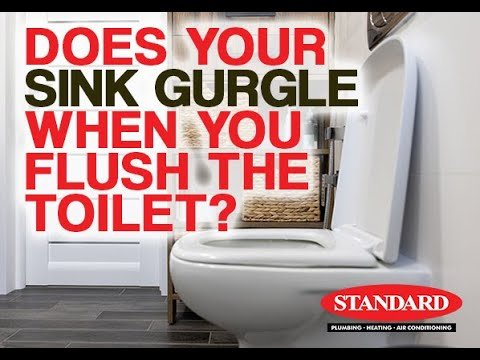
A partial blockage in the shared waste pipe produces bubbling through forced air pressure rather than suction. The toilet and bathtub drains connect to the same branch line behind your bathroom wall before heading toward the sewer. When flushed paper, soap scum, or thick wet wipes get caught along this shared line, they leave only a tiny passage for water. Pouring harsh chemical cleaners into the pipes is a common mistake that can permanently corrode older plumbing and ruin metal traps.
If dirty water or suds rise into the tub, the pipe itself is partially blocked below the fixtures. While a blocked vent sucks air inward, a clogged drain pushes dirty water and trapped air upward into the lowest available exit. You can clear minor shared clogs by using a heavy-duty toilet plunger. Cover the bathtub overflow opening tightly with a damp towel to force full pressure down the drain. You’ll know it worked when the toilet flushes smoothly and water drains without rising into the tub basin.
Main sewer line obstruction
A main sewer line blockage occurs further down the system, beyond your bathroom wall. Tree roots, cracked pipes, or heavy buildup in the underground lateral pipe slow down wastewater leaving the entire house. When the large main pipe chokes, the volume of a flushing toilet has nowhere to go. It forces trapped air and dirty water back up through the lowest fixtures in your home. This varies by home layout, so basement or ground-floor bathtubs will show signs first.
You can tell this apart from simple branch issues by running a major water appliance, such as your washing machine’s drain cycle. If your bathtub gurgles while the clothes washer drains, the restriction is in the main sewer line rather than a single bathroom pipe. Clearing a main line requires a powered mechanical snake or a hydro-jetting rig run through your main cleanout port. Once cleared, multiple fixtures can drain at the same time without gurgling or slow drainage.
When to stop and get help

Some drainage issues carry real health and property risks that home tools can’t solve safely:
- Every drain in the home gurgling: a total blockage in the buried sewer line will quickly flood your floors with waste.
- Vent stacks fully iced over on a steep roof: climbing frozen roofs without safety equipment causes severe falling injuries.
- Water leaking beneath the subfloor: hidden pipe leaks cause structural rot and require opening finished walls.
If you encounter any of these four warning signs, immediately shut off your home’s main water supply valve and contact a licensed plumber.
Frequently asked questions
Can I still use my toilet if the bathtub gurgles?
No, you shouldn’t keep flushing it. Continued flushing can force contaminated sewage backward through your tub drain and spill onto your floor. If you have only a light vent suction issue, you might flush once safely; if wastewater is rising, don’t use the fixture at all.
Is the sewer gas from a gurgling drain dangerous to breathe?
Yes, breathing sewer gas is unsafe. Gurgling breaks the water barrier inside your drain trap, releasing hydrogen sulfide and methane into your living space. These gases cause headaches and nausea. Pour half a gallon of tap water into the tub drain immediately to reseal the trap.
Will pouring boiling water down the tub drain stop the gurgling?
No, boiling water won’t fix this problem. Gurgling is caused by airflow imbalance in the vent pipe or deep clogs inside shared waste lines. Boiling water loses its heat before reaching deep clogs, and the sudden high temperature can crack ceramic toilet bowls or soften thin PVC joints.
How long can I wait before fixing a gurgling bathtub drain?
A minor vent blockage can quickly become a complete sewer backup after a few flushes or a single laundry cycle. Delaying the repair increases the risk of water damage to bathroom walls and floorboards.
Does a chemical drain cleaner fix a gurgling tub drain?
No, chemical cleaners won’t open vent blockages or dissolve deep sewer tree roots. These caustic liquids sit inside your pipes, generating extreme heat that softens plastic lines and damages metal traps. Strong chemicals also create dangerous splash hazards if a plumber later needs to snake the line.
Why does my tub only gurgle when the weather is freezing?
Freezing moisture vents out of your roof pipe and forms an ice dam across the rim of the stack. This ice cap seals off airflow, forcing the toilet to pull replacement air through your tub trap. The gurgling usually stops once daytime temperatures rise and melt the ice blockage.
Related guides