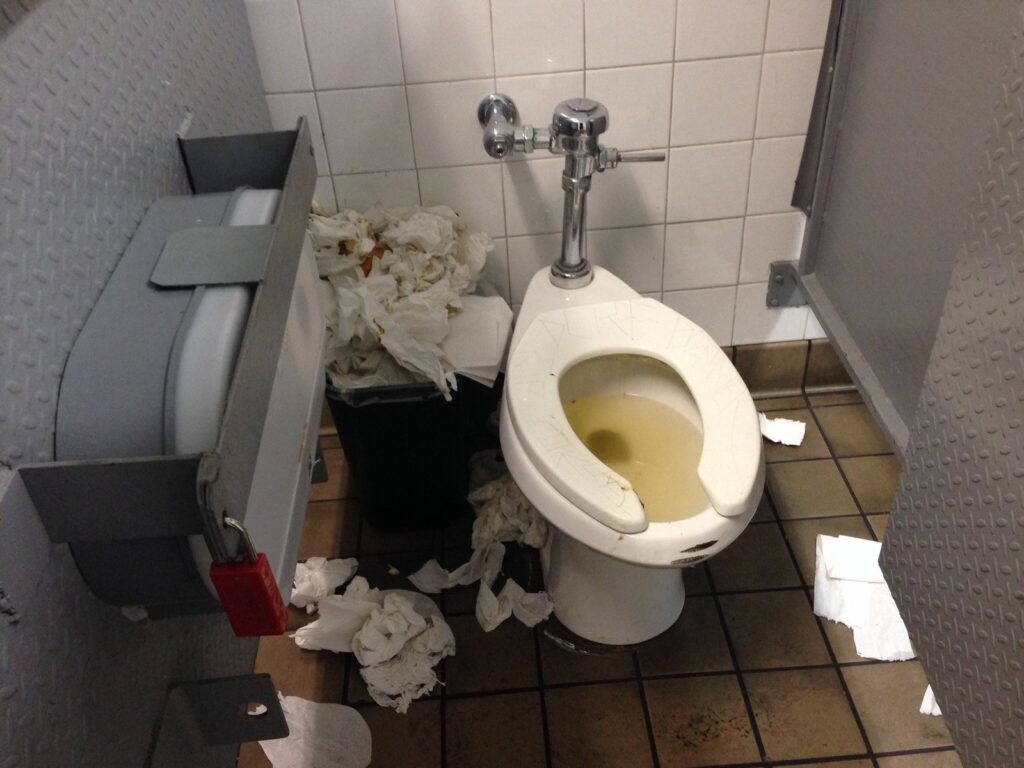
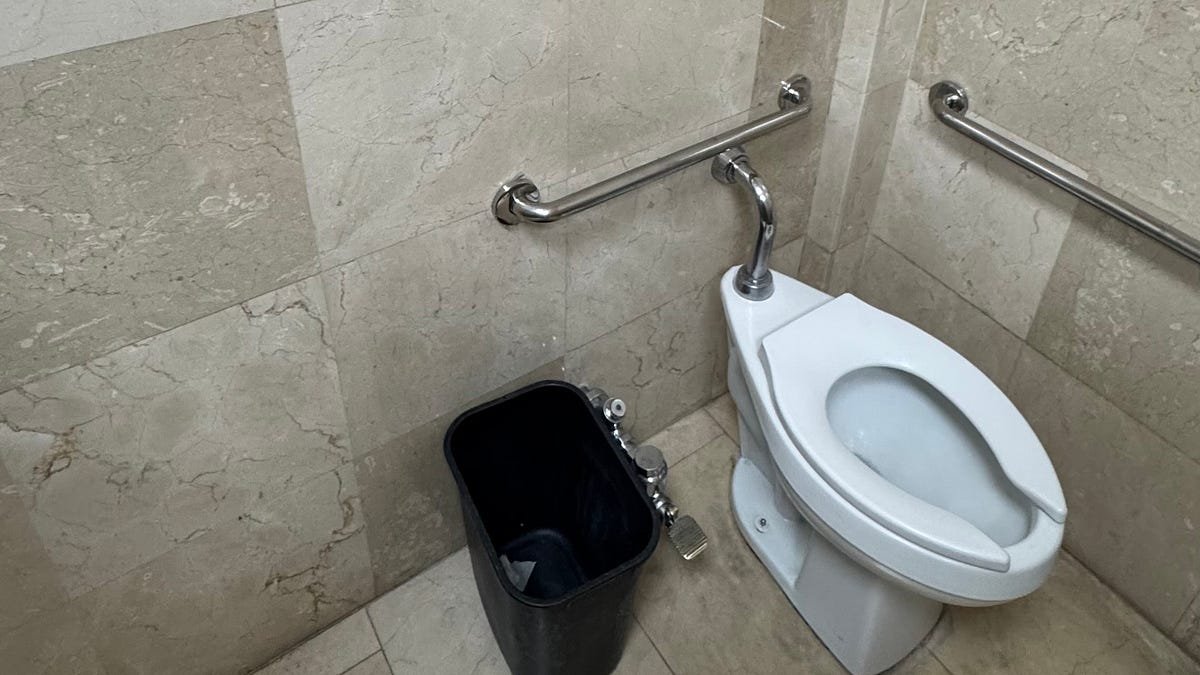
Plumbing systems in most regions can’t handle paper waste, which explains why you see a small wastebasket beside the bowl in Mexico. Narrow sewer pipes and low water volume cause immediate clogs. You can confirm this fast: look beside the base of the toilet. If there’s a small, lined trash bin sitting next to it, the building drains into lines that paper will quickly choke.
Table of Contents
Why you cant flush toilet paper

| Cause | How common | How to confirm it | Fix it yourself? |
|---|---|---|---|
| Narrow building drainpipes | Most of the time | Look for a lined wastebasket by the toilet base | Yes |
| Low municipal water pressure | Very common | Flush an empty bowl to observe the water vortex | Yes |
| On-site septic tank systems | Common outside cities | Check for tank cleanout caps in outdoor yards | Yes with care |
| Non-dissolving paper brands | Sometimes | Place paper in a cup of water for ten minutes | Yes |
| Flat municipal sewer grades | Less common | Note sluggish draining across all bathroom fixtures together | No |
| Broken or bellied drain lines | Rare | Watch for wastewater backing up into nearby floor drains | No |
Narrow Drain Lines in Older Construction
Plumbing lines in older properties often use narrow drainpipes that measure two to three inches across. Modern plumbing standards usually demand four-inch lines for toilet waste, but older structures across Mexico rely on smaller pipes that choke quickly when paper enters the flow. Paper collects against rough interior joints, catches on internal seams, and forms a solid barrier inside the wall.
You can confirm this issue by checking the bathroom layout. If the toilet sits next to a trash can with a plastic bag inside, the property owners know the drains can’t swallow solid sheets. To avoid pipe failure, throw all used paper directly into the designated bin.
Flushing paper anyway leads to a severe backup. The cost to clear a blocked domestic line involves hiring a professional plumber with a motorized drain snake, which costs far more than simply replacing a plastic trash liner. This varies by building age—check the bathroom instructions posted on the wall before using the fixtures.
Gravity Fed Roof Tanks and Weak Water Pressure
Municipal water systems rarely feed household fixtures directly with high pressure, relying instead on rooftop cisterns called tinacos. A tinaco feeds home plumbing purely through natural gravity. Because the vertical drop from a rooftop tank to a ground-floor toilet is short, the water enters the bowl with minimal downward force. This limited force moves liquid and light organic waste easily, but it can’t push heavy, fibrous paper past the trapway.
You can tell this problem apart from narrow pipes by testing the flush mechanism without any paper inside. If the water empties slowly without a strong, rapid swirling vortex, your toilet operates on low gravity pressure. Adding paper to this weak flow leaves waste trapped in the porcelain trap.
Accepting this system means putting up with the minor inconvenience of bin disposal to avoid regular bowl overflows. For renters, this system isn’t for travelers who refuse to keep used paper in an open or lidded bin.
Rural Septic Tanks and Soakaway Pits

Many coastal towns, rural areas, and smaller villages don’t hook up to city sewer grids at all. These buildings route waste straight into private septic tanks or biodigesters buried in the yard. As the US EPA septic systems guide explains, tanks depend on natural biological action to break down organic solids before liquid moves out to a drainfield.
When sludge fills the tank, solid waste backs up toward the home or ruins the soil absorption area outside. You can spot an on-site system by looking for round concrete access covers, raised green plastic lids, or vent pipes sticking out of the yard. Pumping out an overfilled septic tank requires specialized pump trucks and takes several hours of labor.
The less likely causes
- Paper brands manufactured with strong synthetic binders fail to break apart in still water, which you can identify when wet sheets stay intact after several minutes.
- Municipal street mains laid with flat grading struggle to move solid waste, which you can tell when whole neighborhoods experience slow community drains simultaneously.
- Tree roots that penetrate buried terracotta pipes create underground snags, signaled by sewage rising out of outdoor cleanouts during heavy rains.
- Broken or bellied underground pipes hold standing water, identified when water levels in the bowl bubble or drop unexpectedly throughout the day.
- Fixing cracked street lines or broken underground pipes requires municipal permits, heavy excavation tools, and licensed contractors, so you must leave those repairs entirely to utility crews.
What a fix usually involves
Fixing toilet blockages usually demands a heavy-duty toilet plunger or a handheld drum auger. Clearing a simple trap clog takes about fifteen minutes of physical effort and a basic household tool. If the blockage sits deep inside the walls or yard lines, a homeowner must hire a local plumber with a motorized snake.
Major sewer line reconstruction requires excavating ground slabs or yard soil, which demands multiple days of heavy labor and costs a substantial fraction of a property’s yearly maintenance budget. Costs depend on pipe depth, local soil hardness, and building access. To get a real quote, contact a licensed local plumber or check with your municipal water board for current regional repair rates.
Frequently asked questions
What happens if I accidentally flush toilet paper once?
Nothing terrible happens if you flush a small amount of toilet paper just once. A few single sheets will usually wash through the trapway without issue. A full wad, however, quickly snags on pipe seams, so simply return to using the trash bin on your next trip.
Can luxury hotels in Mexico handle flushed toilet paper?
Yes, modern high-end resorts and major international hotels in large cities usually have updated plumbing systems that can handle paper waste. Always look around the bathroom first: if there’s no small garbage can beside the commode, flushing paper is completely acceptable in that building.
Does it matter if I buy thin septic-safe toilet paper?
No, using thinner paper doesn’t solve the problem in most Mexican homes. Narrow building lines and weak rooftop gravity flushes will still catch and hold paper regardless of its ply rating. You should follow the property guidelines and put all paper products straight into the bin.
Is it safe and sanitary to keep toilet paper in a trash can?
Yes, keeping paper waste in a small bathroom bin is safe when you use a plastic liner. Empty the trash can into the main household garbage every single day, keep a tight-fitting lid on the can, and wipe the interior regularly with disinfectant to keep odors away.
Why do bathrooms in Mexico smell like sewage sometimes?
Dry floor drain traps are usually responsible when a Mexican bathroom smells like sewage. This action refills the internal P-trap and blocks sewer gases from rising back up into the living space.
How long does it take for toilet paper to clog a Mexican drain?
Immediate blockages can form in as little as two or three consecutive flushes if the pipe is small. Paper collects against rough interior fittings, halts the downstream flow of water, and creates a stubborn mechanical obstruction that requires physical plunging or snaking to clear out safely.
Final Thoughts
It’s a simple habit to pick up once you’re settled in. Just drop your used paper into the provided bin instead of the bowl, and you won’t have to worry about any messy plumbing issues. You’ll quickly find that it’s an easy adjustment to make during your travels.
Related guides
- Toilet Paper Holder Placement Tips for Every Bathroom Layout
- Why Can’t I Flush Toilet Paper in Greece? The Real Reason
- What Is a High Pressure Flush Toilet and Who Should Use One