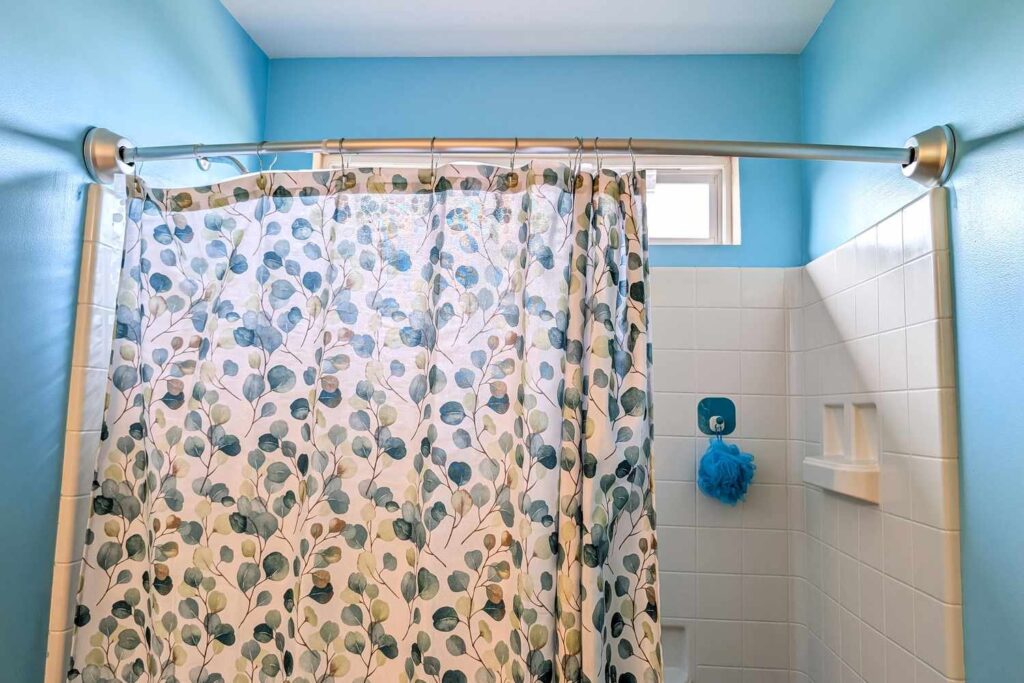
Moisture containment is the reason shower liner quality affects your entire bathroom: a thin, unweighted sheet billows inward, allowing gallons of water spray to escape onto dry drywall, subflooring, and baseboards during every wash. Good liners stop water, block humidity, and drain liquid directly into the pan. Cheap plastics leak mist, tear at the rings, and trap standing moisture that ruins paint, feeds floor rot, and fills your living space with stubborn mildew odors.
Table of Contents
How shower liner quality affects performance
| Part or input | What it does | What you notice when it goes wrong |
|---|---|---|
| Liner material (PEVA or vinyl) | Blocks water droplets and hot vapor | Thin plastic billows inward and sticks to you |
| Top header and grommets | Holds weight on hanging rings | Torn ring holes let the sheet drop down |
| Bottom hem weights | Keeps bottom edge against the tub | Water escapes outside onto the bathroom floor |
| Surface texture finish | Sheds water beads toward the drain | Soap scum clings and turns pink or black |
| Tub-wall contact seal | Prevents side spray escaping at edges | Peeling paint and soft drywall beside the tub |
What happens, step by step
- You turn on the shower head, which creates a stream of hot water and warms the enclosed air inside the tub stall within 15 seconds.
- The warm air inside rises quickly toward the ceiling, creating lower air pressure near the bottom of the shower stall compared to the rest of the bathroom.
- Higher room pressure pushes against the outside face of the liner, forcing a lightweight sheet inward toward your body within 30 seconds of water flow.
- Water striking your body deflects outward, hitting the inward-curved plastic rather than flowing straight down the vertical surface to the pan.
- Liquid collects in loose, gathered folds along the bottom edge, creating pools that take between 2 and 4 hours to dry under standard bathroom ventilation.
- Droplets escape past unweighted outer corners, soaking into external baseboards and floor grout during the typical 8 to 12 minutes of shower use.
- Moisture seeping under the floor trim reaches the hidden subfloor plywood, initiating structural swelling and wood decay over several months of daily washing.
Why this matters when something goes wrong
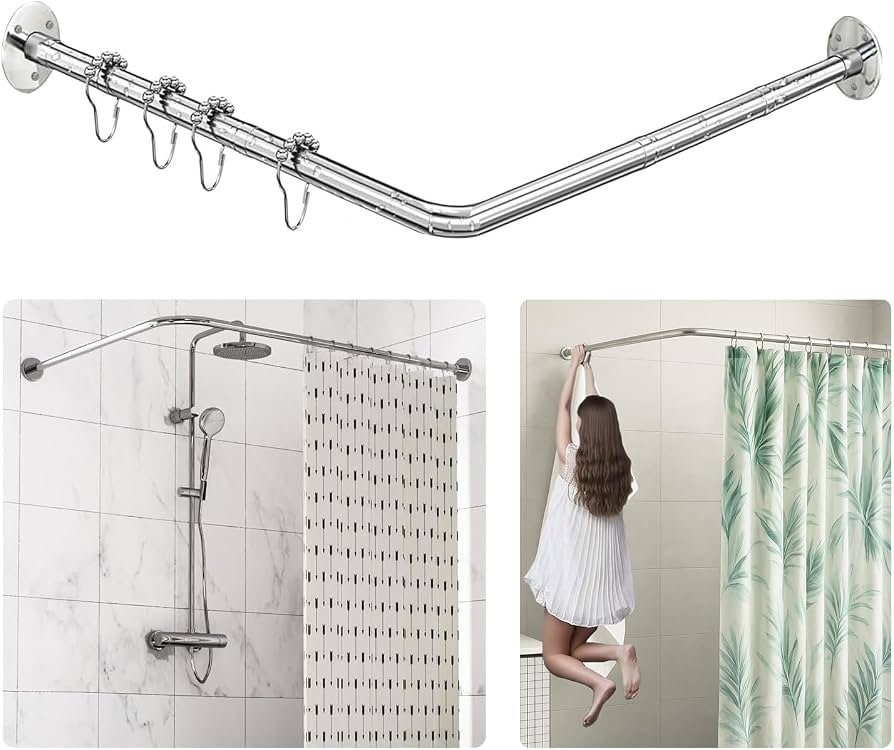
A damp floor mat or musty smell is rarely just an annoyance; it’s a sign of water escaping where your bathroom can’t handle it. When a liner fails to seal against the tub walls, water runs down the outer drywall. The trade-off between saving a few dollars on thin polyethylene and buying a heavier 8-gauge or 10-gauge liner shows up in your repair bills.
A common mistake is buying ultra-light sheets without bottom magnets or weights to save money, which costs homeowners hundreds of dollars in rotted subfloors and ruined ceiling drywall in rooms below. If your floor feels spongy near the tub apron, stop using the shower immediately. If the wall next to the curtain shows bubbling paint, don’t just wipe it dry. Check the liner’s drape: if the edge hangs outside the tub ledge or floats inward during use, replace the liner with a weighted alternative immediately. When floorboards yield under your weight or visible mold spreads across more than ten square feet of drywall, this stops being a do-it-yourself fix—call a licensed contractor or remediation professional to inspect the hidden joists.
What you can change, and what you cannot
What you can control
- The gauge thickness you choose, from flimsy 3-gauge sheets up to durable 10-gauge options.
- The use of magnetic corner weights or suction cups to anchor the bottom hem.
- Keeping the liner inside the tub basin while leaving decorative curtains outside.
- Spreading the liner flat after every shower to prevent trapped standing water.
What is fixed by design
- The Bernoulli effect: warm rising air will always pull lightweight plastic toward the water stream.
- Tub wall plumbness: crooked walls create gaps that standard flat liners can’t bridge without clips.
- Standard room airflow: exhaust fans remove airborne vapor, but they can’t dry hidden water pooled under floorboards.
Where structural wood rot has softened the subfloor or compromised framing, don’t attempt cosmetic surface repairs; hire a licensed residential builder.
Getting more out of it
- Hang the liner so the bottom edge sits exactly 2 to 3 inches below the inside rim of the tub; higher lets water splash out, lower bunches up and traps water.
- Pair the liner with heavy-duty metal roller rings rather than cheap plastic snap loops to prevent torn grommets when opening the curtain.
- Spread the curtain completely across the rod after each wash, allowing air to circulate across the entire surface rather than trapping moisture inside plastic folds.
- Clean soap scum regularly using a soft sponge and mild dish detergent, because body oil buildup gives mold spores a food source to anchor onto.
- Inspect the caulking along the floor joint directly outside the curtain edge whenever you notice it to ensure escaped drips can’t penetrate the subfloor.
Frequently asked questions
Can a cheap shower liner damage the bathroom floor?
Yes. Lightweight liners billow inward from air currents, allowing gallons of deflected shower spray to splash onto external floorboards and baseboards. Over time, that escaped water rots the subfloor beneath your tile.
Why does my shower liner keep blowing inward?
The hot water creates rising air currents that drop air pressure inside the stall, drawing the lightweight liner inward. Liners without bottom weights or sufficient material thickness can’t resist this pressure difference.
How long does a standard shower liner last?
Between 6 and 12 months under normal daily use with proper ventilation, though this varies by model—check the label. Liners exposed to hard water or poor air movement develop persistent mildew much faster.
Is it safe to wash a plastic shower liner?
Yes, if the care tag allows machine washing on a gentle cycle with cold water. Never put plastic or PEVA liners into a heated clothes dryer, as the heat melts the waterproof coating instantly.
What happens if water leaks behind the tub trim?
Water softens the drywall paper, rots structural wall studs, and grows hidden mold colonies inside wall cavities. By the time paint bubbles on the outside, hidden interior framing damage has usually already occurred.
Does shower liner thickness matter?
Yes. Thicker materials, such as 8-gauge to 10-gauge PEVA, hang straight down and resist the inward airflow that causes cheaper, lighter sheets to drift into your wash space.
Who is a heavy vinyl shower liner NOT for?
This isn’t for homes without active window ventilation or mechanical exhaust fans, as heavy PVC materials can off-gas strong chemical odors in confined spaces for several weeks after installation.
Final Thoughts
Investing in a heavy-duty, antimicrobial liner is a simple upgrade that keeps your home fresh and dry. Don’t wait for water damage to appear behind your tiles; swap out that flimsy plastic today. You’ll notice the difference immediately, and your bathroom will stay cleaner for much longer than you’d expect.
Related guides
- 3 Handle Tub and Shower Faucet Guide for Bathroom Upgrades
- Charcoal Filter for Bathroom Fan: Essential Air Quality Fix
- Basco Shower Doors Reviews: Expert Verdict on Quality and Fit