
A displaced refill tube inside the tank is the main reason why the water in my toilet is low, and pushing it back into the overflow pipe restores the proper water depth immediately.
Table of Contents
Reasons for low toilet water
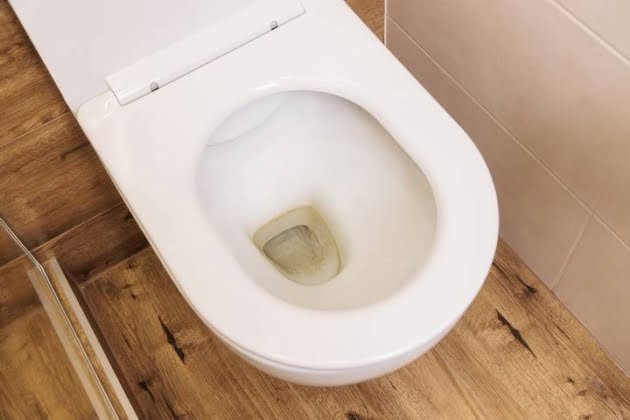
Three distinct mechanical faults cause low water in a toilet bowl. First, a disconnected or misdirected refill tube sends water straight into the tank reservoir instead of down the overflow tube. Second, a cracked porcelain trapway or hairline fissure inside the internal channel lets standing water slowly seep out through gravity. Third, a blocked plumbing vent pipe on your roof creates negative pressure; as waste moves down your main drain, the vacuum pulls water straight out of your toilet trap.
| Symptom | Most Likely Cause | Safe Action |
|---|---|---|
| Water drops immediately after tank stops filling | Refill tube disconnected | Reattach tube to overflow pipe |
| Water level drops slowly over several hours | Cracked trapway or bowl | Check base for moisture, replace bowl |
| Water bubbles or gurgles before dropping | Clogged roof vent pipe | Clear roof vent or hire a plumber |
| Water fills low in both tank and bowl | Weak fill valve or low float | Adjust tank float mechanism |
Inspect and reconnect the tank refill tube
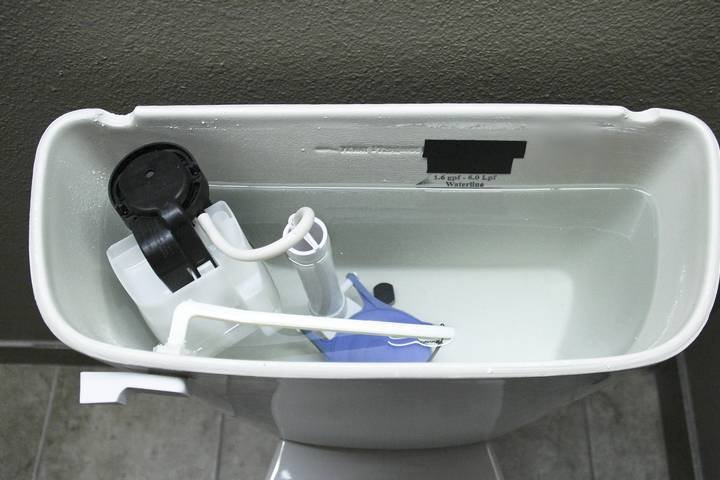
This simple fix is for anyone whose bowl fills poorly right after a flush while the tank fills normally. Remove your toilet tank lid and set it flat on a bath mat so it doesn’t chip. Look for a thin, flexible rubber or plastic tube connected from the fill valve on the left to the open vertical overflow pipe in the center.
If this tube sprays straight into the tank, snap the metal or plastic clip back onto the rim of the overflow pipe so water flows downward inside it. ; if you leave it loose, the bowl never fills. Keep the tip arched above the rim of the overflow pipe. Flush the toilet once to test your work. You’ll see water spraying down the tube, raising the resting bowl level within sixty seconds.
Adjust the tank float mechanism
This step is for homeowners whose tank water stops rising well below the factory mark on the porcelain wall. Look inside the tank for a float—either a round ball on a brass arm or a plastic cylinder that slides along the main valve body.
If your valve uses a screw on top, turn it clockwise one full rotation using a screwdriver to raise the water level. If it uses a sliding cylinder, pinch the metal spring clip and slide the float upward by about half an inch. Flush the toilet and allow it to shut off completely. The standing water in the tank should rest about one inch below the top edge of the overflow tube. This varies by model — check the label stamped inside your tank wall for exact waterline markings. A higher tank volume forces more water through the rim jets to fill the bowl.
Clear the roof vent pipe
This repair is for advanced cases where the bowl level drops while other fixtures drain, or when you hear bubbling noises inside the bathroom walls. Leaves, bird nests, or ice can clog the plumbing vent stack on your roof, turning your home drainage system into a closed vacuum.
Climbing onto a roof carries serious fall risks, so this isn’t for people without proper roof safety gear or comfort working at heights. Set a sturdy extension ladder on flat ground, locate the open pipe above your bathroom, and look down with a flashlight. Remove visible debris by hand with work gloves, or use a drain snake to break up blockages.
What not to do
- Never pour boiling water into a toilet bowl with low water, because sudden thermal shock cracks cold porcelain and causes floor leaks.
- Don’t bend an old brass float arm forcefully with your bare hands, as snapping the brittle metal breaks the shutoff valve and floods your bathroom.
- Avoid dumping chemical drain cleaners into a toilet to clear a low-water trap, because harsh acids generate intense heat that softens plastic pipes and ruins rubber seals.
How to stop it happening again
Routine checks catch failing parts before they drain your toilet bowl dry or waste household water. The U.S. Environmental Protection Agency’s WaterSense guidelines recommend inspecting toilet components annually to stop silent leaks and high utility bills.
| If you’re doing this | Do this instead | Why |
|---|---|---|
| Ignoring a low waterline | Test the fill valve right away | Low water breaks the gas seal and lets sewer smells enter |
| Using drop-in chemical bleach tablets | Clean bowls with a brush and mild soap | Strong chemicals corrode flexible refill tubes and rubber flappers |
| Yanking the flush handle hard | Adjust the lift chain to have slight slack | Tight chains tilt the valve assembly and dislodge internal tubes |
Frequently asked questions
Can low water in a toilet let sewer gas into the house?
Yes, low water allows sewer gas to escape into your home. The standing water inside the curved porcelain trap acts as a physical barrier. When that level drops below the trap’s curved top edge, harmful gases like methane pass directly from the sewer lines into your bathroom.
Why does my toilet water level drop by itself?
A cracked internal trapway or a blocked roof vent causes this problem. A slow hairline crack in the porcelain lets water seep away silently into the drainpipe. Alternatively, wind blowing across a blocked vent stack on your roof creates negative pressure that siphons the water away.
How long does a toilet fill valve usually last?
About five years is the typical working life under standard household conditions. Hard well water with high mineral content can ruin internal seals in two years, while mild municipal water lets valves run longer. If turning the adjustment screw no longer raises the waterline, replace the valve assembly.
Is it safe to use a toilet when the water is low?
No, it’s not practical or hygienic to use a toilet with low water. Waste won’t clear the trapway completely on the first flush due to poor siphon pressure, which creates stubborn clogs. You’ll end up wasting extra water by flushing three or four times to clear the bowl.
What happens if the refill tube sprays outside the overflow pipe?
The tank fills normally while the toilet bowl stays almost empty. The refill tube must send a steady stream down the overflow pipe during the flush cycle. If it points anywhere else, that extra water is wasted in the tank while the bowl misses its refill cycle.
Final Thoughts
If you’ve checked the tube and the tank still isn’t filling correctly, it’s a good idea to inspect the rubber flapper at the bottom for any signs of wear. Replacing a worn-out seal is an easy task that’ll keep your bathroom running smoothly and prevent any future leaks from wasting water.
Related guides