Building an incinerator toilet requires assembling a sealed stainless steel burn pot, a controlled 120-volt heating element, and a dedicated stainless steel exhaust pipe. The assembly takes 6 to 8 hours for a skilled metalworker, costs several hundred dollars in scrap-rated materials, and needs care because electrical faults and fire hazards are severe risks. You must have a dedicated 20-amp electrical circuit in place before starting any assembly work.
Table of Contents
Parts to build your incinerator toilet

| Item | How much | Why it’s needed | A substitute |
|---|---|---|---|
| Stainless steel stock pot | 1 12-quart pot | Holds waste during the burn cycle | none — don’t swap this |
| Band heating element | 1 1,500-watt band | Generates heat to reduce waste | Ceramic heating element rated equal |
| Type 304 stainless pipe | 8 feet | Vents fumes outdoors without corroding | none — don’t swap this |
| High-temp inline blower | 1 100-CFM fan | Pulls exhaust safely outside | Metal draft-inducing flue blower |
| Ceramic wool insulation | 1 roll | Protects outer housing from heat | none — don’t swap this |
| Heavy steel tool cabinet | 1 cabinet | Houses the internal burn components |
Before you start
- Turn off the main electrical breaker to the workspace circuit before wiring any heating elements or controllers.
- Clear all combustible items, liquids, and cleaning rags within a 10-foot radius of your work bench.
- Move the assembly outside or near an open bay door to handle the initial test burn safely.
- Check your local municipal codes regarding off-grid waste systems, because skipping local sanitation permits often leads to costly fines or forced removal.
- Connecting live 120-volt or 240-volt high-wattage components carries severe electrical shock and fire hazards, so hire a licensed electrician if you lack experience with high-current wiring.
Step by step
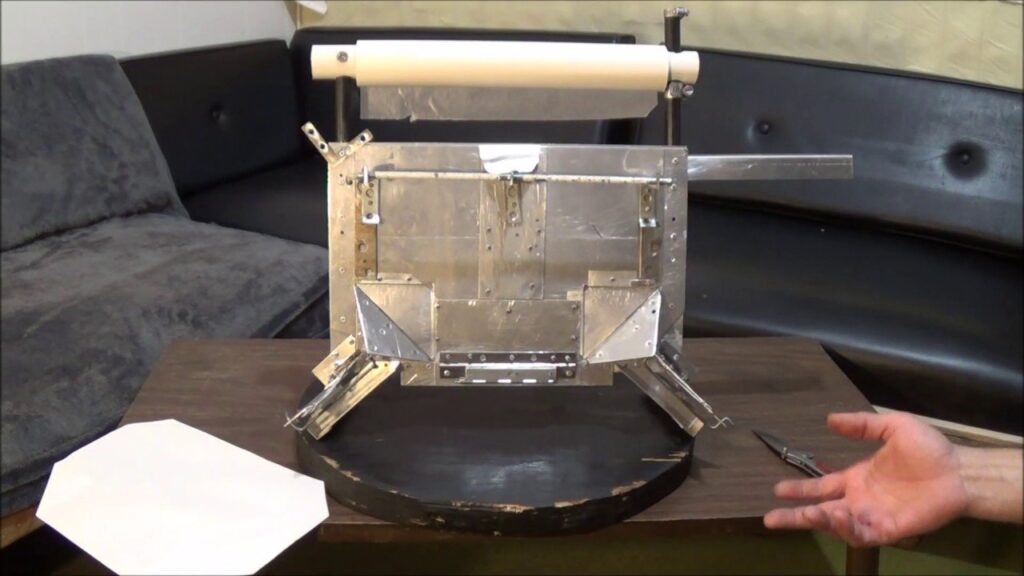
- Cut a 4-inch round exhaust hole through the lower rear wall of your steel cabinet using a bi-metal hole saw. A clean edge without metal burrs indicates the cut worked properly.
- Bolt your 12-quart stainless steel pot inside the cabinet using four stainless brackets to keep it 2 inches off the base. The pot must not shift when pushed firmly by hand.
- Wrap a 1,500-watt band heater around the lower third of the stainless pot, tightening the clamping screw to 35 inch-pounds. The band should sit flush against the pot without any visible air gaps.
- Wrap 1 inch of ceramic wool insulation around the outside of the pot and heater, securing it with stainless steel safety wire. The outer wire wraps should hold the wool firmly without crushing it flat.
- Attach the 4-inch Type 304 stainless exhaust pipe to the cabinet outlet port using four high-temperature stainless steel sheet metal screws. The joint must feel rigid when tugged in any direction.
- Mount the 100-CFM exhaust fan in-line along the flue pipe using sealed metal duct clamps. Power the fan briefly to confirm air blows firmly out the exterior vent termination.
- Wire the band heater through a 60-minute mechanical countdown timer switch mounted to the exterior cabinet panel. The timer must click steadily and cut power completely when it hits zero.
- Install a spring-loaded foot pedal linkage to the pot’s top lid so it opens only when pressed. Releasing the pedal should slam the lid tightly shut onto its fiberglass rope seal.
How to know it worked
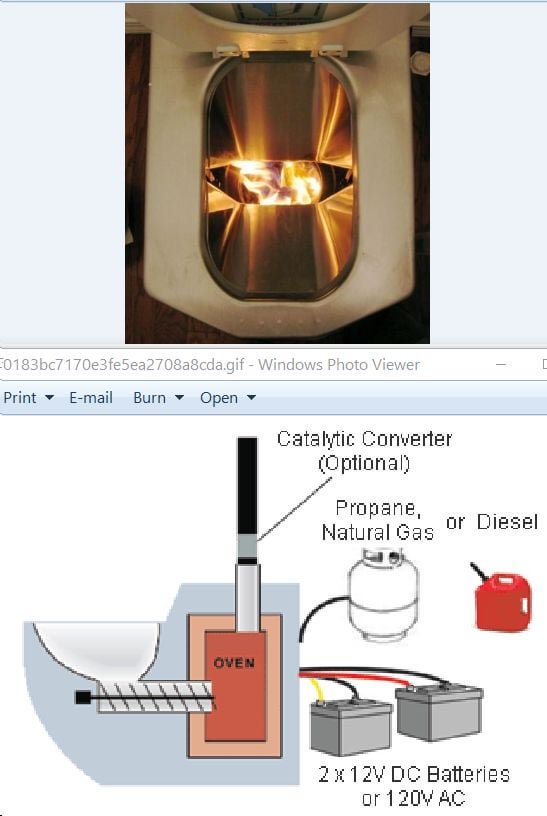
A successful burn cycle produces light gray ash that settles into the bottom of the pot. When you run a standard 45-minute cycle on 8 ounces of solid organic matter, the residue should crumble completely under a metal probe without any sticky black tar. The external steel cabinet should remain under 120°F, which you can verify by checking a magnetic surface thermometer placed on the cabinet side.
If the burn leaves dark charcoal chunks or wet sludge, the pot didn’t sustain sufficient heat. The process requires high temperatures to reduce pathogens and organic waste fully. Run an extra 20-minute cycle if black core chunks remain.
If something goes wrong
| What happened | Why | What to do |
|---|---|---|
| Thick smoke leaks into the room | Flue pipe lacks adequate draft | Seal duct joints with high-temperature silicone |
| Breaker trips instantly when switched on | Heating band has a short | Check wire leads for direct metal contact |
| Exterior housing becomes dangerously hot | Insulation layer is too thin | Add another wrap of ceramic insulation |
| Waste remains wet after full cycle | Burn temperature stayed too low | Inspect heating element for proper voltage supply |
| Exhaust fan stops turning during cycle | Heat destroyed an unrated motor | Replace with a high-temperature rated blower |
How often to do this
Empty the ash pan regularly. You’ll need to empty it more often if two or more people share the toilet daily, because extra volume crowds the burn chamber quickly. If users deposit excessive paper liners or heavy wipe materials, clean the chamber more frequently. Run a dry 30-minute burn cycle without waste periodically to burn off carbon deposits along the pot walls. Inspect the exhaust vent termination pipe as part of your usual clean to confirm creosote or soot hasn’t narrowed the airflow channel.
Frequently asked questions

Can you use normal toilet paper in an incinerator toilet?
Yes, standard toilet paper burns easily, but paper bowl liners work better to keep the metal pot clean. Bleached paper burns down to pure ash within minutes. Avoid using wet wipes or synthetic sanitary products, because they melt into plastic sludge instead of burning.
Why does the exhaust vent produce a bad smell outside?
A poor draft or incomplete combustion causes foul smells. The chamber needs to reach 950°F to break down organic odor molecules completely. If the heater runs cooler than that, waste smolders slowly like damp wood, which pushes heavy, unburned odors out through the roof flue pipe.
How long does a single burn cycle take?
About 45 minutes to destroy a single deposit completely. Wet waste takes significantly longer to process because the heater must evaporate all liquid moisture before the solid matter can reach combustion temperatures. Keep the exhaust blower running for 15 minutes after.
Is it safe to leave the toilet unattended while it burns?
No, unattended homemade burn appliances pose severe fire risks. You must monitor the room during the cycle to watch for flue smoke, scorched wiring, or blower fan failures. Commercial models use redundant thermal cutoffs, but DIY units lack those automated industrial safety circuits.
What happens if the power goes out during a cycle?
Smoke will drift back out through the toilet lid seals because the electric exhaust blower loses draft. If the power cuts, place a heavy wet towel over the closed lid immediately. Keep a Class ABC fire extinguisher within arm’s reach of the toilet room.
Does the toilet require water to operate?
No, an incinerator toilet is a completely dry waste system. Adding water slows down the burn cycle significantly and increases power consumption, because liquid requires massive amounts of heat energy to evaporate. Users should divert liquid waste using a urine diverter whenever possible to save electricity.
Final Thoughts
Once your unit is fully installed, don’t rush to use it immediately. Test the ventilation system with a small, controlled burn to ensure there aren’t any leaks in the seals. You’ll also want to keep a fire extinguisher nearby for peace of mind. It’s a smart way to stay safe while enjoying your project.
Related guides
- Why You Should Always Flush the Toilet Before Using It
- Cheapest Place to Buy Toilet Paper Near Me: Where to Save
- Can You Sit on a Toilet Seat Lid? Safety and Weight Limits