
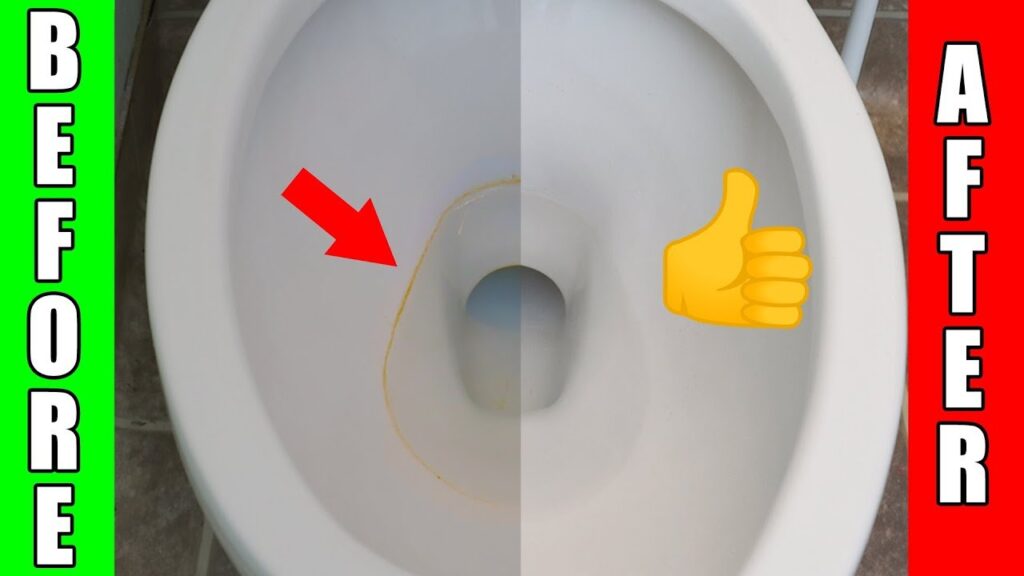
To get rid of a toilet ring quickly, pour 1 cup of white vinegar around the bowl, let it sit for 30 minutes, then scrub the line away with a nylon brush. Mineral buildup from standing tap water is the single most common cause.
Table of Contents
Causes of your toilet ring

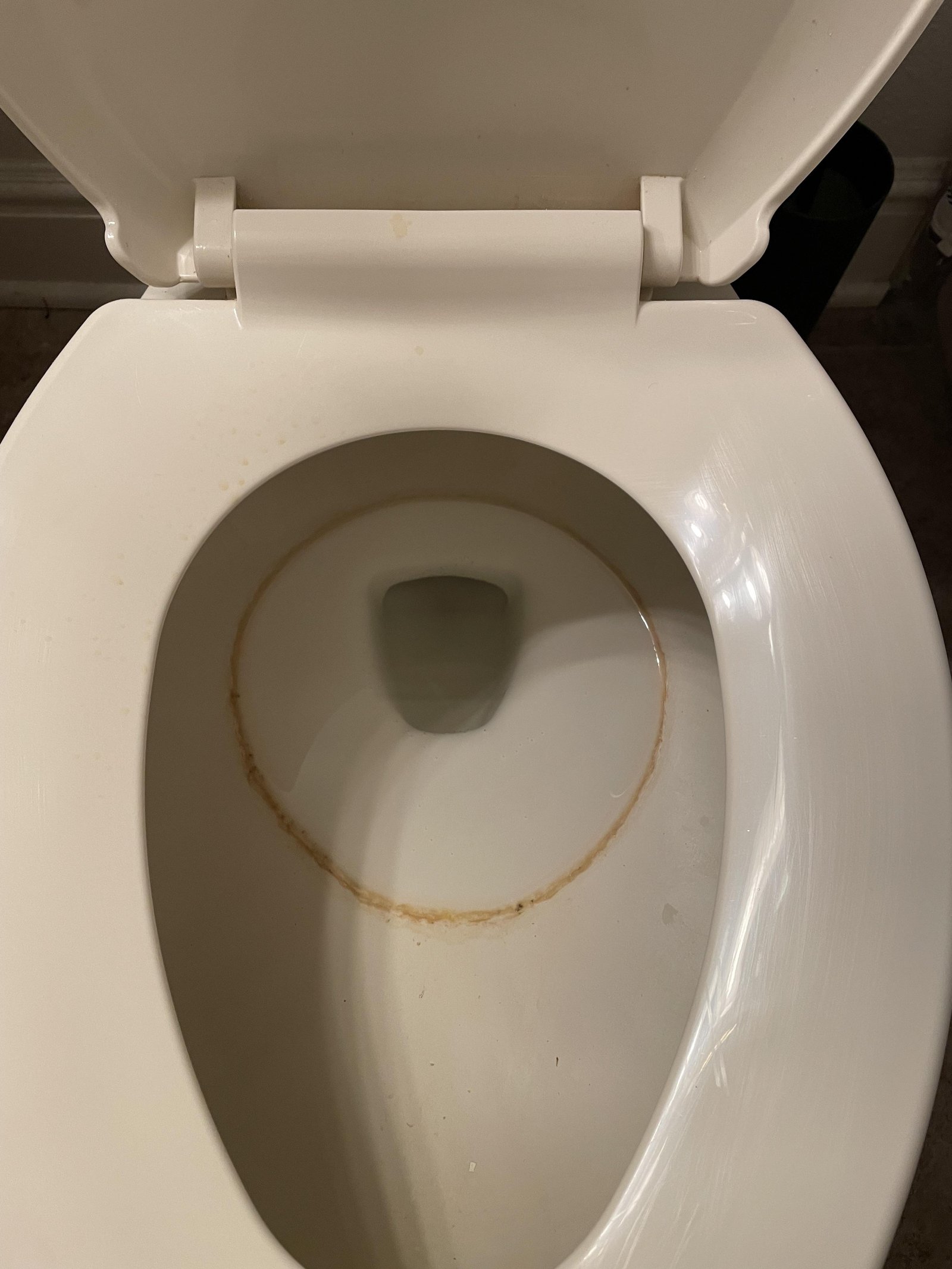
Standing water holds dissolved minerals like calcium and magnesium. The USGS water hardness guidelines explain that when this hard water evaporates at the waterline, these minerals crystallize on the porcelain surface.
Another frequent cause is airborne mold or bacteria such as Serratia marcescens. These microbes feed on moisture and soap residue, forming a pink, orange, or black film right along the rim. If your water sits untouched for days, the mineral layer hardens quickly, trapping dirt and organic matter inside it.
Soak with household vinegar and baking soda
This fix works best for fresh mineral rings or light everyday grime. It’s not for severe, dark limescale crusts that have sat for years.
- Pour 1 cup of standard household white vinegar directly into the bowl water, splashing it over the ring.
- Wait 30 minutes so the mild acid can break down the alkaline crust.
- Sprinkle 1 cup of baking soda across the waterline, then immediately add 1 more cup of vinegar to trigger a foaming reaction.
- Let the foam sit for 15 minutes, then scrub firmly with a stiff nylon toilet brush.
- Flush once to rinse.
If the ring fades completely, the surface is clean. If a faint brown edge remains, move to a targeted abrasive.
Rub with a wet pumice stone
This physical method is for thick, stubborn hard water crusts that acids fail to lift. The trade-off is clear: pumice removes stubborn crusts quickly, but using too much pressure can permanently scuff the glossy vitreous china.
- Submerge a natural pumice stone in clean water for at least 60 seconds. Both the stone and the bowl surface must stay wet at all times.
- Rub the flat edge of the wet stone gently over the ring using light, back-and-forth strokes. Never push hard.
- Keep dipping the stone in the water as you work so a wet gray paste forms on the porcelain.
- Wipe the residue with a damp cloth or flush the toilet to check your progress.
The ring is gone when the porcelain feels totally smooth under a gloved finger.
Apply commercial sulfamic acid cleaner
This fix is strictly for old, severe scale deposits that resist household acids and pumice. If you have a septic tank, don’t use harsh chemical acids; if you have standard municipal sewer pipes, this method is safe.
Pour 4 fluid ounces of a gel-based sulfamic or diluted hydrochloric toilet cleaner around the bowl’s inner rim. Let the gel coat the ring for 15 minutes without flushing. Wear rubber gloves and open a bathroom window for ventilation. Scrub the waterline thoroughly using an angled brush, then flush twice to clear the chemical completely from the trap.
What not to do
- Don’t scrub with dry abrasives or steel wool. Dry pumice, wire pads, and sandpaper scratch the porcelain glaze, creating microscopic grooves that trap fresh stains faster.
- Don’t mix chlorine bleach with vinegar or acid cleaners. Combining them creates hazardous, irritating chlorine gas that damages lungs.
- Don’t leave drop-in tank tablets in place continuously. The concentrated chemicals corrode internal flappers and rubber seals, leading to silent leaks that cost extra money on water bills.
- Don’t flush boiling water. Pouring boiling water into a cold porcelain bowl can crack the ceramic base instantly.
How to stop it happening again
Small routine changes will keep mineral deposits and colored films from settling on the bowl walls.
| If you’re doing this | Do this instead | Why |
|---|---|---|
| Leaving water still for weeks | Moving water stops mineral crystals from setting | |
| Waiting for visible stains | Swish with a brush weekly | Removes thin biological films before they grab minerals |
| Dropping bleach pucks in the tank | Protects rubber tank valves while dissolving early scale | |
| Ignoring hard tap water | Install an inline water softener | Lowers calcium levels throughout all household plumbing |
Frequently asked questions
Can bleach remove hard water toilet rings?
No. Chlorine bleach disinfects and lightens dark stains, but it can’t dissolve mineral crusts. Calcium requires an acid to break down, so bleach simply leaves the rough hard water ring in place.
Is it safe to use a pumice stone on colored porcelain?
No. Colored, stamped, or antique bowls often have softer glazes than white vitreous china. Pumice can easily scratch through tinted coatings and leave noticeable, dull gray scrape marks behind.
Why does a pink ring appear so fast in the toilet?
Airborne bacteria called Serratia marcescens cause that pink line. They thrive in damp, warm bathrooms and feed on phosphorus and fatty substances found in water and dust.
How long should vinegar sit in a toilet bowl?
At least 30 minutes for normal grime, or up to 8 hours overnight for heavy scale. The longer the mild acid rests against the calcium, the less manual scrubbing you have to do later.
What happens if you scrape porcelain with metal tools?
Metal tools leave gray friction marks that are extremely difficult to polish out. More importantly, sharp steel can chip the glaze, exposing porous ceramic underneath that permanently absorbs stains.
Final Thoughts
If you want to prevent these stubborn stains from returning, try adding a splash of vinegar to your bowl once a week. It’s a simple habit that’ll keep your porcelain sparkling and save you from heavy scrubbing later on. You won’t have to worry about buildup if you stay ahead of the mess.
Related guides
- Finally Fresh Washing Machine Tablets Unleash the Power of Clean
- Clean Shower Curtain Mold With Vinegar: A Simple Guide






