
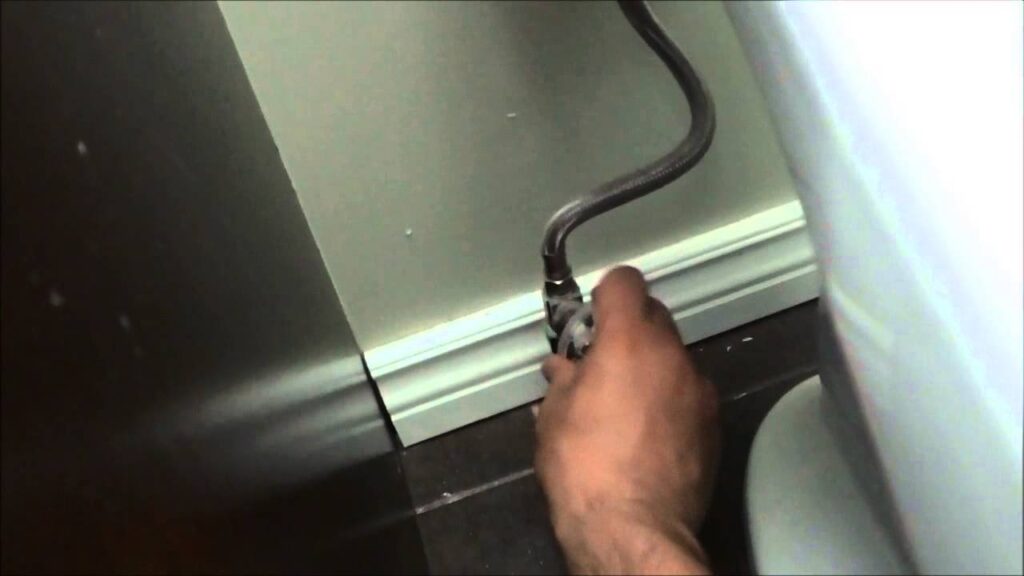
To complete how to turn off water to toilet, turn the oval shutoff valve on the wall behind the base clockwise until it stops. This simple handle stops fresh flow in about 5 seconds. If your valve is frozen or missing, shut off your home’s main water supply valve immediately instead.
The one thing that decides your success is valve condition. Mineral buildup can freeze old metal parts over time. Trying to twist a stuck valve with heavy metal tools is the quickest way to crack old copper pipe and cause an indoor flood.
This process isn’t for homes with built-in wall-hung tanks where plumbing is hidden behind tile; call a licensed plumber for those.
Table of Contents
Turn off the toilet water
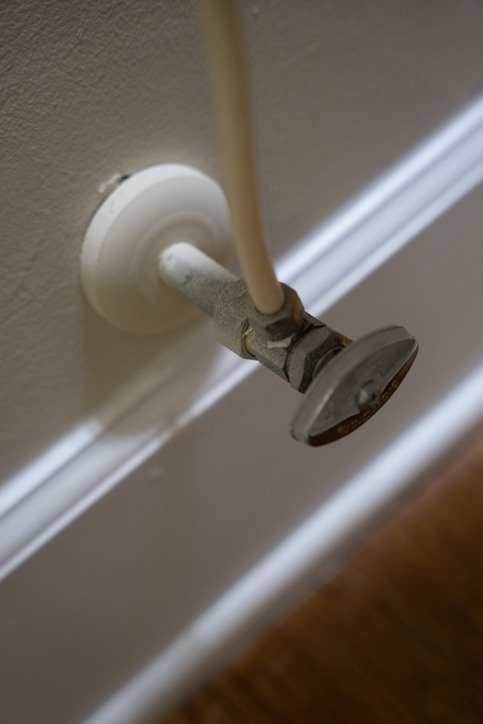
- Locate the shutoff valve near the floor on the left side behind the toilet.
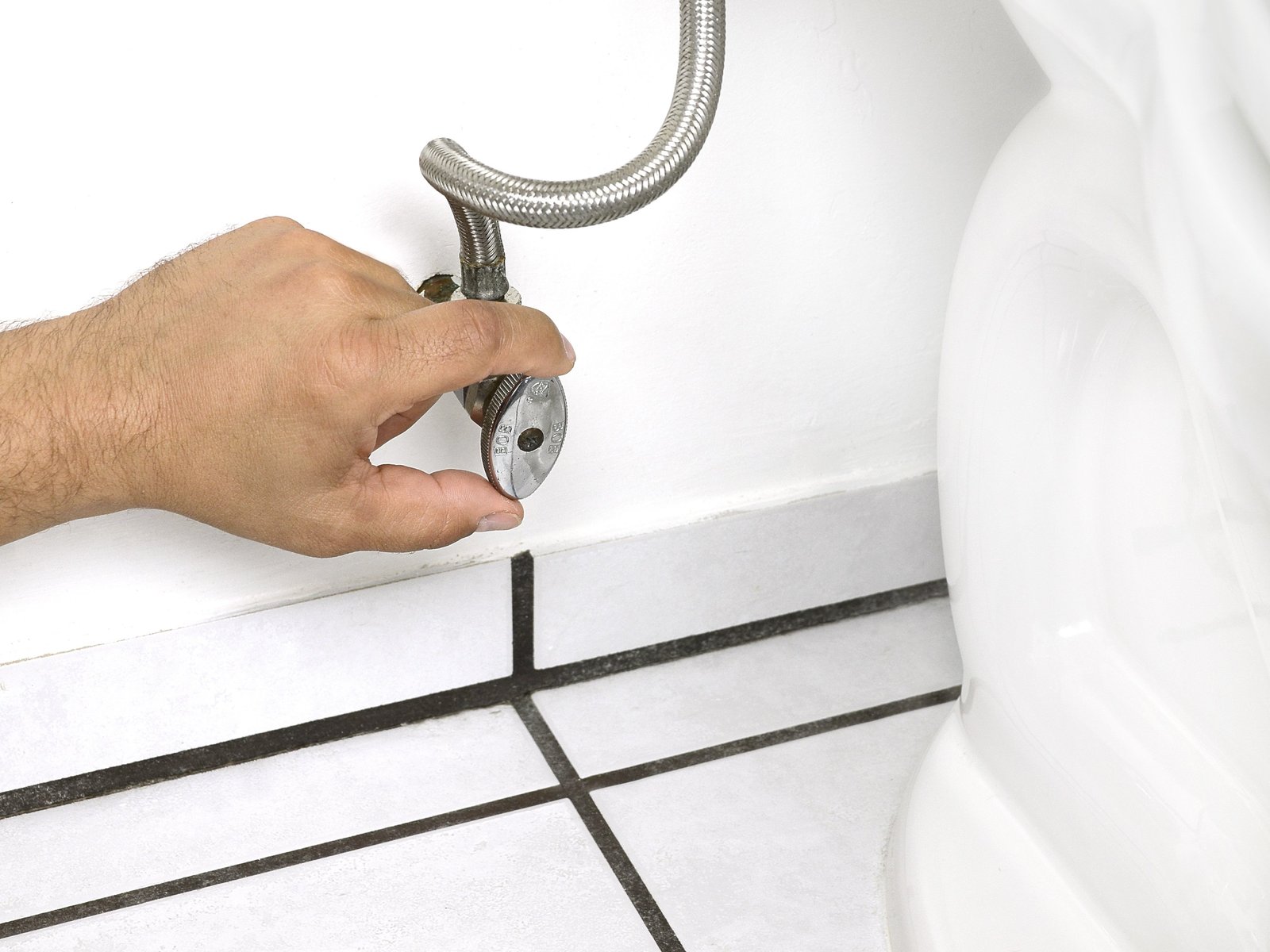
- Turn the handle clockwise to close it: give an oval handle about two to four full turns until tight, or turn a flat lever a quarter-turn so it sits across the pipe. Tip: Never force a stuck metal handle with pliers, because snapping the stem ruins the fitting and floods the bathroom instantly.
- Remove the porcelain tank lid carefully with two hands and place it flat on a bath mat.
- Push down the flush lever fully to drain the water from the tank into the bowl.
- Soak up the last half-inch of pooled water with a sponge and squeeze it into a small bucket. Tip: If you see any drips along the supply tube fitting, tighten the brass nut a quarter-turn using an adjustable wrench.
- Call a licensed plumber if the valve leaks from the stem after you close it, because repairing a cracked supply stub requires professional pipe-soldering tools.
How long it takes
Closing the valve takes only a few seconds, but emptying the tank completely takes slightly longer depending on tank size.
| Situation | How long | What changes it | What to watch for |
|---|---|---|---|
| Modern quarter-turn ball valve | Under 5 seconds | Handle style | Lever sits at 90 degrees to pipe |
| Standard multi-turn gate valve | 10 to 20 seconds | Thread dirt and age | Handle turns smoothly without sticking |
How to tell when it’s done
A silent tank is your primary signal. Look inside the tank right after flushing: the fill tube shouldn’t spray any water, and the surface should remain still. You’ll also see no fresh water rippling into the bowl. For a final check, lift the fill valve float arm gently with your hand; if nothing hiss-sprays from the top, flow is stopped. According to the EPA WaterSense guide to finding leaks, testing toilet seals with food coloring will show you if trickles are continuing to slip past your valves unnoticed.
Mistakes that ruin it
- Forcing a seized handle: Snapping the stem breaks the valve seal and causes immediate water damage, so leave frozen handles alone and use your main water shutoff instead.
- Skipping the sponge step: Leaving an inch of water inside makes tank removal messy and soaks your floor during repairs, so always dry the bottom thoroughly before taking parts off.
- Turning the handle counterclockwise: Turning counterclockwise opens the valve completely, which can loosen the stem nut and trigger an active leak; remember that clockwise closes it.
- Overtightening the plastic nut: Cracking the plastic connector threads ruins the seal completely, so tighten plastic fittings by hand rather than with metal wrenches.
Frequently asked questions
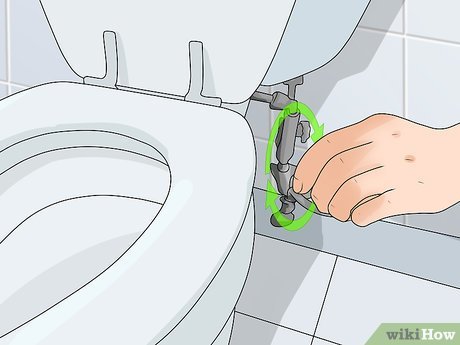
Which way do you turn the toilet shutoff valve?
Turn the valve handle clockwise to close it. Turn it counterclockwise if you want to open it back up. If your toilet features a flat lever instead of an oval knob, turn the lever until it sits perpendicular to the water pipe.
Can you shut off water to just the toilet?
Yes, using the shutoff valve located directly behind the toilet base against the wall. That small knob lets you stop flow specifically to the commode without cutting off running water to the rest of your sinks, showers, or washing machines.
What happens if the toilet valve won’t turn?
Don’t force it with metal tools. Old valves accumulate hard water scale that freezes internal threads. If it doesn’t move easily by hand, find your house’s main shutoff valve near the water meter or basement and close that instead.
Is it safe to leave the toilet water turned off for days?
Yes, it’s completely safe. The only minor trade-off is that water in the bowl may slowly evaporate after several weeks, which can let sewer gas rise into your home. Pour a cup of water into the bowl occasionally to keep that vapor trap full.
Why is water still running into my toilet after turning it off?
Your shutoff valve’s internal rubber washer has likely deteriorated or split. Old gate valves often fail to create a watertight seal when they degrade inside. You must turn off your home’s main water supply valve to stop the flow and replace the unit.
How do I turn the water back on?
Turn the shutoff handle counterclockwise until it stops turning. The tank will automatically refill with fresh water. Watch the base connections closely for two minutes afterward to ensure old seals didn’t shift or leak under fresh pressure.
Final Thoughts
Once you’ve confirmed the flow has stopped, you’re ready to start your repair. If the handle won’t budge or you notice any leaks, don’t force it. It’s a good idea to keep a bucket nearby just in case, and you shouldn’t hesitate to call a plumber if you’re feeling stuck.






