

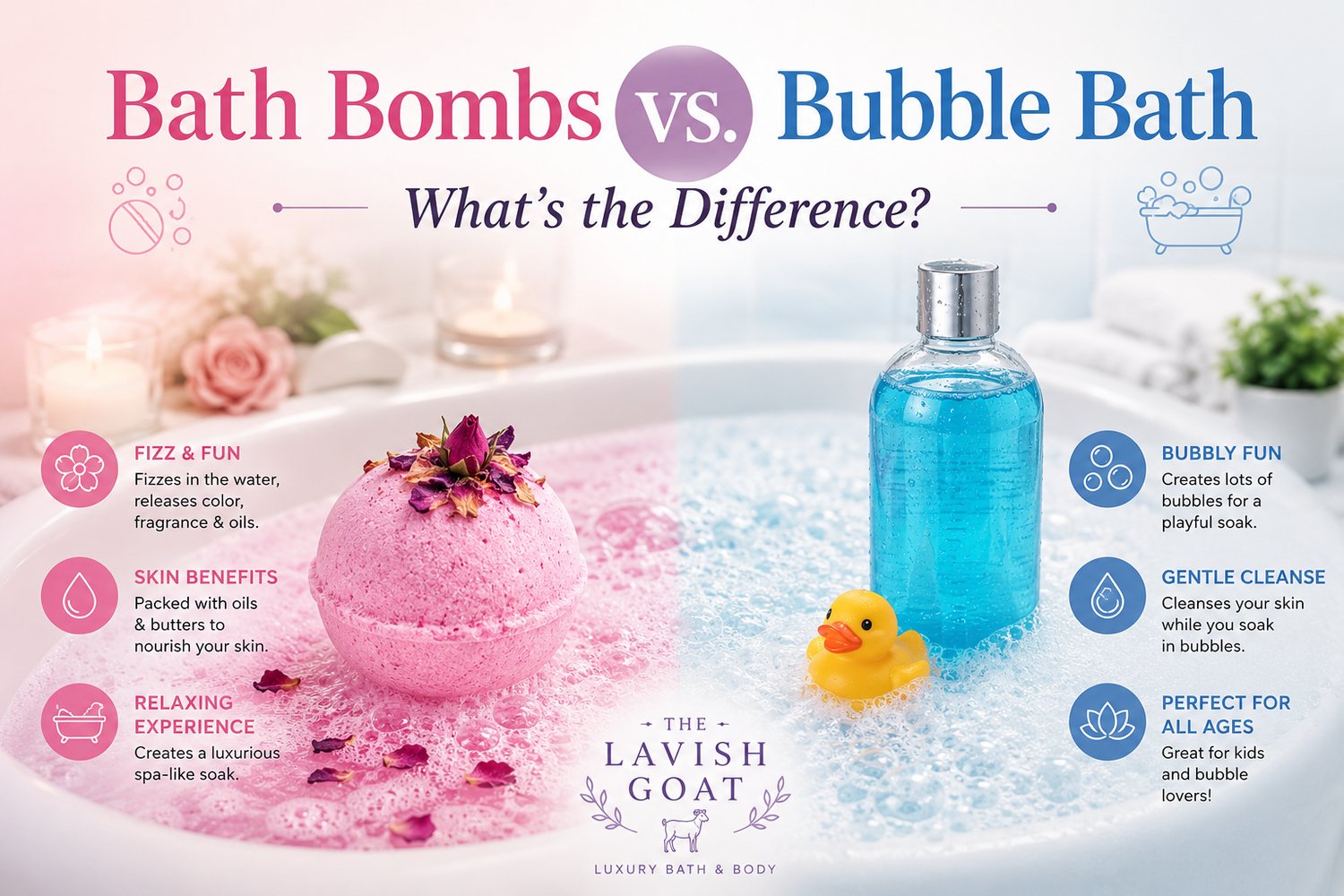
The relaxation benefits of bath bombs more than just bubbles come from combining warm water immersion, skin-softening plant oils, and airborne essential oils that calm your central nervous system. A dry sphere goes into the tub, water triggers an acid-base fizz, and trapped scents escape into the air. Warm steam carries those aromatics to your nose while Epsom salts and oils coat your skin. You leave the tub with lowered muscle tension and relaxed breathing.
Table of Contents
How bath bombs provide relaxation benefits
| Part or input | What it does | What you notice when it goes wrong |
|---|---|---|
| Sodium bicarbonate | Creates carbon dioxide bubbles to disperse ingredients | Sinks without fizzing if moisture got in early |
| Citric acid | Reacts with the bicarbonate to power the fizz | Leaves hard clumps if the mix was wet |
| Essential oils | Sends scent molecules into the warm bath steam | Causes head pain or rash when overdosed |
| Epsom salt | Dissolves magnesium sulfate into the hot water | Tub water stays harsh on dry skin |
| Carrier oils | Traps water against skin to restore moisture | Tub floor becomes dangerously slick to walk on |
What happens, step by step
- You drop one standard 5-ounce bath bomb into a tub filled with water between 100°F and 104°F; it sinks slightly before floating.
- Water dissolves the outer sodium bicarbonate and citric acid layer, producing carbon dioxide gas bubbles across 2 to 5 minutes of fizzing.
- Carrier oils such as jojoba or sweet almond spread across the water’s surface, creating a thin barrier that holds heat in the tub.
- Rising water vapor captures volatile essential oil molecules, sending them upward into the air around your face within 60 seconds.
- You breathe in the fragrant steam, which stimulates olfactory receptors that signal your brain to slow heart rate and drop cortisol.
- The dissolved plant lipids bind to your outer skin layer over 15 to 20 minutes, softening dry areas while peripheral blood vessels dilate.
Why this matters when something goes wrong
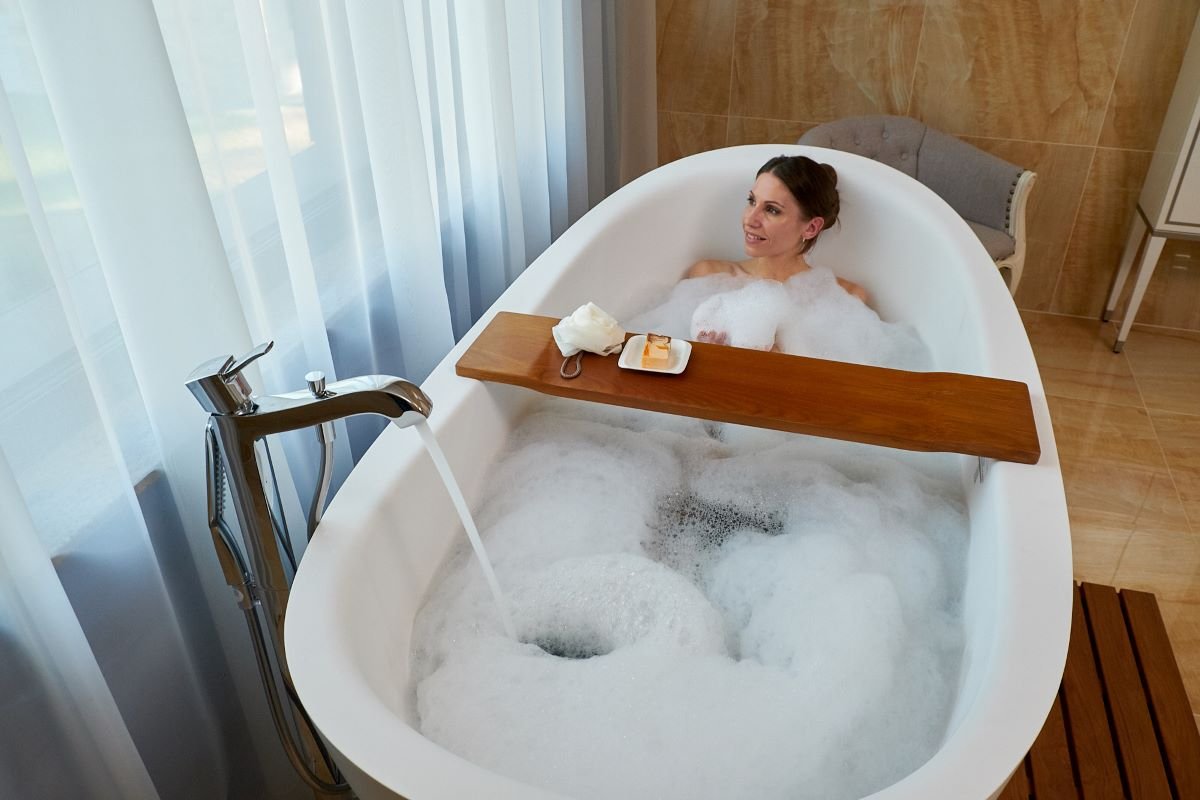
The physical ingredients control how your body unwinds, so missing pieces destroy the calming effect. Synthetic fragrance oils often trigger sudden skin dermatitis or nasal irritation instead of soothing your nervous system. The National Center for Complementary and Integrative Health reports that true plant aromas like lavender can alter brain wave patterns to promote rest, whereas artificial scents lack those biological compounds. A cheap artificial sphere trades genuine sensory relief for cheap room perfume that can leave you with itchy hives.
A weak fizz tells you moisture spoiled the product months ago on a humid shelf. When bicarbonate and acid react early inside the wrapper, they can’t throw essential oils into the rising steam. Instead of breathing calming vapors, you sit in lukewarm, oily water that leaves a greasy ring. If you choose strong scents, you get sharp sensory stimulation; if you pick low-potency lavender or chamomile, your muscles release tension.
Rushing out of the bath after 5 minutes wastes the shift in blood flow, while soaking past 25 minutes strips skin oils completely.
What you can change, and what you cannot
Things you control
- Water temperature: keep it between 100°F and 104°F so your blood vessels dilate without causing dizziness.
- Soak time: limit your soak to 15 to 20 minutes to absorb moisture without drying your dermal layer.
- Scent profile: pick calming lavender for nighttime sleep or eucalyptus for morning muscle relief.
- Tub cleanliness: wipe the porcelain before running water so soap scum doesn’t trap oils.
Things fixed by design
- Fizz duration: this varies by model — check the label for the exact weight and compression density.
- Scent strength: manufacturer oil percentages are locked during factory pressing and can’t be diluted safely.
- Tub surface slickness: natural carrier oils always reduce porcelain grip, creating an unavoidable slip hazard.
This product isn’t for people with open skin wounds, chronic eczema flares, or severe urinary tract infections. If you suffer from frequent heart palpitations or severe low blood pressure, stop home hydrotherapy immediately and consult a medical doctor.
Getting more out of it
Store dry bath bombs in an airtight container away from bathroom shower steam to prevent moisture from ruining their fizzing power. Drop the sphere into the tub only after you finish filling it with 102°F water.
Blot your skin gently with a clean towel instead of rubbing. Clean the tub basin immediately with warm soapy water before the oils dry into a stubborn, slippery film.
Frequently asked questions
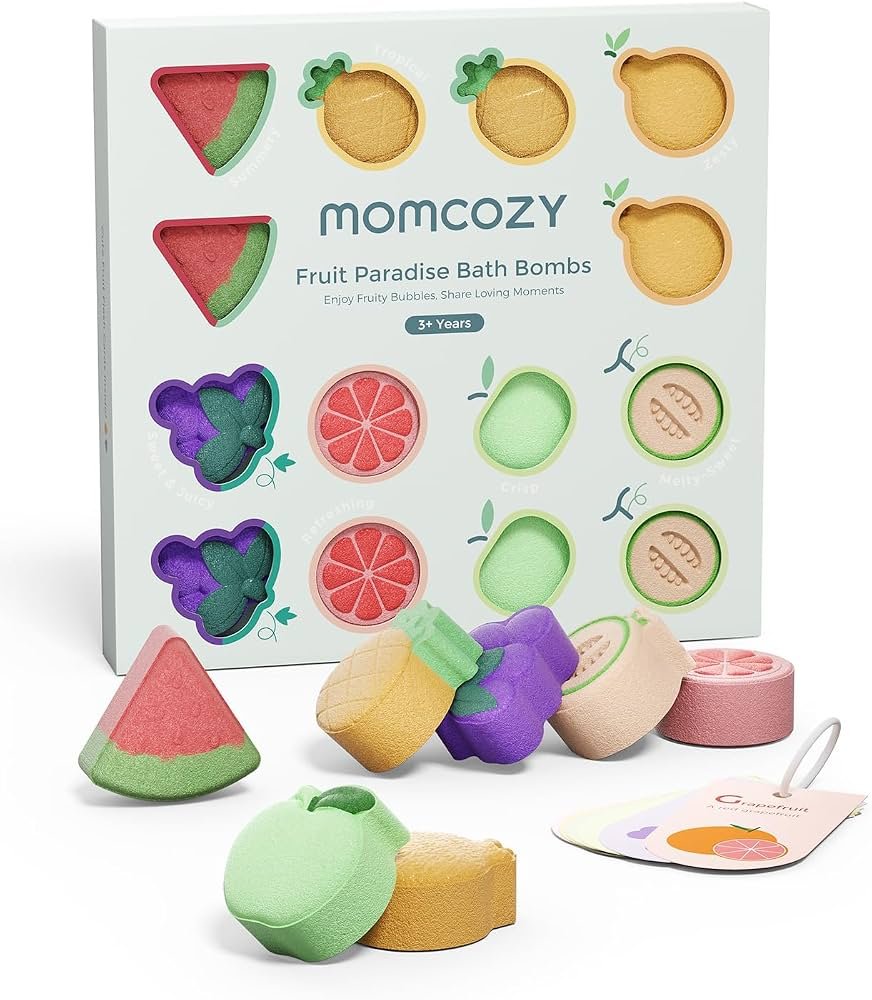
Can bath bombs cause skin irritation?
Yes, high concentrations of synthetic fragrances, artificial dyes, and preservatives can trigger contact dermatitis. People with sensitive skin should look for products scented only with pure essential oils and tinted with mineral clays. Always check the ingredient list on the packaging before soaking.
How long should you stay in a bath bomb tub?
About 15 to 20 minutes is the ideal soak time. Staying in longer than 25 minutes strips natural protective lipids from your skin, leading to post-bath dryness and itchiness. It also allows the bath water to cool, which stops your muscles from relaxing.
Is it safe to use bath bombs during pregnancy?
No, unless your obstetrician approves the specific essential oils listed on the box. Certain plant extracts like clary sage or high-dose rosemary can trigger uterine contractions. Keep the water temperature under 100°F to prevent overheating your core body temperature.
What happens if you don’t rinse off after?
You may develop dry, itchy patches or mild yeast irritation from residual citric acid and dyes.
Does water temperature change how the bomb works?
Yes, water above 104°F destroys delicate essential oil compounds before you can inhale them. Water below 98°F slows down the chemical fizz, leaving dense, undissolved chunks of baking soda on the bottom of the tub. Aim for a warm range between 100°F and 102°F.
Why do some bath bombs fail to fizz?
Old age or humid storage ruins the dry reaction. If the sphere absorbs moisture from your bathroom air during storage, the citric acid neutralizes the baking soda inside the wrapper. Always store unused bombs in dry, sealed containers.
Final Thoughts
Treating yourself to this simple ritual isn’t just about indulgence; it’s a gentle way to reset after a long day. You’ll find that even a quick soak helps you recharge your spirit. Next time you feel overwhelmed, pick a calming scent like lavender and let your worries drift away tonight.
Related guides






