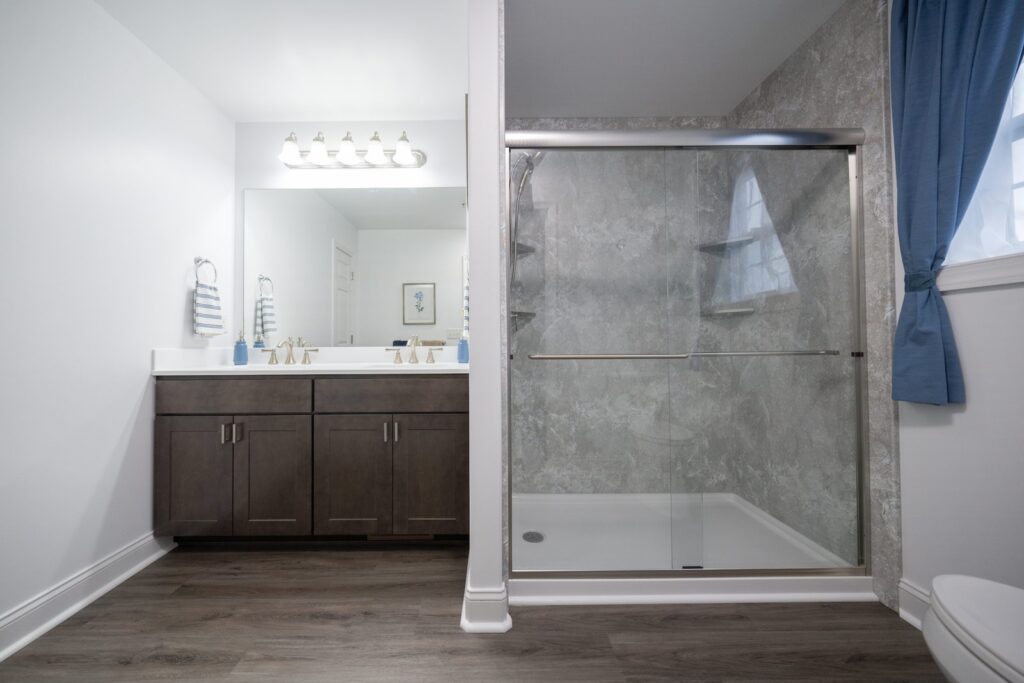
A homeowner looking up westshore bath com prices bathroom remodel can expect project estimates to start at a modest entry-level cost for basic wet-area liners and easily exceed a significant investment for full shower conversions with premium acrylic walls.
Table of Contents
Bathroom remodel prices at a glance
| If this is true | Repair | Replace |
|---|---|---|
| Surface has small surface scratches | Buff out marks quickly | Avoid paying new installation costs |
| Base acrylic shows deep hairline cracks | Patching rarely holds water pressure | Install new leak-proof shower pan |
| Fixtures are under current warranty | Manufacturer pays for certified parts | You’ll lose warranty coverage |
| Old tile mortar is crumbling behind wall | Spot fixing hides rotting wood | Tear out wet backer board |
| Valve leaks through decorative escutcheon plate | Replace inner cartridge stem easily | No need for full remodel |
| Household member now needs zero-threshold entry | Modifying old tub compromises safety | Install dedicated walk-in shower base |
When repairing is the right call
Choosing spot fixes works best when structural components remain dry and sound behind your walls. If your faucet drips or the temperature regulator fails, a licensed plumber can replace the mixing cartridge inside the existing valve assembly without tearing into the surrounding acrylic. That simple mechanical fix avoids touching the main wall panels entirely.
Resurfacing or chip repair also makes sense for minor cosmetic dings that haven’t penetrated the underlying fiberglass core. Kits sold for non-porous acrylic surfaces allow you to fill small chips using a color-matched compound, keeping moisture away from the drywall. You only need to verify that your shower pan doesn’t flex when you step on it. If the base remains stiff and the drain connection beneath the trap shows no active moisture, fixing individual trim pieces saves thousands over a tear-out. A simple repair isn’t for households needing major changes to entry thresholds or layout configurations, because patching surface flaws won’t solve mobility limits or deep layout problems.
When replacing is the right call
Tearing out the wet area becomes necessary once water leaks past the visual surface layer into the subfloor. When you step into a fiberglass or acrylic shower and feel the floor sink or squeak under your weight, the wood framing underneath has likely decayed. A common mistake people make is applying silicone caulk over crumbling seams, which traps moisture inside the wall cavity and causes structural framing damage that costs thousands more to rebuild later.
You also face a clear trade-off: keeping an old tub demands constant regrouting and harsh chemical scrubbing, while a fresh non-porous system cuts maintenance time down to a basic wipe. Complete replacement is the only safe path if you plan to convert a traditional tub into a roll-in shower for aging in place. When you decide to upgrade your fixtures, the EPA WaterSense showerhead specification sets certified models at a maximum flow of 2.0 gallons per minute to lower utility costs while maintaining water pressure. If pipe configurations need complete relocation, starting fresh avoids hidden pipe bursts down the line.
The costs people forget
- Assessment visits from remodelers often incur an upfront consultation or inspection fee if you decline their immediate estimate.
- Going without an operational shower for two or three days forces you to rely on gym memberships or family arrangements.
- Attempting a DIY patch that fails can lead to a secondary service call where a technician must first scrape away hardened sealant.
- Disposing of heavy porcelain-enameled cast-iron bathtubs usually requires a roll-off dumpster rental or extra dump tipping charges.
- Upgrading to modern multi-spray fixtures requires pulling municipal plumbing permits that carry separate inspection fees.
If you repair, ask this first
Before you agree to minor repairs on your bath system, confirm the technician provides a written guarantee covering both labor and parts. Ask whether the work requires cutting into the existing drywall from an adjoining room, because wall patching is rarely included in wet-area service quotes. You must also ask whether using aftermarket replacement parts will void any remaining factory warranty on your primary wall surrounds. If the job involves rerouting internal water lines or altering pressurized copper behind the surround, that step legally requires a licensed trade professional to avoid dangerous pipe bursts and code violations.
If you replace, look for this
Select heavy-gauge, non-porous acrylic or composite wall systems that carry antimicrobial surface protection to stop mold growth without bleach. Check for solid-core composite backer boards rather than hollow acrylic shells, as dense backing prevents wall panels from flexing and breaking internal adhesive seals. You should look for factory-molded slip-resistant floor patterns directly integrated into the pan rather than stick-on grip treads that peel over time. To verify actual impact strength, read the product data sheet on the manufacturer website before signing a contract.
Frequently asked questions
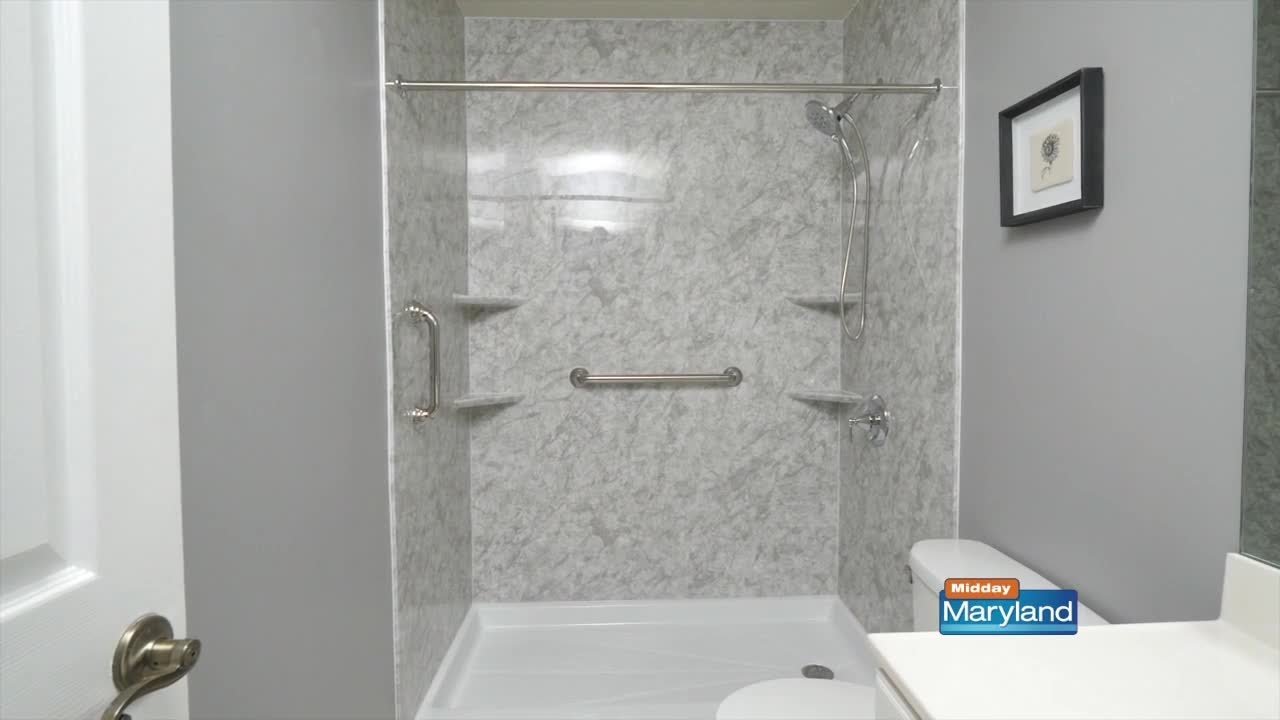
Can West Shore Home finish a bath remodel in one day?
Yes, straightforward tub-to-shower conversions typically finish within one working day. The company builds wall panels off-site to your space measurements, allowing technicians to tear out old enclosures and seal the new acrylic fixtures before the work day ends.
Why do bath remodel estimates vary so much?
Estimates shift because plumbing relocations, hidden subfloor water rot, and hardware upgrades change project labor dramatically. Choosing custom wall textures, built-in shower seating, or grab bars also increases the raw material requirements over a baseline white acrylic tub liner.
How long does a modern acrylic shower surround last?
Between twenty and thirty years when cleaned regularly with non-abrasive liquid soaps. Acrylic doesn’t crack like brittle tile grout, but harsh chemical bleaches or abrasive scouring pads will scratch the protective glossy surface and shorten its practical lifespan.
Is it safe to install a new shower over old tiles?
No, covering old tile walls with liners risks trapping residual moisture, mildew, and rotting wall studs beneath the new surround. A reputable installer completely strips your walls down to bare framing studs to confirm the interior wood remains structurally dry.
What happens if installers find mold behind my tub?
The installation pauses immediately so crews can replace soft wood studs and treat active microbial growth. Leaving mold trapped behind a watertight wall panel allows the rot to spread into adjacent floor joists, threatening the entire room’s structural foundation.
Does a walk-in shower conversion hurt home resale value?
No, replacing a worn secondary tub with a modern walk-in shower generally attracts modern home buyers. However, keeping at least one full bathtub elsewhere in the house remains necessary for families with young children or certain buyer demographics.
Final Thoughts
Choosing the right upgrade shouldn’t feel overwhelming, so don’t hesitate to reach out for a personalized consultation. You’ll find that speaking directly with a professional helps clarify your vision and budget. It’s a great way to ensure you’re getting exactly what you need to make your home feel brand new.