
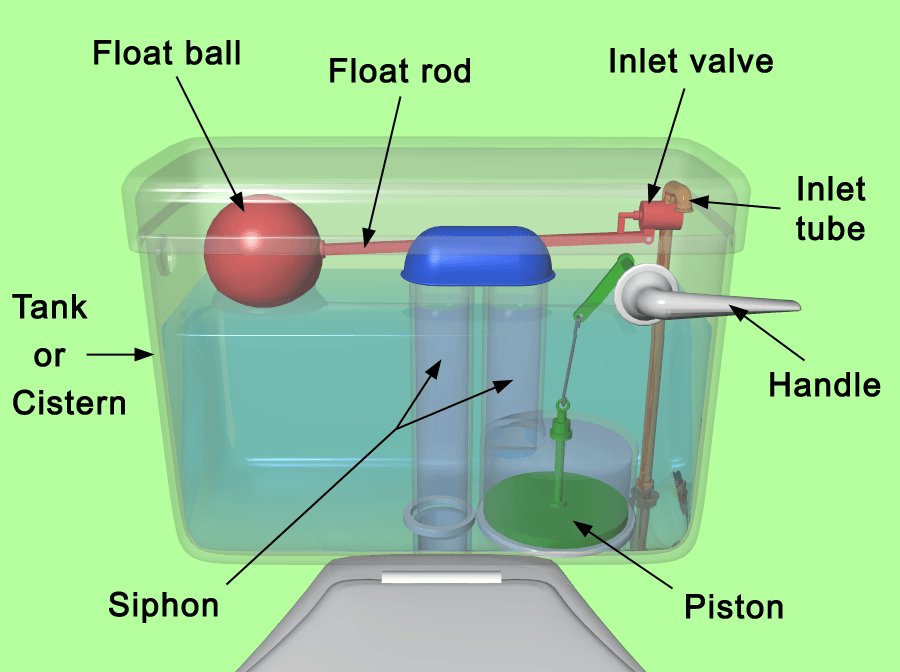
A misaligned flapper or a stuck float valve is usually the reason why your toilet isn’t filling up with water.
Table of Contents
Why your toilet isn’t filling with water
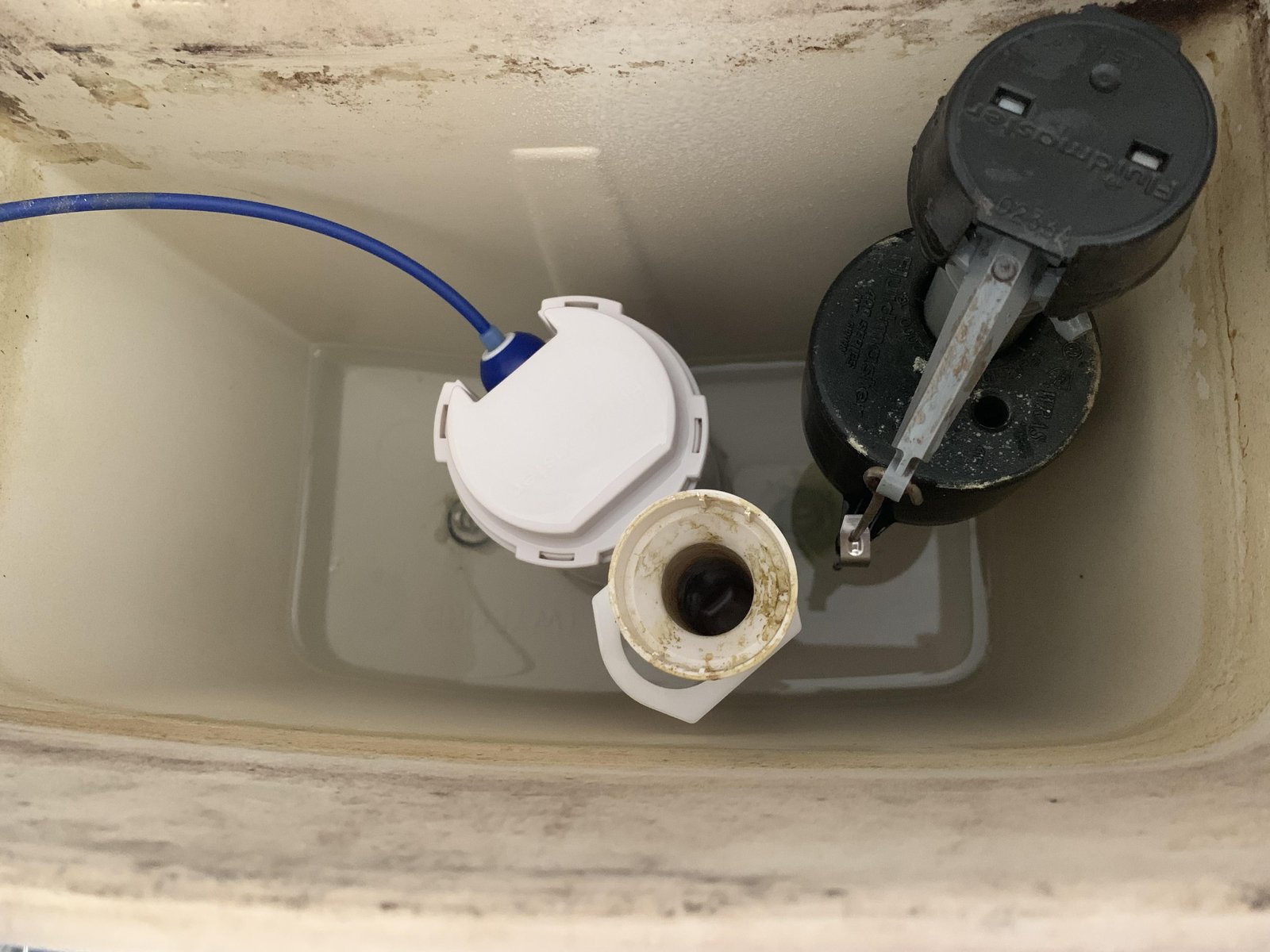
Use this table to match what you see in the tank to the right fix.
| What you notice | What it usually means | What to do first |
|---|---|---|
| Water runs straight into the bowl | Open or warped rubber flapper | Reseat or replace flapper |
| Tank is silent and totally empty | Closed shut-off valve on wall | Turn valve counterclockwise fully |
| Float stays down, no water enters | Clogged fill valve inlet | Flush debris from valve |
| Water hisses constantly from top tube | Float level set too high | Lower float adjustment screw |
| Tank fills very slowly over hours | Partially closed valve or sediment | Clear line or open valve |
| Flapper chain is tight and pulled | Chain caught on flush lever | Unhook and loosen chain |
| Water trickles out the overflow pipe | Fill valve seal failed | Replace the fill valve |
The float ball is stuck or set too low
Water stops entering the tank because the float mechanism signals the valve to shut off too early. When the float sits too low, the valve closes before the tank reaches its normal operating level, which leaves you without enough water for a proper flush. Look for the waterline mark stamped or molded into the back wall of the tank, usually about an inch below the top of the overflow pipe. If the water stops more than one inch below that mark, the setting is off.
To fix it, locate the adjustment screw on top of the fill valve arm. Turn the screw clockwise with your fingers or a screwdriver to raise the float height. If your toilet uses an older brass rod with a hollow ball, gently bend the metal arm upward by half an inch. Flush the toilet once and watch it refill. The fix worked if fresh water fills the tank quickly and shuts off cleanly right at the stamped manufacturer mark.
The rubber flapper is unseated or worn out
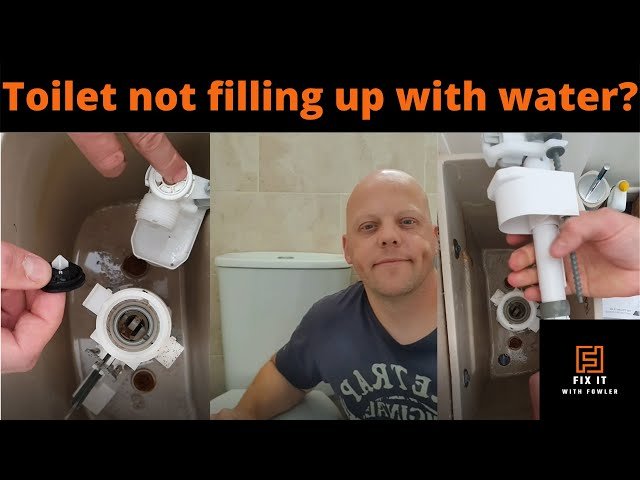
Water escapes into the bowl as fast as it enters because the rubber seal at the tank bottom failed to close. This happens when the rubber gets brittle from age or covered in mineral scale from hard water. According to the EPA WaterSense program guidelines, a worn flapper is the primary cause of silent household toilet leaks that waste hundreds of gallons. To tell this apart from a float issue, listen closely: a bad float keeps the tank quiet, while a bad flapper causes water to hiss constantly or cycle on and off every few minutes.
Press down lightly on the rubber flapper with a long stick or your finger. If the tank immediately begins to fill and hold water, the seal is your problem. Check that the small lift chain has some slack; if it’s tangled, untangle it; if it’s corroded, unhook the old rubber flap and install a new universal flapper. The repair worked when the tank holds its water level without any ripples in the toilet bowl.
The wall shut-off valve is closed or blocked
Water can’t reach the toilet because the supply line valve under the tank is shut off or plugged with pipe sediment. This usually occurs after household plumbing work when someone turns off the water and forgets to open it all the way. You can tell this apart from flapper and float problems because the tank will be completely bone-dry and silent, with zero water spraying from the fill tube.
Look underneath the left side of the toilet tank near the floor. You’ll see a small oval handle attached to the wall pipe. Turn this handle counterclockwise until it stops turning. If it’s already fully open, mineral grit may have choked the flexible hose. Replacing the hose solves the clog, but it carries a trade-off: a cheap plastic supply line saves money today, yet braided steel lines resist bursting much better over time. You know it worked when water rushes into the tank immediately.
When to stop and get help
Stop working on the toilet and call a licensed plumber if you notice any of these problems:
- The shut-off valve on the wall is frozen solid or leaks water onto your floor when you turn it, which risks a burst pipe.
- The ceramic tank has a visible hairline crack, which can suddenly split open and cause major flood damage.
- Water leaks out from the base of the toilet where it meets the bathroom floor tiles.
- The fill valve continues to vibrate loudly and shudder after you install a brand-new replacement unit.
This guide isn’t for people with hidden in-wall carrier systems or commercial pressure-assist tanks. Those setups use high-pressure vessels that require specialized plumbing tools to service safely.
Frequently asked questions
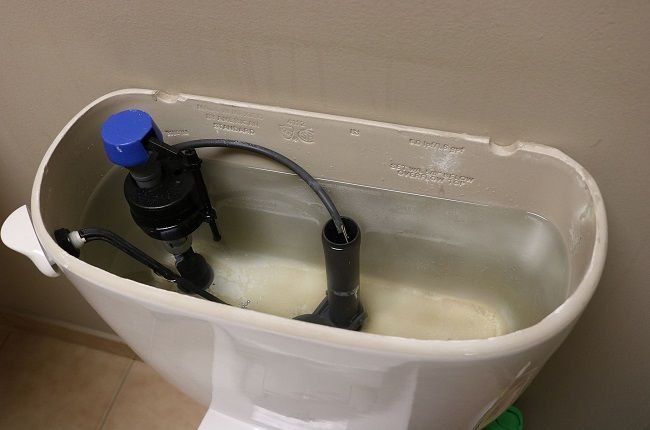
Can I flush my toilet if the tank has no water?
Yes. Pour about one to two gallons of water directly into the toilet bowl from a bucket. Dumping the water quickly creates the same siphoning action as pulling the flush handle, clearing the bowl completely without needing any water inside the tank.
Why is water running into the bowl but the tank won’t fill?
A warped or unseated flapper valve causes this problem. Water drains through the bottom hole into the bowl just as fast as the supply line adds it. Replacing the rubber flapper creates a tight seal so the tank can fill.
How long does a toilet fill valve usually last?
About five to ten years depending on your water quality. Mineral deposits and chemical drop-in bleach tablets harden the plastic parts and degrade internal rubber seals over time.
Is it safe to leave the toilet running if it won’t fill?
No. An open valve wastes thousands of gallons of clean tap water and spikes your utility bill. Shut off the small water valve located on the wall behind the toilet until you have time to inspect the tank components.
What happens if the refill tube is placed too deep in the overflow pipe?
The fill valve siphons water constantly out of the tank and down into the sewer. Keep the small flexible tube clipped safely above the rim of the hollow overflow pipe so air breaks the suction between tank flushes.
Does hard water stop a toilet from filling?
Yes. Calcium and scale build up inside the tiny screen filter at the base of the fill valve, cutting off water flow. Taking the valve apart and rinsing away the grit restores normal water pressure to the tank.
Final Thoughts
If the tank still won’t stay full after you’ve checked these parts, don’t hesitate to call a local plumber for help. It’s better to fix a small leak early than to deal with a massive mess later. You’ll save yourself a lot of stress by getting it handled quickly.






