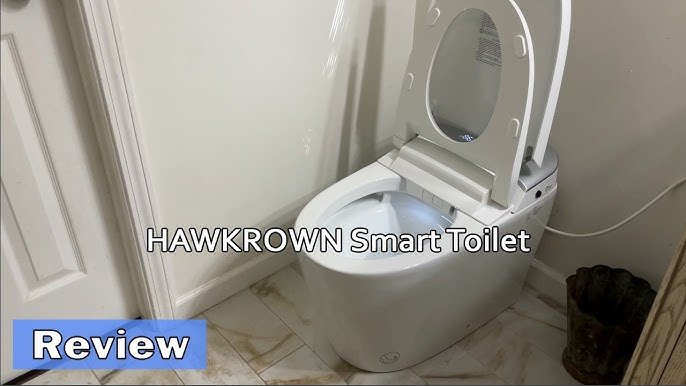
This honest hawkrown smart toilet review rates the unit as a capable budget bidet fixture that delivers core luxury features like heated seating, warm-water cleansing, and auto-flushing, but demands precise water pressure and a dedicated electrical line to perform properly. It’s built for homeowners seeking high-end bathroom convenience without paying luxury-brand prices. Real-world installation needs, plumbing thresholds, daily controls, and specific mechanical limits require a closer look before you commit your bathroom space to this all-in-one fixture.
Table of Contents
How the Hawkrown smart toilet works
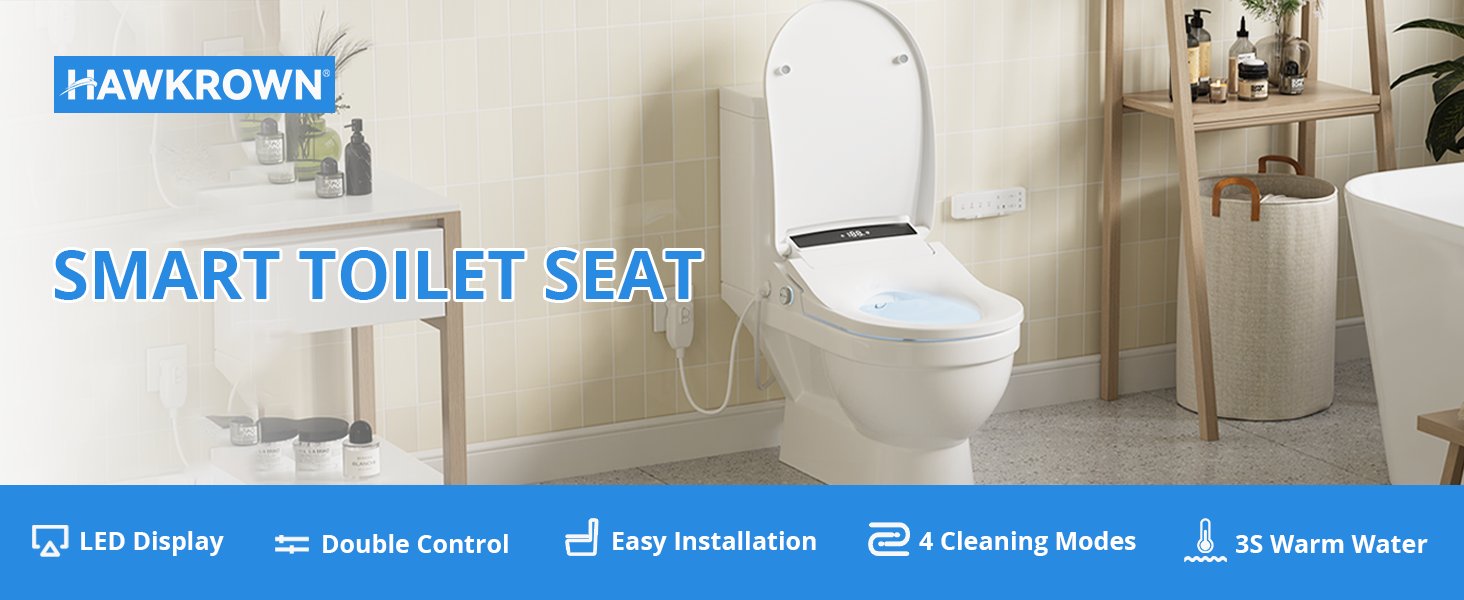
An integrated smart toilet combines a vitreous china bowl with an automated electric bidet system inside one single frame. It replaces the separate handheld sprayers, bolt-on plastic bidet seats, and wall-mounted tanks found in classic setups. The system washes the user with warm water, dries the skin with warm air, and flushes automatically using built-in motor pumps and electronic solenoid valves.
This unit is designed for remodelers who want touchless operation and improved daily hygiene. A common misconception is that the bidet uses recycled bowl water to clean you. It actually routes clean water directly from your home’s main potable supply line straight through a dedicated internal filter before it ever touches your skin. The bowl flush line runs on an entirely separate internal channel to keep personal hygiene safe.
The basic method
Installing and setting up this unit requires physical alignment, water testing, and careful electrical connections.
- Measure the rough-in distance from the finished back wall to the center of the floor drain bolts, ensuring you have at least 12 inches of clearance.
- Shut off the bathroom angle valve, flush the old toilet to empty the trap, and remove the old bowl completely.
- Clean the bare floor flange thoroughly and press a fresh wax ring or rubber seal firmly over the drain opening.
- Lower the ceramic unit straight down over the mounting bolts, keeping it level so you don’t crush the seal unevenly.
- Tighten the floor nuts by alternating sides with a hand wrench until snug; over-tightening cracks the ceramic base instantly.
- Connect the supplied braided metal hose to the shut-off valve, tightening it by hand plus one-quarter turn with pliers.
- Open the shut-off valve fully to let water fill the system, checking closely for 5 minutes around the base for any leaks.
- Plug the three-prong power cord into your grounded wall outlet, wait 30 seconds for the self-check cycle to run, and pair the remote.
The single judgement call that separates a smooth install from water damage is testing your dynamic supply pressure before bolting down the bowl. If a step involves adding a new electrical outlet near your water line, that task requires a licensed electrician to avoid fire and shock hazards.
Key numbers and settings at a glance
Here are the essential operating numbers, tolerances, and mechanical requirements for everyday use.
| Situation | What to use | How long | What to watch for |
|---|---|---|---|
| Standard wash cycle | Rear cleanse mode | 60 to 90 seconds | Nozzle drift or uneven spray patterns |
| Air drying after use | Warm air dryer setting 2 or 3 | 3 to 5 minutes | Lingering moisture before standing up |
| Winter seat warming | Heated seat level 1 (low) | Continuous standby | Excessive power draw on shared lines |
| Low house water flow | Auxiliary booster pump | Full flush cycle | Incomplete bowl evacuation or weak swirl |
| Routine nozzle rinse | Self-clean wand button | 15 to 20 seconds | Mineral scale blocking micro-jets |
| Power outage flush | Manual backup side button | Single press | Weak gravity siphon without battery backup |
What separates good results from bad ones
Plumbing preparation and rough-in space
Getting top performance comes down to checking rough plumbing before unpacking the box. Standard installations expect an exact 12-inch rough-in space; working with a 10-inch setup forces the heavy unit forward and prevents the waste outlet from seating cleanly over your floor pipe.
Water hardness and electrical planning
Dedicated planning prevents early hardware failures. Running the unit on hard domestic water without an inline polyphosphate filter clogs internal heating elements and calcifies the small spray nozzles within months. You also must separate your electrical line. Sharing a bathroom circuit with high-draw appliances like 1,800-watt hair dryers trips the breaker during an active wash-and-heat cycle. Keep the bidet on its own clean line to avoid mid-use power cuts.
Common problems and quick fixes
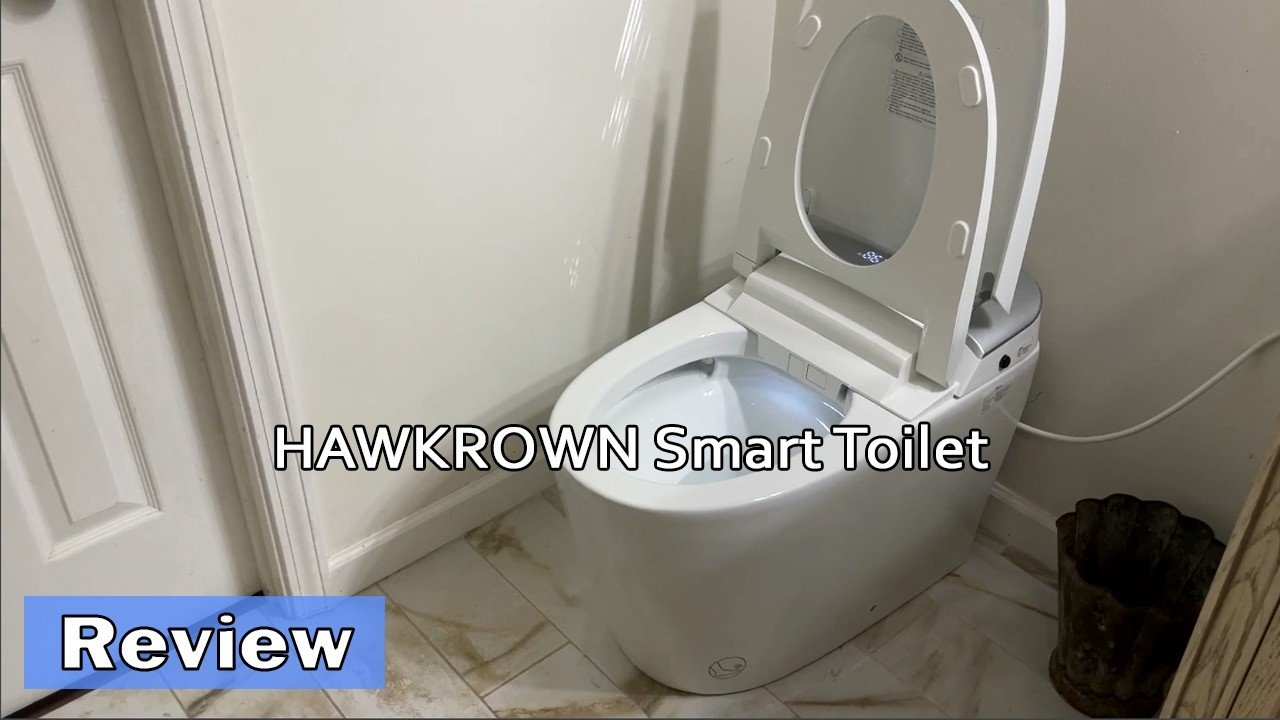
When the toilet stops working as expected, use this table to find the cause and resolve it fast.
| What you notice | What it usually means | What to do first |
|---|---|---|
| Weak personal spray pressure | Clogged inline intake mesh filter | Turn off the water, unscrew the hose, and clean the metal mesh screen |
| Flush doesn’t clear waste | House water flow is below the minimum threshold | Open the shut-off valve completely or check for pinched flexible supply hoses |
| Remote doesn’t change settings | Dead batteries or lost signal pairing | Replace the AAA cells and run the pairing button sequence on the side panel |
| Wand extends but no water flows | Thermal safety sensor tripped from low flow | Unplug the main power cord for 3 minutes to reset the internal logic board |
| Water keeps trickling into the bowl | Debris caught inside the electric flush valve | Cycle the flush 3 times to clear grit from the internal silicone seal seat |
Electrical codes and water protection rules
Installing an electric bidet fixture means obeying regional safety standards for water and high-voltage wiring. The National Fire Protection Association National Electrical Code requires a dedicated ground-fault circuit-interrupter (GFCI) outlet for bathroom electrical equipment located near plumbing fixtures. This special breaker cuts power within milliseconds if moisture touches the live wiring, protecting you from lethal shocks.
Plumbing codes also forbid direct, unprotected links between personal washing wands and domestic drinking water. Backflow prevention standards published by the American Society of Sanitary Engineering (ASSE) require verified air gaps or internal check valves so dirty toilet water can’t siphon backward into your home’s drinking pipes. If your bathroom lacks a GFCI outlet, hire a licensed electrician to install one according to local electrical codes.
Routine care and mineral cleaning
Keeping the smart toilet working cleanly requires simple, regular care rather than harsh bathroom chemicals. Wipe down the plastic bidet wand and ceramic bowl weekly using warm water and mild dish soap. Strong chemical cleaners, bleach tablets placed in the tank, and scouring powders will melt internal silicone gaskets and craze the plastic wand housing.
Mineral buildup shows up when the spray shoots sideways or feels noticeably weaker. Unscrew the small water filter attached to your inlet valve regularly, brush out trapped sediment with an old toothbrush, and rinse it under clean tap water. If you live in an area with severe hard water, inspect this mesh as part of your usual clean to prevent pump burnout.
When to use a different approach
This integrated unit isn’t the right choice for every bathroom setup:
- Renters and leaseholders: You can’t easily drill new holes, alter plumbing, or leave heavy porcelain behind; buy a removable bolt-on bidet seat instead.
- Homes with erratic power or low water flow: If your home relies on shallow well pumps or suffers frequent blackouts, you’ll lose auto-flush and heating; use a standard gravity-fed toilet paired with a non-electric bidet attachment.
- Tight, non-standard bathroom footprints: If your waste drain sits 10 inches or 14 inches from the wall, this rigid 12-inch frame won’t align with your plumbing.
Frequently asked questions

Can this smart toilet flush during a power outage?
Yes. If that battery dies, you can empty a bucket of water straight into the bowl to start a manual gravity flush.
Why is the heated seat cold when I sit down?
The seat enters an energy-saving sleep mode after periods of inactivity to save electricity. An internal skin sensor detects your body weight once you sit, warming the plastic to your chosen temperature within about 60 seconds.
Is it safe to use toilet paper with this bidet?
Yes, standard septic-safe toilet paper breaks down normally in the bowl. You won’t need much paper because the warm air dryer dries your skin after the wash cycle completes. Avoid flushing heavy wet wipes or paper towels.
How long does the warm water spray run?
The spray runs for roughly 90 seconds before shutting off automatically. If you want a longer wash cycle, press the wand button on your remote a second time to start another minute of continuous heated water.
What happens if the remote control stops working?
The bowl remains functional using the emergency control knobs mounted directly to the side of the housing. These manual switches allow you to trigger a basic rear wash, run the bowl flush, and stop cycles without using the remote.
Final Thoughts
If you’re ready to upgrade your daily routine, double-check your bathroom’s electrical outlet placement before placing an order. It’s a smart investment for your comfort, but you shouldn’t overlook the technical requirements. Once you’ve confirmed your space is ready, you’ll likely find that this fixture makes a refreshing difference.