A rocking base and water pooling around the bolts reveal that your toilet flange is broken.
Table of Contents
How to know if your toilet flange is broken
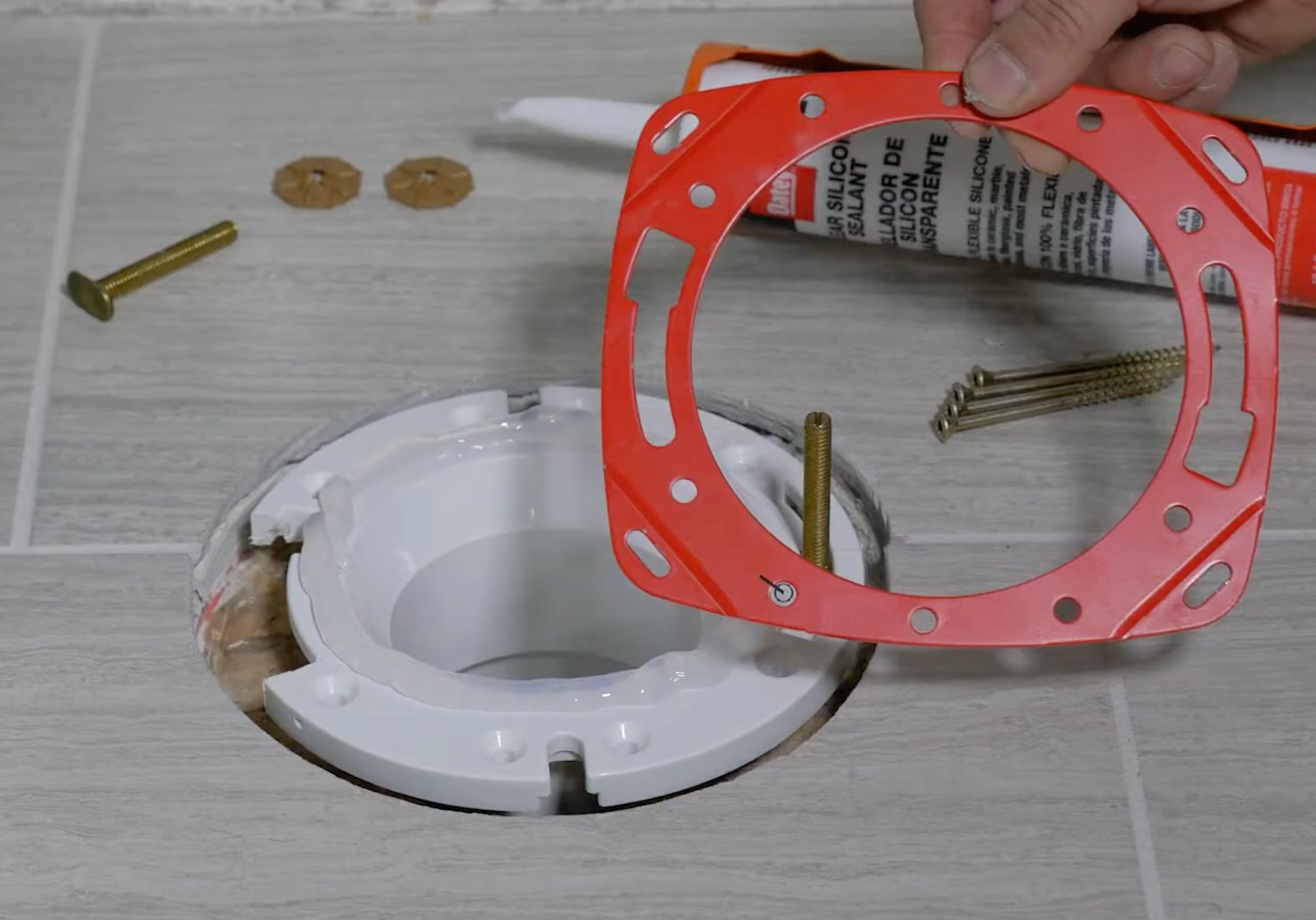
The way your toilet moves or leaks tells you which part of the fitting failed.
| What you notice | What it usually means | What to do first |
|---|---|---|
| Toilet rocks side to side | Broken flange bolt slot | Check both bolt caps |
| Water pools after flushing | Wax seal broke open | Shut off water valve |
| Sewer gas smell persists | Broken seal or flange | Sniff base near floor |
| Bolt spins without tightening | Cracked PVC flange track | Remove bolt plastic cap |
| Base sits above floor | Flange mounted too high | Check gap with coin |
| Floor feels spongy nearby | Subfloor rotted from leaks | Step around bowl base |
| Brown water on ceiling below | Flange cracked through pipe | Check ceiling under bathroom |
Cracked bolt slots on the collar
Over-tightening closet bolts cracks the flange ring because thin plastic or rusted cast iron can’t handle high downward force. A simple check needs no tools at all: pry off the plastic bolt caps and look at the metal bolts. If one bolt leans flat or lifts straight out of the floor when pulled, the channel holding it has broken.
The fix requires lifting the toilet, cleaning off the old wax, and securing a split-ring repair bracket under the broken lip. If the pipe itself stays intact, install a steel support ring; if the main pipe is cracked below floor level, replace the entire drain connection. A solid repair offers a clear trade-off: a two-piece repair ring saves hours of cutting pipe, but it leaves older, brittle plastic beneath it. This DIY path isn’t for homeowners with corroded cast-iron hubs, which break easily under standard hand tools. People often tighten new bolts until they hear a pop, breaking the new bracket instantly and wasting another wax ring. You’ll know the repair worked when both bolts torque down firm and the bowl can’t wiggle.
Flange set at the wrong height
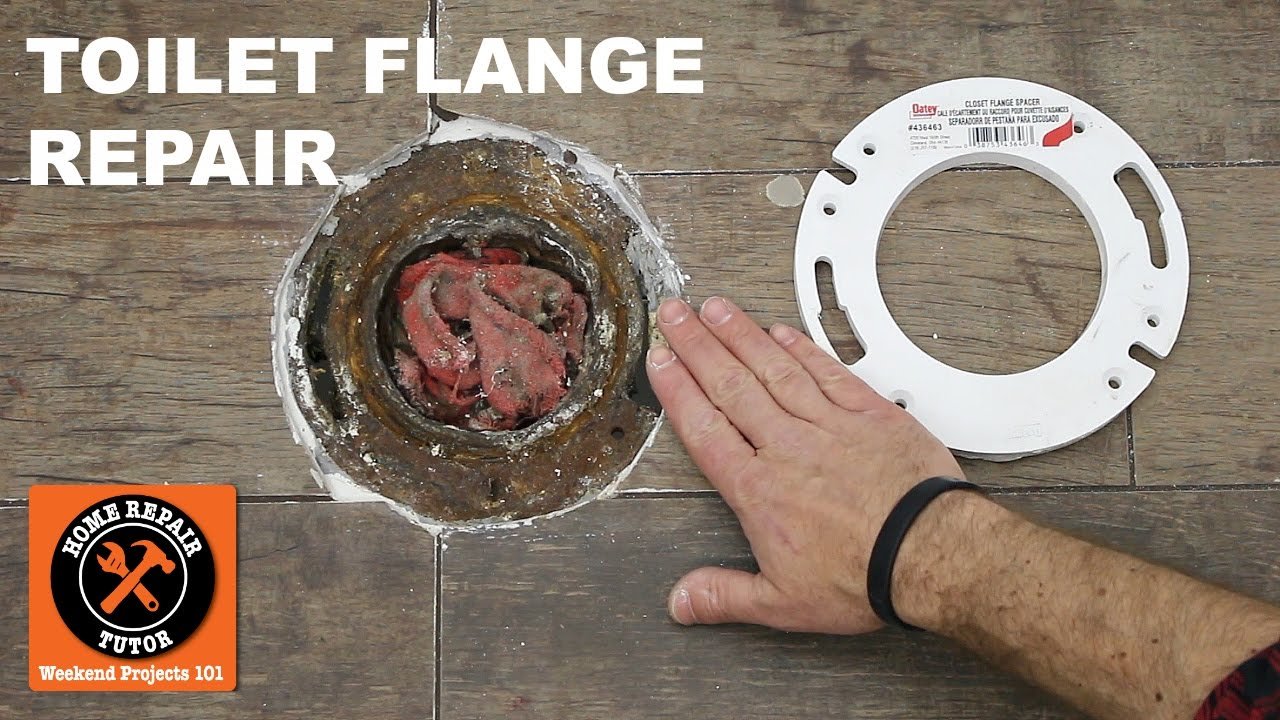
A flange installed below the finished floor breaks the seal because standard wax rings can’t bridge a deep gap. You can confirm this depth without fancy gear: slide a standard US quarter into the seam under the porcelain rim. If the coin slips freely under the toilet bowl before touching porcelain, the flange sits sunken beneath the tile layer.
Unlike cracked bolt tracks that cause immediate rocking, a sunken flange often stays rigid while leaking dirty water secretly under your floorboards. According to the International Association of Certified Home Inspectors bathroom inspection guide, persistent bathroom plumbing leaks rot structural framing and ruin subflooring. The fix involves stacking an extender ring with silicone sealant on top of the old flange, bringing the surface 0.25 inches above your finished floor. Keep in mind this varies by model — check the label on your replacement flange kit for its maximum stack height. You’ll know it worked when the new wax compresses firmly as you set the bowl down.
Corroded metal ring separation
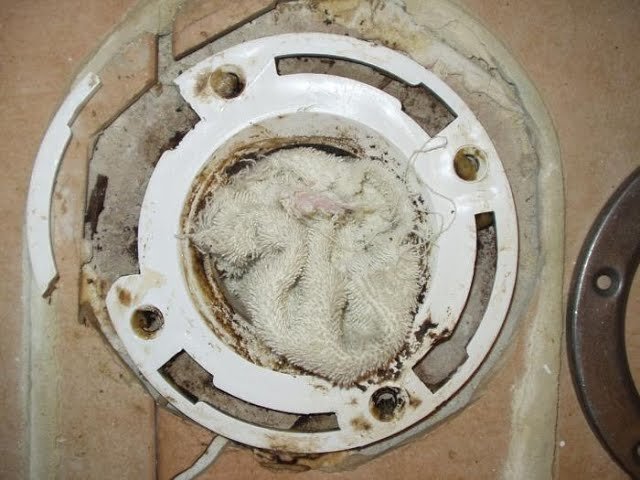
Older brass or cast-iron flange rings slowly rust through from constant contact with condensation and sewer vapors. To tell this apart from plastic slot cracks or poor height, look underneath the bolt washers with a flashlight; iron rings disintegrate into dark, flaky chunks, while PVC flanges break in single, clean lines.
The fix requires unscrewing the corroded ring remnants from the subfloor and anchoring a stainless steel replacement collar directly over the original pipe hub. Drill fresh pilot holes into clean wood, avoiding the rotten screw holes left behind by the old rusty flange. A solid installation finishes with the new metal sitting flat, clean, and flush against the pipe edge. You’ll know the job succeeded when the bolts are tightened firmly enough to prevent movement without cracking the porcelain base.
When to stop and get help
Call a licensed plumber the moment your inspection reveals damage beyond a surface crack:
- The subfloor around the waste pipe is soft, black, or sagging, which means the wood joists can’t hold the weight of a water-filled toilet.
- The cast-iron drain pipe below the flange is cracked vertically, since fixing deep cast iron requires specialized chain cutters and torch work.
- Sewage water drips through the ceiling of the room below, which shows the main waste line has separated from the drainage stack.
- The closet bolts won’t loosen because of heavy rust, and using an open flame or power grinder near bathroom gases risks starting a fire.
Frequently asked questions
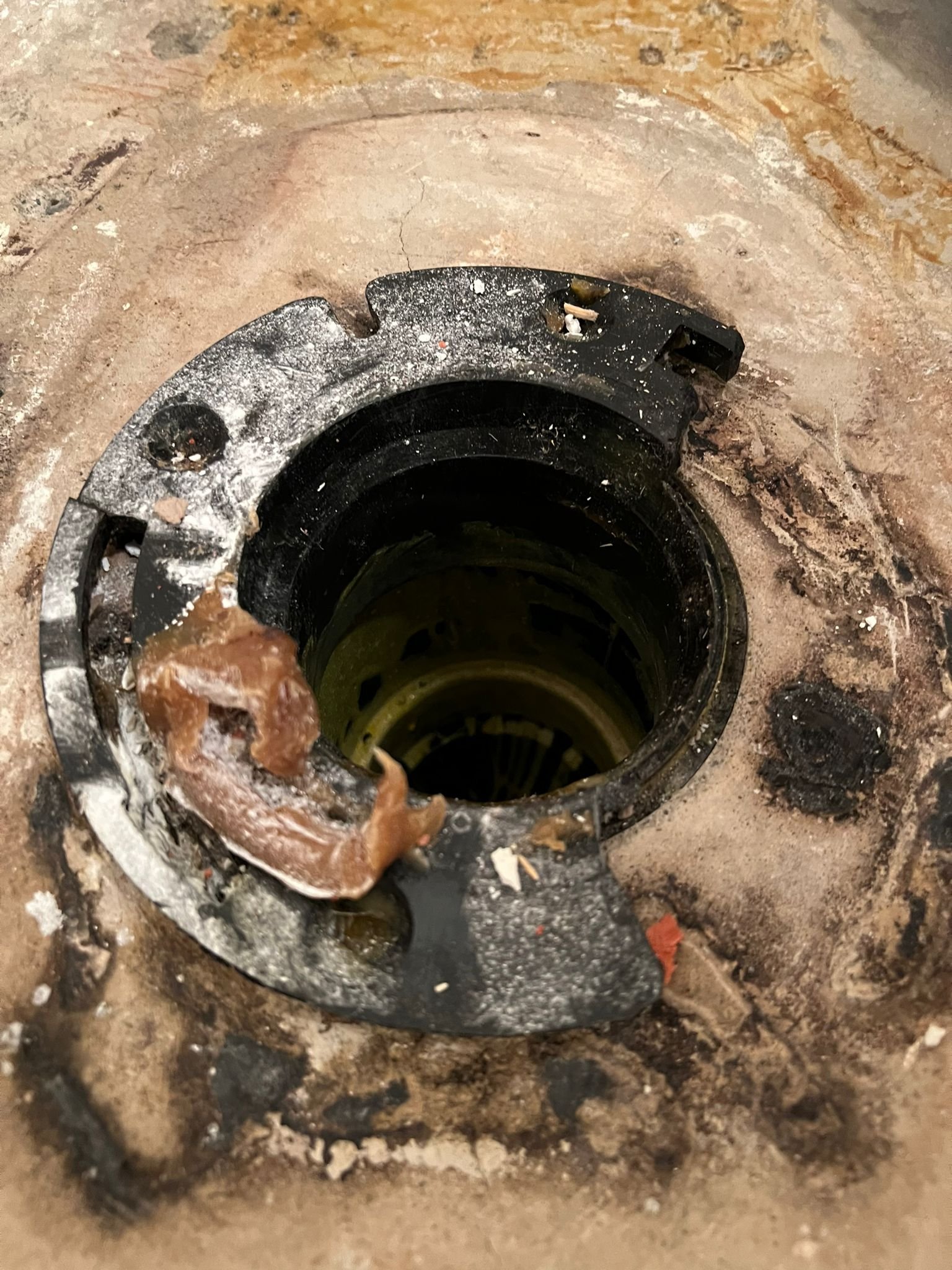
Can you fix a broken flange without replacing it?
Yes, you can install a metal repair ring directly over the damaged slots. The reinforcement bracket screws into the solid subfloor, clamping the broken lip down. This saves you from cutting your main drain pipe, as long as the lower pipe wall remains completely free of cracks.
Is it safe to use a toilet with a broken flange?
No, because every flush spills contaminated wastewater across your subfloor. The toilet will rock under your body weight, which tears the wax gasket apart completely. That movement lets toxic sewer gas flow freely into your home air until the connection gets replaced.
Why does my toilet rock after tightening bolts?
The flange ring has likely broken under the floorboards, letting the bolt slide up freely. Tightening the nut pulls the bolt upward rather than pressing the porcelain down. You must pull the toilet off the floor to replace the snapped plastic or rusted metal ring underneath.
How long does it take to repair a toilet flange?
About 2 hours for a standard replacement if your subfloor has no water damage. That window gives you enough time to turn off the water, unbolt the bowl, scrape off the old wax, screw down a reinforcement ring, and reset the porcelain onto a fresh seal.
Does a toilet flange go inside or outside the pipe?
It depends on the specific flange design; some are designed to fit inside the pipe, while others fit over the outside. Measuring your pipe opening confirms the correct fitting size. Choosing the wrong orientation restricts toilet waste flow or prevents the bottom hub from sliding into place properly.
What happens if a broken flange goes ignored?
Rotted subflooring and black mold spread across your bathroom structure within several months. The slow wastewater leak destroys wood joists under the tile. Eventually, the floor softens so much that the heavy toilet can crack through the subfloor, creating a hazardous structural emergency.
Final Thoughts
If you aren’t feeling confident about tackling this repair yourself, don’t hesitate to call a local plumber. They’ll have the right tools to secure your toilet properly so you won’t have to worry about leaks again. It’s better to get it fixed quickly before the damage to your floor gets worse.