
To toilet train a puppy at night, set an alarm for every 2 to 4 hours, take your pup directly to one outdoor spot on a leash, and keep every trip silent and boring. This routine suits young puppies between 8 and 16 weeks old who can’t physically hold their bladder until sunrise.
Table of Contents
What you’ll need

- A wire crate sized so your puppy can stand, turn around, and lie down, but not pace (a divider panel lets you expand it as they grow).
- A standard 4-foot to 6-foot nylon leash (avoid retractable cords, which let puppies wander and play).
- An enzymatic cleaning spray designed specifically for dog urine; standard household cleaners leave scent marks behind that invite repeats.
- Small, quick-swallow training treats stored in a sealed jar near the door.
- A battery-powered night light or dim flashlight so you can move without turning on bright overhead bulbs.
An old bath towel works fine as simple bedding, but plush dog beds don’t work well because pups often chew them or soil them when stressed.
Step-by-step
- Remove your puppy’s water dish 2 hours before your own bedtime to reduce overnight bladder pressure.
- Walk your puppy on a leash to their designated toilet area for 5 minutes right before you close your crate door.
- Place the crate right beside your bed so you can hear them whine, but don’t let them wander your bedroom floor.
- Set your alarm for 3 hours after you go to sleep; for an 8-week-old puppy, set it for every 2.5 hours instead.
- Clip the leash onto your puppy’s collar inside the crate the second your alarm sounds, then carry them straight outside to their spot. Careful: Don’t speak warmly, cuddle, or turn on bright hall lights, because your pup will treat nighttime as playtime.
- Stand completely still in your yard for 4 minutes and let the leash go slack so they focus only on sniffing the ground. Tip: Give your puppy exactly 1 small treat and one quiet whisper of praise immediately after they finish squatting, not after walking back inside.
- Return your puppy directly into the crate, latch the door shut, and go straight back to sleep without lingering.
This routine assumes an average healthy pup. If your puppy strains, cries while urinating, or produces blood, pause home training immediately and consult a licensed veterinarian to check for a urinary tract infection.
Night schedule by puppy age
Nightly bathroom needs shift as your dog’s bladder muscles mature and gain physical control.
| Puppy Age | Night Alarms Needed | What Changes | Watch Carefully |
|---|---|---|---|
| 8 to 10 weeks | 2 or 3 trips per night | Very small bladder capacity | Restless pawing at crate door |
| 11 to 14 weeks | 1 or 2 trips per night | Longer stretches of deep sleep | Whining that starts suddenly |
| 15 to 17 weeks | 1 trip or zero trips | Better muscle control | Barking from boredom vs. full bladder |
| 18+ weeks | 0 trips (6 to 8 hours) | Can hold urine until early morning | Pacing if water was given late |
It’s much safer to set an alarm too early and wake a sleeping puppy than to push the window too far and clean up a wet crate.
How to tell you did it right
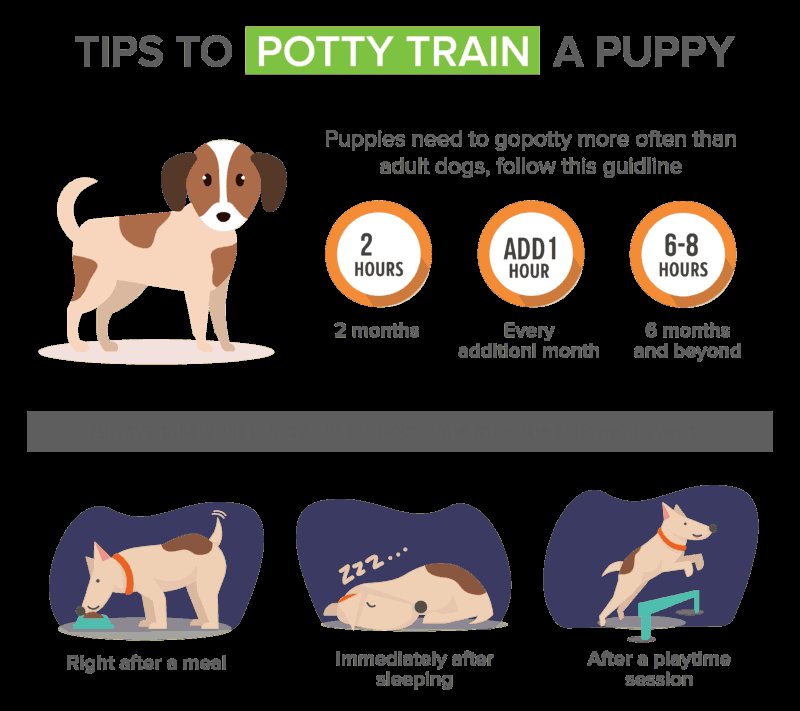
A successful night routine means your puppy empties their bladder within two minutes of stepping outside, returns to the crate without fussing, and sleeps on dry bedding until your alarm goes off. A poor result looks like soaked towels, constant howling at 3:00 AM, and an excited puppy who tries to run around the grass instead of crouching. This breakdown usually happens because owners treat nighttime outings like daytime play sessions, which stimulates the puppy’s nervous system and stops their bowels from relaxing. You can prevent this mistake by keeping the lights off, staying completely quiet, and carrying your puppy across the house so their paws don’t trigger daytime running habits.
Nighttime containment guidelines and cleanup
The Humane Society of the United States puppy guidelines advise that a crate must never be used as a punishment and should only be large enough for the animal to lie down comfortably. If the space inside is too wide, puppies will pee in one corner and sleep in the opposite corner. When accidents do happen, take the bedding straight to the washing machine and soak the crate tray in an enzymatic cleaner for 10 minutes before wiping it down. If you skip this chemical soak, lingering uric acid crystals will tell your pup’s nose that the crate is a proper bathroom zone. A solid night routine usually shows clear results within two to three weeks of steady work.
Alternative overnight methods
Pen with puppy pads
Set up a small exercise pen attached to an open crate, placing absorbent pee pads on one side. This method suits apartment owners without quick yard access, but it trades immediate convenience for a much slower transition to real outdoor grass later on.
The bedside tether
Clip a short 3-foot leash to your bed frame and let your puppy sleep on a dog mat right beside you. This stops wandering while avoiding a closed crate door, though you risk soiled carpets if you sleep through subtle stirring.
Professional overnight board-and-train
Leave your puppy with a certified professional dog trainer for two weeks of intensive schedule building. This option saves you from broken sleep entirely, but it requires substantial money and you must still enforce the exact same routine once your dog comes home.
Frequently asked questions
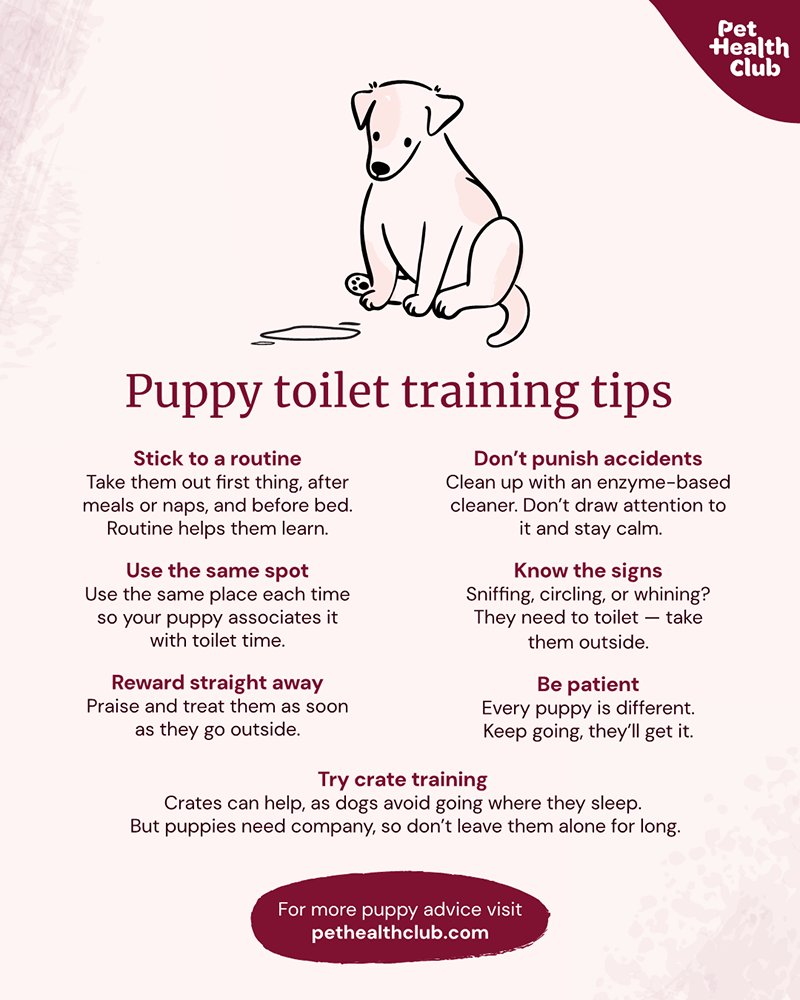
Can I leave a bowl of water in the crate overnight?
No, you should remove standing water two hours before bedtime to stop the bladder from filling during sleep. Leaving a full water bowl in the crate almost guarantees your puppy will need extra emergency trips outside, which resets their training progress and breaks their resting cycle.
Why does my puppy cry in the crate at night?
Puppies cry because they feel isolated from their litter or because their bladder is uncomfortably full. If they went outside five minutes ago, they’re simply seeking attention; if they have slept quietly for three hours, that whine means they urgently need to relieve themselves outdoors.
How long can an 8-week-old puppy hold their pee overnight?
An 8-week-old puppy can hold their pee for about two to three hours during the night. Their kidneys continue producing urine while they rest, and their tiny bladder muscles lack the physical strength to hold liquid beyond that short window without painful cramping or accidental leaking.
Is it safe to ignore a puppy crying in the crate at night?
Yes, but only if you just took them out to pee and confirmed their basic physical needs are met. If you run to the crate every single time they whine, you teach them that crying controls your actions, which turns brief nighttime protests into a lasting habit.
What happens if I use a crate that’s too big?
Your puppy will use one side of the crate as a bedroom and the other side as a private bathroom. Dogs naturally avoid sleeping in their own waste, so keeping the crate snug is the main tool that forces them to hold their bladder until you unlock the door.
Can I use puppy pads inside the crate?
No, putting pads inside the crate teaches your puppy that their sleeping den is an acceptable toilet area. This mistake ruins their natural instinct to keep their bed clean, which makes crate training take twice as long and leads to messy bedding you must wash daily.
Final Thoughts
Consistency is key, but don’t worry if you have an occasional accident along the way. It’s all part of the learning process for both of you. Once your little friend starts sleeping through the night, you’ll finally get some well-deserved rest. You’re doing a great job, so just keep going.
Related guides
- Why You Should Always Flush the Toilet Before Using It
- Cheapest Place to Buy Toilet Paper Near Me: Where to Save
- Can You Sit on a Toilet Seat Lid? Safety and Weight Limits