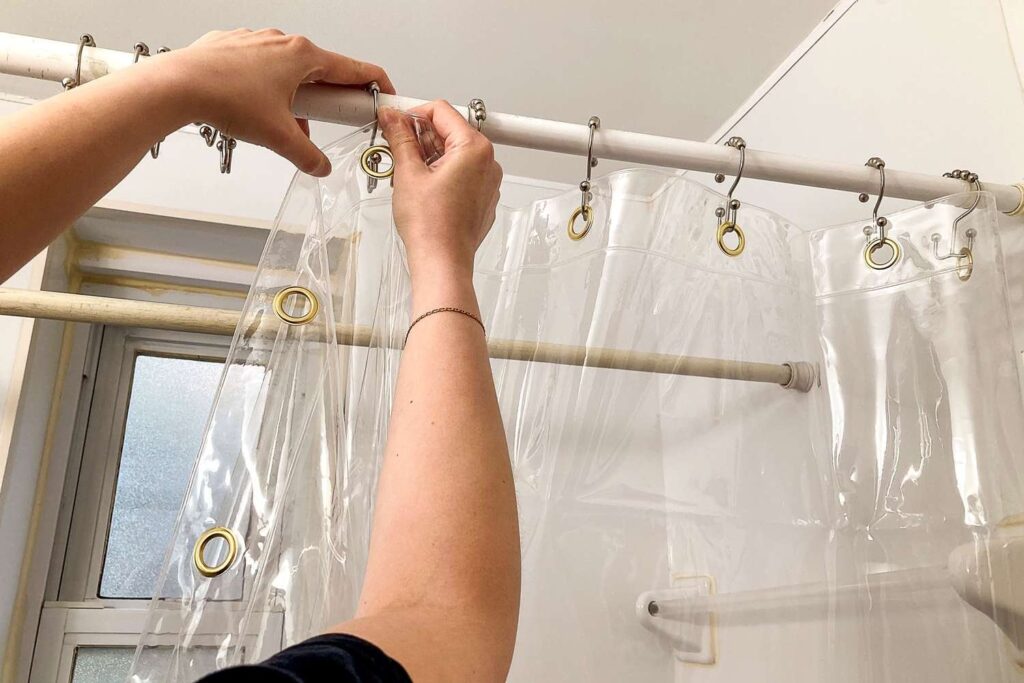
A quality setup pairs a heavy decorative outer fabric with an inner barrier that stays anchored, and this high end shower curtains with weighted liner my complete review shows that hem weights of at least 2 to 3 ounces stop the liner from billowing inward. Premium sets usually feature cotton pique, linen, or waffle-weave textiles paired with polyester or PEVA backing. This guide details proper fabric weights, hanging mechanics, tub clearances, and mold-prevention steps for daily use.
Table of Contents
Evaluating shower curtain fabrics and weighted liners
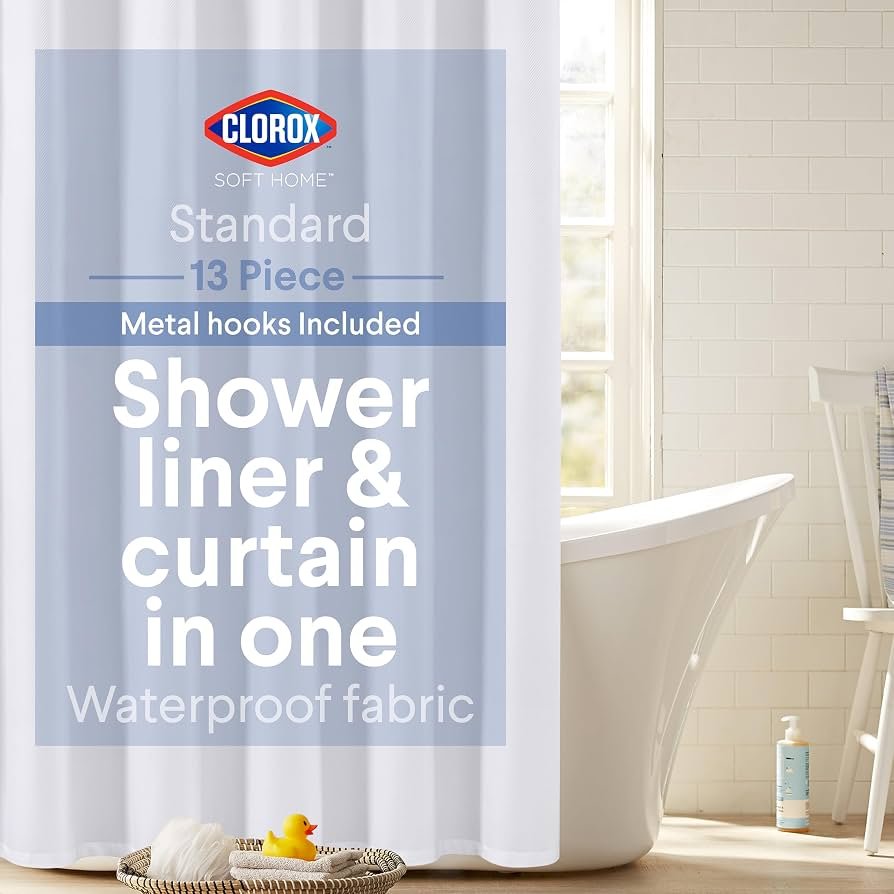
A luxury shower curtain setup uses two distinct layers to balance bathroom appearance with water containment. The outer decorative curtain provides texture and color, while the interior weighted liner shields the room from spray. Heavy liners use either encased glass spheres, lead-free iron weights, or ceramic magnets sewn directly into the bottom edge.
Many shoppers assume any thick curtain will repel water on its own without needing an interior layer. Untreated decorative cotton or linen absorbs water quickly through capillary action, which lets moisture soak straight through to the bathroom floor.
The real mechanical problem inside an active shower is air pressure. Running hot water heats the surrounding air inside the stall, causing that warm air to rise rapidly toward the ceiling. Cooler air from the bathroom rushes underneath the curtain hem to replace it. Without sufficient physical weight or magnetic anchoring at the bottom hem, this draft pushes the flexible liner straight against your body during every shower.
The basic method
Installing and testing a weighted two-piece curtain system takes about 20 minutes using standard tools.
- Measure your tub enclosure from the rod down to the floor using a standard tape measure.
- Position the shower rod so its center rests exactly 75 to 77 inches above the bathroom floor, leaving room for standard 72-inch rings and curtains.
- Thread double-sided roller rings onto the rod, placing the decorative hook side facing outward toward the bathroom.
- Hang the weighted liner on the inner hooks, checking that the weights face inward toward the tub interior.
- Hang the outer decorative curtain on the exterior hooks so it covers the liner completely.
- Step inside the stall and measure the bottom edge: the liner must hang 2 to 3 inches below the interior tub rim, while the outer curtain hangs 1 to 2 inches above the exterior floor.
- Turn the shower on hot for 3 minutes to test whether the rising air moves the liner inward.
The single judgement call that separates a good result from a bad one is your rod mounting height. If you mount the rod too high, the weighted liner pulls clear of the tub rim and lets water pour onto the floor. If you work with fixed tile walls that require drilling structural anchors, hire a licensed contractor to avoid cracking your bathroom tiles.
Key numbers and settings at a glance
Proper installation depends entirely on your specific bathroom layout, tub construction, and stall width.
| Situation | What to use | How long | What to watch for |
|---|---|---|---|
| Porcelain-enameled cast iron tub | Liner with magnetic hem weights | Standard 72-inch length | Liner snapping firmly against tub wall |
| Acrylic or fiberglass alcove stall | Liner with 3-ounce non-magnetic glass weights | Standard 72-inch length | Weights resting fully inside basin curve |
| Freestanding clawfoot tub | 180-degree wraparound polyester curtain | 84-inch extra-long length | 360-degree overlap to prevent corner leaks |
| Walk-in barrier-free shower | Heavy 300 GSM weighted fabric curtain | 78 to 84-inch custom drop | Hem clearing floor drain by 1 inch |
| Curved expansion rod setup | 72-inch width with reinforced grommets | Standard 72-inch length | Extra tension pulling curtain off center |
What separates good results from bad ones
Preparation and hardware selection
Experienced homeowners avoid cheap, single-prong shower hooks that force both layers onto one point. Double-sided roller rings let you slide the liner back and forth without shifting the decorative outer curtain. Always wipe down the inner tub ledge with rubbing alcohol before hanging a new magnetic liner so soap scum doesn’t prevent a firm grip.
Proper positioning and hem clearance
Check the bottom hem while standing outside the tub with the water running. The outer curtain must stay completely outside the tub basin to remain dry, while the weighted liner must hang securely inside the basin. Never let a fabric outer curtain touch the floor, because it will wick standing puddle water, collect dust, and stain within a week. A common mistake people make is tucking both the curtain and the liner inside the tub basin together. This traps standing moisture between the two fabrics, ruining expensive cotton weaves with black mildew stains within a single month.
Common problems and quick fixes
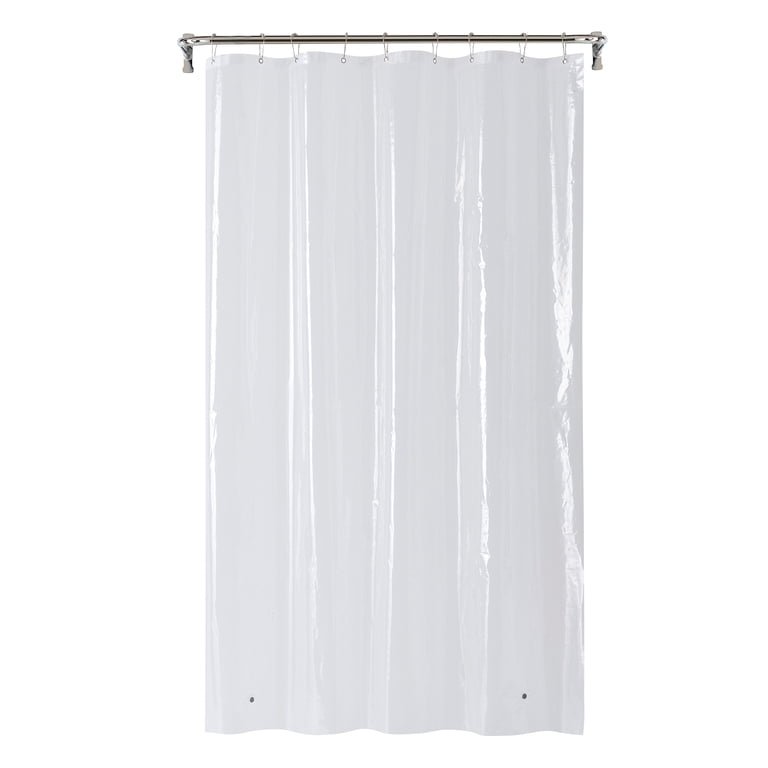
Most issues arise from incorrect drop lengths or mineral buildup on the hem weights.
| What you notice | What it usually means | What to do first |
|---|---|---|
| Liner billows inward against your legs | Hem weights are too light for stall draft | Add clip-on shower weights to bottom seam |
| Magnets don’t grab tub wall | Tub material is acrylic, stone, or fiberglass | Switch to weighted lead-free glass pellet liners |
| Water pools on exterior floor | Liner is mounted too high above tub lip | Lower adjustable tension rod by 2 inches |
| Red or black spots along bottom edge | Trapped moisture causing fungal growth | Wash liner in warm cycle with mild detergent |
| Outer curtain gets damp during shower | Liner fabric lacks water-repellent coating | Replace inner barrier with high-density polyester |
Bathroom moisture and ventilation guidelines
Tightly sealed bathrooms hold high humidity levels that ruin natural curtain fibers like cotton, linen, and silk. The EPA indoor air quality guidance on mold advises keeping indoor relative humidity between 30 and 50 percent to prevent fungal growth on fabrics and walls.
Standard decorative textiles don’t carry antimicrobial ratings unless treated with specialized fluorochemical finishes. If your shower curtain hangs in an unventilated room without an exhaust fan, you’ll need to replace or wash natural fiber curtains far more frequently. If your bathroom lacks a ducted mechanical exhaust fan, consult a licensed residential electrician to install an overhead ventilation unit that meets local building codes.
Washing and fabric maintenance
To keep your shower setup clean, pull the curtain and liner fully shut across the rod after every shower so air circulates through the folds. When left bunched against the wall, wet fabric stays damp for hours.
Check the bottom hem monthly for pink bacterial residue or dark mold specks. Machine wash fabric liners every 30 to 60 days using warm water, regular laundry detergent, and a gentle cycle. Never run weighted liners through a high-heat tumble dryer, because high heat melts waterproof poly coatings and loosens glued hem weights. Hang the liner back on the shower rod immediately after washing so it dries flat without deep creases.
When to use a different approach
This curtain setup is the wrong choice for barrier-free, curbless wet rooms that lack a raised threshold. Without an interior basin edge, weighted liners can’t block water from flowing across flat tile floors. In zero-threshold showers, install a hinged tempered glass door or a permanent glass sweep instead.
This approach is also not for small children’s bathrooms where kids pull down on fabric to climb into the tub. Heavy tugging on weighted curtains tears rod brackets straight out of drywall. In high-abuse family bathrooms, fixed sliding bypass doors provide better safety and hold up to rough daily treatment.
Frequently asked questions
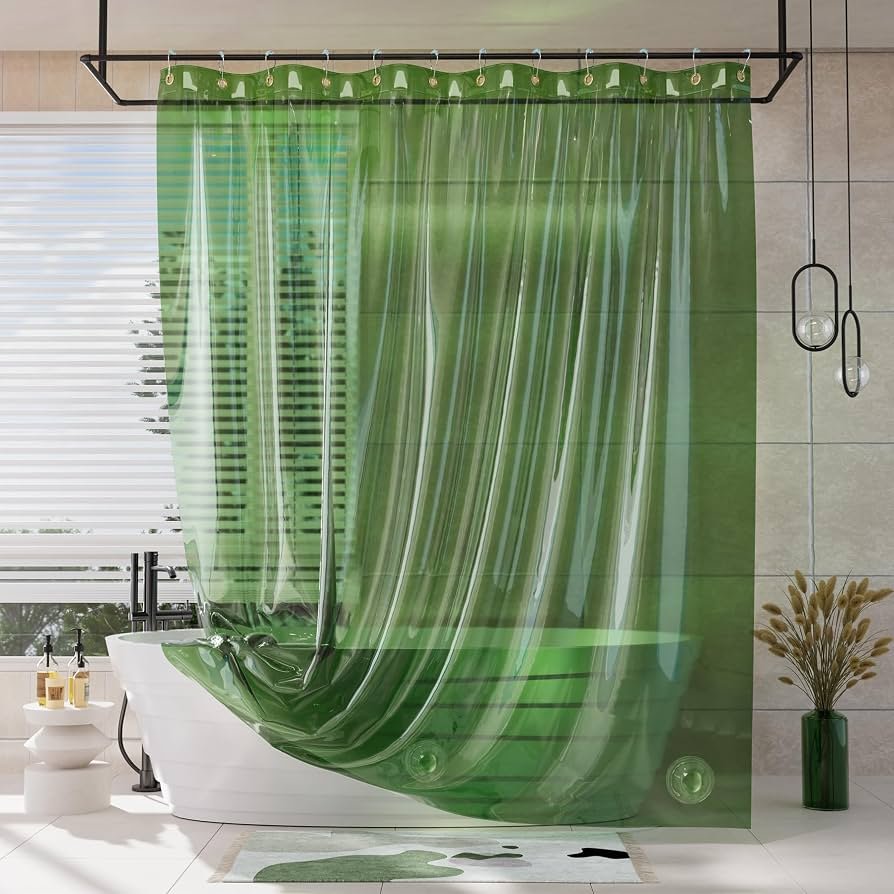
Can you wash shower curtains with built-in weights?
Yes, you can wash them in a standard washing machine using a gentle cycle and warm water. Place the curtain inside a mesh laundry bag so the heavy hem weights don’t bang against the metal washing drum or tear open the fabric pockets.
Why does my weighted liner still float inward?
Your bathroom exhaust fan or hot water draft is creating stronger upward suction than your liner weights can counter. Check your tub material; if your tub is fiberglass, magnetic weights provide no holding force, meaning you must switch to heavier glass-pellet weights.
How heavy should shower curtain weights be?
A quality shower liner should carry at least 2 to 4 ounces of weight spread evenly across its bottom edge. This amount of ballast holds the fabric steady against normal thermal drafts inside standard enclosed shower alcoves.
Is a fabric liner better than plastic PEVA?
A fabric polyester liner feels softer, washes easily, and hangs without stiff plastic wrinkles. However, a PEVA liner provides a 100 percent waterproof barrier against high-pressure showerheads, whereas polyester liners only repel water and can mist through under direct spray.
What happens if the liner touches the tub floor?
If the liner touches the floor of the tub, it pools standing water around the bottom hem and creates soap scum buildup. The liner should hover freely 2 inches above the stall floor to allow proper drainage and rapid air drying.
Final Thoughts
Investing in a premium setup transforms your morning routine into a much more peaceful experience. Once you’ve picked your favorite texture and color, you’ll see how a stable, heavy curtain makes the space feel truly finished. You’ll definitely enjoy the upgrade, so go ahead and pick a style that matches your bathroom’s personality today.
Related guides
- Clean Shower Curtain Mold With Vinegar: A Simple Guide
- Can a Bathroom Scale Help You Lose Weight? Here Is How
- Can You Sit on a Toilet Seat Lid? Safety and Weight Limits