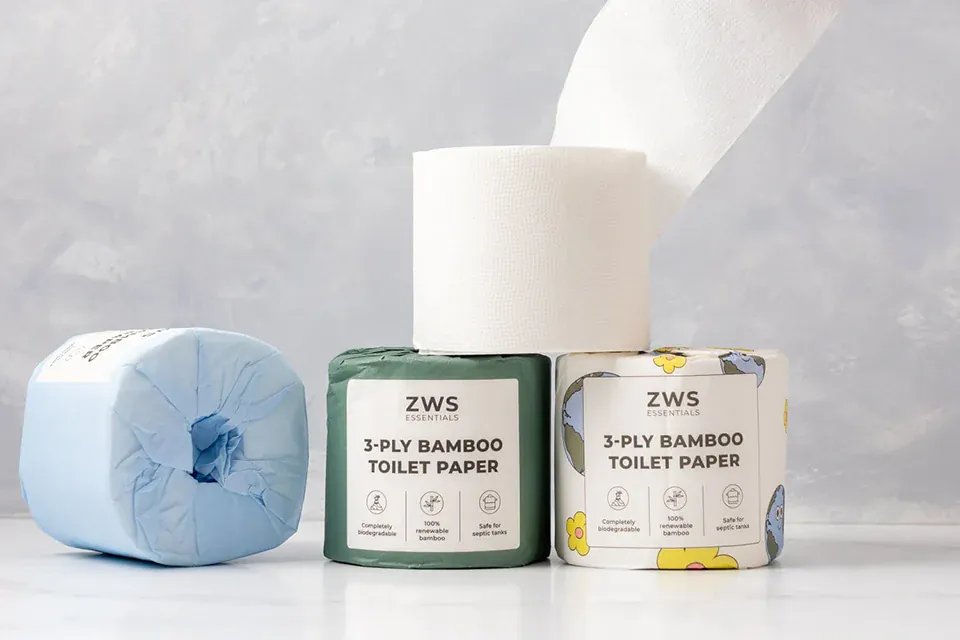
You can determine if toilet paper is septic safe by checking if it breaks down quickly in water within seconds.
Table of Contents
What the sign is telling you
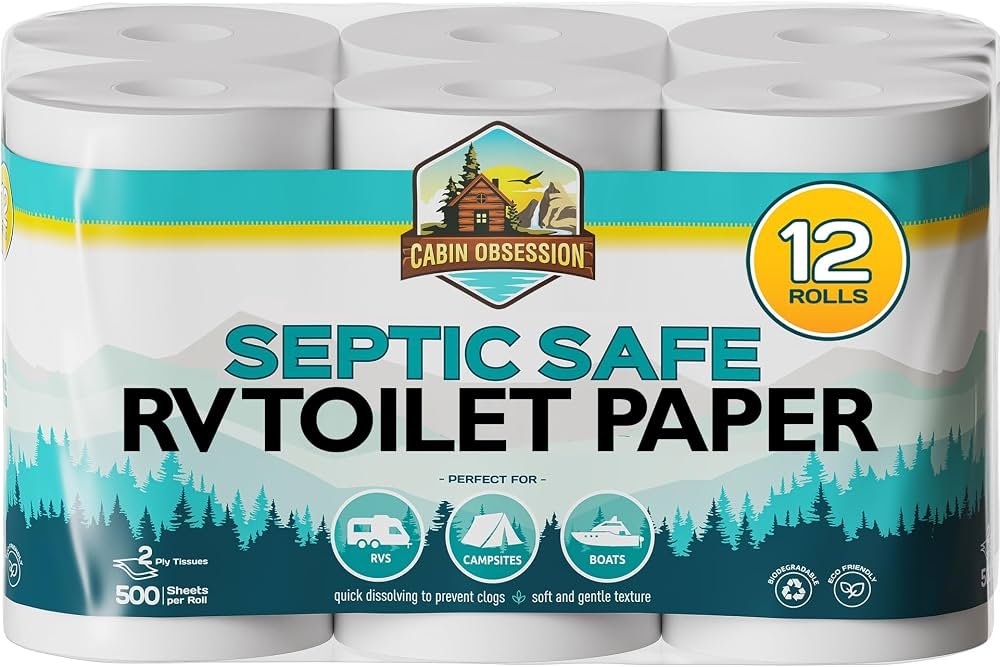
A quick visual check shows how your plumbing handles everyday tissue breakdown.
| What you notice | What it usually means | What to do first |
|---|---|---|
| Paper stays whole after shaking | Thick fibers won’t dissolve easily | Switch brands to avoid tank clogs |
| Water turns cloudy with tiny bits | Rapid breakdown protects tank bacteria | Keep using this specific brand |
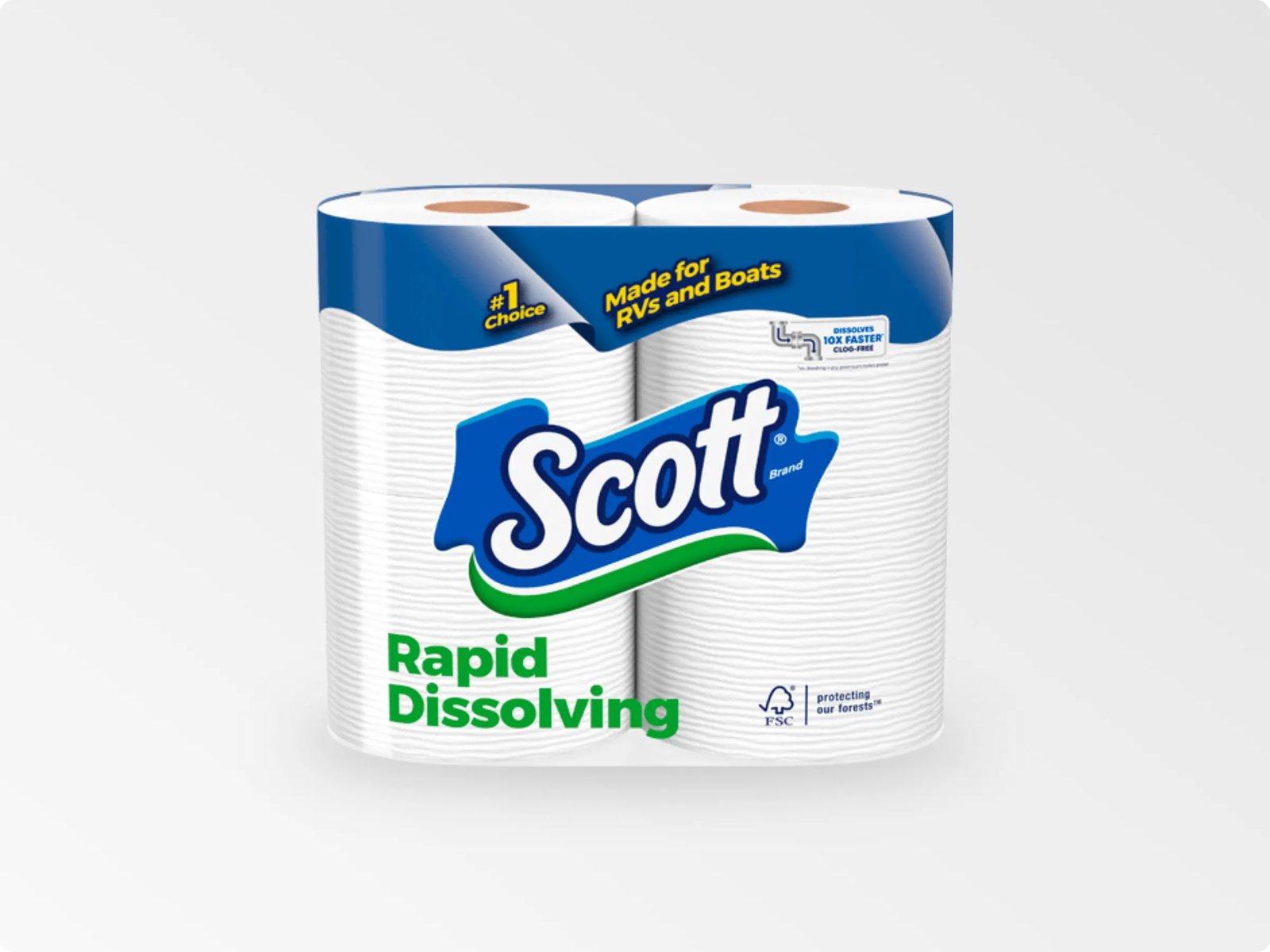
| Roll package says “rapid dissolve” | Built for RVs and tanks | Confirm with a home shake test |
| Gurgling sounds in your toilet | Sludge layer blocks pipe flow | Stop flushing paper until cleared |
| Toilet bowl clears very slowly | Pipe narrowing from trapped sheets | Plunge the line with water |
| Water sits clear with settled wad | Heavy lotion prevents water absorption | Throw remainder in the trash |
Paper stays intact in cold water
Heavy wood pulp and synthetic bonding agents prevent ordinary tissue from dissolving. Thick paper sits at the bottom of the septic tank, turning into dense sludge instead of breaking down into harmless liquid. Drop two clean sheets into a clear glass filled with 16 ounces of tap water, wait 60 seconds, and stir it gently with a spoon for five seconds. If the sheets stay in one solid piece, the fibers are bound too tightly for safe tank use. Stop flushing that specific brand immediately. This test varies by brand formula, so check the label before buying a whole bundle. The trade-off is clear: ultra-plush rolls offer maximum skin comfort, but they force you to pump your system much sooner. When you switch to a safe roll, the paper will shred into tiny flakes the moment the spoon moves through the glass.
Thick multi-ply sheets block the pipes
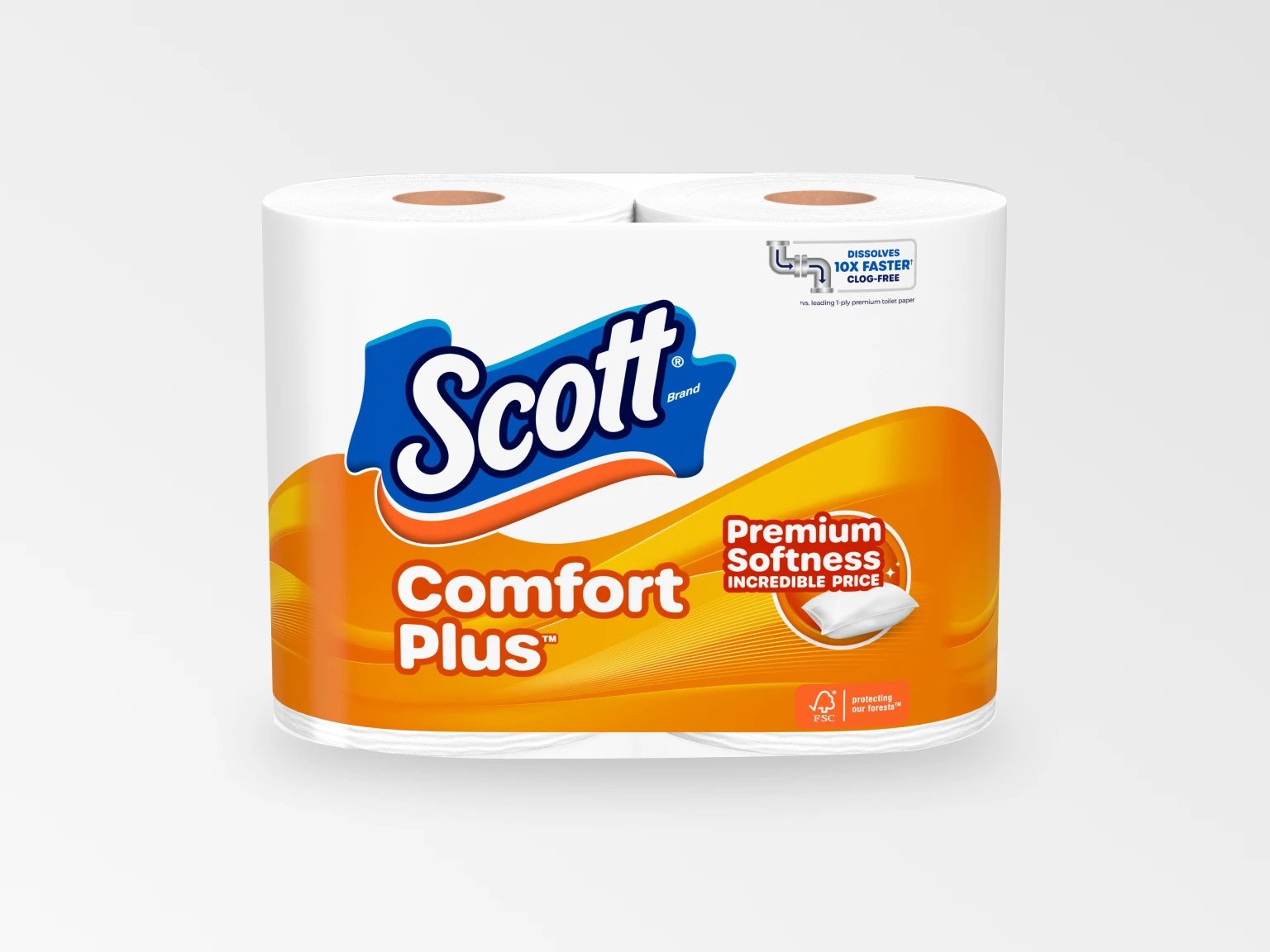
Three-ply paper creates physical jams inside old residential pipes before waste ever reaches the outdoor tank. Extra layers trap solid waste behind them, forming stubborn blockages inside narrow four-inch drain lines. To check this issue, unroll a single square from your holder and pull the edges apart to count the individual layers. The fix is simple: buy single-ply rolls or standard two-ply options marked for tank protection. A clean flush with no rising water confirms your new selection works properly in the drain. A mistake people make is buying ultra-thick luxury paper in bulk, which costs them hundreds of dollars in professional drain-snaking fees later.
Added lotions and moisture coatings
Chemical softening lotions repel moisture and stop water from soaking deep into dry paper fibers. This barrier prevents natural tank bacteria from eating away the organic pulp over time. According to the EPA’s guide to septic systems, flushing non-degradable items damages biological treatment and leads to system failure. The fix is to stop buying rolls labeled as “ultra-soft” or “soothing moisture” for tank-connected homes. The check worked when your new tissue absorbs water instantly without leaving residue on glass.
When to stop and get help
- Water backs up into nearby floor drains or tubs during a normal toilet flush, which points to a deep line blockage.
- The ground directly above your outdoor tank turns soft and smells like sewage, indicating a serious system backup.
- Gurgling sounds come from your sink drains whenever the toilet empties, signaling an air vent or tank obstruction.
- Plunging the bowl multiple times fails to clear standing water, meaning paper has packed solid in the pipe.
Drain clearing that involves running powered augers into indoor pipes requires licensed plumbing tools and proper training. Call a certified septic professional immediately when raw wastewater surfaces in your home.
Frequently asked questions
Can you use two-ply paper with a septic tank?
Yes, standard two-ply paper is safe if it dissolves quickly during a jar test. Most standard two-ply brands break down fast enough to avoid pipe jams. Avoid premium ultra-thick styles, because manufacturers add binding glues that resist water breakdown inside the tank.
How long does septic safe paper take to dissolve?
About one to four minutes in agitated water. Fast-dissolving rolls begin shredding into tiny flakes within 30 seconds of hitting water. If a brand takes longer than five minutes to break apart in a jar, it creates heavy sludge in your tank.
Does 100% recycled paper break down faster?
Recycled rolls are naturally among the safest choices you can flush into a home tank.
What happens if you flush regular paper by accident?
A few non-safe sheets won’t break your system right away. Your outdoor tank handles occasional heavy paper without backing up your toilets. Trouble starts when you flush thick rolls daily, which fills the tank with solid sludge faster than bacteria can consume it.
Is bamboo toilet paper safe for your tank?
Yes, bamboo paper breaks down easily because it contains natural biodegradable grass fibers without added synthetic polymers. It dissolves rapidly in cool water and produces less solid sediment than dense hardwood pulp. Always confirm the package lists no added softening lotions before flushing it.
Why do flushable wipes ruin septic tanks?
No wipe is truly safe for tanks, despite what package marketing claims. Wipes contain spun plastic threads that never decompose in cool water. They tangle together inside the main line, catch loose paper, and form solid obstructions that require manual tank pumping to fix.
Final Thoughts
If you’re still unsure about your current brand, try the simple water test tonight. It’s a smart way to protect your plumbing and avoid expensive repairs down the road. You’ll feel much better knowing your pipes aren’t struggling, so don’t hesitate to switch to a more dissolving-friendly option if you need to.
Related guides