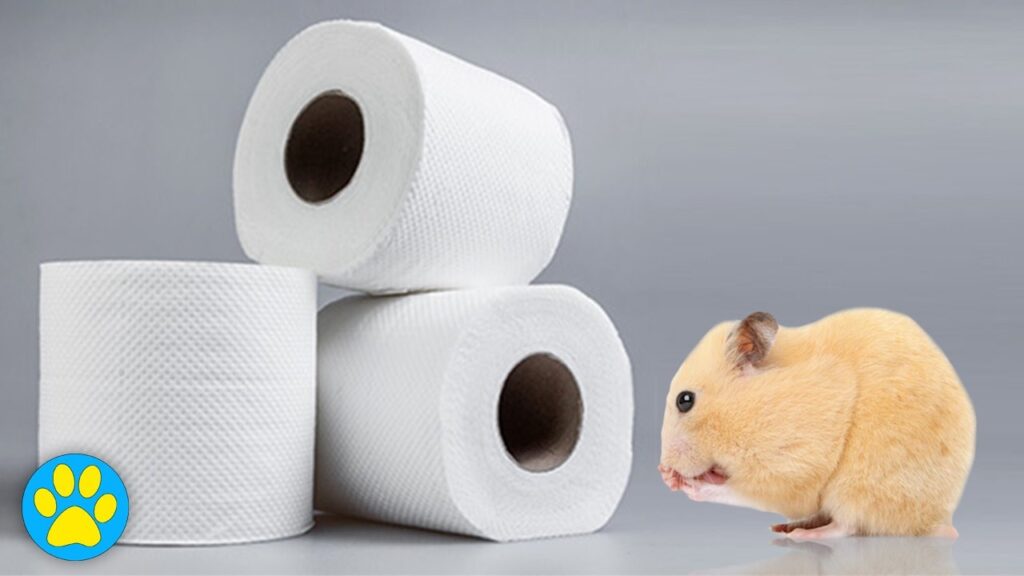
Yes, toilet paper makes safe nesting material for your pet, so plain tissue answers whether toilet paper can be used as hamster bedding for small sleeping areas.
Table of Contents
When toilet paper can be used for hamsters

Different cage spaces and paper types change whether this material helps or harms your pet.
| Your situation | Answer | Why |
|---|---|---|
| Nesting inside a sleeping hut | Yes | Soft fibers insulate sleeping pets safely. |
| Deep substrate across whole cage | No | Poor burrow support collapses instantly. |
| Unscented white brand | Yes | Free of harsh additives or perfumes. |
| Scented bathroom roll | No | Perfumes trigger severe respiratory irritation. |
| Patterned ink paper | No | Ingested color dyes can sicken rodents. |
| Wet toilet paper pile | No | Damp clumps grow mold very rapidly. |
Material strength and moisture absorption
Absorbency and structure decide where you can place paper products inside a rodent cage. Wood shavings or compressed paper pellets pack tightly, which allows a Syrian or dwarf hamster to dig tunnels that hold their shape. Thin tissue paper collapses under its own weight when dug into, so an animal can’t build stable underground burrows with it.
Standard bathroom tissue also dissolves rapidly when wet. That’s a wonderful safety feature for a pet’s digestive tract because swallowed scraps won’t cause deadly gut blockages like cotton fluff does. The RSPCA housing advice for hamsters warns against using fluffy, synthetic nesting materials for that exact reason. However, this same rapid breakdown turns wet bathroom tissue into soggy, cold mush whenever a hamster urinates on it. The trade-off is clear: you gain total digestive safety, but you lose ammonia control and digging support. This material isn’t for owners who want a low-maintenance cage, as hamster enclosures require spot-cleaning daily and full substrate changes more frequently than once a month.
If you need soft nesting inside a hide house, choose plain tissue; if you need six inches of floor substrate for tunneling, choose dedicated aspen or hemp bedding.
Adding tissue sheets safely

- Check the package label to ensure the roll has no added aloe, lotion, or floral scents. The ingredient list will show zero additives, confirming the roll is plain paper.
- Tear five or six sheets into narrow strips about half an inch wide. Your strips should look like light ribbons that separate easily in your fingers.
- Drop the paper strips in a loose pile directly outside the sleeping hideout. The pile will sit safely on top of the regular floor substrate.
- Watch your pet carry them inside its mouth pouches over the next twenty minutes. An empty floor spot shows the pet safely pouched and moved the bedding inside its nest.
The scented roll hazard
People often make the mistake of grabbing scented bathroom rolls to hide bad cage smells. That choice costs owners expensive veterinary visits for chronic respiratory infections, as well as the loss of a sick animal. Hamsters have sensitive airways, and artificial floral fragrances irritate their lungs within hours.
Check your packaging before tearing any sheet: if the roll smells like lavender or baby powder in your hand, leave it out of the enclosure.
When to stop and get help
Check your pet’s nest daily for these warning signs:
- Wet, yellowish tissue clumps that harbor bacteria.
- Piles of soggy paper sticking to the animal’s fur.
- Audible clicking or wheezing sounds while your hamster breathes.
- Swollen cheek pouches that fail to empty after several hours.
If your pet develops loud breathing problems or blocked cheek pouches, stop home care immediately. An exotic animal veterinarian must examine the pet, clear any impacted material, and prescribe proper medication.
Frequently asked questions
Can toilet paper choke a hamster?
No, plain toilet paper doesn’t choke hamsters because the fibers break apart instantly when exposed to saliva. Unlike synthetic cotton wool, thin bathroom paper softens inside the mouth, so it can’t tangle around teeth or pouch linings during normal nest building.
Why do hamsters put toilet paper in their cheeks?
Hamsters store soft bedding in their expandable cheek pouches to carry it across the enclosure. It looks like swallowing, but they simply transport clean strips back to their sleeping den to build a warm, insulated sleeping mound.
How much toilet paper should you give a hamster?
Provide fresh toilet paper as needed when the hamster’s nest becomes soiled or depleted. This small amount provides plenty of warmth for a nest box without overcrowding the floor or trapping excess moisture around the animal’s sleeping quarters.
What happens if a hamster eats toilet paper?
Small swallowed pieces of plain tissue pass safely through the digestive tract. The soft cellulose breaks down in stomach fluids quickly, but you must replace any wet paper immediately so your pet doesn’t swallow spoiled, soiled fibers.
Is newspaper ink safe like toilet paper?
No, newspaper ink contains chemicals and oils that can rub off on fur and irritate your pet’s stomach. Plain bathroom tissue contains no printing inks, making it much safer for sensitive rodents than printed daily papers or glossy magazine pages.
Does toilet paper control cage odor?
No, toilet paper doesn’t control ammonia smells because it turns to mush as soon as urine touches it. You must use commercial aspen shavings or paper-based pellets for base substrate to trap pet odors across the wider cage floor.
What to do next
Tear up five sheets of plain, unscented white roll and drop them near your pet’s house. You should see your hamster gather the paper strips into its hideout to construct a warm, fluffy bed by nightfall. If the bedding stays wet or your pet begins wheezing, pull the paper out and consult an exotic vet.
Related guides
- Why You Should Always Flush the Toilet Before Using It
- Can Toilet Infection Be Transmitted Sexually: The Clinical Truth