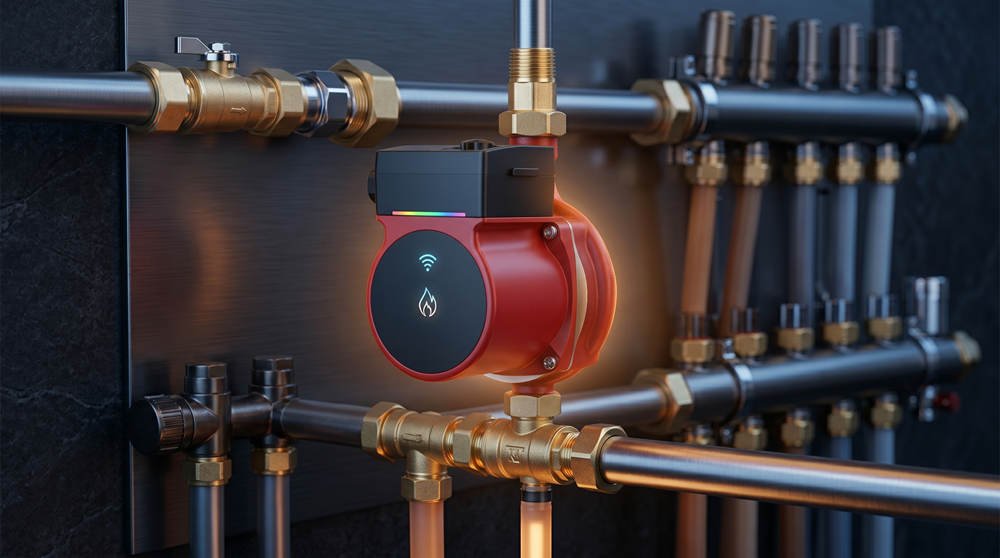
A recirculating setup delivers warm water to your faucet in under 5 seconds by cycling cooled water back through the heater before you turn on the tap. Using this hot water recirculating pump for tankless your ultimate guide explains pump sizing, flow activation, pipe loops, and bypass valves for homes with high wait times. It explains how to match pump activation to your heater’s flow switch, choose the right loop style, and avoid pipe damage.
Table of Contents
How tankless recirculating pumps function
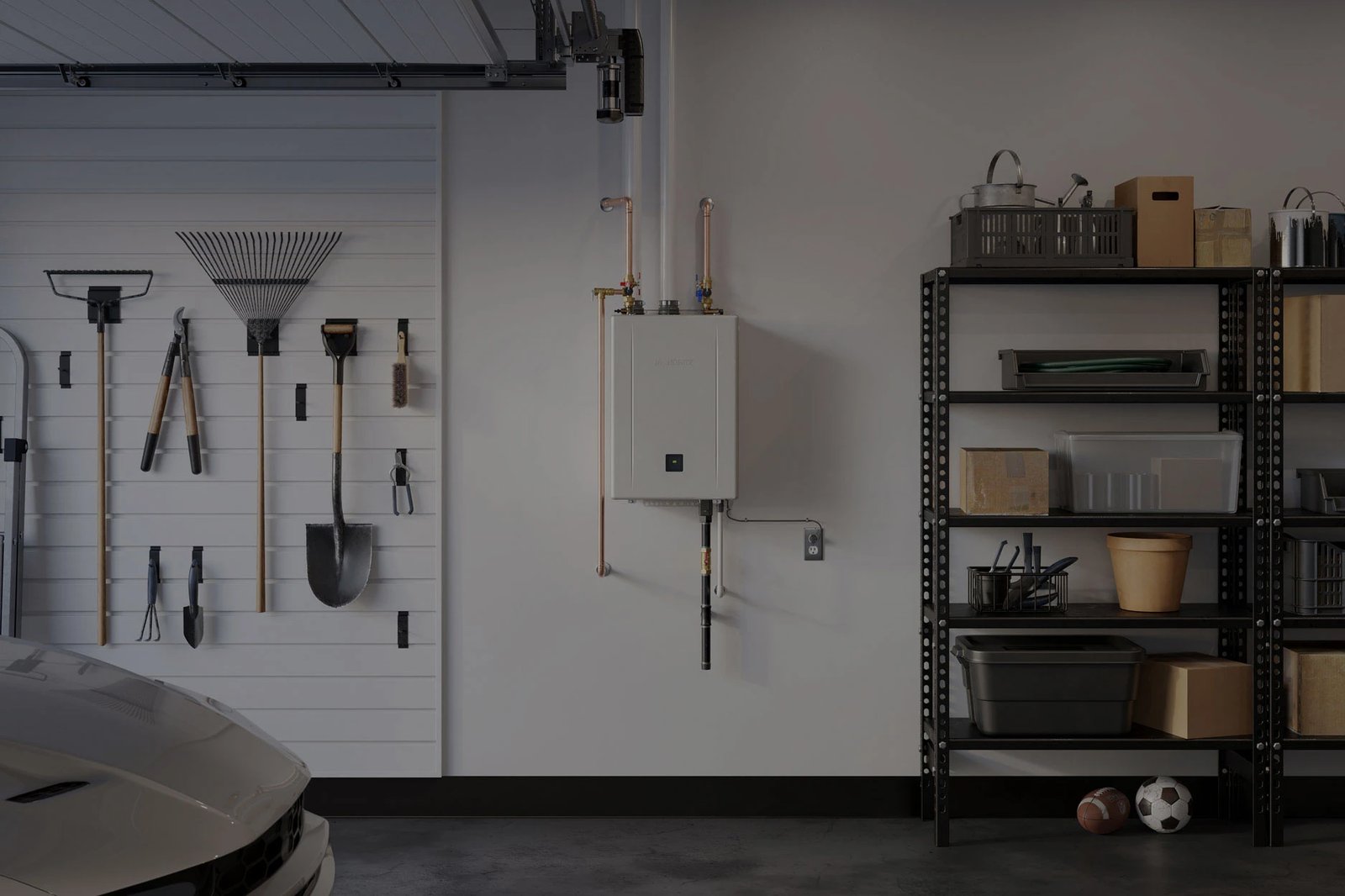
A recirculating pump moves standing water from your hot line back to the heater so you don’t wait for hot water. Standard tankless heaters only fire up when they sense water moving through them. A pump creates that movement automatically. In homes with a dedicated return pipe, water travels in a continuous loop. In homes without one, an under-sink bypass valve pushes cooled water into the cold supply line instead.
A common myth is that this pump keeps water boiling hot in your pipes all day. In reality, a good system runs only on a timer or temperature sensor. The water moves because the pump creates a small pressure difference that triggers the heater’s minimum flow rate switch.
The basic method
Installing a bypass system at your furthest fixture requires careful plumbing and electrical prep. If your home has gas lines or complex main panels nearby, hiring a licensed plumber ensures local code compliance and prevents leaks.
- Shut off the cold water shutoff valve to your tankless heater and turn off its power supply.
- Open the lowest hot water faucet in the house for 60 seconds to release all line pressure.
- Place a 2-gallon bucket under the furthest sink from the heater and disconnect both flexible supply lines.
- Thread the thermal bypass valve onto the hot and cold angle stops, ensuring the compression nuts are properly seated.
- Reattach the flexible lines from the faucet to the top ports of the bypass valve, tightening each nut by 1/4 turn past hand-tight.
- Mount the pump to the water heater’s hot outlet using appropriate 3/4-inch NPT fittings and thread sealant.
- Open the supply valve slowly over 10 seconds to refill the lines and check for leaks at every joint.
- Plug the pump into a 120-volt GFCI outlet and set the mechanical timer to run during morning and evening peak hours.
The main judgement call is matching your pump’s flow rate to the heater’s activation threshold. If the pump pushes less than the heater’s minimum firing rate, the burner won’t ignite, leaving you with cold water.
Key numbers and settings at a glance
Every tankless unit requires a specific balance of flow, temperature, and run intervals to work smoothly.
What separates good results from bad ones
Flow calibration and cycle timing
Experienced installers balance line friction against the heater’s flow switch before mounting hardware. If you run a pump continuously, you’ll wear out your copper pipes and waste energy. The trade-off for instant hot water is higher gas or electric usage, but smart controls minimize this loss. Setting an electronic timer or an on-demand button keeps the heater from firing hundreds of times a day. If your heater requires 0.4 gallons per minute to light, choose a pump that moves at least 0.5 gallons per minute through your specific pipe length.
Pipe protection and valve placement
Clean preparation prevents valve failure. Flush your lines with 5 gallons of water before inserting an under-sink valve. Small bits of solder or mineral grit will jam the valve’s internal check spring. This mistake often causes the valve to stick open, which leaves cold water taps running warm and costs homeowners a service call to replace the part. Leave the bypass valve’s factory temperature stop alone; tampering with it can push scalding water into your cold drinking lines.
Common problems and quick fixes
Pumps and bypass valves show distinct signs when settings drift or parts clog.
| What you notice | What it usually means | What to do first |
|---|---|---|
| Cold water tap runs warm | Bypass valve stuck open | Flush valve cartridge under sink |
| Heater never ignites when pump runs | Pump flow is below firing rate | Increase pump speed setting |
| Humming noise from the pump body | Air locked inside pump housing | Bleed air screw on front face |
| Water gets warm then drops cold | Heater flow sensor short-cycling | Adjust timer to longer cycle blocks |
Plumbing codes and efficiency standards
Plumbing codes regulate where and how return water enters your potable lines. The Uniform Plumbing Code (IAPMO) requires check valves on all recirculating lines to prevent backflow into the municipal supply. If you connect a pump directly to your domestic plumbing, check local city amendments regarding backflow preventers.
The US Department of Energy sets standards for home water heating efficiency. Running an uncontrolled pump can violate local energy conservation codes like California Title 24, which requires demand-based controls rather than 24-hour continuous circulation. Working inside an electrical breaker panel or altering gas train lines requires a licensed tradesperson to avoid fire hazards.
System care and inspection
Inspect your pump and connections regularly to maintain flow efficiency. Check the brass unions for white mineral crust or green copper corrosion. If you spot mineral build-up, follow the manufacturer’s specific maintenance instructions for cleaning the pump cartridge.
A well-installed pump operates quietly for many years without regular parts replacement. If the motor housing becomes hot to the touch or develops a high-pitched rattle, the bearings are wearing out from sediment or cavitation, signaling it’s time to service or replace the pump head.
When to use a different approach
A recirculating pump is the wrong choice for small homes where the water heater sits within 15 feet of every tap. In that layout, the wait time is already under 8 seconds, making the equipment cost and power draw pointless.
This setup is also not for homes with old, fragile copper pipes. The continuous flow can cause pinhole leaks along pipe elbows through erosion corrosion. In these cases, installing a small point-of-use electric mini-tank under the distant sink is a safer, more practical choice.
Frequently asked questions

Can I add a recirculating pump to any tankless heater?
Yes, but the heater must support external circulation. The pump must produce enough flow to trigger the unit’s minimum flow activation switch, which varies by model—check the label. Some older units shut down with an error code if incoming water is already warm.
Why is my cold water tap running hot?
A thermal bypass valve under your sink pushes hot water into the cold line until it hits its shutoff temperature. If the internal spring gets stuck from hard minerals, hot water continues flowing into the cold pipe whenever the pump runs.
How long does it take to get hot water with a pump?
It takes between 2 and 5 seconds when the system is running. If the pump is turned off, the wait time depends entirely on the distance from your heater to the tap and your pipe diameter.
What happens if the pump runs continuously?
The burner will fire repeatedly throughout the day, driving up your utility bill. Continuous water velocity also wears down copper pipe walls from the inside out, which creates pinhole leaks at fittings and joints over time.
Is an under-sink bypass valve safe for drinking water?
Yes, certified valves are made from lead-free materials approved for potable water lines. However, if you drink from that cold tap immediately after a cycle, let it run for 5 seconds until the line clears warm water.
Final Thoughts
Installing this system creates a more comfortable home, but don’t rush the setup if you’re unsure about the plumbing connections. It’s a great project to tackle, yet you shouldn’t hesitate to call a local pro if you’re worried about leaks. They’ll ensure everything’s secure so you can finally enjoy that instant warmth.
Related guides
- Bathroom Sink Filling With Water By Itself: How to Fix It
- 33 Qt Water Bath Canner Guide: Large Batch Preserving Tips
- Drain Pump for Washing Machine: How to Choose the Best Part