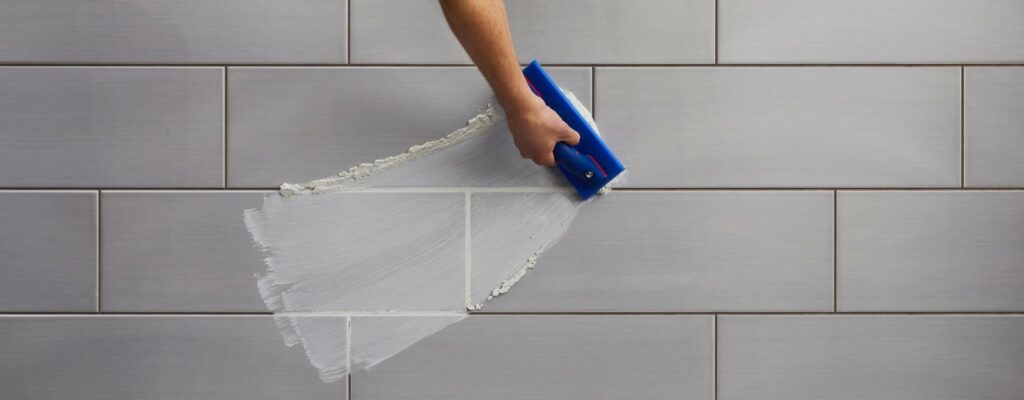
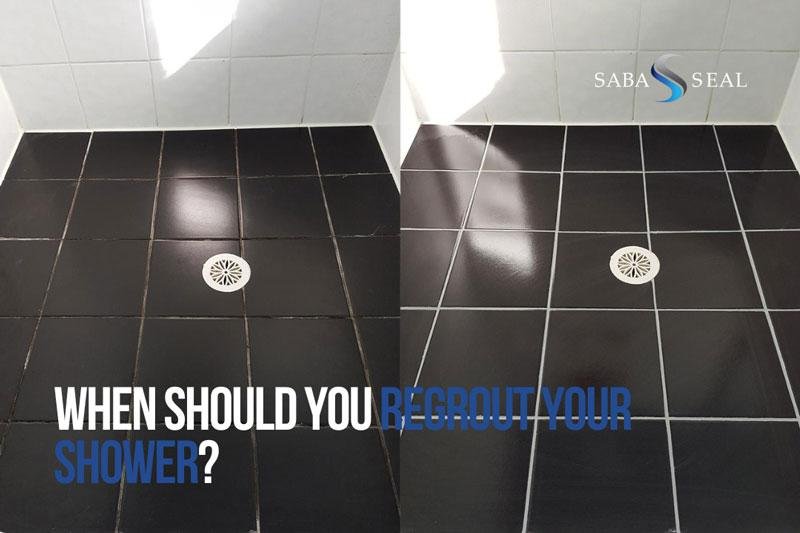
Knowing how often to regrout shower walls depends on water contact, but most homes need this maintenance under typical daily family use. If you leave it twice as long, water creeps behind the tiles, rotting the wallboard and turning a simple surface job into a full tear-out.
Table of Contents
How often to regrout your shower
What happens if you skip it
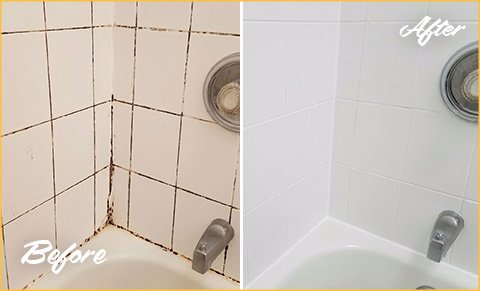
Water enters tiny cracks the moment grout breaks down. At first, you only see faint discoloration or dark spots that return days after scrubbing. The grout slowly softens, turning gritty against your sponge because moisture washes away the cured binders.
After several months of ignored wear, water seeps through the open joints into the backer board. The wallboard absorbs moisture, expands, and pushes the tiles outward. At this stage, tiles sound hollow when you tap them with a fingernail, and the bond between the adhesive and the wall fails.
Eventually, prolonged dampness behind the tiles rots the wood framing studs and breeds hidden mold colonies. The EPA guide to mold moisture confirms that controlling indoor moisture is necessary to stop mold growth on building materials. By the time tiles actually fall off the wall, you aren’t just replacing grout; you’re rebuilding structural framing. A common mistake people make is sealing over crumbling grout with fresh silicone, which traps moisture inside the wall and costs them thousands in framing repairs later.
The signs it’s overdue
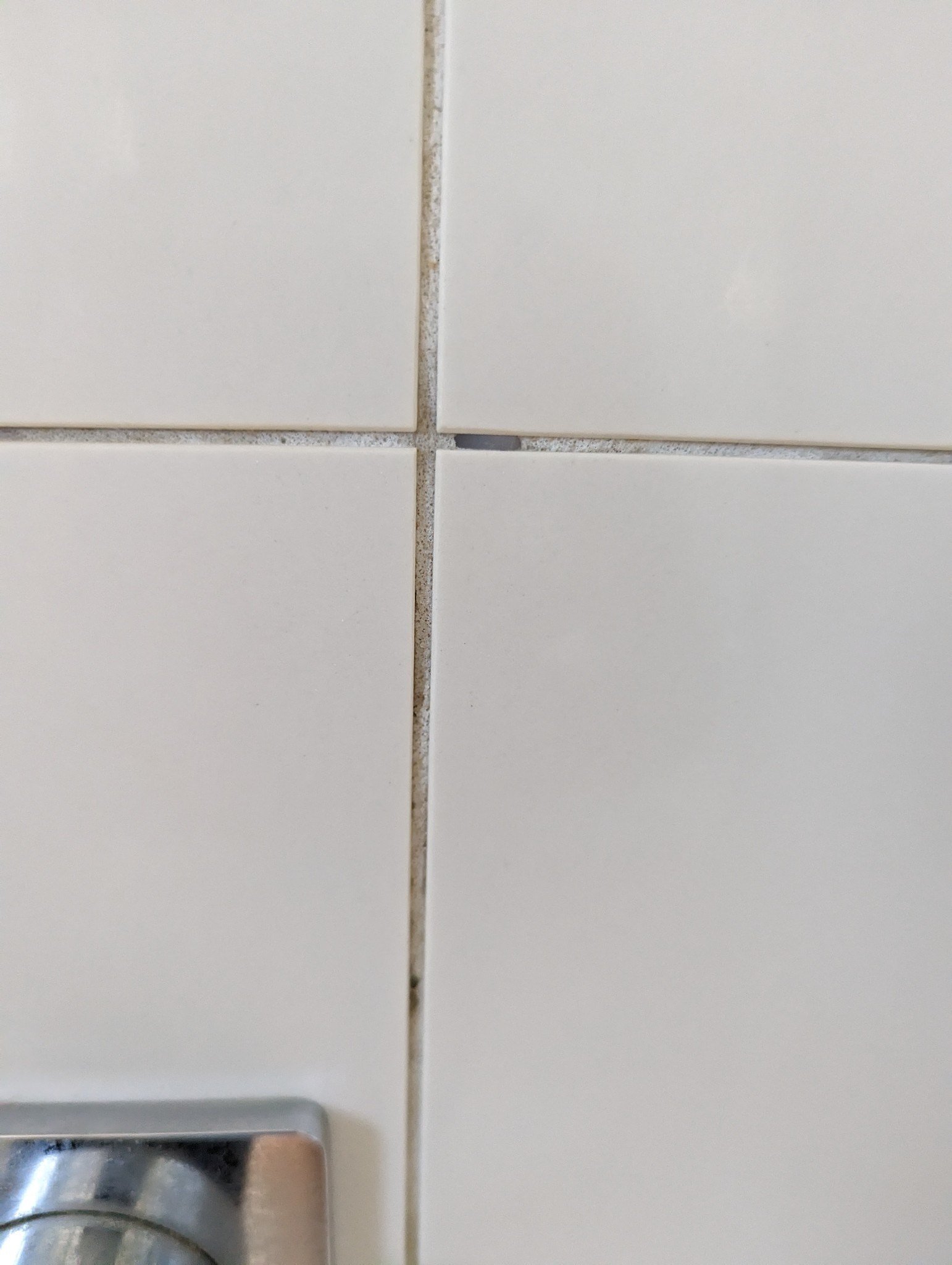
- Missing chunks along the bottom tile joint indicate water has washed away the cured binder beneath the surface.
- Dark stains that stay visible after deep cleaning mean mold spores live deep inside porous cement rather than on top.
- Grout crumbling into fine dust when pressed with a fingernail shows complete chemical breakdown of the material.
- A hollow echo when tapping tiles signals that backing material has loosened from damp framing studs.
- Hairline cracks wider than a paperclip running across multiple joints show structural shifting or water expansion.
- Persistent musty odors in the room point to damp drywall hiding behind the shower enclosure.
What it takes each time
Regrouting a standard shower stall takes about 4 to 8 hours of active physical work spread over two days, plus 48 to 72 hours of drying time before anyone can turn on the tap. It requires basic manual tools: a grout rake or oscillating tool, a rubber float, a bucket, a sponge, and a fresh batch of cementitious or epoxy grout. The physical effort is heavy because scraping old cement out of joints without chipping porcelain edges demands steady hand control. In relative cost terms, doing it yourself takes only a bag of premixed grout, a sponge, and protective eyewear, while hiring a professional costs several service hours of skilled labor. This job isn’t for people with chronic wrist pain or severe arthritis, as raking out dense joints requires continuous physical pressure.
How to go longer between times
- Run the bathroom exhaust fan for 20 minutes after every shower to drop room humidity below 50 percent and starve mold spores.
- Wipe the shower walls with a rubber squeegee after each use to stop standing droplets from resting on porous seams.
- Apply a penetrating fluoropolymer sealer to all cement lines once a year, as bare cement absorbs water directly into the wall.
- Wash the enclosure weekly using mild dish soap instead of harsh acid cleaners that strip the sealer off the joints.
Frequently asked questions
Can you put new grout over old grout?
No, because new grout needs deep joints of at least 1/8 inch to anchor itself mechanically. Spreading a thin layer over old material causes the fresh coat to flake off within weeks, wasting your weekend and leaving the cracked seam underneath fully exposed to shower water.
How long does shower grout last?
The lifespan depends on typical household use. The exact lifespan varies by installation quality and environmental conditions., since pre-mixed acrylic formulas often degrade faster than high-density epoxy mixes in wet areas.
Is it safe to regrout shower tiles yourself?
Yes, if you wear eye protection and work carefully along the tile edges. However, there’s a real trade-off: hand tools keep your tile edges safe but take hours of tiring effort, while power tools work fast but can chip expensive glazed surfaces in a split second.
What happens if you regrout without removing the old grout?
The new layer cracks and peels away almost immediately. Fresh grout can’t bond properly to dirty, sealed, or damp cement. If you skip scraping out the old bed to a minimum depth of 1/8 inch, moisture penetrates beneath the loose patches and rots the backing board.
Does cracked grout always mean a leak?
Not always, but it provides a direct path for moisture to reach the wall structure. Hairline cracks often stem from building settling rather than water damage. If the crack shifts or widens, treat it as an active leak point and repair the joint before using the shower again.
Why is my shower grout crumbling after two years?
Poor mixing ratios caused the cement to cure with weak structural strength. Adding excess water during initial installation weakens the cured bond, leaving the grout soft. Acidic cleaners also dissolve the alkaline cement binders quickly, eroding the joints long before their expected 10-year lifespan.
What to do next
Press a small screwdriver gently into your lowest grout lines today to check if the cement stays solid or turns into loose powder. You’ll know your shower is healthy if the joints remain firm and reject water droplets without darkening the seam. If whole tiles shift under your thumb or sound hollow when tapped, stop using the stall immediately and call a licensed tile contractor.