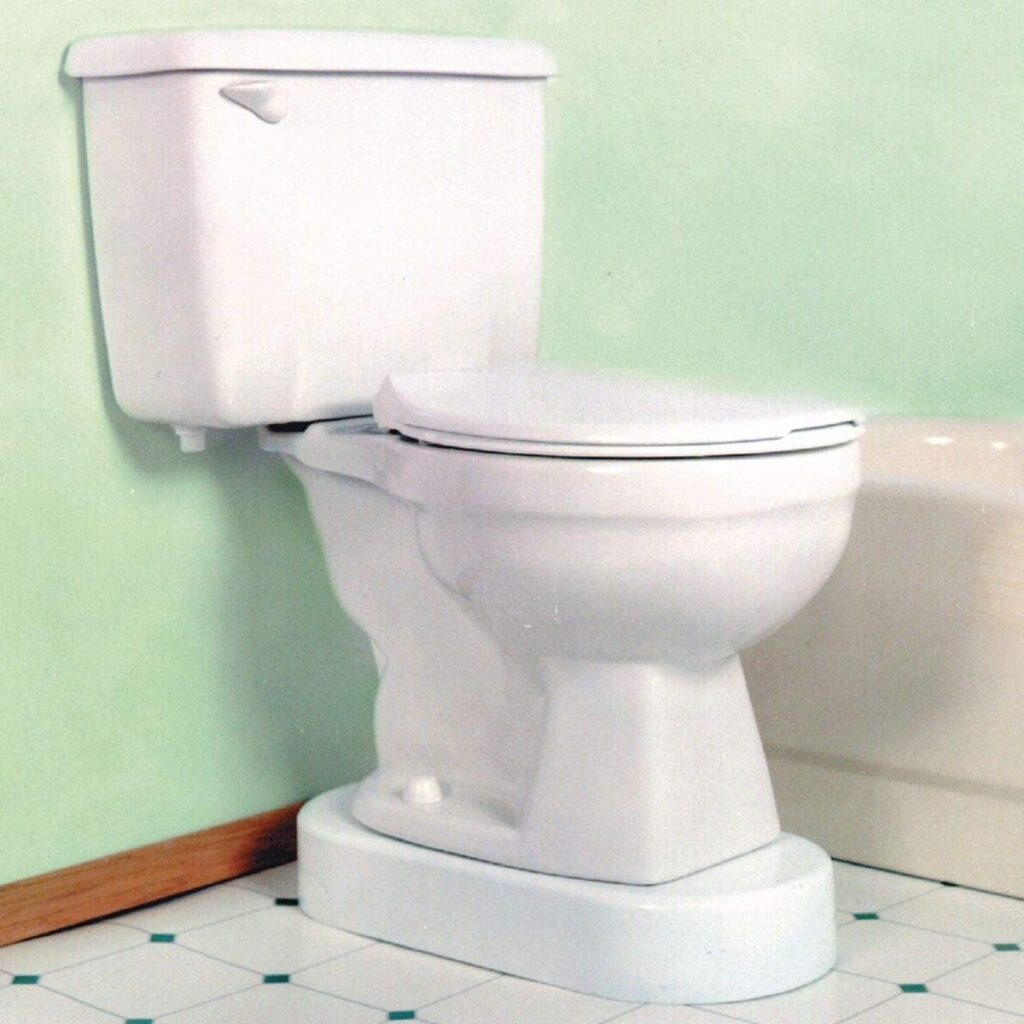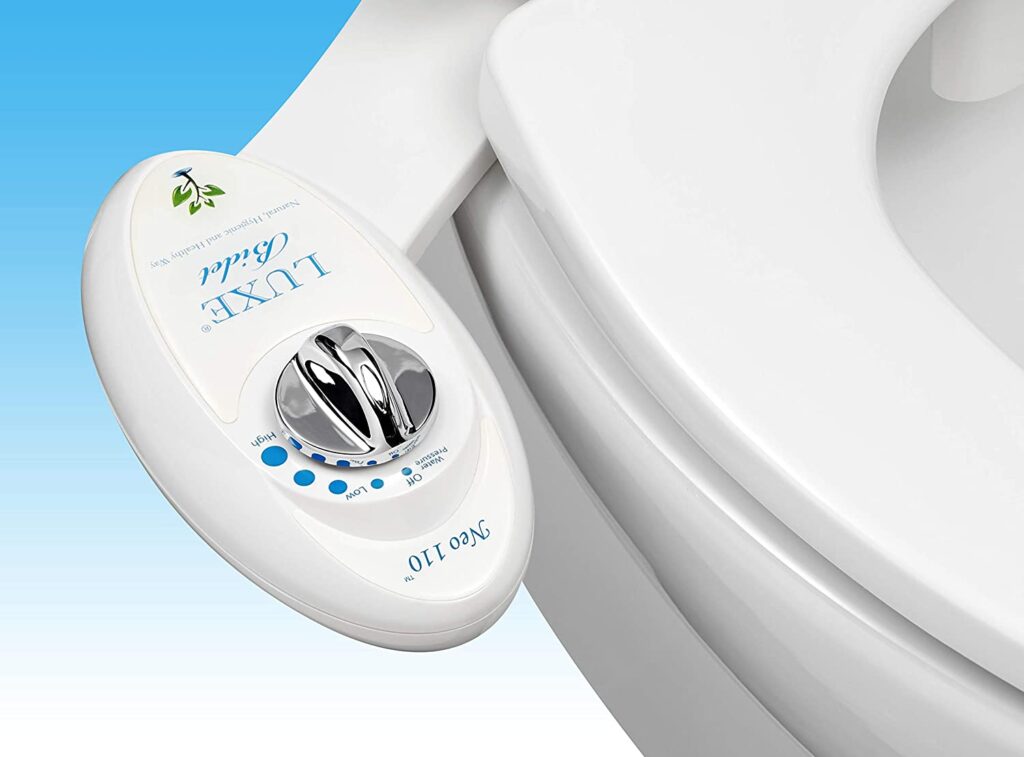
To choose the right toilet seat size, measure the distance from the center of the mounting bolt holes straight to the front rim of the ceramic bowl. A length near 16.5 inches needs a round seat, while about 18.5 inches requires an elongated seat. If your bowl has non-standard curves or a square profile, check your maker’s model sheet instead.
Table of Contents
Choosing the right toilet seat size

The best way to pick a seat depends on the tools you have and whether your porcelain carries an original label.
| Method | How long | Effort | Cost | Best for |
|---|---|---|---|---|
| Tape measure check | 2 minutes | Low | Low | Anyone with a standard tape measure |
| Paper template tracing | 5 minutes | Medium | Low | Older bowls with rubbed-off labels |
| Brand model code search | 3 minutes | Low | Low | Newer toilets with visible tank stamps |
Measuring the bare bowl with a tape
You need an ordinary retractable tape measure and a notepad. If you measure with the old seat still down, you’ll get an incorrect number; raise or remove it first so your tape sits directly on the porcelain.
- Locate the two bolt holes at the back of the bowl and place the metal hook of the tape directly between their centers.
- Extend the tape straight down the center line of the bowl to the outer edge of the front rim.
- Check the reading: if it’s roughly 16.5 inches, you need a round seat; if it’s around 18.5 inches, pick an elongated seat.
- Measure the span between the centers of the two bolt holes, which standardizes at 5.5 inches across North America.
This method gives you exact hardware dimensions in seconds. It prevents guessing at the store and ensures the new seat covers the porcelain edge neatly. Its main weakness is that it won’t reveal unusual contour angles on designer toilets. If your fixture is cracked, stop immediately and call a licensed plumber, as broken porcelain can cut deeply.
Tracing the bowl on cardboard
This approach works well if your toilet has an unusual contour or if you want to test the fit on the store shelf before paying.
- Flatten a clean cardboard box and lay it flat over your bare toilet bowl rim.
- Reach under the rim or trace firmly along the outside edge of the porcelain with a dark pencil.
- Mark the exact spots where the seat hinge bolts pass through the porcelain holes.
- Cut out the shape with utility shears and carry it to the plumbing aisle to set directly against boxed seats.
This technique catches rare European curves or D-shaped profiles that numbers alone might miss. It also lets you check bolt spacing by holding the cardboard against the display unit. The downside is that it takes more physical effort and leaves scrap paper behind.
Reading the tank model code

Every major porcelain manufacturer stamps identification codes directly into the wet clay before firing.
- Carefully lift the heavy ceramic tank lid straight up and set it flat on a folded towel on the floor.
- Shine a flashlight onto the dry inner walls of the tank above the water line.
- Write down the four-digit or five-digit model number stamped into the clay.
- Match that code against the manufacturer’s online specification sheet to view the exact seat dimensions designed for it.
This process removes all measuring guesswork and guarantees original color and contour matching. It also confirms whether you have a specialty compact-elongated design. The real weakness is that old tank water stamps sometimes fade or wash away under moisture. A fourth option is photographing the bowl from above with your phone, but camera lens distortion often makes round bowls look oval, which causes bad buys.
Which one should you use?
If you’re in a hurry, grab a tape measure because it delivers your required length in under two minutes without opening the tank. If you’re doing this for the first time, use the cardboard trace method so you can physically test the profile against a retail box before spending your money. If you want the best possible result whatever it takes, look up the tank model code to order the maker’s factory-matched replacement.
The core trade-off sits between speed and shape accuracy. Measuring the length takes almost no time, but numbers don’t show if your bowl has sharply tapered sides or flat design lines.
The rules that apply whichever way you choose
Before you start, wipe down the porcelain rim with a household disinfectant. During the process, verify that your bolt holes sit 5.5 inches apart from center to center. In North America, the American National Standards Institute sets standard plumbing fixture specifications through the ANSI A112.19.2 standard, which fixes this 5.5-inch bolt spacing for residential bowls. This spacing varies by model outside the United States, so always check the product box.
A mistake people make is buying an elongated seat for a round bowl; it overhangs the front, puts sideways pressure on the plastic hinges, and breaks them within months, costing you another replacement. At the end, tighten the mounting nuts only by hand until snug, then give them one half-turn with a wrench. Overtightening will snap the plastic threads or crack the ceramic base.
Frequently asked questions

Can I put an elongated seat on a round toilet?
No, an elongated seat will stick out nearly two inches past the front rim of a round bowl. This leaves the inner porcelain edge exposed, looks bad, and places body weight onto unsupported plastic edges. The hinge hardware will quickly crack or loosen under normal use.
Are all toilet seat hinges the same width apart?
No, but most residential toilets in the United States use a standard 5.5-inch spread between the bolt holes. Some imported brands and commercial bowls use a wider 6-inch or 7-inch spacing. Always measure between the hole centers before purchasing replacement hardware.
How do I know if my toilet is round or elongated?
Measure from the center line of the seat hinge holes to the front edge of the bowl. If the distance is approximately 16.5 inches, the bowl is round. If the distance measures approximately 18.5 inches, the fixture is elongated.
Why does my new toilet seat slide around?
The mounting bolts are either too loose or don’t match the hole diameter in the porcelain. Rubber washers or friction grommets often wear out or slip out of place. Tighten the nuts firmly, but don’t crack the ceramic by using excessive wrench force.
What happens if you buy the wrong size toilet seat?
The seat won’t align with the rim, leaving bare porcelain exposed or plastic hanging over the front edge. Your weight will rest unevenly on the seat pads rather than the bowl, which warps the lid, strains the hinge brackets, and snaps the hardware.
Is a D-shaped toilet seat a standard size?
No, D-shaped toilet seats are non-standard fixtures designed for modern, squared, or European-style bowls. They use specialized mounting tracks and narrow front curves. You must order replacements using the original toilet manufacturer’s specific model number rather than generic hardware store sizes.
Final Thoughts
Once you’ve confirmed the shape, don’t forget to check the material and hinge type before you head to the store. You’ll find that a soft-close lid makes a world of difference in your daily routine. It’s a simple upgrade, but you’ll definitely appreciate the quiet comfort every single morning.
Related guides