Clearing a deep trap blockage and raising the tank water level is how to fix a toilet that keeps clogging up on most standard residential units. The single most common cause is a partial obstruction trapped just beyond the bowl, which catches waste every time you flush.
Table of Contents
Reasons your toilet keeps clogging
Frequent blockages trace back to three physical issues. First, non-flushable materials like wet wipes or thick paper snag inside the curved porcelain trapway. Even wipes marketed as safe don’t break down in water like standard tissue.
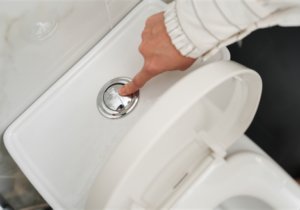
Second, a weak flush doesn’t produce enough water volume or speed to push waste through the pipes. This happens when the tank water rests too low or the fill valve shuts off early.
Third, mineral scale or plumbing vent restrictions slow down drainage. Hard water deposits can choke the small jet hole at the bottom of your bowl. Meanwhile, a clogged rooftop plumbing vent stops air from entering the system, creating a vacuum that prevents wastewater from flowing freely away.
Plunge using a flanged rubber tool
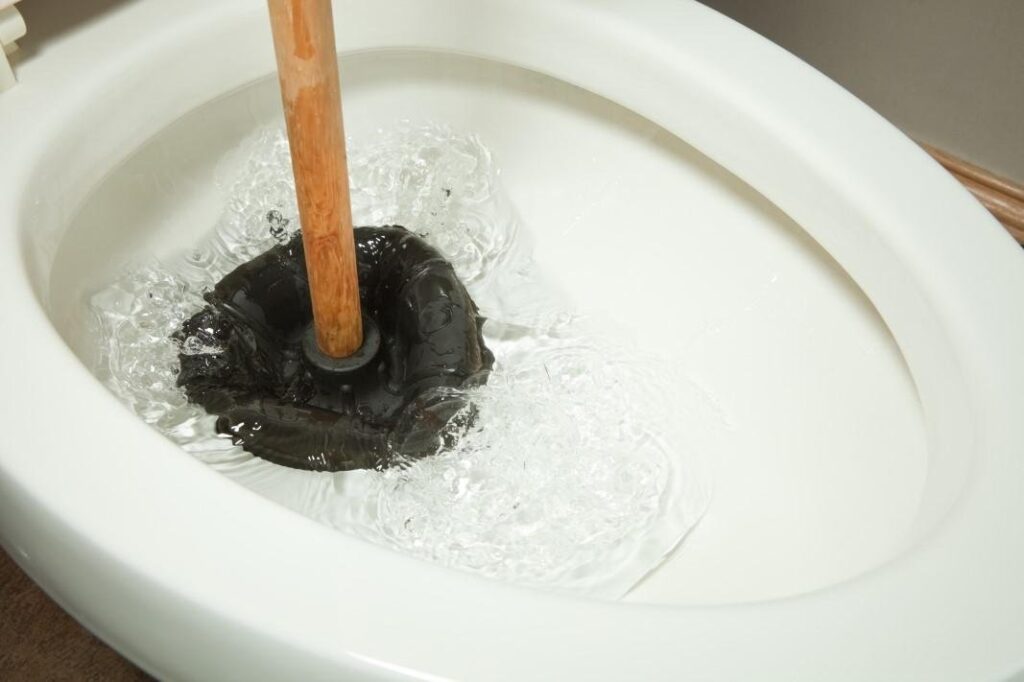
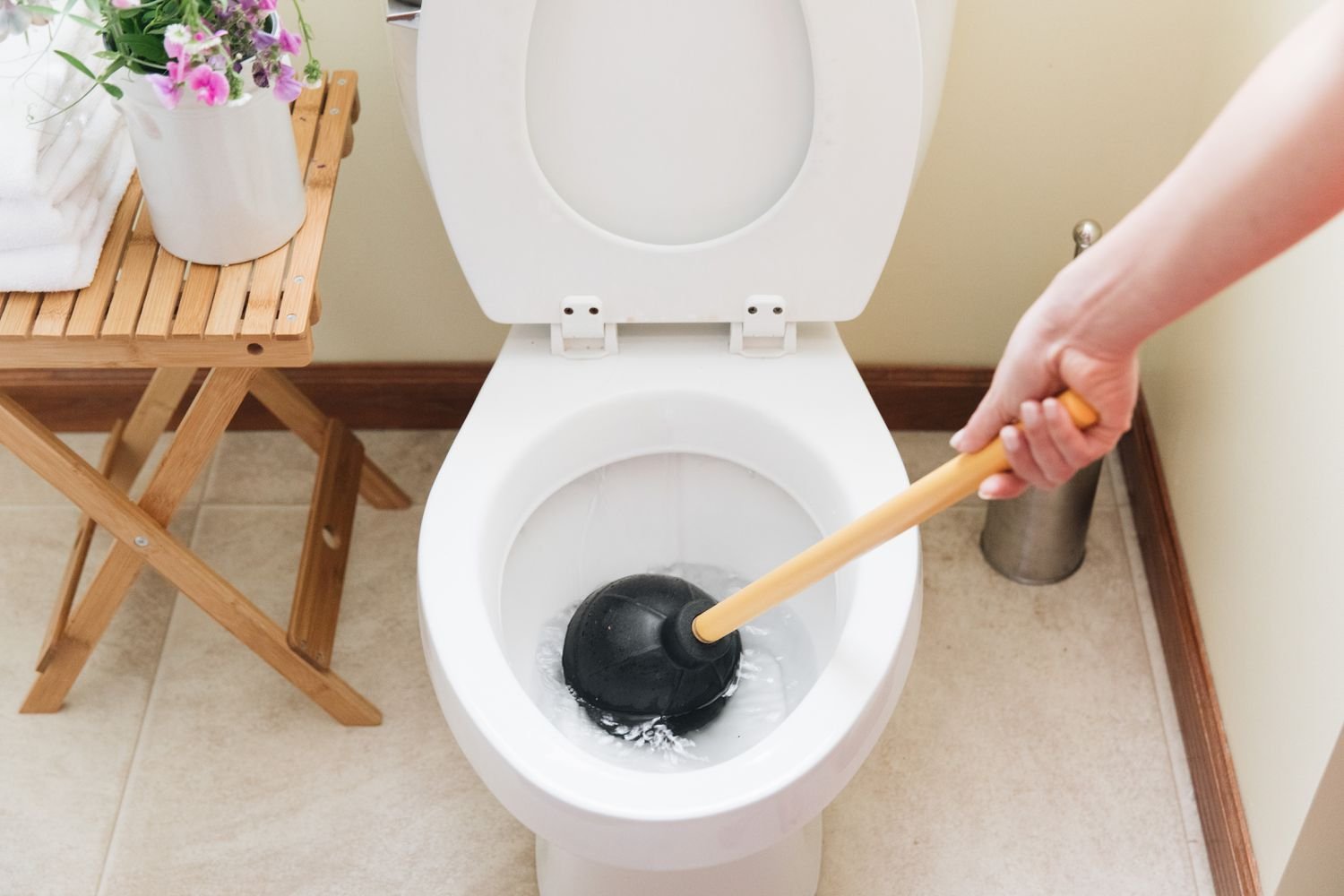
This fix is for soft blockages caught in the bowl’s curved neck. You need a toilet plunger with an extended neck collar—not a flat sink plunger.
Ensure the bowl holds enough water to cover the plunger head. If the bowl is empty, pour in a standard 2-gallon bucket of tap water first. Fit the extended flange directly into the drain hole to make a tight seal. Push down gently to burp out trapped air, then plunge firmly back and forth ten to twelve times. The pull motion is what actually dislodges the clog.
You’ll know it worked when the trapped water rushes down the drain with an audible gulp. If water leaks around your toilet base onto the floor while plunging, stop immediately; that means the wax ring seal broke, which requires unbolting the fixture to replace.
Adjust the tank water level
This fix is for weak flushes caused by low water volume inside the tank. Lift off the tank lid and check where the resting water sits. If the water level rests lower than an inch below the top of the overflow tube, the flush lacks pushing power.
Locate the fill valve on the left side of the tank. For valves with an adjustment screw on top, turn it counter-clockwise to raise the water level. For float cylinders on a plastic track, pinch the metal clip and slide the float up half an inch. Flush the toilet once and let it refill to check the new line. You’ll know it worked if the bowl clears rapidly with a strong, swirling vortex.
Clear the trap with an auger
This fix is for stubborn, repeated blockages that resist plunging. It’s worth the extra effort when hard objects like small toys, feminine hygiene products, or heavy paper masses sit deep in the fixture’s internal bend.
Use a 3-foot toilet closet auger, which features a protective rubber sleeve that keeps metal cables from scratching the porcelain bowl. Retract the cable completely, place the curved rubber boot inside the drain hole, and turn the crank handle clockwise while pushing downward. Once you feel resistance, rotate the crank to hook the object, then pull it back out rather than pushing it deeper.
This fix isn’t for clearing blockages located inside the main household sewer line. If sewage backs up into your nearby bathtub or shower when you flush, stop immediately and hire a licensed plumber to clear the main stack.
What not to do
- Don’t pour boiling water into the bowl. The extreme heat difference causes cold porcelain to crack instantly, leading to costly water leaks across your bathroom floor.
- Don’t use harsh chemical drain cleaners. Caustic chemicals sit in the curved trap, generating heat that softens modern plastic pipes and releases dangerous fumes into your home.
- Don’t hold the flush handle down repeatedly when blocked. Forcing extra water into a clogged fixture causes the bowl to overflow onto your floorboards, damaging the subfloor below.
- Don’t use a coat hanger. Wire hangers lack flexible reach and scrape grey, permanent metal gouges into your bowl’s smooth porcelain finish.
How to stop it happening again
Routine habits determine whether your drain lines stay clear or jam up regularly.
| If you’re doing this | Do this instead | Why |
|---|---|---|
| Flushing personal wet wipes | Throw wipes into a bathroom trash bin | The EPA guidance on what not to flush notes wipes don’t break down and snag inside waste pipes |
| Using large wads of thick toilet paper | Fold three or four sheets per wipe | Bulky paper rolls bunch up before passing through the narrow porcelain trapway |
| Ignoring hard water crust in the bowl | Scrub the siphon jet hole with a stiff nylon brush | Mineral scale blocks the small bottom jet, weakening the bowl’s rinsing suction |
| Flushing dental floss and hair | Put stringy waste directly in the trash | Long strands wrap around small pipe ridges, catching paper until a solid wall forms |
Frequently asked questions
Can a clogged plumbing vent cause repeated toilet clogs?
Yes. Your plumbing system requires outside air through roof vents to equalize pipe pressure. If bird nests or leaves block the vent pipe on your roof, a vacuum forms in the drain line. This stops water from draining quickly, causing waste to settle and repeatedly block the lower bend.
Why does my toilet clog every single day?
A partial obstruction sits trapped inside the porcelain trapway. Items like small plastic caps, toothbrushes, or hardened paper clumps get stuck sideways in the narrow bend. Water can squeeze past the object, but solid waste catches on it every time you flush, recreating a fresh clog daily.
Is it safe to use dish soap to unclog a toilet?
Yes, for soft paper clogs. Squirt half a cup of liquid dish soap into the bowl and let it sit for twenty minutes. The soap lubricates the porcelain walls and helps paper slide through the pipe. Follow it with a gallon of warm tap water poured from waist height.
What happens if I keep flushing a clogged toilet?
The bowl overflows onto your bathroom floor. Modern toilet tanks hold more water than an obstructed bowl can fit. When waste can’t pass through the trap, secondary flushes fill the bowl past its rim, soaking your drywall and ruining subflooring. Turn the supply valve clockwise to stop the water.
How long does a toilet wax ring last?
About twenty to thirty years under normal use. However, aggressive plunging or a loose toilet base that rocks back and forth breaks the wax seal much sooner. If you notice sewer smells, damp floorboards, or water leaking around the porcelain base after clearing a clog, replace the ring immediately.
Final Thoughts
If these simple adjustments don’t solve the problem, you might be dealing with a deeper issue in your home’s main sewer line. Don’t hesitate to call a professional plumber if the water still won’t drain properly. It’s better to be safe than sorry when it comes to your bathroom’s plumbing.
Related guides
- Charcoal Filter for Bathroom Fan: Essential Air Quality Fix
- Bathroom Sink Filling With Water By Itself: How to Fix It