A wall-mounted folding bench needs to support at least 250 pounds and sit 17 to 19 inches off the floor to prevent slips. Choosing a safe shower seat for elderly fold down your ultimate guide to safety requires mounting the brackets straight into solid wood wall studs rather than tile alone. This guide details structural blocking steps, height rules, maintenance checks, and weight limitations that a brief summary leaves out.
Table of Contents
How folding shower seats help the elderly
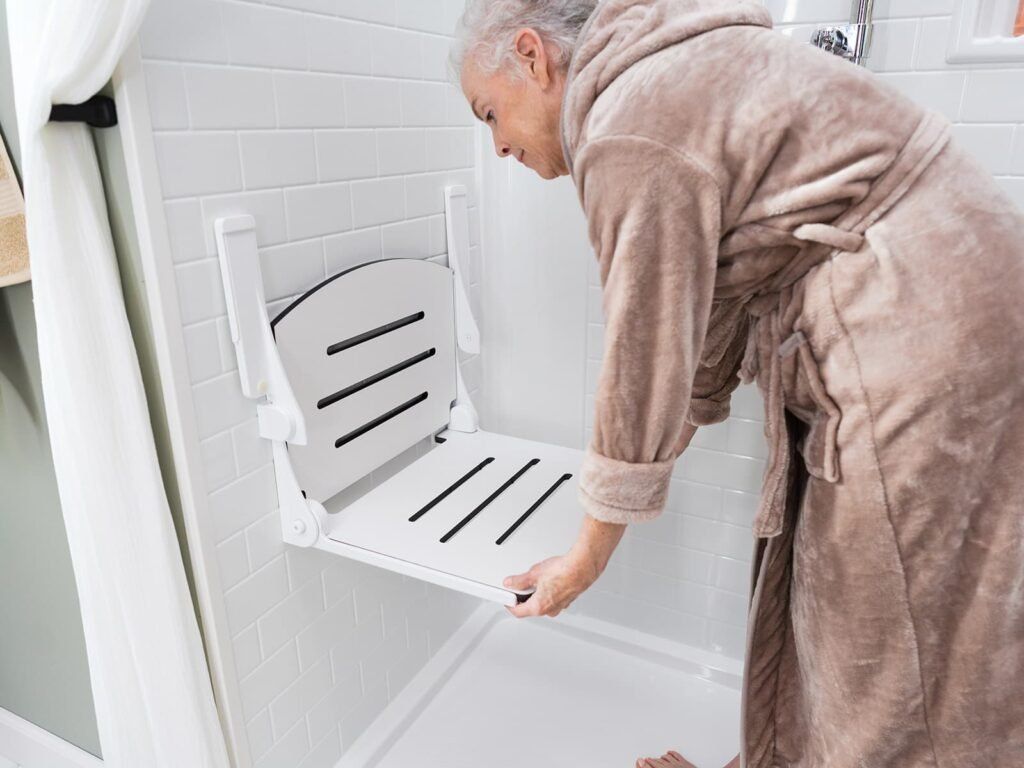
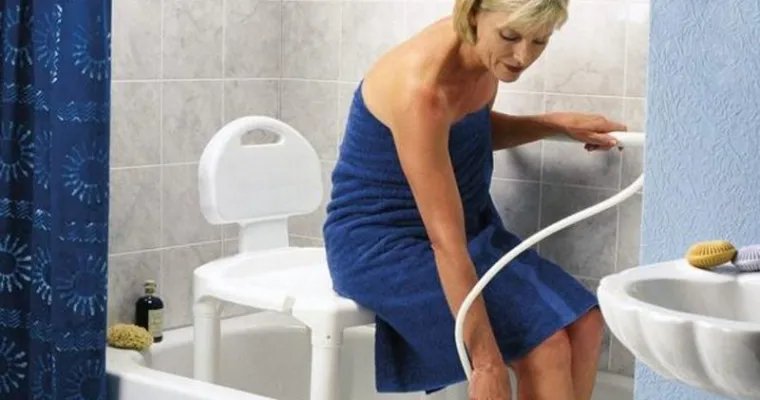
A fold-down shower bench attaches directly to bathroom wall framing and hinges downward when needed. It lets older adults sit while washing, which saves energy and lowers fall risks. When finished, you flip it up flat against the wall so other people have full standing room.
The biggest misconception is that heavy-duty hollow-wall drywall anchors or tile plugs can hold this seat. They can’t. A seated person shifts their weight dynamically, creating leverage that rips plastic plugs out of wallboard. If the wall lacks internal wood blocking, don’t mount a folding seat there; if solid wood studs aren’t reachable, choose a freestanding four-legged chair instead.
Mechanical leverage multiplies body weight against the top mounting screws. Because of this pulling force, the seat frame must bolt into continuous 2-inch by 4-inch wood studs or solid masonry.
The basic method
- Locate two vertical wall studs using a stud finder, marking their centerlines with a pencil at 17 to 19 inches above the shower floor.
- Hold the seat mounting bracket against the wall, check it with an 8-inch bubble level, and mark 4 to 6 screw holes on the tile.
- Drill pilot holes through the tile using a 1/4-inch carbide-tipped masonry drill bit running at low speed to avoid cracking the glaze.
- Drill deeper into the wood studs using a 1/8-inch wood bit, reaching at least 2.5 inches of embedment depth.
- Squeeze 100% silicone sealant into every drilled hole to stop water from reaching the internal wall studs.
- Fasten the seat frame using 5/16-inch by 3-inch stainless steel lag screws, tightening them with a socket wrench until the bracket rests flat.
- Fold the seat down and push down hard with both hands to test for movement before anyone sits on it.
The single judgment call that separates success from failure is feeling how the lag screws grip. If a screw spins freely instead of tightening down hard, it missed the wood center. When bathroom studs are spaced too far apart, hiring a licensed general contractor to open the drywall and insert horizontal wood blocking is necessary to avoid serious wall collapse.
Key numbers and settings at a glance
Mounting heights and hardware change depending on the user’s body size and bathroom wall build.
| Situation | What to use | How long | What to watch for |
|---|---|---|---|
| Wood stud wall | 5/16-inch by 3-inch stainless lag screws | 60 to 90 minutes | Screws must hit the true stud center |
| Concrete or brick wall | 3/8-inch stainless steel expansion sleeve anchors | 45 to 60 minutes | Cracking nearby mortar lines |
| Acrylic shower insert | Backing timber installed behind the fiberglass | 2 to 4 hours | Cracking thin acrylic from over-tightening |
| User taller than 6 feet | Seat mounted at 19 inches from floor | 60 minutes | Knees bending above hip level |
| User under 5 feet 3 inches | Seat mounted at 17 inches from floor | 60 minutes | Feet dangling without touching floor |
| Heavy-duty use over 300 lbs | Bench with drop-down front support legs | 90 minutes | Front legs resting unevenly on sloped pan |
What separates good results from bad ones
Proper Wall Preparation and Fastener Choice
Experienced installers never rely on the screws included in cheap retail boxes. They choose grade 304 or 316 stainless steel lag screws that resist rust in damp shower air. Before drilling, they measure the shower pan’s floor slope. Because shower floors angle downward toward the drain, measuring up from the floor at only one spot can make the bench crooked. Marking both sides with a spirit level keeps the seat level regardless of floor pitch.
Moisture Sealing and Hardware Checks
Water behind tile rots wall framing quietly over several seasons. Pushing silicone into the drilled pilot holes before running the screws creates a watertight gasket behind the bracket. Installers leave the bottom edge of the wall bracket uncaulked. If any stray water sneaks behind the plate from above, this open bottom lets it drain out instead of trapping moisture against the fasteners.
Common problems and quick fixes
Wall hardware loosens from regular bathroom humidity and shifting weight over time.
| What you notice | What it usually means | What to do first |
|---|---|---|
| Bench wiggles left to right | Hinge pins or side pivot bolts have backed out | Tighten side pivot bolts with an Allen wrench |
| Wall bracket pulls out slightly | Lag screws stripped out of the wall stud | Stop using seat immediately and reinstall in fresh wood |
| Bench is stiff to lift up | Soap scum and hard water minerals in the hinge | Spray hinge with white vinegar and flush with warm water |
| Creaking sounds when sitting | Screws rubbing dry against bracket holes | Check screw tightness and inspect wall for flexing |
Building Standards and Weight Limits
The ADA Standards for Accessible Design Section 610 requires wall-mounted shower seats to withstand at least 250 pounds of downward force applied at any point. The same standard sets the finished seat surface height between 17 and 19 inches above the bathroom floor.
Commercial codes demand that seats withstand this force without bending brackets or ripping fasteners out of the backing. While private homes don’t legally have to follow commercial accessibility laws, using these standards ensures the bench handles sudden drops. If a bather weighs more than 300 pounds, standard two-bracket cantilevered seats are insufficient. Heavy-duty bariatric seats that feature swing-down front legs transferring weight onto the floor pan are required.
Hardware Care and Maintenance
Inspect wall brackets regularly. Check for rust on the screw heads, cracked plastic slats, or loose pivot pins. If a lag screw turns under light wrench pressure, the framing inside the wall may have softened from hidden moisture.
Clean phenolic or plastic seats regularly using mild liquid dish soap and water. Never use abrasive cleaning powders or bleach, which turn plastic brittle and cause cracking under load. Teak and bamboo seats need a coat of water-resistant mineral oil as part of your usual clean to stop wood splitting. If you notice split wood or bent metal arms, replace the damaged part right away.
When to use a different approach
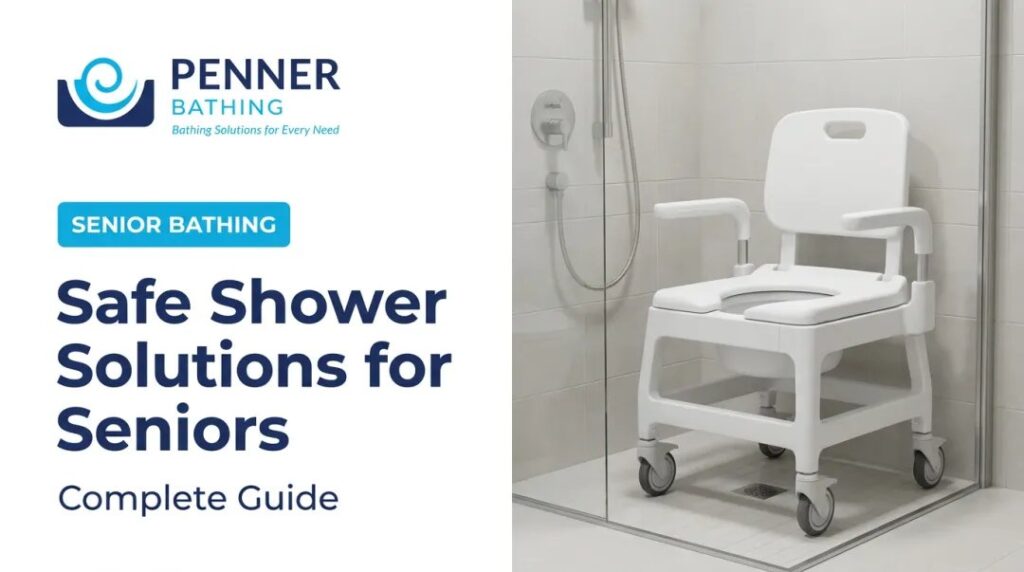
A fold-down wall seat isn’t right for everyone. If an older bather can’t slide across a bench or lacks upper body balance, a wall seat is unsafe. A rolling shower commode chair works better because caregivers can wheel the person straight into a curbless stall.
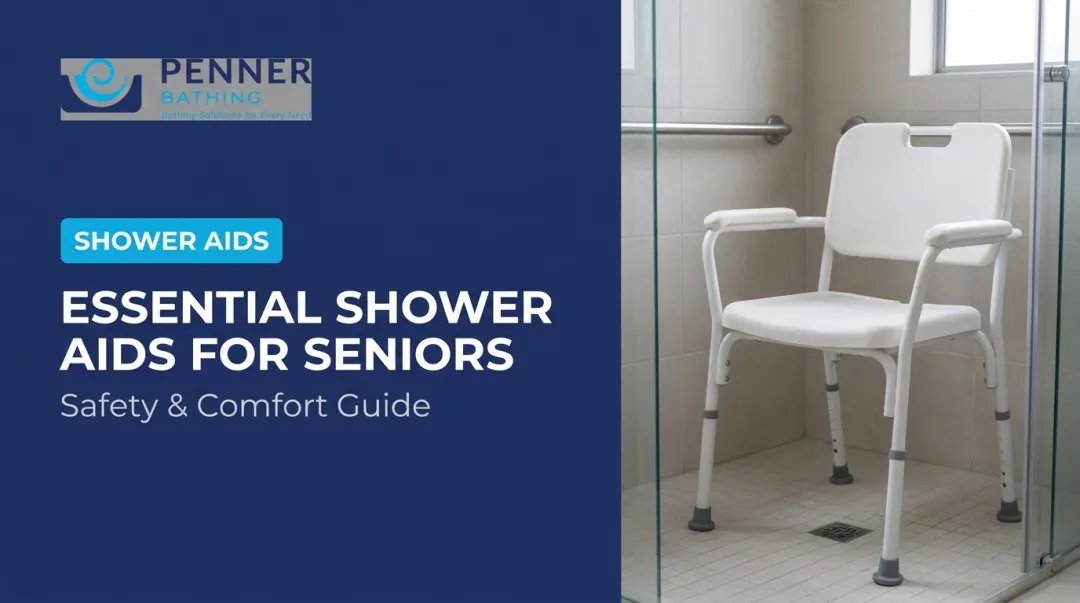
This installation is also not suitable for rental apartments where landlords forbid drilling into bathroom tile. In that case, use a freestanding aluminum shower stool with rubber suction feet. Finally, avoid fold-down seats in narrow stalls under 34 inches wide; even folded up, the seat profile steals standing elbow room.
Frequently asked questions
Can you install a fold-down shower seat on tile?
Yes, but the fasteners must pass completely through the tile and bite at least 2.5 inches into solid wood framing. Fastening directly to tile or wall backer board with hollow-wall toggle bolts will tear the tile off the wall when someone sits down.
How high should a shower seat be off the floor?
Mount the seat between 17 and 19 inches above the finished shower floor. This matches standard chair height, letting the user sit down and stand up without straining their knees, while keeping their feet flat on the floor for stability.
What is the weight limit on folding shower seats?
Most standard folding seats support 250 to 350 pounds when screwed directly into sound framing studs. Specialized bariatric models with folding front legs support up to 500 pounds. Check the manufacturer’s label to confirm the rated limit for your specific model.
Is teak better than plastic for a shower seat?
No, plastic and phenolic seats last longer because they don’t absorb water or require oiling. Teak offers a warmer surface that feels less clinical, but it demands regular maintenance to stop soap buildup and mildew from making the wood slippery.
What happens if studs aren’t where I want the seat?
You must open the wall from either inside the shower or from an adjoining room to install horizontal 2×6 wood blocking between existing studs. Without internal blocking, you can’t install a wall-hung seat safely and must use a freestanding chair instead.
Final Thoughts
Taking the time to install your seat properly brings peace of mind to every morning routine. Once you’ve secured the hardware, you’ll find that your bathroom feels much more accessible and comfortable. Don’t wait until a slip happens; reach out to a local handyman today to get your project started right.