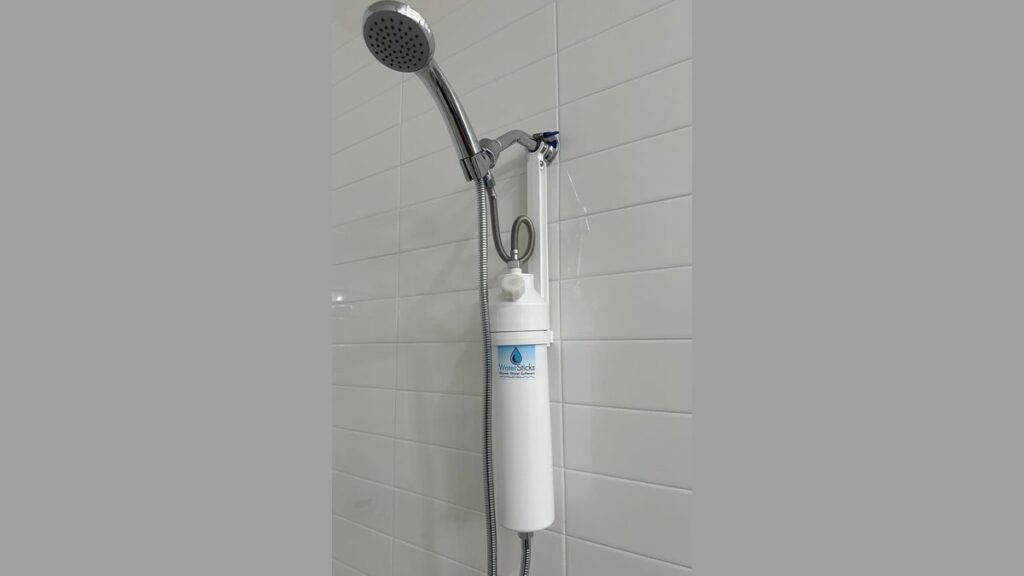
A standard shower water filter for hard water doesn’t soften water because true softening requires salt-based ion exchange to remove dissolved calcium and magnesium minerals. If mineral scale on your shower wall is the only problem, keep the current unit and descale it; if your skin is itchy from chlorine, buy a dedicated cartridge filter instead. The choice comes down to the age of your plumbing and what sits inside the supply lines.
Table of Contents
Repair or replace, at a glance
| If this is true | Repair | Replace |
|---|---|---|
| White crust blocks small nozzle holes | Soak parts in warm household vinegar | Mineral deposits clear quickly |
| The plastic housing shows hairline cracks | Housing integrity is compromised | Install brand new outer shell |
| Water flow dropped after six months | Cartridge media is completely clogged | Swap out the old cartridge |
| The screw threads leak under pressure | Replace the worn internal rubber washer | Retreading metal or plastic fails |
| Water smells strongly like pool bleach | Old carbon media can’t bind chlorine | Fresh media restores chemical filtration |
| Unit body is over five years | Plastic degrades under hot water cycles | New units prevent sudden burst leaks |
When repairing is the right call
Repairing the setup makes sense when physical blockages happen outside the core filter media. A drop in water stream pressure usually comes from mineral crust clogging the shower faceplate holes. You don’t need a new filter body when this happens. Submerge the disconnected shower head in a bowl with 2 cups of standard white vinegar for 4 hours; this dissolves calcium build-up without buying replacement hardware.
Fixing the hardware is also the right path when water drips from the connection joint. That leak happens because the internal silicone O-ring flattened out over time. A replacement washer costs pennies and takes 2 minutes to seat into the collar with your fingers. The trade-off is clear: you spend 15 minutes cleaning or reseating small seals to save the cost of buying an entirely new filter housing. However, this fix only applies if the plastic threads are intact. If you overtighten the fitting and strip the threads, no amount of tape or new washers will keep it watertight.
When replacing is the right call
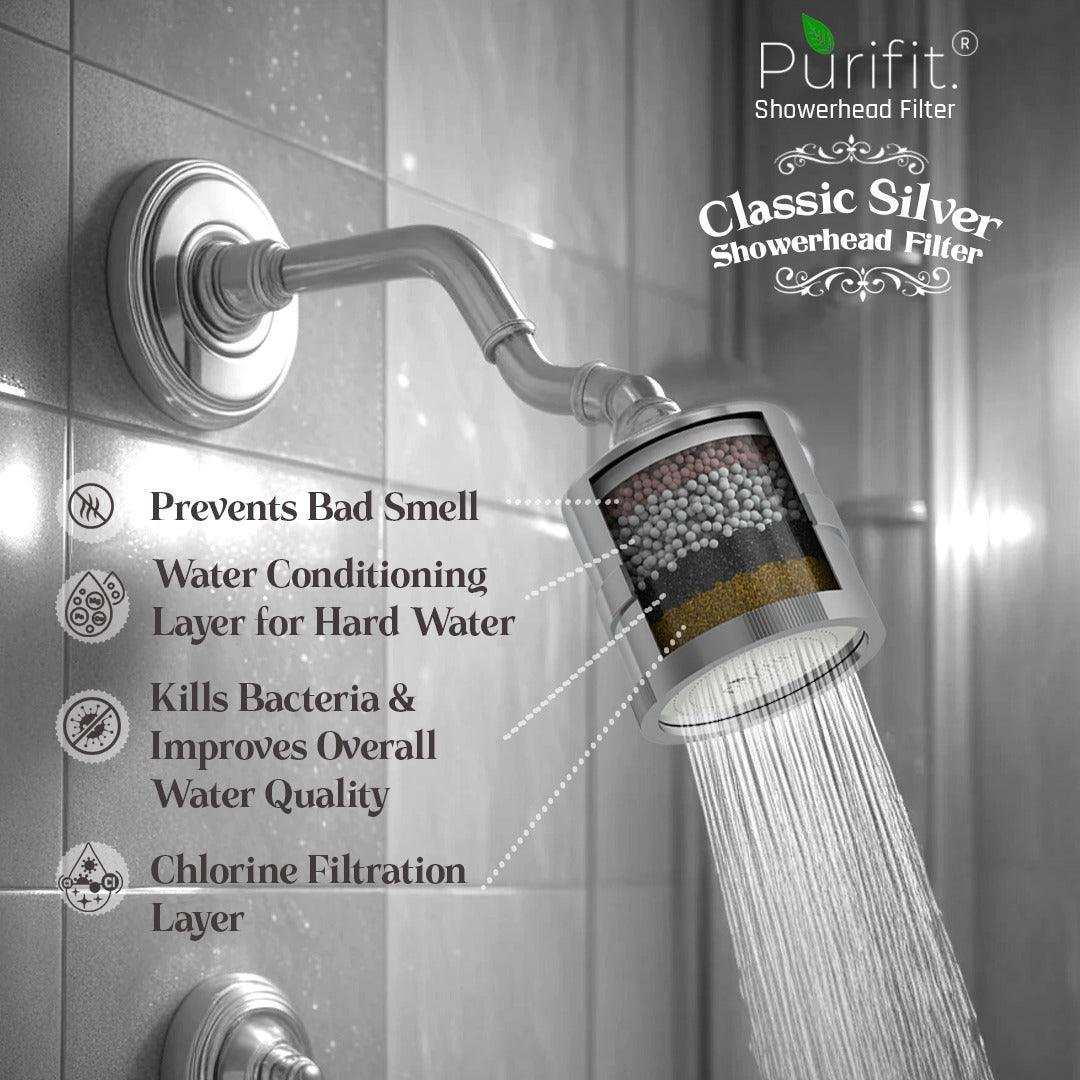
Replacing the whole filter unit is the only answer when the internal media fills up or the housing warps. The United States Geological Survey defines water hardness by the concentration of dissolved calcium carbonate, and shower filters simply lack the physical space for salt tanks to pull those minerals out. Small shower filters rely on kinetic degradation fluxion (KDF) or activated carbon. Once those materials get coated with sediment and chlorine compounds, they stop functioning entirely.
People make the mistake of leaving old cartridges in place for too long to save money. This backfires when the clogged media traps bacterial slime and drops your shower flow to a useless trickle. Who this isn’t for: renters with extremely hard well water who expect a 4-inch screw-on filter to stop thick mineral crust. That level of hardness demands a whole-house water softener installed directly on the main water line. For localized shower filters, plan to replace the drop-in cartridge regularly under standard municipal water conditions.
The costs people forget
- Plumbers charge a basic service fee simply to inspect home water lines before touching a tool.
- You lose regular shower access for hours if an old fitting snaps off inside the pipe wall during removal.
- Incompatible replacement cartridges force you to pay for return shipping and wait on a second delivery.
- Broken plastic filter casings can’t go into curbside recycling bins and end up in the municipal trash.
- Installing a heavier new unit often forces you to buy a stronger shower arm pipe to prevent wall leaks.
If you repair, ask this first
Before attempting repairs on your shower filtration setup, answer these points:
- Is the main shower shutoff valve working properly, so you don’t flood the bathroom floor during disassembly?
- Does the filter housing twist open smoothly by hand, or will forcing it with metal pliers crack the casing?
- Are the replacement O-rings the exact diameter and thickness listed in the product manual?
- Has the internal filtration media passed its rated lifespan, making an exterior cleaning pointless?
Stop immediately if you discover damaged, corroded pipe threads coming out of the bathroom wall. Stripping or cracking the pipe inside the wall cavity causes major structural leaks, and that job requires a licensed plumber with pipe extraction tools.
If you replace, look for this
Look for solid construction rather than miracle softening claims. Choose housings made from brass or thick ABS plastic rather than thin decorative metallic coatings. This varies by model — check the label to confirm the maximum operating pressure and heat limits. Pick designs using universal drop-in cartridges instead of proprietary shapes. Standardized cartridges allow you to buy replacement media easily down the road without having to take the entire shower assembly off the wall pipe again.
Frequently asked questions
Can a shower filter soften hard water?
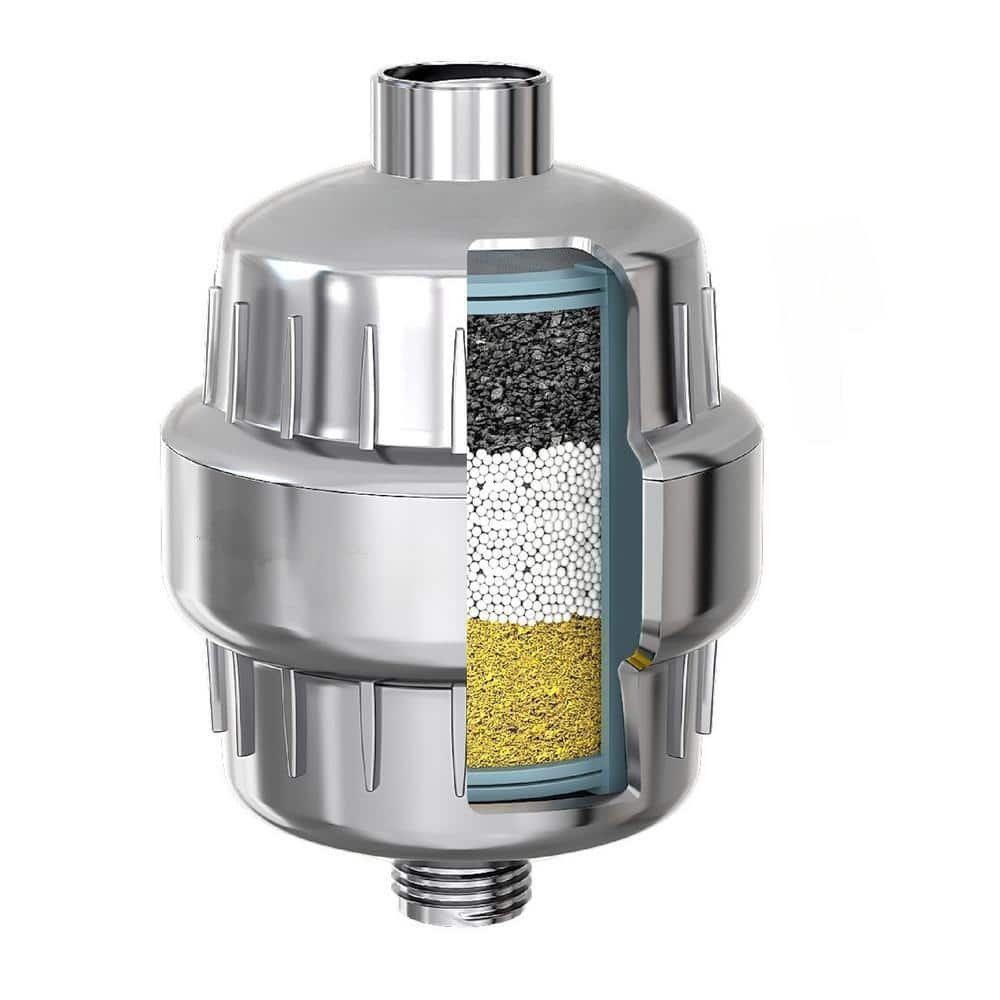
No, shower filters can’t soften water. Water softening requires removing dissolved calcium and magnesium through salt ion exchange. Small shower heads only contain enough space for media that targets chlorine, sulfur odors, and large rust particles.
Why does my new filter reduce water pressure?
The internal media creates natural resistance as water pushes through the dense layers. If your home has low baseline water pressure below 40 pounds per square square inch, adding any filtration cartridge will noticeably reduce the shower spray strength.
How long does a shower filter cartridge last?
About six months under standard municipal conditions. If your household has more than four people taking daily showers, the filtration media exhausts much faster and requires a swap based on the manufacturer’s total gallon capacity rating.
Is it safe to use hot water with carbon filters?
No, standard activated carbon loses its ability to trap chemicals as water heat rises. Standard activated carbon is less effective at high temperatures, which is why hot-water shower units use specialized KDF-55 copper-zinc alloy media instead.
What happens if I never change the filter?
The filter becomes a breeding ground for bacteria and mold while clogging water flow entirely. Trapped sediment forms a dense wall inside the cartridge, putting excess backpressure on your plumbing joints until water leaks behind the wall.
Does a shower filter remove fluoride?
No, shower filters don’t remove fluoride from your water supply. Fluoride reduction requires specialized activated alumina media running at very low flow rates, or a reverse osmosis system, which can’t produce the high gallons-per-minute rate needed for a shower.
Final Thoughts
Before you buy anything, test your home’s water hardness with a simple kit from the local hardware store. It’s a quick way to see what’s really happening in your pipes. Once you’ve got those results, you’ll be ready to pick the right solution that’ll finally make your daily shower feel comfortable again.
Related guides