A standard shower filter for hard water removal doesn’t actually pull out dissolved minerals like calcium and magnesium, but it significantly reduces free chlorine, dirt, and heavy metals that make hard-water dryness feel much worse. If you want full mineral removal at the showerhead, you need an ion-exchange device with softening resin rather than a basic filter cartridge. This guide covers how these units work, how to install them, and how to tell true softeners apart from simple chlorine filters.
Table of Contents
How shower filters handle hard water
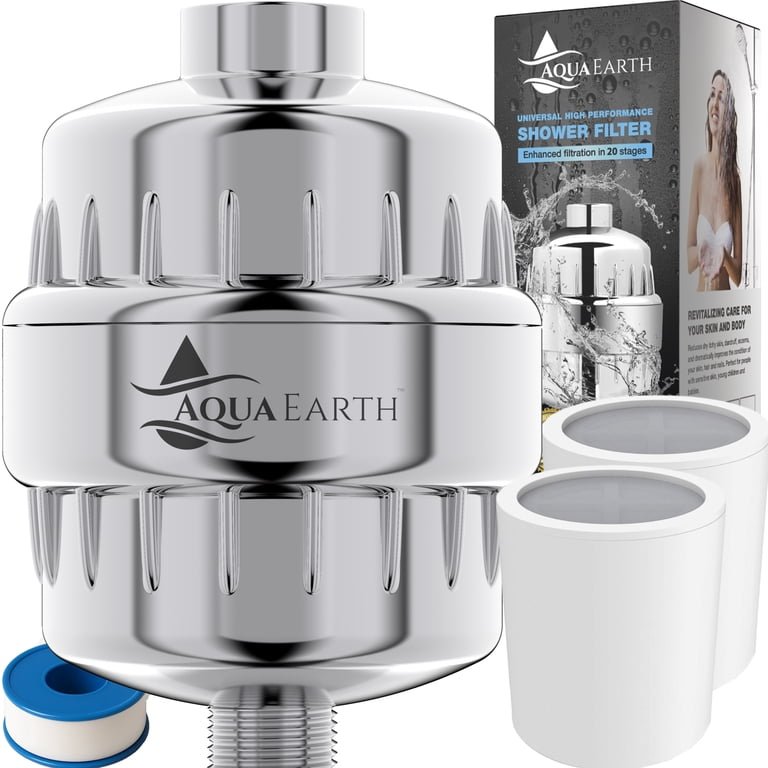
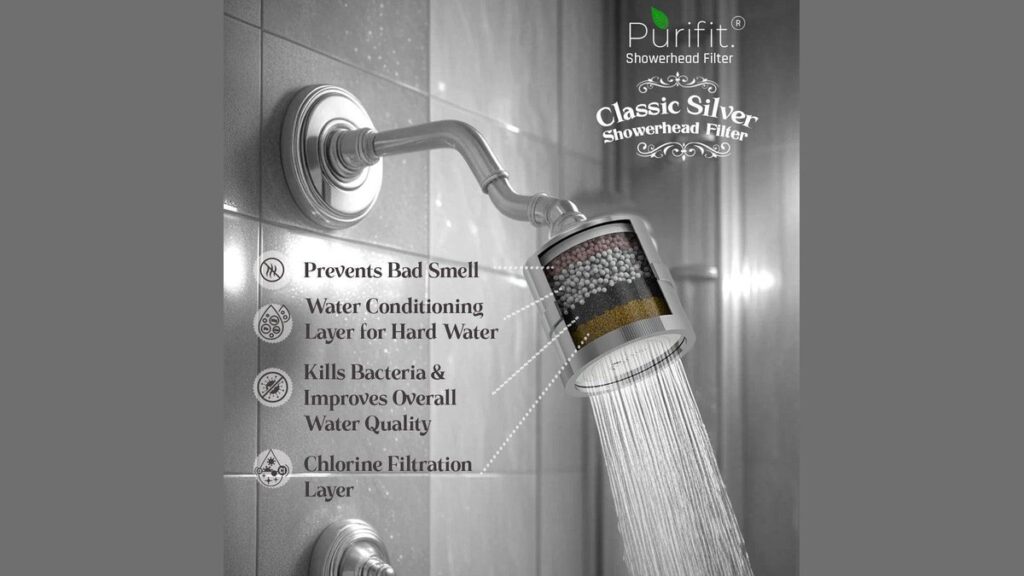
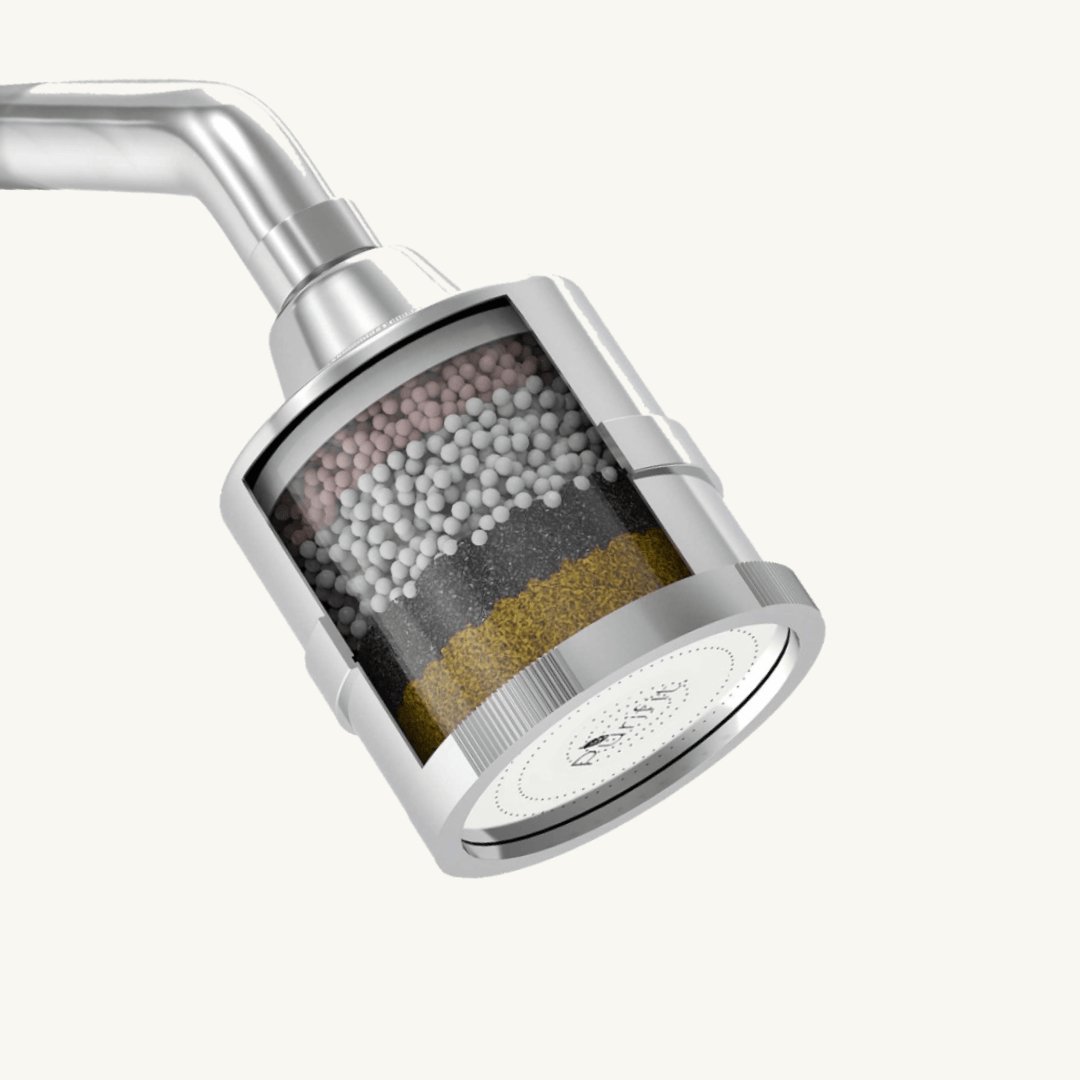
Hard water contains high levels of dissolved calcium and magnesium. A standard shower filter screws behind your showerhead and uses copper-zinc media (called KDF-55) alongside activated carbon. These materials use an oxidation-reduction reaction to convert harmful free chlorine into harmless chloride.
People often buy a shower filter expecting it to drop their mineral count to zero. That’s the biggest misconception in water filtration. Small screw-on cartridges lack the contact time and space needed to capture dissolved rock. Instead, they target harsh chemical disinfectants that react with mineral deposits on your skin and hair. True mineral reduction requires ion-exchange resin beads, which swap calcium ions for sodium or potassium ions. These beads take up substantial physical space and need frequent salt recharging to keep working. A basic sediment-and-carbon pod won’t soften your water; it simply cleans the flow so soap lathers more easily and skin stays less irritated.
The basic method
Installing an inline shower filter takes roughly 15 minutes and needs only a pair of slip-joint pliers, an old rag, and fresh plumber’s tape.
- Turn both shower knobs completely off to ensure no water pressure remains in the arm pipe.
- Wrap your rag around the showerhead nut to protect the finish, grip it with pliers, and twist it counterclockwise to remove it.
- Clean the exposed male threads on the shower arm using an old toothbrush, wiping away all old tape and mineral buildup.
- Wrap 3 full turns of white PTFE thread-seal tape clockwise around the shower arm threads, keeping the tape flat.
- Screw the filter housing directly onto the shower arm by hand until it feels firm, then tighten it 1/4 turn with your pliers.
- Place an empty bucket under the open end of the filter, turn on the cold water line, and flush the filter until 5 gallons of water have passed through and the flow runs clear.
- Wrap 3 turns of thread tape on the filter outlet, screw your showerhead back on by hand, and run the hot water for 30 seconds to check for leaks.
The single judgement call that separates a tight seal from a crack is thread tension: if you tighten metal fittings past hand-tight plus half a turn onto thin plastic threads, the housing will split. If your shower arm is corroded or stuck firmly inside the wall elbow, don’t force it with heavy tools; call a licensed plumber to avoid snapping the pipe behind your drywall.
Key numbers and settings at a glance
Water quality dictates which hardware works best and how frequently parts must be swapped.
| Situation | What to use | How long | What to watch for |
|---|---|---|---|
| City water with high chlorine | KDF-55 and carbon cartridge | 6 months for 2 users | Chemical smell returning to steam |
| Moderately hard well water | KDF-85 and sediment mesh | 3 to 4 months | Low flow from trapped sand |
| Low household water pressure | High-flow cartridge (2.5 GPM) | 4 to 6 months | Dribbling spray patterns |
| High-heat electric showers | Pure KDF copper-zinc media | 6 months | Carbon breaking down over 120°F |
What separates good results from bad ones
Proper thread preparation and flush cycles
Skilled installers never skip the initial flush. New carbon cartridges contain tiny black fines that easily clog fine showerhead nozzles if you attach the head before flushing. Running 5 gallons of water through the housing keeps your spray face clear. They also wrap thread tape strictly clockwise; wrapping counterclockwise causes the tape to bunch up and peel off as you twist the fitting on, leading to persistent drips.
Flow management and temperature checks
The common mistake people make is buying high-stage cartridges with dense sediment pads when their home already has marginal pressure. This can drop shower flow by half, making hot showers frustrating. A good setup balances filtration volume with steady output. If you want maximum chlorine reduction, keep the water below 120°F; high heat shortens the working life of standard activated carbon, though KDF media handles hot water without degrading.
Common problems and quick fixes
A leaking or slow filter usually points to a simple physical blockage or improper seal.
| What you notice | What it usually means | What to do first |
|---|---|---|
| Water sprays from the top joint | Missing or crushed rubber O-ring | Unscrew unit and place a fresh rubber washer flat inside |
| Flow drops after two weeks | Sediment clog on inlet screen | Unscrew housing, reverse it, and back-flush with high pressure |
| Black specks on the shower floor | Loose carbon dust from new media | Run water on full cold for 2 minutes to clear lines |
| Plastic housing develops a hairline crack | Fitting was overtightened during install | Replace the housing; never use glue on pressurized lines |
The rules that apply
Plumbing fixtures and water filters must meet verified performance benchmarks. Look for independent certification against NSF International drinking water treatment standards. This standard verifies that a unit reduces free chlorine under normal flow conditions. Standard 42 covers aesthetic impurities like taste, odor, and particulate matter.
Federal standards also regulate maximum showerhead discharge rates. Under the United States Energy Policy Act, showerheads and inline accessories sold for residential use must not exceed a maximum flow rate of 2.5 gallons per minute at 80 pounds per square inch of water pressure. States like California enforce a lower limit of 1.8 gallons per minute through the California Energy Commission. If modifying your setup requires altering pipes behind structural walls, building codes generally mandate a licensed professional handle the work.
Keeping your hardware running
A shower filter cartridge degrades as its interior media gets coated with oxidized compounds. Plan on replacing standard cartridges regularly, or sooner if sulfur odors return. This varies by model — check the label for exact gallon ratings.
When you replace the cartridge, take the opportunity to clean the showerhead itself. Submerge the disconnected head in a 50/50 mix of warm tap water and distilled white vinegar for 2 hours to dissolve external crust, then scrub the rubber nozzles with a soft brush. Rinse the housing threads, apply fresh plumber’s tape, and inspect the internal silicone gasket for cracks before securing everything back into place.
When to use a different approach
This inline approach isn’t for homes with extreme mineral hardness above 15 grains per gallon where thick white scale coats every tile. A small shower cartridge simply can’t alter that volume of rock. In that situation, install a whole-house salt-based water softener at your main supply line.
Similarly, if you rent an apartment with an integrated, non-removable wand system or brittle antique plumbing, don’t risk twisting pipes off in the wall. Use a chelating shampoo formulated with EDTA to bind minerals in your hair instead of adding physical hardware.
Frequently asked questions
Can a shower filter remove calcium scale?
No, small shower cartridges don’t remove dissolved calcium. They reduce chlorine, sediment, and heavy metals. You need a whole-house ion-exchange softener to physically strip calcium minerals from your water supply.
How often do shower filters need replacing?
Replace cartridges regularly under average municipal conditions. If you have four people using one bathroom or draw from a silty well, you must swap cartridges whenever you notice it.
Will a shower filter hurt my water pressure?
Yes, every inline attachment adds slight resistance to water flow. A clean filter causes barely noticeable drops, but a sediment-heavy filter can reduce output by 30 to 50 percent once debris builds inside.
Can I run boiling hot water through the filter?
No, water hotter than 120°F can degrade the activated carbon inside the cartridge. Extreme heat can degrade the structural integrity of the carbon media, so maintain standard safe bathing temperatures.
Do I need tools to replace the inner cartridge?
No, you can open most modern housings by twisting the middle halves counterclockwise with your hands. You only need wrenches if mineral scale glues the outer threads together over time.
Final Thoughts
Choosing the right unit makes a real difference in how your skin and hair feel after every wash. It’s worth checking your local water report to see exactly what you’re dealing with before you buy. You’ll be glad you made the switch once you’re finally enjoying that softer, cleaner shower experience.
Related guides