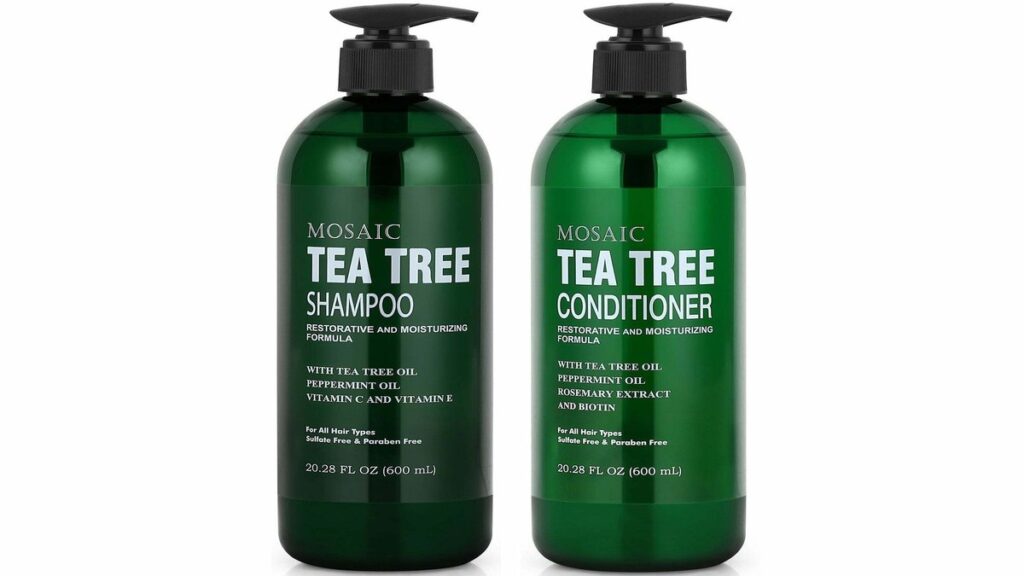
A tea tree oil shampoo and conditioner set clears excess scalp sebum, reduces flaking, and cools irritation using natural antimicrobial compounds from Melaleuca alternifolia leaves. Most people get balanced results by using the pair two to three times each week rather than daily. This guide covers the correct contact times, proper application steps, specific scalp limits, and how to avoid allergic contact flare-ups.
Table of Contents
How to use the shampoo and conditioner
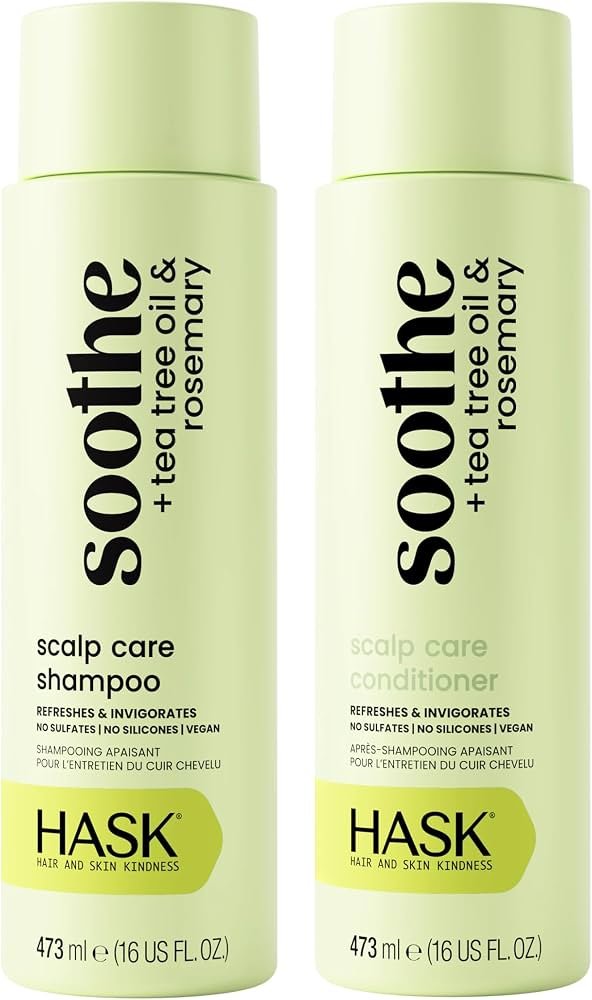
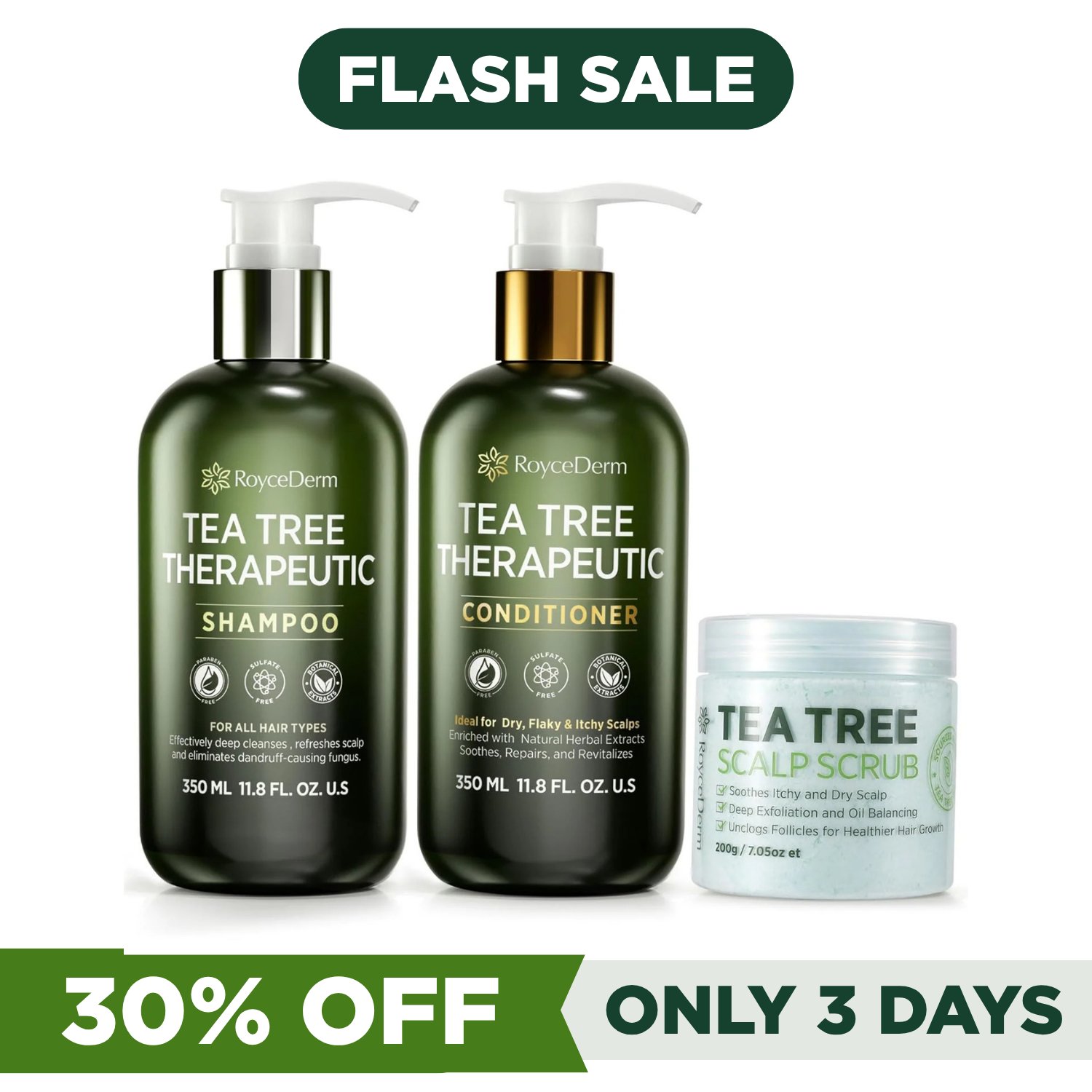
This matched hair care system combines a clarifying wash with a hydrating rinse, both infused with Australian tea tree oil. The shampoo dissolves greasy buildup and unclogs hair follicles, while the conditioner restores lost moisture to hair shafts without coating the skin in heavy waxes. People with oily roots, itchy patches, or mild white flakes benefit the most from this routine.
A common misconception is that tea tree sets cure true chronic scalp conditions overnight or permanently kill off normal skin yeast. Terpinen-4-ol, the primary active agent in the oil, damages the cell membranes of susceptible fungi and bacteria to keep their surface populations manageable. However, this varies by product — check the label for exact oil concentrations, as cosmetic brands formulate their blends differently. The trade-off is clear: you trade rich cosmetic perfumes and heavy smoothing silicones for active herbal cleansing that can feel slightly astringent if overused.
The basic method
Follow these steps to treat your scalp without drying out your hair ends.
- Wet your hair thoroughly with lukewarm water for 60 seconds to loosen surface debris.
- Pour a nickel-sized amount (about 5 milliliters) of shampoo into your palms and lather it lightly. If your hair reaches past your shoulders, double this to 10 milliliters.
- Massage the shampoo directly into your scalp with your fingertips for 2 minutes. Keep your fingernails flat to avoid scratching sensitive tissue.
- Leave the lather on your scalp for 3 full minutes to let the terpinen-4-ol work against surface buildup.
- Rinse your scalp completely with lukewarm water until the runoff is clear, which takes about 45 seconds.
- Squeeze excess water from your hair strands, then apply a quarter-sized amount (about 10 milliliters) of conditioner from the mid-lengths down to the ends. Keep the conditioner at least 1 inch away from your scalp surface.
- Let the conditioner sit on the strands for 2 to 3 minutes before rinsing with cool water for 30 seconds.
The single judgement call that separates a good result from a bad one is where you place each product. Apply shampoo strictly to the skin at the roots, and apply conditioner exclusively to the hair shafts. If you suspect an allergic reaction or see open, bleeding lesions on your skin, stop using the product immediately and see a board-certified dermatologist.
Key numbers and settings at a glance
Wash habits depend on your natural skin production and hair structure.
What separates good results from bad ones
Scalp Prep and Mechanical Action
Rushing the wash ruins the benefits of botanical formulas. Water needs time to lift oil, so a 60-second rinse before applying shampoo ensures the active lather touches your skin rather than sitting on top of hair oils. Work the lather systematically from the hairline to the crown, and finish at the nape of the neck. Never pile the long ends of your hair onto your crown to scrub them; that action tangles cuticles and strips moisture from ends that never needed deep degreasing in the first place.
Managing Dwell Time and Rinsing
Leaving a clarifying formula on your head too long causes redness, while washing it off immediately wastes the herbal actives. Keep an eye on the clock for the 3-minute contact window. A common mistake people actually make is assuming a stronger tingling sensation means better healing. Chasing that intense tingle by scrubbing aggressively or ignoring burning skin can trigger contact dermatitis, which leaves you with raw, peeling skin that takes weeks to recover. Rinse with cooler water to seal the hair cuticle and settle surface circulation.
Common problems and quick fixes
When your scalp doesn’t respond well, adjust your technique using these verified fixes.
| What you notice | What it usually means | What to do first |
|---|---|---|
| Red, burning scalp skin | Irritation from botanical oils | Rinse with cold water and pause use for 7 days |
| Dull, straw-like hair ends | Conditioner placed wrong or shampoo too harsh | Apply conditioner only from the ears downward |
| Flakes increase after three washes | Dry skin reaction rather than fungal oiliness | Cut usage down to once per week |
| Roots feel greasy by evening | Incomplete rinsing of product residue | Rinse with warm water for an extra 60 seconds |
Safe formulation standards
Pure tea tree oil can easily irritate human skin if used undiluted. The Scientific Committee on Consumer Safety (SCCS), an advisory body for the European Commission, concluded in its published opinion on Melaleuca alternifolia that cosmetic formulations shouldn’t exceed a 1% concentration of tea tree oil to ensure consumer safety and minimize the risk of skin sensitization.
In the United States, the Food and Drug Administration (FDA) monitors personal care products under the Modernization of Cosmetics Regulation Act. The agency requires clear ingredient declarations so users can track botanical additions. The National Center for Complementary and Integrative Health advises that tea tree oil should never be swallowed and notes that topical use can cause allergic contact dermatitis in sensitive individuals. If your scalp develops swelling, weeping sores, or severe hives, this requires medical evaluation rather than home hair treatments.
Proper storage and maintenance
Store both bottles away from direct sunlight and heat. Exposure to air and ultraviolet light oxidizes terpinen-4-ol into irritants like ascaridole and p-cymene, which dramatically increase your risk of skin allergies. Keep the bottle caps snapped tight between showers to stop bath steam from degrading the plant extracts inside.
Check your bottles regularly for signs of spoilage. If the crisp, medicinal scent turns sour, musty, or unusually sharp, throw the product out. Discard any bottle that has separated into watery layers that don’t blend when shaken. As a rule, finish open bottles within 12 months of unsealing them.
When to use a different approach
This botanical wash system isn’t suitable for every scalp condition: – Severe Seborrheic Dermatitis: Thick, yellow, waxy crusts glued to the scalp require medicated formulas containing ketoconazole, selenium sulfide, or zinc pyrithione. – Open Scalp Psoriasis: Silvery, raised plaques crack easily. Essential oils will sting open cracks intensely; use prescription topical treatments instead. – Bleached or Highly Porous Hair: Tea tree surfactants open hair cuticles and strip moisture rapidly. Use a gentle, sulfate-free cream cleanser instead to prevent breakage.
Who this is NOT for: anyone with a confirmed allergy to plants in the Myrtaceae (myrtle) family should avoid these sets entirely.
Frequently asked questions

Can you use tea tree oil shampoo every day?
No, daily use is usually too drying for your hair and skin. It strips away protective natural oils, prompting your scalp to produce even more oil to compensate. Stick to using it two or three times each week unless your dermatologist tells you otherwise.
Why does my scalp tingle when using this shampoo?
The tingle comes from natural menthol-like compounds in the oil stimulating surface nerve endings and blood flow. A light, cooling sensation is normal and safe. However, if the tingle shifts into sharp stinging, itching, or burning, wash it out immediately with clean water.
How long does it take to see results on flakes?
About two to three weeks of consistent use will show visible improvement. This provides enough time for your skin cells to complete a partial turnover cycle under reduced oil levels. If flakes persist after four weeks, switch to a medicated anti-dandruff wash.
Is tea tree shampoo safe for colored hair?
Yes, provided the bottle states it’s sulfate-free and color-safe. The natural astringency of the oil can lift hair cuticles, causing artificial dye molecules to leach out faster under hot water. Always wash colored hair with lukewarm or cool water.
What happens if you get tea tree shampoo in your eyes?
It will burn intensely and cause redness because essential oils irritate sensitive mucous membranes. Flush your open eyes immediately under a gentle stream of lukewarm tap water for at least five minutes. Contact an eye doctor if stinging continues past an hour.
Final Thoughts
Consistency is the secret to a healthy, flake-free scalp. If you don’t see immediate improvement, give your skin a few weeks to adjust to the natural ingredients. Once you’ve finished your first bottle, you’ll likely find that your hair feels lighter and much more refreshed than it did before.