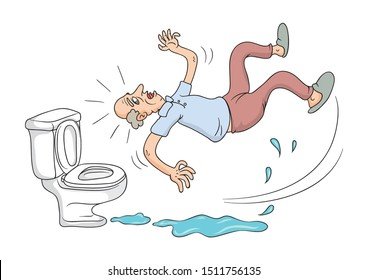
Usually, your immediate safety depends on whether you hit your head or twisted your neck. When an urgent thought like i slipped and fell in the bathroom crosses your mind while you’re on the floor, staying completely still for a full minute to check for sharp pain is your best move. Moving too fast with a hidden bone fracture or spinal trauma can turn a simple bruise into severe, permanent nerve damage.
Table of Contents
Safe and not safe
| Situation | Safe? | Why |
|---|---|---|
| Clear head, standing slowly | Yes | No dizziness or sudden spine pain |
| Bruised thigh or buttocks | Yes | Soft tissue impact without broken bone |
| Hitting head with brief blackout | No | Risk of severe internal brain bleeding |
| Neck pain radiating down arms | No | Possible spinal cord injury needs immobilization |
| Moving with crooked limb | No | Broken bones tear muscle when moved |
| Slight wrist sprain, moving fingers | With care | Needs ice and rest, watch swelling |
| Getting up using solid fixtures | With care | Slippery surfaces can cause second fall |
What the risk actually is
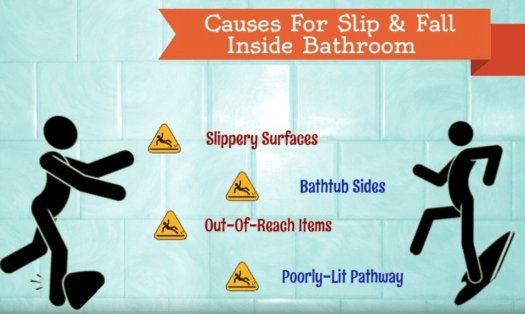
The danger from falling on hard tile comes from sudden impact against dense materials like porcelain, stone, or cast iron. Your bathroom has narrow clearance and wet surfaces, which stops you from catching your balance naturally. The physical harm ranges from deep muscle contusions to skull fractures, hip breaks, and internal bleeding.
According to injury prevention reports from the CDC Older Adult Falls Data, falls are a leading cause of severe injury, especially among seniors whose bone density has decreased. If you take prescription blood thinners like warfarin or apixaban, your body can’t clot blood quickly after a hard blow. That turns even a mild bump on the edge of the sink into a life-threatening internal bleed.
If you rent or own your home, ignoring these hazards risks high medical bills from emergency care. This guide isn’t for people who lost consciousness, can’t feel their feet, or have bones poking through skin; these cases need emergency crews immediately. A big mistake people make is hiding their fall from family to avoid worry. That mistake costs them critical hours when a slow brain bleed needs fast surgical care.
The signs to stop immediately
- Unequal eye pupils or blurred vision, which points to a traumatic brain injury.
- Numbness or tingling in your hands, showing possible neck trauma.
- Inability to bear weight on one leg, signaling a fractured hip.
- A deep cut with blood pumping out, meaning an artery is cut.
- Ongoing nausea or vomiting after hitting your head, which marks raised skull pressure.
These signs mean you must not attempt to stand up; call emergency services like 911 or shout for outside help immediately.
The safer way to do it
- Take slow, deep breaths for 60 seconds while lying flat on your back to calm shock.
- Wiggle your toes and roll your ankles gently to check your lower legs for pain.
- Bend your knees slowly at a 45-degree angle, keeping your feet flat on the tile.
- Roll onto your side toward your stronger arm, resting there for 30 seconds.
- Push your torso up using both hands until you’re resting on your hands and knees.
- Crawl toward a heavy, fixed object like the toilet bowl or a sturdy bathroom vanity.
- Place both hands firmly on the solid seat or counter, not on a loose towel bar.
- Bring your strongest foot forward flat on the floor, then push up into a seated position.
If it has already happened
First, sit on a solid chair or the closed toilet lid and catch your breath. If you feel dizzy, don’t try to walk out of the room alone. Apply an ice pack wrapped in a clean cloth for 15 minutes at a time to reduce swelling on painful joints. If you live alone, carry your phone or press your medical alert pendant right now. If you experience severe swelling, deformity, or sharp abdominal pain, call an ambulance immediately; if the injury is just a mild ache that fades when resting, keep off your feet and monitor it closely. When severe pain prevents normal walking for more than two hours, home treatment is no longer safe, so visit an urgent care center or call an emergency doctor.
Frequently asked questions
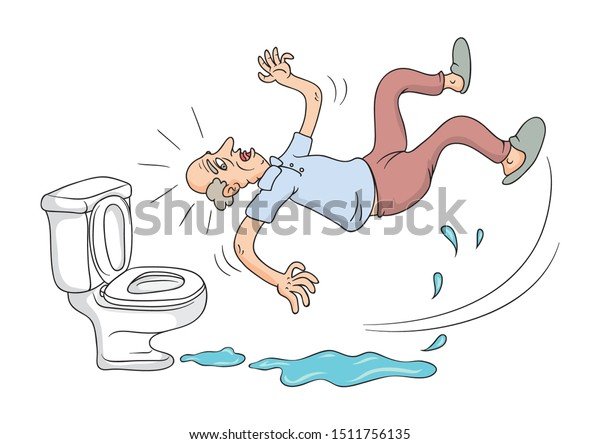
Can I sleep after falling and hitting my head?
No, you shouldn’t go straight to sleep if you feel confused, nauseated, or dizzy. Have someone monitor you for at least four hours to watch for signs of a concussion. If you live alone and hit your head hard, get checked at an emergency clinic before resting.
Why does my back hurt worse the day after a fall?
Inflammation peaks within 24 to 48 hours after your muscle tissues suffer an impact. As your body rushes fluid and white blood cells to protect the bruised area, stiffness and soreness increase. If the back pain shoots down your legs or causes numbness, get evaluated for disc damage.
How long does bathroom fall bruising usually take to heal?
About two to three weeks is the normal time for a deep tissue bruise to fade completely. The mark will change color from dark purple to greenish-yellow as your body clears pooled blood. If the swelling gets larger after day two, see a doctor to rule out a hematoma.
Is it safe to pull myself up using a towel rack?
No, because wall-mounted towel bars are only anchored to hold light fabric, not your body weight. Pulling on them will rip the brackets straight out of the drywall, causing a second impact. Always reach for a heavy fixture like the rim of the toilet base or a bolted vanity.
What happens if I hit my head while on blood thinners?
You must go to the emergency room immediately, even if you feel completely fine right now. Blood thinners stop your blood from clotting, which allows broken vessels in your skull to bleed continuously. A brain scan is the only reliable way to rule out a silent hemorrhage.
Does a hot bath help sore muscles right after a fall?
No, heat increases blood flow to injured tissues and makes fresh swelling and internal bruising much worse. Use cold ice packs wrapped in towels for the first 48 hours to calm inflammation. Switch to warm baths only after three full days have passed without swelling.
How do I know if my wrist is broken or just sprained?
A break usually causes visible deformity, severe throbbing, and an inability to rotate your palm upward. Sprains hurt during movement but generally keep their normal shape. You’ll need an X-ray at a clinic to know for certain, as small bone fractures often look like standard sprains.
Final Thoughts
Once you’ve safely regained your footing, take a moment to look at your floor’s surface. If it’s slippery when wet, installing a simple suction-cup mat or adding adhesive strips can prevent this from happening again. It’s a small, inexpensive change that’ll give you much more peace of mind during your morning routine.
Related guides
- Bathroom Grab Bars for Elderly: A Guide to Safety and Stability
- Bathroom Sink Stopper Replacement: A Simple DIY Guide
- Can a Bathroom Scale Help You Lose Weight? Here Is How