A look across real high pressure ionic filtration shower head reviews shows they boost spray force by pushing water through tiny holes, but they don’t soften hard water. The trade-off is simple: you gain a sharper spray, but you must clean the nozzle plate often to prevent clogs. This guide covers how these handheld units perform, what the mineral beads truly filter, and how to set one up without leaks.
Table of Contents
How ionic filtration improves water pressure
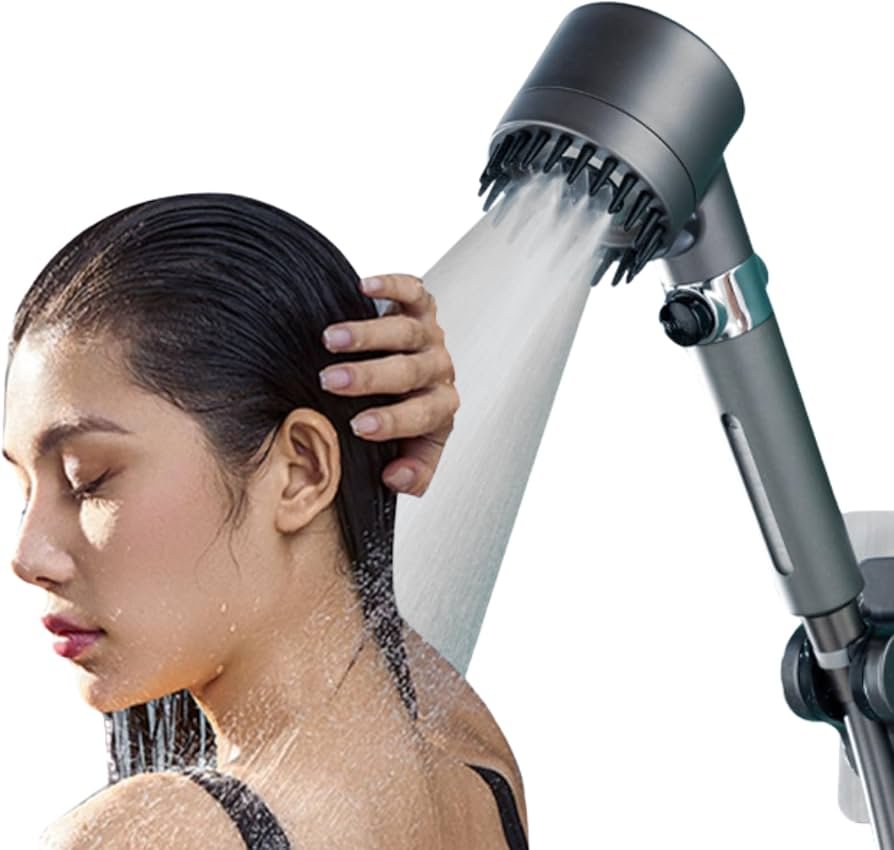
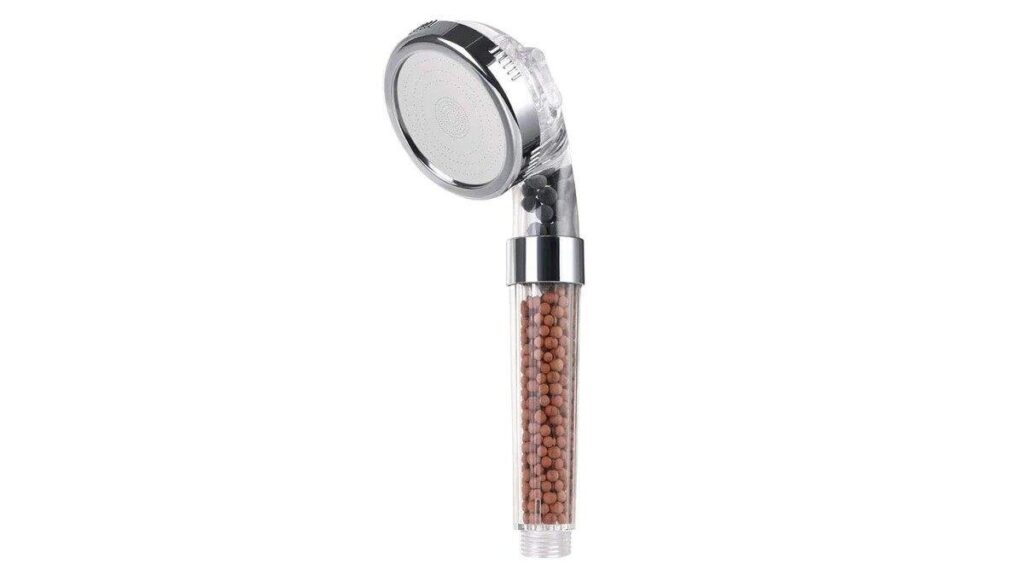
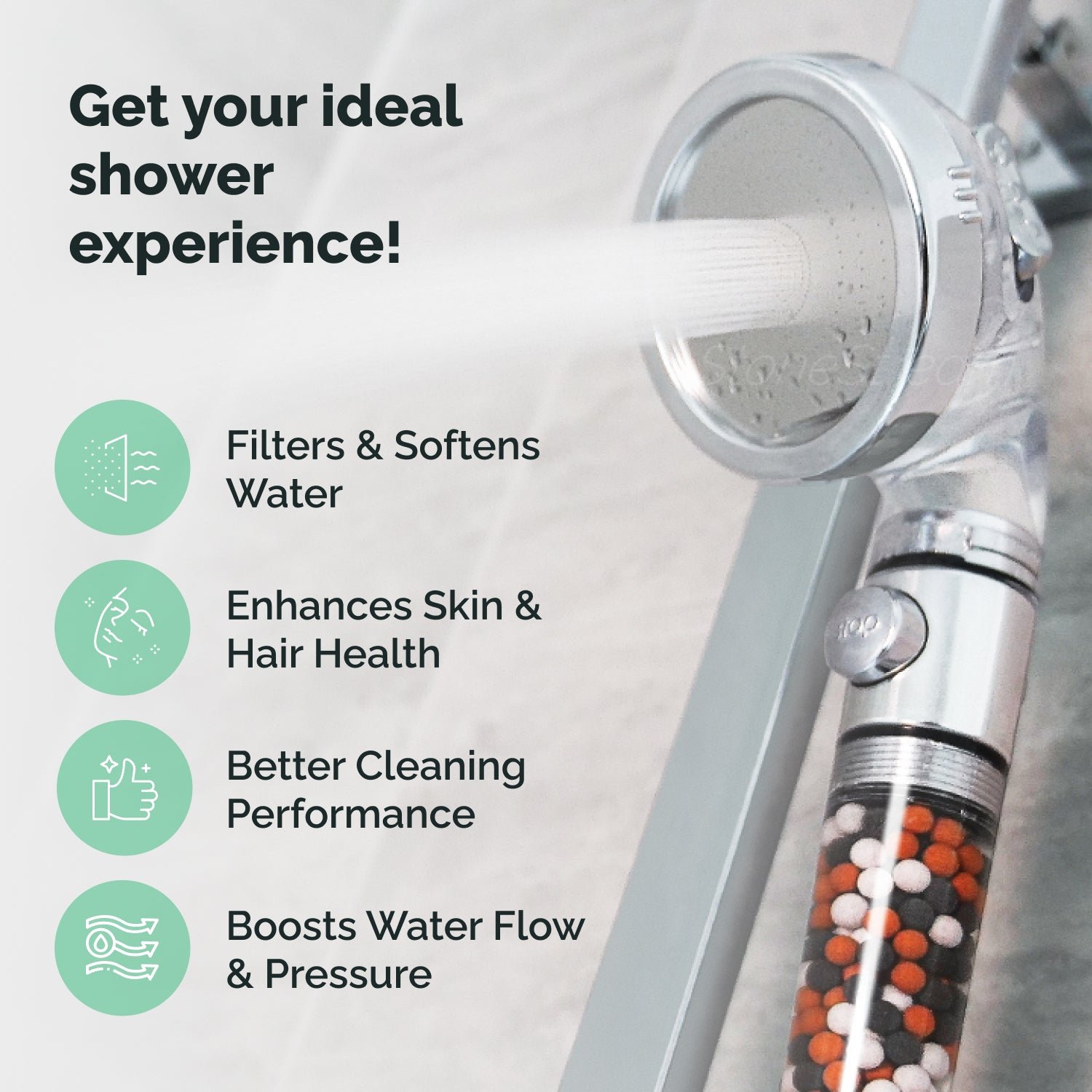
An ionic shower head is a clear plastic handle packed with small mineral beads that screws onto a standard shower hose. Water flows through these ceramic balls before forcing its way through micro-punches in a stainless steel plate. If your home has low water pressure, the tiny holes speed up the stream, making the spray feel stronger. If your plumbing already has high water pressure, the unit won’t add more power and can cause the plastic neck to crack.
Many buyers believe the multi-colored beads soften hard water. They don’t. Real water softening requires removing calcium and magnesium ions through salt-based exchange systems. The ceramic balls inside these handles only catch large sediment, sand, and flakes of rust. The negative-ion claims printed on retail boxes are mostly marketing hype. This product is for renters who want a firmer rinse without replacing their home plumbing.
The basic method
Installing one takes less than 15 minutes using basic tools.
- Turn both shower knobs completely off so no water runs while you work.
- Unscrew your current shower head by turning it counterclockwise with your hands or an adjustable wrench.
- Clean the bare pipe threads with an old rag to remove dirt and dried joint compound.
- Wrap white thread-seal tape around the pipe threads clockwise 3 full times, pulling it snug into the grooves.
- Check that the round rubber washer sits flat inside the new hose connector.
- Screw the shower hose onto the wall pipe clockwise by hand until it stops turning easily.
- Ensure the rubber washer is seated inside the hose connector, then screw the hose onto the ionic handle by hand until snug.
- Turn the water supply on slowly to check the joints.
The main judgement call is how tightly you turn the plastic fittings. Hand-tight is usually enough; if you overtighten a wrench onto cheap plastic threads, they crack instantly and ruin the seal. A mistake people actually make is grabbing the handle with metal pliers, which crushes the thin plastic casing and wastes the purchase. If your home pipes are heavily corroded and won’t budge, call a licensed plumber so you don’t snap the fitting inside the wall.
Key numbers and settings at a glance
Here are the practical settings and limits you need to know before running one:
What separates good results from bad ones
Thread prep and alignment
Experienced users pay attention to the washers and tape before running a drop of water. They keep the rubber washer perfectly flat in the nut base instead of letting it slip sideways. They wrap Teflon tape clockwise so the threads don’t push the tape off while turning. They leave the clear plastic body alone once it’s snug.
Flow checks and handling
Check the spray pattern immediately at half volume. If streams shoot out sideways, a hole is already blocked by packing dust. Experienced users unscrew the metal faceplate first, rinse it in a sink, and put it back before taking a full shower. They never drop the wand on hard tile floors, because the thin polycarbonate shell can split along the seam.
Common problems and quick fixes
Use this list when the wand behaves strangely:
| What you notice | What it usually means | What to do first |
|---|---|---|
| Spray shoots sideways | Limescale blocks a micro-hole | Soak the faceplate in warm vinegar for 30 minutes |
| Water drips from hose connection | Washer is missing or seated crooked | Open the fitting and place the washer flat |
| Water pressure drops suddenly | Sediment plugged the bead chamber | Unscrew the handle and rinse the beads under a tap |
| Handle develops a hairline crack | Water pressure is too high or threads were overtightened | Replace the handle; plastic can’t be safely glued |
Federal limits on shower flow
Plumbing fixtures sold in the United States must follow strict flow limits to save water and energy. The EPA WaterSense program guidelines set the flow rate at no more than 2.0 gallons per minute at a test pressure of 80 pounds per square inch. Standard federal rules allow up to 2.5 gallons per minute.
Cheap imported ionic heads often ship with a small plastic restrictor disc tucked inside the handle base. If you take that disc out, the head might use more water than local municipal codes allow. If your local building code requires backflow prevention or specific flow limits, tampering with the restrictor can fail an inspection. For major pressure changes or installing permanent lines, hire a licensed tradesperson to keep your home up to standard.
Maintaining the beads and plate
Once installed, check the steel plate monthly. This varies by model — check the label to see how the casing opens. When you notice spray streams crossing each other, remove the top metal ring and soak the plate in white vinegar for half an hour to dissolve mineral crust.
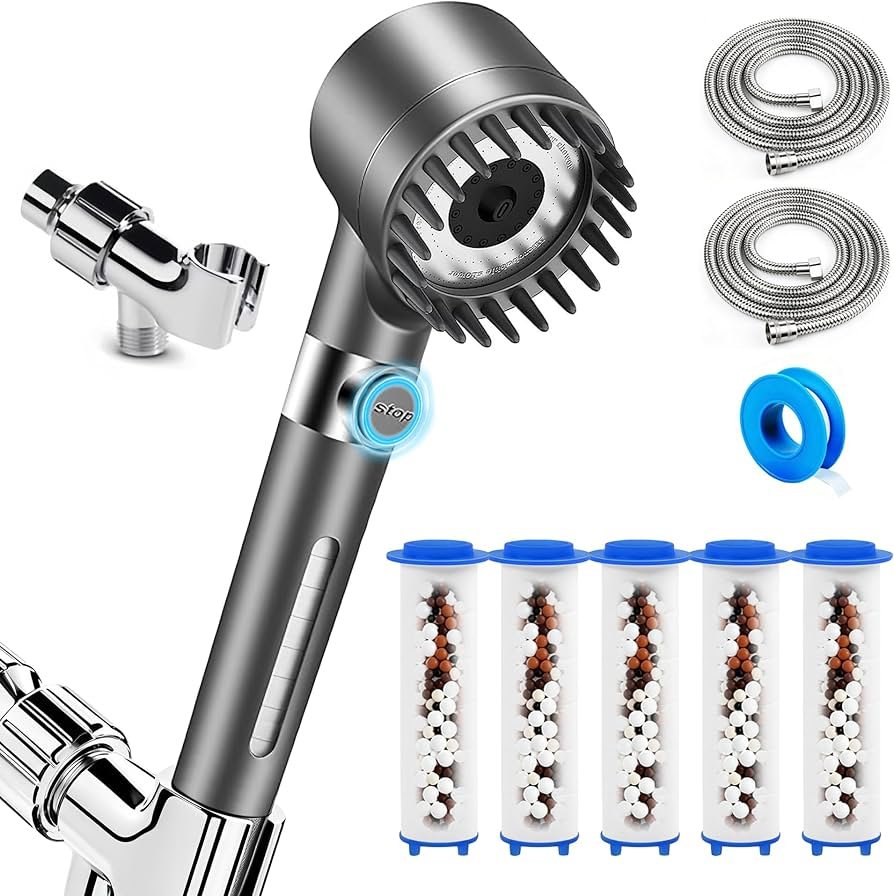
The mineral beads don’t last forever. As sediment coats their surfaces, water flow slows down. Replace the beads whenever they turn dark gray or when water pressure drops despite a clean faceplate. Rinse the inside chamber with clear warm water before pouring new beads into the tube. Keep the spare refill bags sealed in a dry closet so damp air doesn’t degrade them before use.
When to use a different approach
This unit is the wrong choice if your goal is softening hard water to stop soap scum on glass doors. For genuine hard water, install an under-sink or whole-house salt-based water softener instead.
This model is also not for people with very weak, thin hair or sensitive skin. The micro-punched plate turns water into sharp, needle-like jets that can sting on raw skin. In that case, buy a standard wide-spray shower head with an NSF-53 certified filter housing that targets chlorine without boosting pressure into a piercing spray.
Frequently asked questions
Can an ionic shower head soften hard water?
No. The ceramic beads can’t remove calcium or magnesium from your water supply. They trap small rust flecks and dirt, but the minerals that cause hard water scale pass right through the holes. You need a dedicated salt-based water softener to soften hard water.
Why did my water pressure get worse after a month?
Mineral deposits from your water supply have likely plugged the micro-holes in the steel plate. Sediment also fills the small gaps between the beads inside the handle. Soak the metal plate in warm vinegar and rinse the beads under a faucet to restore the flow.
How long do the replacement beads last?
About three to four months under normal use for a household of two people. If your home runs on well water with high sediment, the beads fill with dirt faster and may need changing every six to eight weeks. Replace them when the color darkens noticeably.
Is it safe to use without the flow restrictor?
Yes, it’s physically safe, but it uses significantly more water. Removing the restrictor might also violate regional efficiency laws if you live in states like California. The extra water volume also forces you to empty your hot water tank much faster during showers.
What happens if you drop the handle on the tub?
The clear plastic handle will likely crack along the molded seams. Most ionic shower heads use brittle polycarbonate or acrylic plastic to keep the body transparent. Once the body cracks, water will spray out of the handle sides and can’t be repaired.
Final Thoughts
Choosing the right model shouldn’t feel like a chore, so check your current shower arm’s size before you buy. Once you’ve picked a unit that fits your bathroom’s style, you’ll enjoy a much more refreshing rinse every morning. It’s a simple upgrade that’ll make your daily routine feel brand new.
Related guides