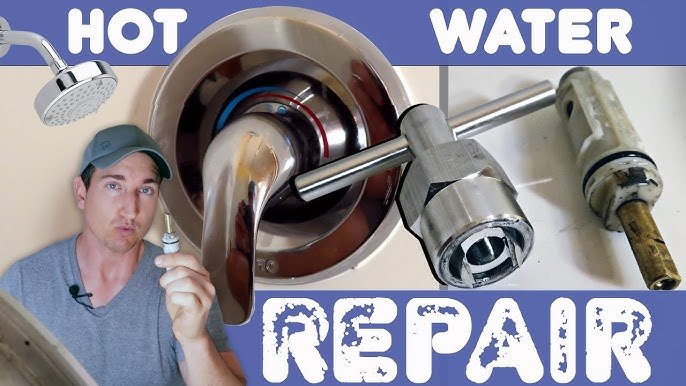
To fix hot water not working in shower setups, test your bathroom sink faucet first: if the sink runs hot, replace your shower’s failed mixing valve cartridge, but if every faucet stays cold, check your water heater for a tripped circuit breaker or an extinguished pilot light. A worn shower valve cartridge is the single most common cause.
Table of Contents
Why your shower water isn’t working
When a shower runs cold, the failure sits either at the central heater or inside the wall behind the handle. A tank water heater fails when its electric breaker trips, its gas pilot goes out, or its internal dip tube breaks and dumps cold water directly into the hot outlet.
Inside the shower, a mechanical piece called a cartridge blends hot and cold streams. Mineral deposits clog these narrow channels, or rubber seals rot, causing the valve to block incoming hot water entirely. Pressure-balancing spools can also seize after sudden plumbing pressure drops. Here is how symptoms match the underlying source:
| What you see | Likely cause | Who fixes it |
|---|---|---|
| Cold water everywhere in the home | Water heater power loss or empty tank | Homeowner (reset) or plumber |
| Sink is hot, but shower stays ice cold | Seized shower valve cartridge | Homeowner or plumber |
| Shower gets warm, never hot | Rotational limit stop set wrong | Homeowner |
| Water turns cold after two minutes | Broken water heater dip tube | Licensed plumber |
Check the other faucets first
This step is for anyone facing an icy shower who hasn’t touched any valves yet. Turn on the hot tap at your bathroom sink and kitchen sink. Let them run for 60 seconds.
If both sinks produce normal heat, your water heater works fine and the trouble sits strictly inside the shower controls. If the sinks stay cold, head directly to your utility closet. For an electric tank, check your main service panel for a tripped switch; for a gas unit, check the sight glass to see if the flame is lit. If you reset an electric breaker and it trips instantly again, stop immediately. Electrical shorts create fire hazards that require a licensed electrician or plumber. You’ll know this check worked when you isolate whether the failure affects one room or the entire property.
Adjust the rotational limit stop
This fix is for showers where hot water works elsewhere, but the shower only reaches lukewarm temperatures. Modern single-handle faucets feature a plastic safety disc behind the handle called a rotational limit stop. Manufacturers set this ring forward at the factory to prevent scalding injuries.
Pop off the decorative handle cap with a flat screwdriver, loosen the internal screw, and pull the handle off. You’ll see a notched plastic disc sitting on the brass cartridge stem. Pull this disc out slightly, rotate it counter-clockwise by two notches to allow the handle further travel toward the hot side, and push it back into place. Reinstall the handle temporarily and test the temperature with your hand. The trade-off here is safety versus heat: setting it too far can cause severe burns, especially for young children. If your water gets comfortably hot without reaching boiling temperatures, the adjustment succeeded.
Replace the shower cartridge
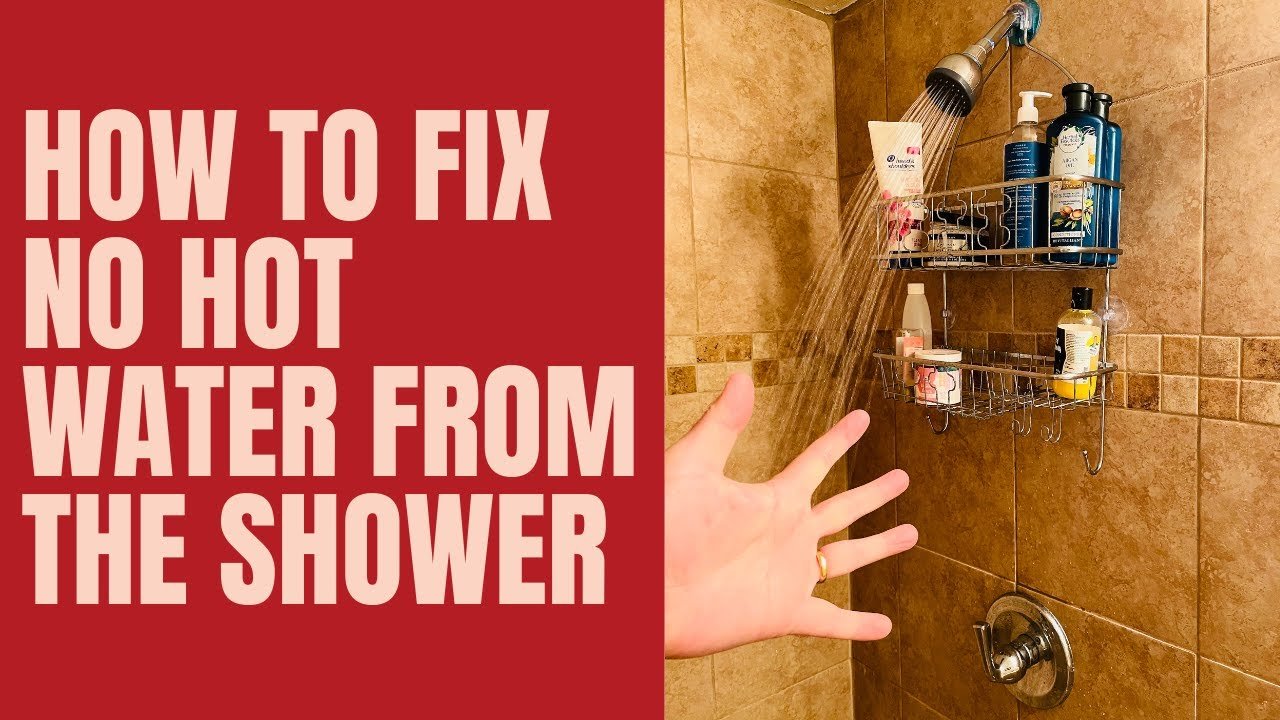
This step addresses shower valves that produce zero hot water while the rest of the home has plenty. Over several years, hard water scale locks the internal sliding parts. This fix isn’t for renters who are barred from altering plumbing, or anyone dealing with ancient two-handle valves embedded in concrete.
Shut off the water supply to the shower using the service stops behind the trim or the branch shutoff valve before touching any tools. A mistake people actually make is pulling the retaining clip while the water lines remain pressurized, which blasts the brass cartridge out of the wall and causes thousands of dollars in water damage.
Take the handle off, remove the metal trim sleeve, and pull out the brass retaining clip using needle-nose pliers. Wiggle the old cartridge free. Match it at your local hardware store to buy an exact duplicate, lubricate its rubber o-rings with silicone grease, and push it straight into the valve body. Reinsert the clip, turn your house water back on, and run the shower to confirm hot flow.
What not to do
- Don’t turn the water heater thermostat past safe thresholds. The Consumer Product Safety Commission burn safety guide recommends setting water heaters no higher than 120 degrees Fahrenheit to prevent burns while still supplying enough hot water.
- Don’t yank a stuck cartridge with extreme force using locking pliers. Applying excessive sideways pressure can easily crack the soldered copper joints behind your wall, turning a simple DIY repair into an emergency wall tear-out.
- Don’t keep flipping a tripped water heater breaker back on. A breaker that trips multiple times signals an internal electrical short or a burned-out heating element that can melt insulation.
- Don’t ignore a leaking single-handle valve.
How to stop it happening again
Regular maintenance stops plumbing valves from seizing and keeps your heater running smoothly.
| If you’re doing this | Do this instead | Why |
|---|---|---|
| Leaving the shower handle in one spot | Turn the handle through its full hot-and-cold range weekly | Moving parts stay free of crusty mineral buildup |
| Ignoring water heater tank noise | Flush sediment from the tank drain valve once a year | Hard minerals settle at the bottom and insulate heating elements |
| Running hard water through bare pipes | Install a whole-home water softening unit | Soft water prevents limescale from clogging tiny cartridge passages |
| Leaving the heater at maximum output | Keep your storage tank set right at 120 degrees | Lower heat cuts scale buildup and avoids scorching internal seals |
Frequently asked questions
Can a single faucet affect hot water across the house?
Yes.
Why does my shower turn cold after a few minutes?
Your water heater’s internal dip tube has likely cracked. This tube pushes incoming cold water to the tank’s bottom; when broken, incoming cold water mixes directly with the hot supply leaving the top of your tank.
Is it safe to replace a shower cartridge myself?
Yes, as long as you shut off the main water shutoff valve beforehand. If your plumbing features old, heavily corroded galvanized pipes or shutoff valves that won’t turn, call a licensed plumber to avoid breaking water lines inside the wall.
How long does a standard shower cartridge last?
Most valve cartridges function properly for several years, though heavy mineral content in well water ruins them much faster. This varies by model — check the label on your fixture or look up its manufacturer part number.
What happens if I ignore a water heater that trips the breaker?
Repeatedly resetting the breaker will burn out your wiring. If an electric water heater continues to trip the panel switch, it indicates a short circuit in the wiring or a failed thermostat, which requires professional diagnosis.
Final Thoughts
If you aren’t comfortable handling these internal plumbing parts, don’t hesitate to call a local professional. They’ll have the right tools to get your morning routine back to normal quickly. Getting an expert’s help ensures you won’t accidentally damage your pipes, so you’ll be enjoying a warm shower again in no time.
Related guides
- Bathroom Sink Filling With Water By Itself: How to Fix It
- Charcoal Filter for Bathroom Fan: Essential Air Quality Fix