Cleaning your ears in the shower takes about 2 minutes, costs nothing beyond your normal water bill, and ranks as easy, provided you never stick objects inside the ear canal. You only need a clean washcloth and warm water. If you have sudden ear pain, drainage, or an existing hole in your eardrum, stop here and see an ear specialist instead of washing them at home.
Table of Contents
Supplies for cleaning your ears

| Item | How much | Why it’s needed | A substitute |
|---|---|---|---|
| Warm water | Normal shower stream | Softens outer dried wax | none — don’t swap this |
| Cotton washcloth | 1 clean cloth | Wipes outer ear folds safely | Soft small towel |
| Shower towel | 1 dry towel | Dries outer skin completely | Soft paper towel |
| Mild body soap | 1 drop | Cleans outside skin behind ears | Gentle facial cleanser |
| Human fingers | Index finger only | Guides cloth over surface curves | none — don’t swap this |
Before you start
- Turn the shower dial to a warm setting and feel it on your wrist so it never burns your ear skin.
- Move the shower head to a gentle spray setting rather than a hard massage pulse.
- Tuck hair behind your shoulders so stray hairs don’t carry dirty water into your ear openings.
- Check your ear history: if you have tympanostomy tubes or a perforated eardrum, this process isn’t for you, so consult an otolaryngologist instead of putting water in your ears. Skipping this check can push dirty water into your middle ear and cause painful infections.
Step by step
- Test the water temperature on your wrist for 5 seconds to ensure it feels lukewarm. You know it worked when the water feels neutral and comfortable against your skin.
- Wet your washcloth under the shower stream until it’s fully soaked, which takes about 3 seconds. The cloth is ready when water drips freely from the corners.
- Tilt your head sideways for 10 seconds under indirect shower spray to let warm mist reach the outer bowl. You know it worked when the outer ear feels damp without high-pressure water blasting directly inside.
- Add 1 drop of mild soap onto the damp cloth and rub the cloth against itself for 5 seconds. You know it worked when a light lather forms across the cotton weave.
- Wrap the soapy washcloth around your index finger in a single flat layer. The step is complete when your fingertip is covered without bunching into a thick wedge.
- Wipe behind the earlobe and along the crease against your skull for 10 seconds. The area is clean when the skin feels smooth and free of body oils.
- Wipe the outer ear bowl and the curved cartilage folds using your wrapped finger for 10 seconds. You know it worked when you see loose, softened flakes on the cloth without ever pushing your finger into the canal opening.
- Rinse the cloth under clean water for 5 seconds until all soap bubbles disappear completely. The cloth is ready when the water squeezing out runs clear.
- Wipe the soap residue off your outer ear using the rinsed cloth for 10 seconds. You know it worked when the skin feels clean and doesn’t feel slippery anymore.
- Tilt your head toward the shower floor and pat your outer ear dry with your dry towel for 10 seconds. The process is complete when no moisture sits on your ear skin or near the canal opening.
How to know it worked

The outer folds of your ear feel smooth, non-greasy, and clean to the touch right after your shower. You should see no brown or yellow crust sitting in the bowl of your outer ear. Hearing should stay crisp immediately after stepping out; if your ear feels plugged, water got trapped inside or pushed wax against the drum. A thin film of wax inside the canal is normal and healthy. If you feel a wet, tickling sensation inside after 5 minutes, tilt your head sideways to let trapped moisture drain out.
If something goes wrong
| What happened | Why | What to do |
|---|---|---|
| Ear feels completely blocked | Water trapped behind softened wax | Tilt head down and gently pull the earlobe |
| Sudden dizziness or vertigo | Water was too hot or cold | Sit down until balance returns |
| Sharp canal pain | Water stream hit drum directly | Stop shower and call doctor |
| Skin feels itchy later | Soap dried inside outer folds | Rinse outer skin with clean water |
| Hearing sounds muffled | Wax pushed deep into canal | See doctor for professional removal |
How often to do this
Clean your outer ears in the shower regularly. Daily washing strips protective oils from your skin, which leads to dry, itchy ears. Your personal schedule changes based on two main conditions: body chemistry and your daily gear. If you produce excess natural oils or sweat heavily during manual work, wash them more often.
Frequently asked questions

Can I clean inside my ear canal while showering?
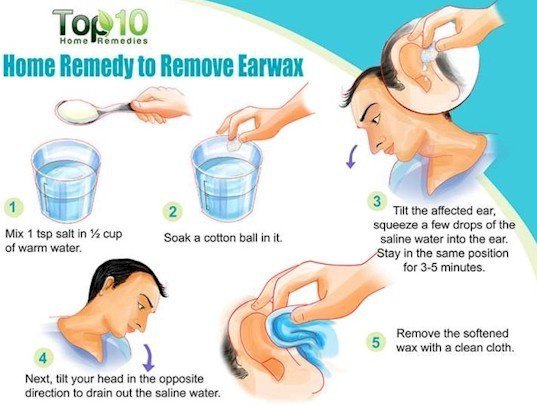
No. Never spray water or stick soapy fingers inside the canal itself. The canal skin is thin and easily damaged. Shower water should only touch the outer cartilage and the back of your ear, while the inner canal pushes dirt out by itself through normal jaw movements.
Why do my ears feel plugged after a shower?
Shower water has mixed with existing wax plugs inside your canal. When dried earwax absorbs water, it swells up like a sponge and closes the passage. Tilt your head to the side, pull your lobe gently downward, and let gravity draw the water out onto a towel.
Is it safe to use shower water pressure to flush wax?
No. Standard shower heads spray water at pressures that can easily puncture a delicate eardrum. Strong pressure also forces bacteria from dirty water deep into your middle ear. If you need a flush, buy a bulb syringe made for ears and use sterile saline solution instead.
What happens if soap gets deep inside my ear?
Soap irritates the sensitive canal lining and causes painful stinging or inflammation. If suds slip inside, don’t dig after them with a cotton swab. Tilt your head immediately to let the suds drain, then gently rinse the outer entrance with plain, unpressurized lukewarm water.
How long does trapped shower water stay in an ear?
Trapped water usually drains within a few minutes to an hour once you move your head around. If water stays trapped for over 24 hours, it creates a damp environment where bacteria grow. This problem often causes an infection commonly called swimmer’s ear.
Does the temperature of the shower water matter for ears?
Yes. Water that’s noticeably warmer or colder than your body temperature triggers rapid eye movement and intense dizziness. This reaction happens because the temperature shift upsets the fluid in your inner ear balance center. Always use neutral, lukewarm water near your head.
Final Thoughts
Keep this simple routine as part of your weekly habit to stay comfortable. If you ever feel like your hearing is muffled or notice stubborn buildup, don’t try to dig it out yourself. It’s better to schedule a quick visit with your doctor, who’ll safely clear things up for you.
Related guides