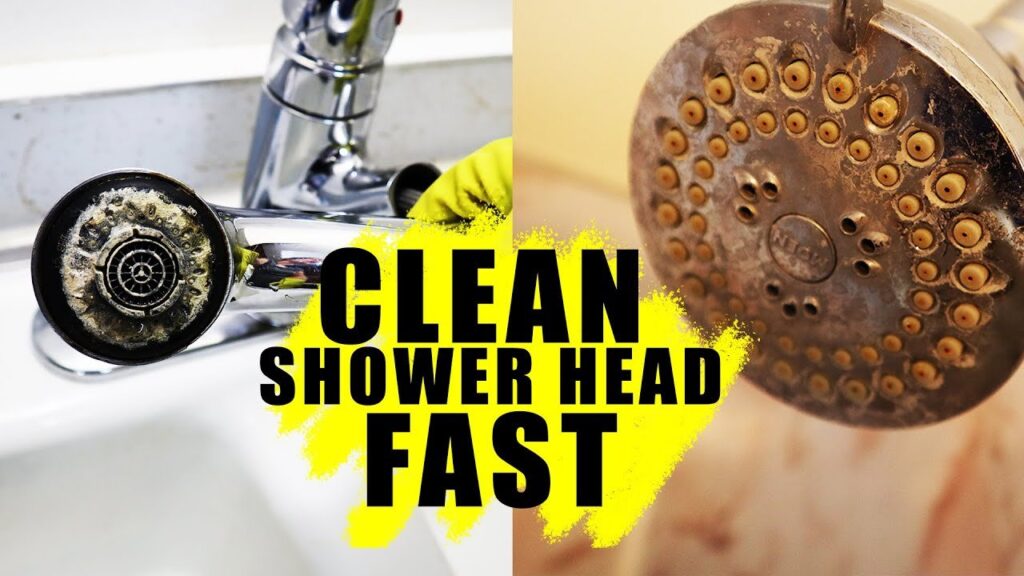
To descale a shower head with hard water, soak the fixture in 2 cups of plain distilled white vinegar for 2 to 4 hours. This dissolves the chalky mineral buildup that chokes water pressure. This method suits anyone with standard chrome or stainless steel fixtures who wants full water flow back without buying harsh store chemicals.
Table of Contents
Supplies to descale your shower head

- 2 cups of standard white distilled vinegar with 5% acidity; cleaning vinegar with higher acidity can etch delicate metal finishes.
- 1 heavy-duty gallon plastic freezer bag that won’t tear around sharp metal edges.
- 2 thick rubber bands or 1 long strip of zip-tie plastic.
- 1 old, soft-bristled toothbrush to scrub loose chalk away.
- 1 standard sewing needle or wooden toothpick to poke through blocked silicone spray holes.
- 1 dry microfiber cloth to polish the outside shell.
Lemon juice works if you don’t have vinegar on hand, but apple cider vinegar leaves sticky residue and won’t clean as cleanly.
Step-by-step
- Wrap 2 thick rubber bands around the neck pipe just above the fixture so they stay ready to hold your bag.
- Pour 2 cups of 5% distilled white vinegar into the plastic bag, filling it about halfway.
- Slip the bag over the fixture until every spray hole sits completely under the liquid level.
- Pull the rubber bands down over the gathered bag opening to secure the bag tightly against the pipe. Careful: Don’t let the bag’s full weight hang on older, brittle plastic pipes; prop a small bucket underneath if the pipe bends downward.
- Leave the fixture submerged for 2 hours for light crust, or up to 4 hours if water barely trickles out.
- Remove the bag slowly, pour the used vinegar down your bathroom drain, and wipe the fixture with a damp sponge.
- Turn the shower on hot for 60 seconds to blast remaining loose particles out of the internal lines.
- Scrub the faceplate with your soft toothbrush using light circles around every rubber nozzle. Tip: If water shoots sideways, push a sewing needle gently through that single blocked nozzle opening to clear trapped debris.
- Polish the exterior metal dry with your microfiber cloth to stop new hard water drops from drying into spots.
Adjusting for Mineral Build and Finishes
Mineral buildup varies widely by region and metal type, which changes soaking times and safety limits.
| Situation | Time or Material Cost | What Is Different | What to Watch Closely |
|---|---|---|---|
| Standard chrome or stainless | 2 to 4 hours | Tough factory coating handles 5% acid without pitting | Bag slipping off the neck pipe |
| Heavy white crust | 4 hours maximum | Internal channels hold solid stone layers | Spray holes shooting water sideways |
| Brass, gold, or matte black | 30 minutes maximum | Acid can strip thin protective decorative coatings | Metal discoloration or flaking finish |
| Plastic hand-held wand | 1 to 2 hours | Lightweight faceplate cleans faster with less acid | Leaks around the hose threads |
Start with a shorter 30-minute soak first, because leaving metal in acid too long ruins delicate finishes permanently.
How to tell you did it right

A successful clean gives you straight, even streams of water from every single nozzle with no weak, dribbling corners. A poor result still shows uneven pressure or streams spraying sideways across the curtain. When nozzles continue to misfire, it’s because larger loosened mineral flakes broke off inside and got pushed right into the tiny nozzle exits by the water pressure. Mineral deposits form because dissolved calcium carbonate precipitates out as hot water evaporates, according to research on scale formation published by the USGS Water Science School. Prevent this trapped debris by always scrubbing the faceplate vigorously before turning on the water, and flush the fixture on full pressure right after taking the bag off.
Caring for Fixtures After Descaling
The American Supply Association notes that aggressive acidic cleaners void many residential plumbing fixture warranties if left on prolonged contact with decorative metals. Rinse all vinegar residue away from your fixture immediately with fresh tap water, wipe dry, and store your cleaning tools. If you notice leaks coming from behind the wall or corroded threads that twist freely, stop immediately and hire a licensed plumber before you crack a supply line.
Other ways to do it
Unscrewing the Head for a Deep Basin Soak
Take the unit off the wall with an adjustable wrench and submerge it flat inside a plastic bowl filled with 3 cups of warm vinegar. This cleans internal threads better and cuts soaking time down to 90 minutes, though you’ll need fresh plumbing tape to reinstall it without leaks.
Using Commercial Sulfamic Acid Cleaners
Commercial descaling powders dissolve rock-hard calcium scale in 15 minutes instead of hours, but the chemical fumes smell strong and can burn your skin. These products cost slightly more than pantry vinegar and require safety goggles, but they clear severe obstructions that mild food acids can’t break down.
Installing an In-Line Shower Filter
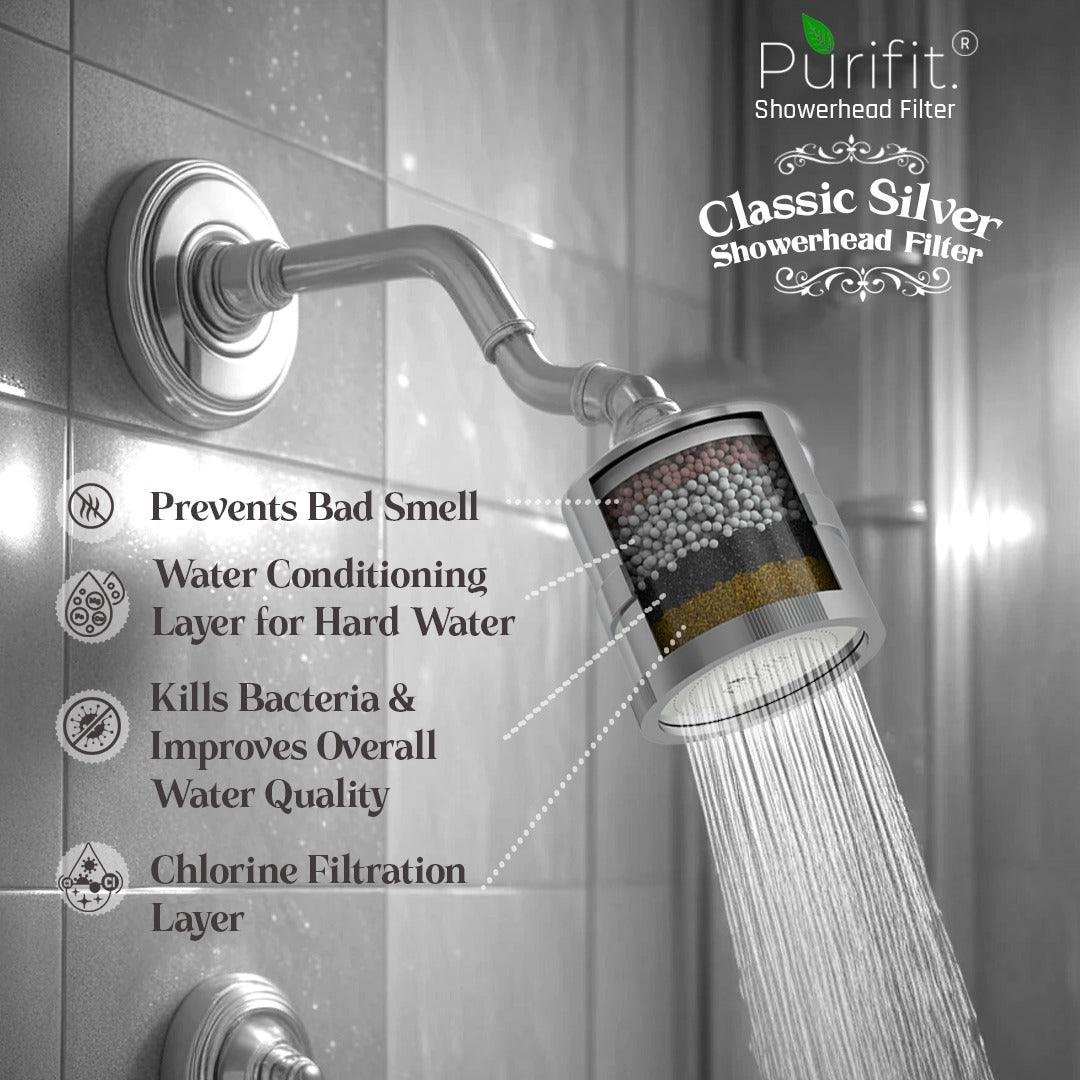
Screw an internal filtration cartridge directly between the wall pipe and your existing fixture to catch minerals before they settle inside the nozzles. This completely removes the need for frequent acid baths, though it increases upfront costs and requires buying replacement filter cartridges regularly.
Frequently asked questions
Can vinegar damage a shower head?
Yes, if you soak plated fixtures too long. Chrome and stainless steel withstand 4 hours safely, but brass, nickel, and matte black finishes will peel or discolor after 30 minutes. Always check manufacturer guidelines before soaking decorative metal finishes.
Is baking soda good for cleaning mineral scale?
No, baking soda doesn’t dissolve hard water scale. Baking soda is an alkaline base, while calcium scale requires an acid like vinegar to break down chemically. Mixing baking soda with vinegar simply neutralizes the acid and weakens your cleaning power.
How often should you descale a shower head?
If you notice white powder on your nozzles or water streams spraying in odd directions, clean it immediately before mineral deposits turn rock-hard and block internal channels completely.
Can I leave my shower head in vinegar overnight?
No, don’t leave fixtures submerged overnight. Extended exposure to acid eats through internal rubber washers, degrades protective clear coats, and pits metal plating. Keep your soak under 4 hours to avoid permanent structural damage.
What happens if the vinegar doesn’t restore water pressure?
If cleaning leaves pressure low, your pipe’s built-in flow restrictor is likely jammed with loose stone chips. Remove the fixture from the wall, pull the plastic flow disc out with tweezers, and rinse the inner mesh screen directly under a faucet.
Final Thoughts
Once you’ve rinsed the fixture and reattached it, you’ll notice a refreshing difference in your morning routine. If you live in an area with particularly heavy mineral deposits, try repeating this simple cleaning process every few months. It’s a great way to keep your bathroom running smoothly and your water pressure strong.
Related guides