

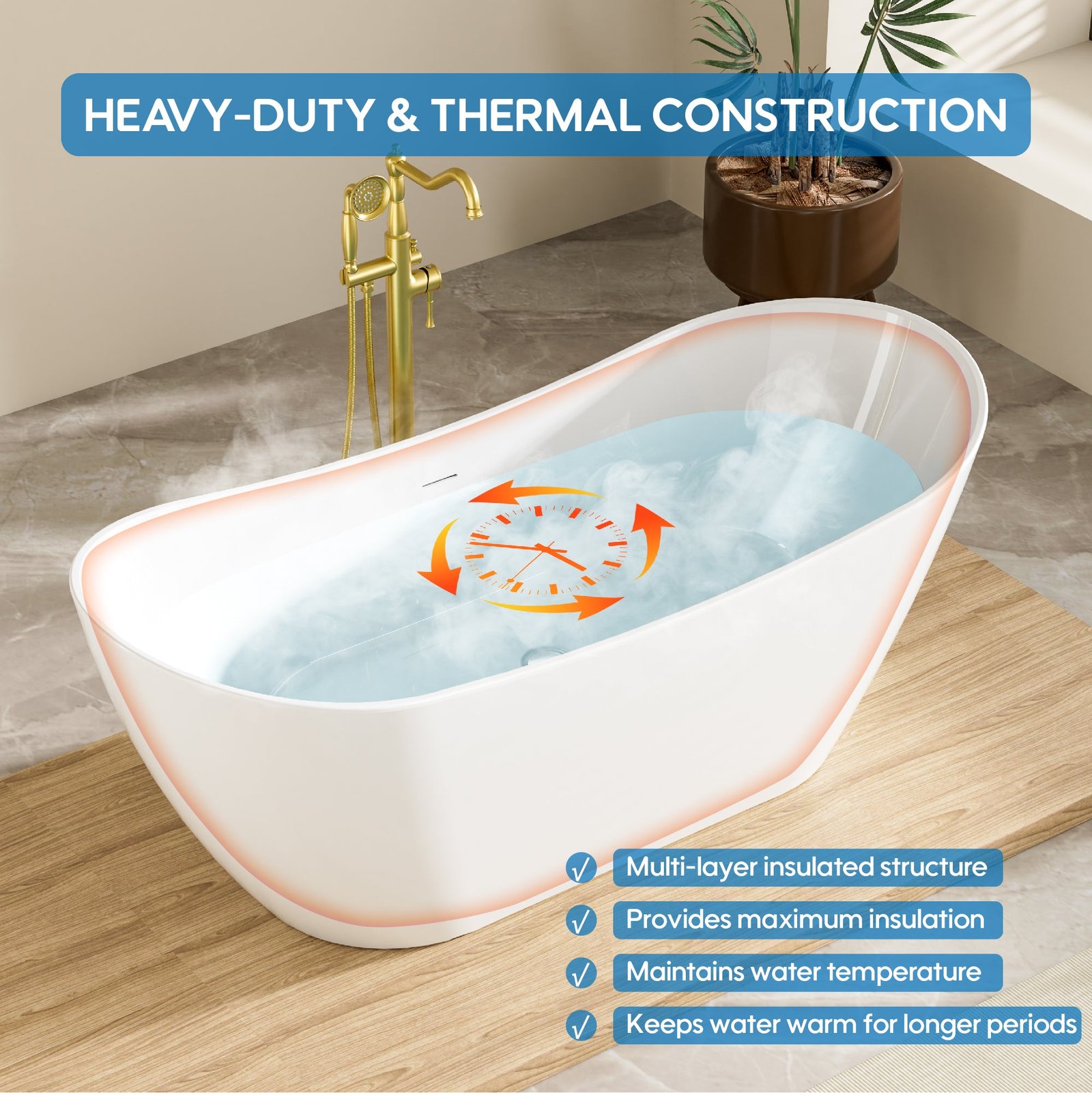
To maximize heat retention in your bathtub, pre-warm the tub material, trap surface steam, and seal room drafts so bath water stays hot for up to 45 minutes. This process takes 5 to 10 minutes of prep work, costs under twenty dollars if you use basic household items, and rates as easy on the project scale. You just need a working drain stopper that creates an airtight seal before you begin.
Table of Contents
Supplies to maximize bathtub heat retention
| Item | How much | Why it’s needed | A substitute |
|---|---|---|---|
| Floating bubble cover | 1 sheet cut to tub size | Traps heat escaping off water surface | Clean plastic shower curtain liner |
| Foam drain seal cover | 1 standard unit | Blocks warm air pulling through overflow | Damp washcloth taped over opening |
| Bubble bath or bath oil | 2 to 3 tablespoons | Creates an insulating foam top layer | none — don’t swap this |
| Space heater | 1 portable electric unit | Warms cold bathroom air before filling | none — don’t swap this |
| Bath thermometer | 1 floating gauge | Tracks water temperature drops accurately | Kitchen probe thermometer |
Before you start
- Turn off any active bathroom exhaust fans so they don’t suck out rising warm air.
- Close all bathroom doors and windows to eliminate floor drafts.
- Clear away nearby towels and rugs if you run an electric space heater on the floor.
- People skip checking the tub overflow drain, which lets cold air circulate behind the tub wall and cools the water fast.
- If your home water heater requires electrical panel repairs or pipe soldering to reach proper heat, stop immediately and hire a licensed plumber.
Step by step
- Close the bathroom door and window completely 15 minutes before running any water to block cold drafts from neighboring rooms.
- Cover the overflow drain plate tightly using a suction overflow cover so cold wall cavity air can’t reach the tub interior.
- Rinse the entire empty tub basin with the hottest tap water for 60 seconds to warm the cold tub material.
- Insert the drain plug firmly into the bottom drain and press down to confirm no water trickles past the rubber seal.
- Fill the bathtub with hot water until it reaches roughly 3 inches below your desired final soaking depth.
- Pour 2 tablespoons of bubble bath liquid directly under the running faucet stream until a thick foam blanket covers the entire water surface.
- Check that the bath water reads between 100°F and 102°F on your floating thermometer; the Consumer Product Safety Commission scald guidelines warn that water temperatures above 120°F cause severe burns in seconds.
- Lay a cut-to-size sheet of bubble wrap directly on top of the water surface while you step in to reduce evaporative cooling.
- Close the shower curtain fully along the tub rim so trapped steam forms a warm pocket over your body.
How to know it worked
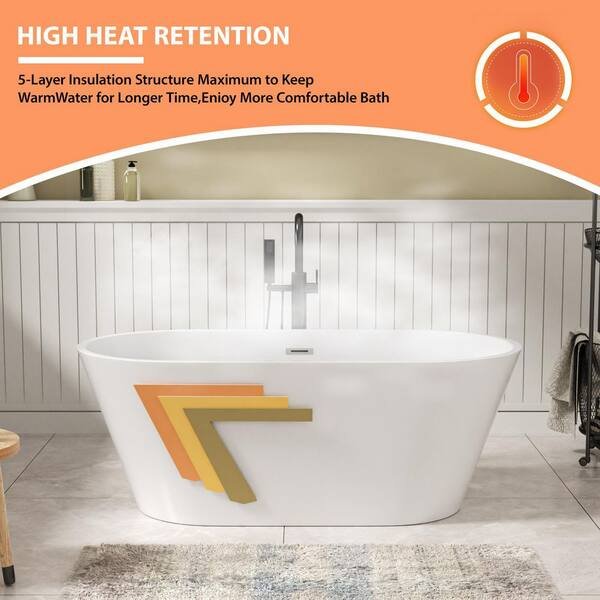
You’ll know the process worked if your water temperature drops less than 3 degrees over 30 minutes of soaking. A floating water thermometer gives you the exact reading: an uninsulated tub typically loses 8 to 10 degrees in that same window, while a pre-warmed, covered tub stays comfortably above 98°F. The bathroom air will feel thick and humid rather than breezy, and the inner tub walls will feel warm above the waterline instead of cold to the touch. If you notice the water dropping below 95°F in under 20 minutes, inspect your bottom drain plug for slow leaks, or check whether your overflow cover slipped off during the fill.
If something goes wrong
| What happened | Why | What to do |
|---|---|---|
| Water cools in 10 minutes | Tub basin absorbed the heat immediately | Pre-rinse basin longer with hot tap water |
| Water level drops slowly | Drain plug seal is worn out | Replace the rubber plug or add weight |
| Bathroom air feels chilly | Exhaust fan is venting ambient steam | Shut off the wall fan switch completely |
| Suds pop too quickly | Water contains heavy mineral deposits | Use bath oils instead of bubble liquid |
| Wall draft chills water | Overflow drain opening lacks a cover | Press a silicone suction cover over plate |
How often to do this
Apply these steps every time you prepare a deep bath, especially during winter months when cold pipes pull extra heat from incoming water. The two factors that change your results most are the tub material and the bathroom’s base temperature. If you have a cast-iron tub, you must pre-heat the metal longer because cold iron pulls heat out of the water much faster than acrylic does. However, if your tub is lightweight acrylic, you’ll need less rinse water. A trade-off to consider is that thick bubble blankets trap heat well, but they stop you from using certain bath salts. This setup isn’t for quick 5-minute rinses where prep time wastes more hot water than it saves. A common mistake people make is setting their water heater past 125°F to fight cold tubs; this wastes expensive utility energy and creates an immediate burn hazard.
Frequently asked questions
Can bubble bath keep tub water hot?
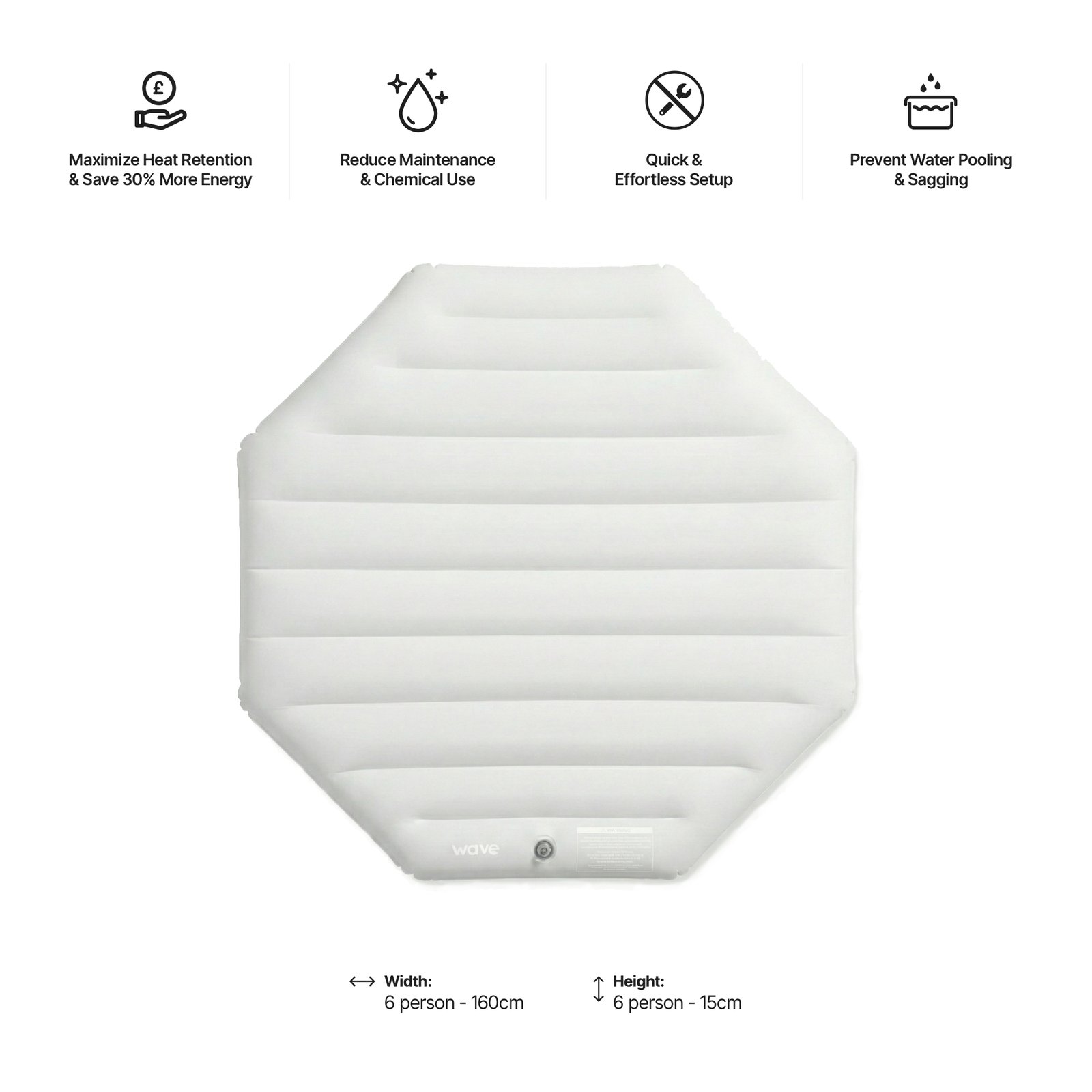
Yes. A 1-inch layer of soap bubbles acts as a thermal blanket over the water. The tiny air pockets inside the foam slow down evaporation, which is the main way open bath water loses its thermal energy into the surrounding air.
Why does my bathtub get cold so fast?
Cold ambient air pulls heat off the water surface, while uninsulated tub walls pull heat from the bottom. Acrylic, fiberglass, and unheated cast iron act as heat sinks that draw warmth away until the water reaches room temperature.
How long should bath water stay hot?
About 30 to 45 minutes when properly insulated. Without surface covers, draft blocks, or a pre-warmed tub basin, most standard residential tubs lose their comfortable heat in roughly 15 minutes, depending on the room’s starting air temperature.
Is it safe to cover an overflow drain?
Yes, as long as you don’t leave the filling tub unattended. Overflow covers allow deeper soaking and block drafts, but walking away while the faucet runs can cause water to spill over the tub rim onto your subfloor.
What happens if you put bubble wrap in the bath?
The bubble wrap floats on the surface and traps rising steam. The trapped air bubbles block heat transfer, keeping the water underneath hot for significantly longer without adding chemicals or changing the water chemistry.
Does tub material matter for heat retention?
Yes. Acrylic holds heat moderately well, while uninsulated cast iron starts very cold and steals heat from the water early on. Once cast iron absorbs enough heat, however, it keeps the water warm longer than thin fiberglass units.
Final Thoughts
Once you’ve settled into the warmth, don’t forget to dim the lights or play some soft music to complete the experience. You’ll find that a little extra comfort makes all the difference when you’re unwinding after a long day. It’s the perfect way to turn your bathroom into a personal sanctuary.
Related guides






