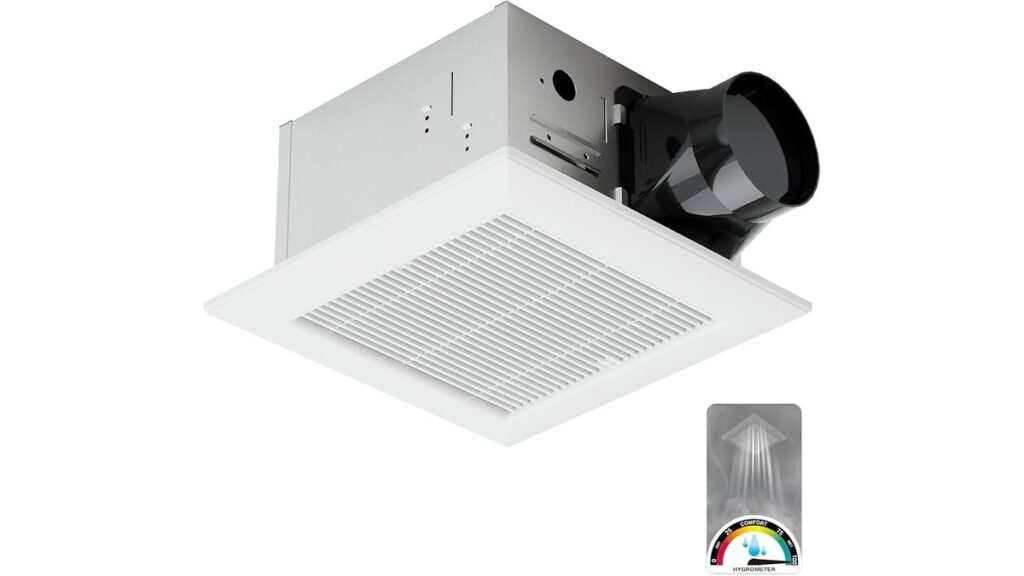
The quietest bathroom exhaust fan with humidity sensor rating sits at less than 0.3 sones, which sounds like a faint whisper from a few feet away. Leading premium models from makers like Panasonic run at this sound level while moving 50 to 110 cubic feet of air per minute (CFM). This guide breaks down how sound ratings connect to air movement, duct design, and the sensor settings that keep moisture off your walls without constant fan noise.
Table of Contents
How quiet bathroom exhaust fans handle humidity
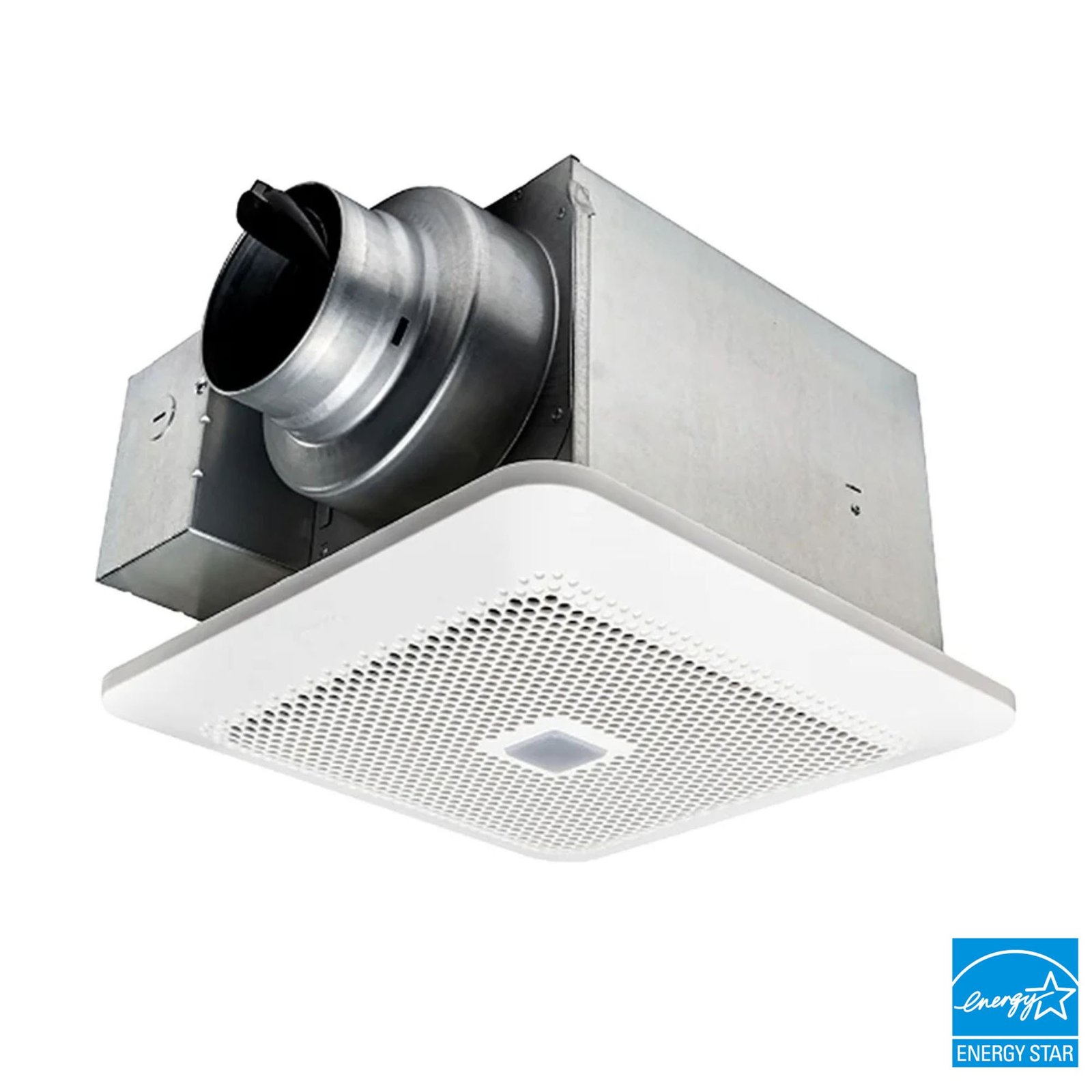
A bathroom fan with a built-in sensor turns on by itself when relative humidity rises quickly, then shuts off once the air dries. It helps prevent mold, peeled paint, and damp ceilings without needing anyone to flip a wall switch. Homeowners who want silent operation and automated moisture control get the most value from these units.
One common misconception is that a low sound rating guarantees a quiet bathroom. A fan motor might run at 0.3 sones on a factory test bench, but restrictive, narrow ductwork creates air turbulence that turns that quiet motor loud inside your ceiling. Sound ratings tell you only how quiet the bare motor and wheel assembly are, not how your duct setup will sound.
The basic method
Installing and setting up a quiet sensor-equipped fan requires careful duct handling and correct dial calibration:
- Turn off power at the main breaker box and verify the circuit is dead using a non-contact voltage tester.
- Cut or adjust your ceiling opening to match the housing dimensions listed on the manufacturer template.
- Fasten the fan housing directly to the ceiling joists using at least 4 wood screws to stop vibration rattles.
- Attach a 4-inch or 6-inch rigid metal duct to the fan collar, matching the collar diameter exactly.
- Seal the joint with metal foil tape; wrap the seam 2 full times to prevent air leaks.
- Run the duct to the outside wall or roof cap with fewer than two 90-degree bends.
- Connect the neutral, hot, and ground wires inside the unit junction box using approved twist-on wire connectors.
- Adjust the humidity dial and run timer according to the manufacturer’s specific instructions for your bathroom’s climate and size.
The single judgment call that separates a quiet installation from a noisy one is duct choice. If your budget allows, choose smooth, rigid metal pipe over flexible foil tubing, which causes turbulence. If your setup requires running new electrical lines from the service panel, hire a licensed electrician to do the wiring safely.
Key numbers and settings at a glance
Air volume, room footprint, and sound levels must match your specific bathroom layout.
What separates good results from bad ones
Proper duct planning
A silent unit can quickly become noisy through poor planning. Smooth metal ducts allow air to slide out cleanly, while ribbed foil ducts catch passing air and create a rushing sound. Keeping the exhaust run short and straight preserves the factory sound rating. Installing a smooth 6-inch duct instead of an older 3-inch line stops backpressure from forcing the fan motor to strain and vibrate against the drywall.
Sensor calibration
Calibrating the sensor prevents unnecessary running. Setting the sensor too low—such as 40 percent relative humidity—makes the fan run almost constantly during humid summer days. Setting it above 75 percent leaves steam hanging in the air long enough to feed mildew. Setting the trigger around 60 percent lets the fan respond right when hot showers start, but avoids false triggers caused by normal seasonal weather shifts.
Common problems and quick fixes
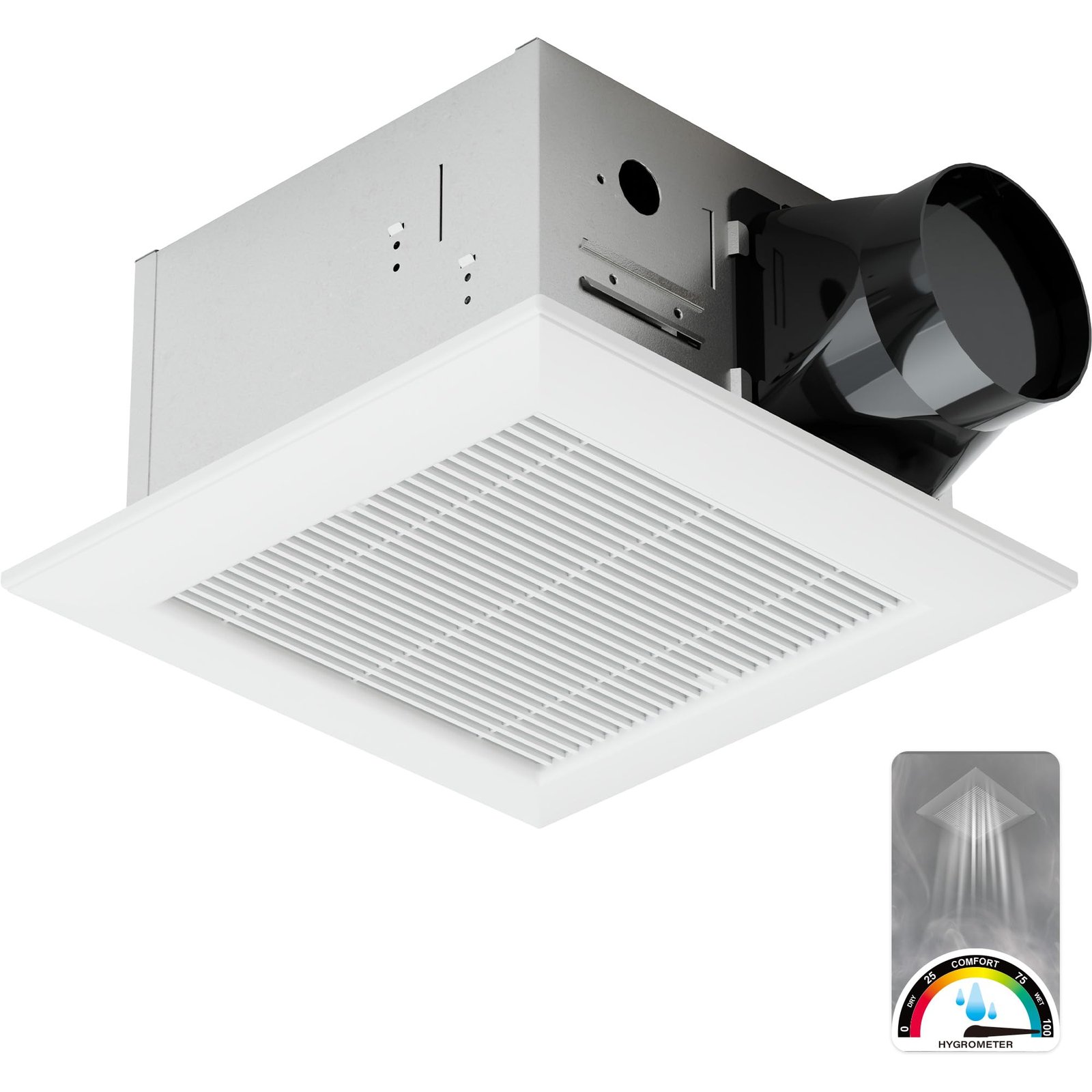
When a silent humidity-sensing fan underperforms, the issue usually stems from sensor location, settings, or airflow restrictions.
| What you notice | What it usually means | What to do first |
|---|---|---|
| Fan rattles loudly | Housing is loose against the ceiling joist | Tighten mounting screws into wood |
| Steam stays on mirror | Duct damper is stuck shut or blocked | Check the outdoor flap for movement |
| Fan won’t start | Sensor board has lost wiring continuity | Check wire nuts in the junction box |
Building codes and sound standards
Ventilation rules dictate specific sound ceilings and airflow rates depending on where you live. The Home Ventilating Institute certifies exhaust ratings, testing fans under standard static pressures to confirm airflow volume and sone figures. The ENERGY STAR ventilation guidelines require bathroom exhaust fans rated at 10 CFM up to 139 CFM to run at 2.0 sones or less to earn certification, with the quietest models dropping well under 0.5 sones.
Local building codes often demand at least 50 CFM for intermittent local ventilation in standard residential bathrooms. When a fan vents into an unconditioned attic, codes mandate insulating the exterior of that duct to prevent water droplets from pooling and running back into the fan motor. Working inside attic rafters carries risks of stepping through ceilings; call a licensed mechanical contractor if attic access is tight.
Keeping it working afterwards
Dust collects across the intake grille and motor blower wheel over time, throwing the motor off balance. Check and vacuum the intake cover whenever you notice gray dust rings forming along the plastic slats.
Pinch the grille springs to remove the plastic faceplate, then clean the interior housing using a vacuum brush attachment regularly. Don’t spray water or chemical cleaners directly onto the exposed humidity sensor circuit board, as moisture ruins the sensing element. Gently wipe the sensor housing with a dry, lint-free cloth instead.
When to use a different approach
A built-in humidity sensor fan is the wrong choice for half-bath powder rooms that lack a shower or tub. Because these rooms produce odor rather than moisture, a standard switch or occupancy sensor is much better suited for the job.
This setup is also not for bathrooms where the fan housing must sit more than 15 feet away from the shower stall. Moisture will disperse throughout the room before reaching the ceiling grille, which delays the automatic trigger. For distant layouts, use a standard quiet fan wired to a dedicated, wall-mounted humidity sensor placed right beside the shower door.
Frequently asked questions
Can a quiet bathroom fan clear heavy mirror steam?
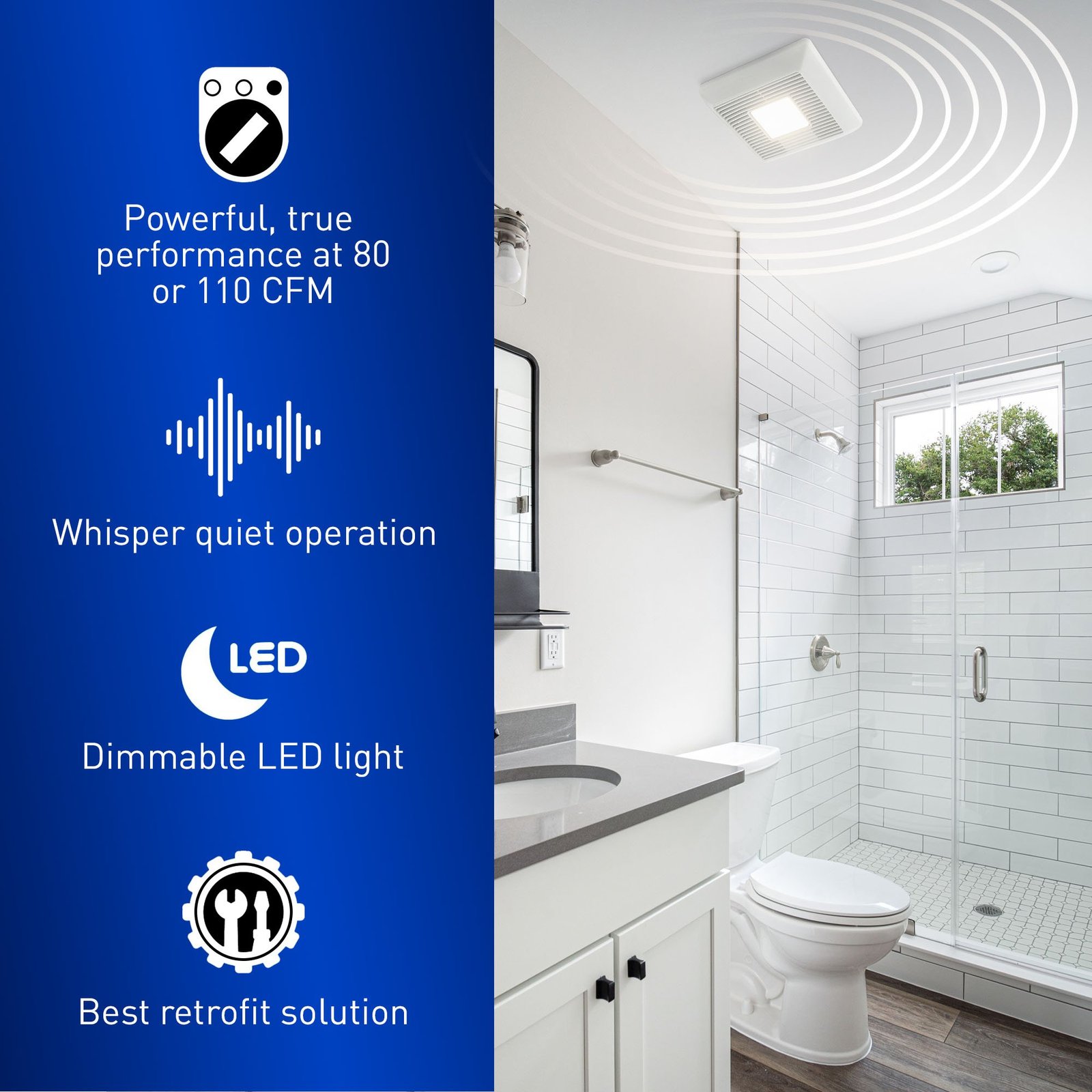
Yes, if the fan moves enough air volume for the room. A 0.3-sone fan moving 110 CFM clears steam just as fast as a loud 4.0-sone fan rated at the same 110 CFM.
How long does a humidity sensor run after showering?
Most sensors keep the fan running for 15 to 20 minutes after ambient moisture drops below the target threshold. This built-in delay ensures lingering damp air exits the room completely.
Why is my quiet fan suddenly making a buzzing noise?
A buzzing sound usually points to a loose mounting bracket vibrating against a joist, or a duct damper stuck halfway open. Check the housing screws and make sure the flap swings freely.
Is it safe to leave a humidity-sensing fan on automatic all day?
Yes, these units are designed to stay energized continuously. The internal electronics draw minimal standby power and only spin the motor when room moisture rises above your chosen setting.
What happens if my outdoor duct vent gets blocked?
Air backs up inside the pipe, increasing static pressure. The fan motor will work harder, run hotter, and produce a louder whooshing noise until you clear the outdoor vent hood.
Final Thoughts
Choosing the right model makes your bathroom feel like a peaceful retreat rather than a noisy utility room. Once you’ve picked your favorite, have a professional check your current ductwork to ensure it isn’t restricting airflow. You’ll be glad you did, as it’ll keep your home’s air fresh and dry for years.