
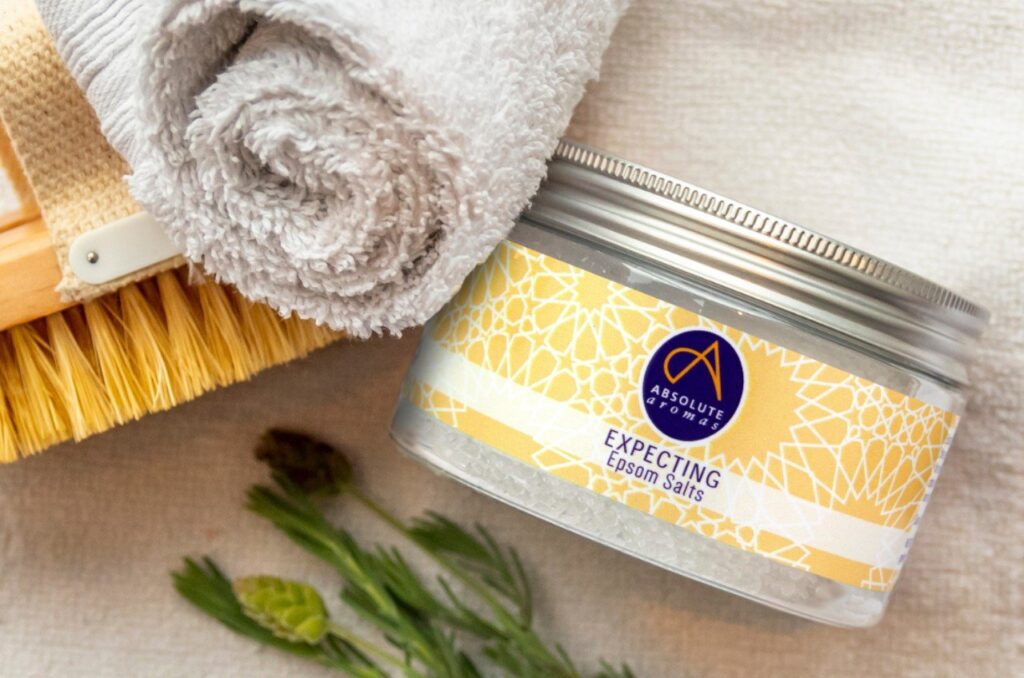
The primary relaxation benefits of bath salts you didnt know about come from warm water improving vascular blood flow while mineral ions soothe nerve endings and reduce skin inflammation. You pour mineral crystals into warm water, where they break apart into elemental ions like magnesium, sulfate, and sodium. As you soak, these minerals may help soothe the skin, though they don’t provide hydration. You leave the tub feeling rested because warm mineral water signals your nervous system to drop blood pressure and reduce tension.
Table of Contents
How bath salts create relaxation

| Part or input | What it does | What you notice when it goes wrong |
|---|---|---|
| Magnesium sulfate | Relaxes contracted muscle cells locally | Skin feels dry or stings intensely |
| Sodium chloride | Retains moisture in skin outer layers | Skin feels tight and rough |
| Hot water | Dilates blood vessels near surface | Dizziness or excessive sweating begins |
| Dissolved ions | Balance osmotic pressure against skin | Itching or surface irritation develops |
| Essential oils | Provide calming scent cues | Stinging eyes or contact rash |
What happens, step by step
- You pour two standard cups of dry crystals into a tub holding about 30 gallons of running water at roughly 100°F (38°C).
- The mechanical agitation of moving water breaks crystal bonds within two minutes, releasing free magnesium, sodium, and sulfate ions into the bath.
- You immerse your body up to your neck, allowing the hydrostatic pressure of the water to assist blood circulation from your lower legs toward your heart.
- Heat from the water warms your peripheral tissues over five minutes, expanding shallow capillaries and easing mechanical strain on deep joint tissue.
- The combination of heat and buoyancy reduces the workload on your postural muscles for another ten minutes, lowering nerve firing rates throughout your body.
- You step out of the tub after twenty minutes, allowing your core body temperature to fall slowly, which triggers natural sleepiness within one hour.
Why this matters when something goes wrong

A soak can backfire when water temperature or salt ratios go off balance. For example, using boiling water instead of warm water strains your cardiovascular system instead of resting it. Extreme heat triggers tachycardia and forces blood outward too fast, causing sudden dizziness when you stand. If you leave the bath feeling exhausted, lightheaded, or nauseated, the temperature was too high, not the salt content.
Conversely, dry, itchy skin points straight to an chemical issue rather than a temperature mistake. Many people dump cheap, heavily fragranced bath salts into water without measuring, which strips the lipid layer of their skin and costs them days of peeling and itchiness. Real mineral salts, like those studied for dermatological use, soothe rather than irritate. According to the National Eczema Association guidelines on bathing, adding therapeutic salts like sodium chloride can calm irritated skin barriers when used correctly. If your skin burns or flares up, check the ingredients list on the packaging for artificial dyes and synthetic fragrances rather than mineral compounds.
What you can change, and what you cannot
Things you control
- Water temperature, keeping it around 98°F to 102°F (37°C to 39°C).
- Salt volume, using one to two cups per standard household tub.
- Soak duration, keeping the total time between 15 and 20 minutes.
- Salt purity, choosing plain, uncolored grades over heavily scented varieties.
Fixed physical limits
- Transdermal absorption rates of bulk minerals are limited by the skin barrier.
- Water cooling speed depends on room temperature and tub material.
- Postural blood pressure shifts upon standing remain an automatic reflex.
This isn’t for people with open skin ulcers, deep infections, or unmanaged heart failure. If you experience persistent chest tightness, severe dizzy spells, or sudden hives, exit the tub immediately and seek medical evaluation from a licensed physician.
Getting more out of it
If your goal is better sleep, take your bath ninety minutes before bedtime; if you only want joint relief, a morning soak works better. Maintain a salt concentration of two cups per 30 gallons of water to maintain comfort without causing salt-film residue. The trade-off of using hotter water is deeper immediate muscle relief, but it comes at the expense of rapid dehydration. Keep an eight-ounce glass of cool drinking water by the tub to sip during your soak. Rinse your skin with clean, lukewarm tap water for thirty seconds after soaking to remove crystalline traces that could cause itching later.
Frequently asked questions
Can bath salts help you fall asleep faster?
Yes. Soaking in warm salt water raises your core temperature, and the rapid cooling that follows when you dry off signals your brain to release melatonin, which brings on natural sleepiness within an hour.
How long should you stay in a salt bath?
Between 15 and 20 minutes. Staying in longer than 20 minutes pulls natural oils from your skin and can cause lightheadedness as your blood vessels remain dilated for too long.
What happens if you use too much bath salt?
Your skin will feel dry, itchy, or irritated. Excess minerals draw moisture out of the outer skin layers through osmosis, leaving a chalky, uncomfortable film on your limbs.
Is it safe to take a salt bath every day?
No. Soaking daily in mineral salts can strip the protective lipid layer of your skin, so limit your full-tub salt routines to two or three times each week.
Why do bath salts cause dizziness sometimes?
Hot water expands your peripheral blood vessels, causing your systemic blood pressure to drop. When you stand up too quickly from the tub, temporary postural hypotension makes you feel unsteady.
Does water temperature matter when dissolving bath salts?
Yes. Water temperature doesn’t significantly impact the solubility of common bath salts., while water above 104°F (40°C) strains your heart and dries out your skin.
Final Thoughts
Treating yourself to this simple ritual is a great way to unwind after a long day. You don’t need a fancy spa to feel refreshed, so why not pick up a bag of salts for your next soak? It’s a small, affordable habit that’ll help you sleep better and wake up feeling renewed.
Related guides
- Organizing Bath Toys: Smart Ideas for Every Tub Explained
- Bath Fitter Shower Prices: Cost and Value Comparison Guide
- 33 Qt Water Bath Canner Guide: Large Batch Preserving Tips






