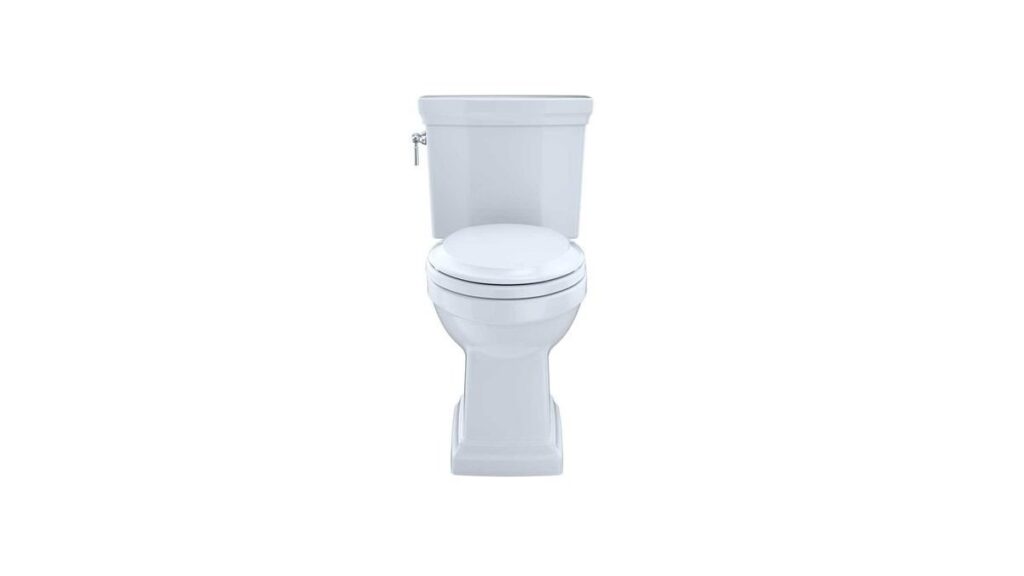
A quick review toto promenade ii two piece elongated toilet buyers rely on shows it uses 1.28 gallons per flush and cleans effectively on standard water pressure. Its traditional design fits older home styles while cutting daily water use. This guide covers how the flushing system works, installation steps, maintenance limits, and when another shape works better.
Table of Contents
How the Toto Promenade II performs
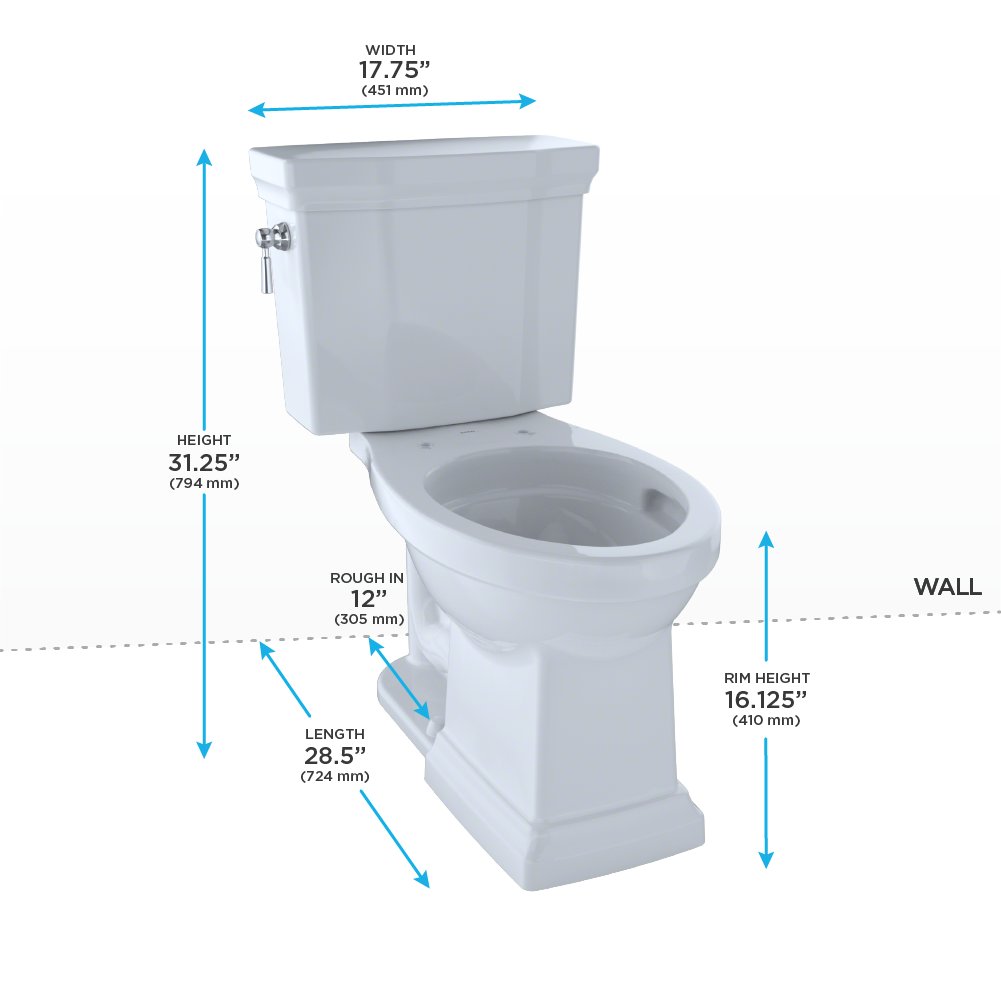
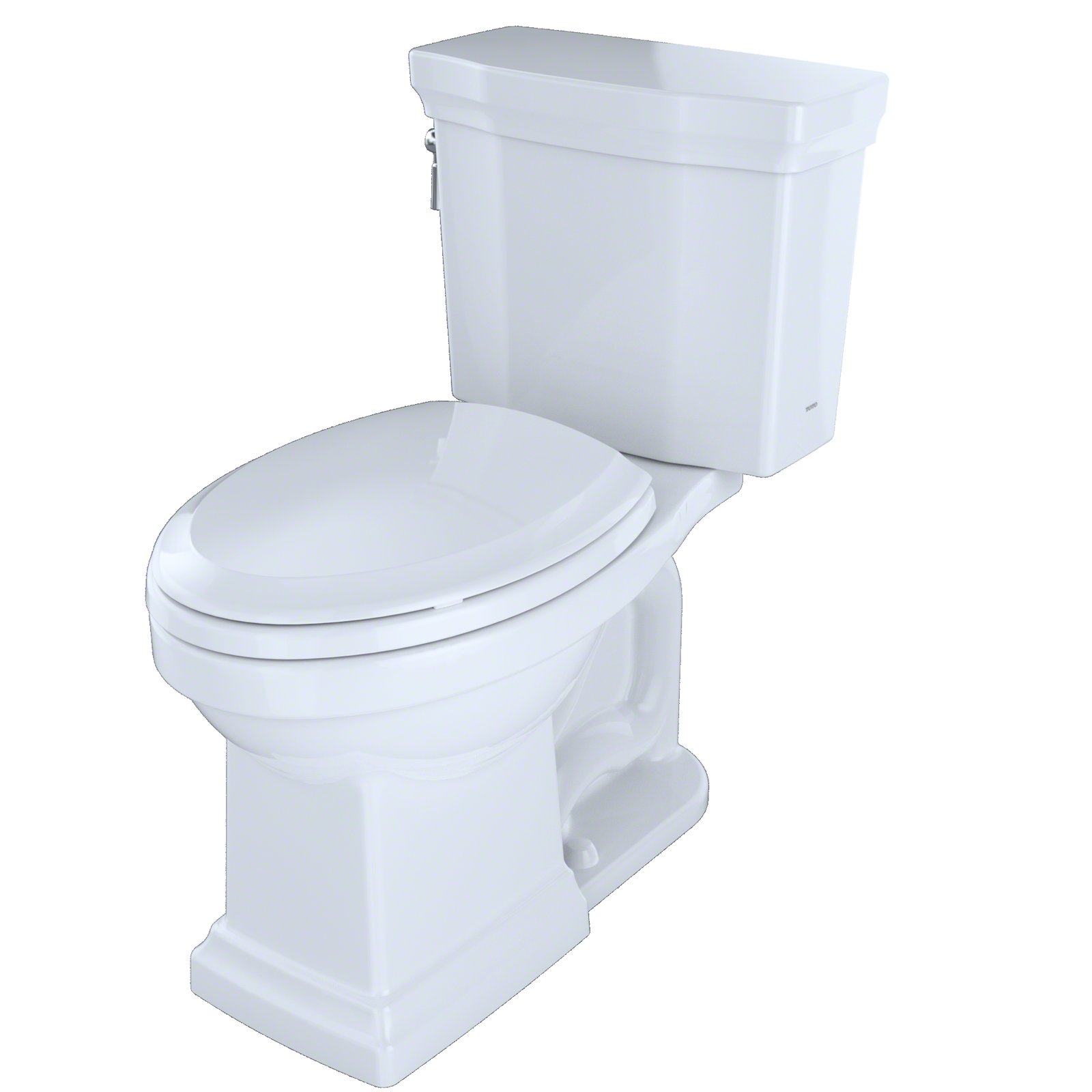
This unit is a two-piece porcelain fixture designed for residential bathrooms. It combines traditional stepped styling with the brand’s modern dual-nozzle Tornado flush. Water enters through two side nozzles rather than traditional rim holes, which creates a centrifugal whirlpool that scrubs the bowl with less total volume.
Many people assume a decorative, vintage-looking toilet uses weak old plumbing parts inside. That isn’t true here. The mechanism moves water quickly through a large 3-inch flush valve, dropping the bowl’s contents into a fully glazed 2-1/8-inch trapway. This wide passage stops clogs before they start. It’s built for homeowners who want classic moldings without losing high-efficiency performance.
The basic method
Installing this two-piece fixture takes basic hand tools and steady alignment.
- Clean the closet flange completely, then set two new 5/16-inch brass closet bolts upright into the side slots.
- Press a fresh wax ring firmly against the bottom horn of the bowl, keeping it centered.
- Lower the bowl straight down over the bolts, then press down with your body weight to seat the wax seal.
- Thread a washer and nut onto each bolt, tightening them by hand until snug, followed by half a turn with a wrench.
- Place the rubber tank-to-bowl gasket over the bottom flush valve nut beneath the tank.
- Lower the tank onto the rear of the bowl, guiding the two mounting bolts through the holes.
- Tighten the tank nuts evenly, alternating between left and right sides, until the tank sits level against the bowl base.
- Connect a flexible braided supply line to the fill valve and turn the water stop valve counterclockwise to fill.
Getting the bolt tightness right is the single judgment call that matters most. If the nuts are loose, sewer gas escapes past the wax; if you crank them down too hard, the brittle porcelain cracks instantly. That mistake ruins the entire bowl and costs you a replacement. If the closet flange sits broken below floor level, stop working and hire a licensed plumber to reset the drain line correctly.
Key numbers and settings at a glance
Every bathroom installation faces different plumbing dimensions, so check these standard limits before setting the porcelain.
| Situation | What to use | How long | What to watch for |
|---|---|---|---|
| Standard floor rough-in | 12-inch rough-in tape measure | 20 to 30 minutes | Gap between tank and wall |
| Flange sits flush with tile | Standard wax ring | 5 minutes | Even seal compression |
| Flange sits below floor level | Extra-thick wax ring with horn | 5 minutes | Leaks beneath the base |
| Low household water pressure | Direct connection at 20 psi min | 2 minutes to fill | Slower tank refill cycle |
| Regular household pressure | Standard supply at 40 to 60 psi | Under 60 seconds to fill | Splashing near rim jets |
| Tank water line calibration | Built-in fill valve float screw | 3 minutes | Water sitting above overflow tube |
What separates good results from bad ones
Preparation and balance
Careful preparation prevents costly leaks. An experienced installer checks the floor with a 12-inch torpedo level before placing the bowl. If the tile slopes, plastic toilet shims placed under the base keep the fixture stable so the wax seal never rocks loose. If a toilet rocks even slightly, the wax ring tears open within days.
Torque and parts inspection
The order of tightening decides whether the china cracks or seals. Never tighten one tank bolt fully before starting the other. Instead, turn each nut three full rotations, switch sides, and check the gap. Experienced hands leave the internal fill valve factory settings alone, adjusting only the float rod if the water line rests higher than the marked line inside the tank.
Common problems and quick fixes
A few small adjustments solve most operating troubles right after setup.
| What you notice | What it usually means | What to do first |
|---|---|---|
| Water runs into bowl constantly | Flapper chain is too tight | Add slack to the trip lever chain |
| Weak flush without swirl | Water level in tank is too low | Turn float adjustment screw clockwise |
| Water puddles around base bolts | Tank bolt rubber washers seated poorly | Drain tank and reset bolt washers flat |
| Whistling sound during refill | Debris inside fill valve head | Shut water, twist off cap, and flush line |
| Bowl rocks when sitting down | Uneven floor beneath the base | Slide shims underneath and tighten nuts |
Water standards and legal limits
Modern plumbing codes regulate flush volume strictly across North America. The federal standard permits 1.6 gallons per flush, but this fixture meets the stricter 1.28-gallon threshold. The model satisfies the EPA WaterSense specification, which verifies that it cuts water use by 20 percent compared to standard fixtures while passing clean-waste removal tests.
In states like California, Georgia, and Texas, building codes ban residential toilets that exceed 1.28 gallons. This model complies fully with those rules. However, local rules differ regarding who can touch the drain system; check your city building department’s guidelines, because several regions demand a licensed tradesperson whenever you alter water supply lines or closet flanges.
Caring for the finish
Caring for the glazed bowl requires mild cleaners. The ceramic surface uses a baked-in barrier called CeFiONtect, which leaves the porcelain smooth so waste slides off easily. Harsh acidic cleaners, bleach pucks, and stiff wire brushes scratch this glaze, making waste stick worse over time.
Clean the bowl regularly using a soft-bristle brush and mild liquid dish soap. Avoid in-tank drop-in chlorine tablets completely. The chemical corrodes the rubber flapper, voiding the factory warranty on the tank trim. If mineral stains develop from hard well water, treat them gently with diluted white vinegar rather than heavy abrasive powders.
When to use a different approach
This unit isn’t the right choice for every bathroom remodel.
- If your rough-in distance measures 10 inches from the finished wall instead of the standard 12 inches, this fixture won’t fit; choose a toilet built specifically for a 10-inch rough-in instead.
- If you have an extremely narrow powder room, this elongated bowl extends roughly 30 inches into the walkway; an elongated bowl might block cabinet doors or bump into the shower door. Buy a round-front model to save two full inches of floor space.
- Who this is NOT for: shoppers on a strict budget who want a basic utility fixture, since decorative collections carry higher purchase prices than generic store models.
Frequently asked questions
Does the toilet include a seat in the box?
No, the manufacturer sells the seat separately. You must purchase an elongated seat designed to match the cotton white finish. Any standard elongated seat fits the bolt holes, including modern bidet washlets made by the same brand.
Can you install this on a 10-inch rough-in?
No, this model requires a standard 12-inch rough-in. The space between the wall and the floor drain bolts must measure at least 12 inches. If your wall clearance measures less, the wide porcelain tank hits the drywall and can’t connect to the flange.
Is the Promenade II an ADA compliant height?
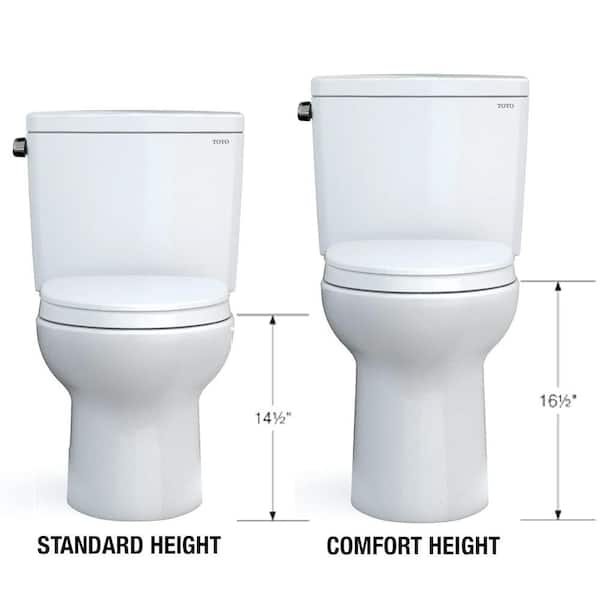
Yes, the bowl measures over 17 inches from the floor to the top of the rim. This meets Universal Height and Americans with Disabilities Act standards, making it easier to sit down and stand up compared to traditional 15-inch models.
Why does the flush cycle sound so short?
The 3-inch flush valve drops water into the bowl much faster than older 2-inch valves. This dumps the 1.28 gallons in a quick, forceful burst. The rapid action creates the siphon instantly, so the flush cycle finishes in just a few seconds.
What happens if I use drop-in bleach tablets?
Drop-in chemical tablets eat through the rubber tank-to-bowl gasket and the flapper seal within months. The corroded seals cause silent leaks into the bowl, wasting dozens of gallons daily. It also ruins the fill valve and cancels the manufacturer warranty.
Final Thoughts
Choosing the right fixture makes a big difference in your daily comfort. If you aren’t sure about the fit, measure your bathroom floor space before you head to the store. You’ll find that upgrading your setup is a smart investment, and you won’t regret making the switch for your home.
Related guides
- How to Remove Urine Scale from Toilet Bowls Quickly
- How to Make the Toilet Flush Better: Easy DIY Fixes
- How to Fix a Toilet That Keeps Running Intermittently