
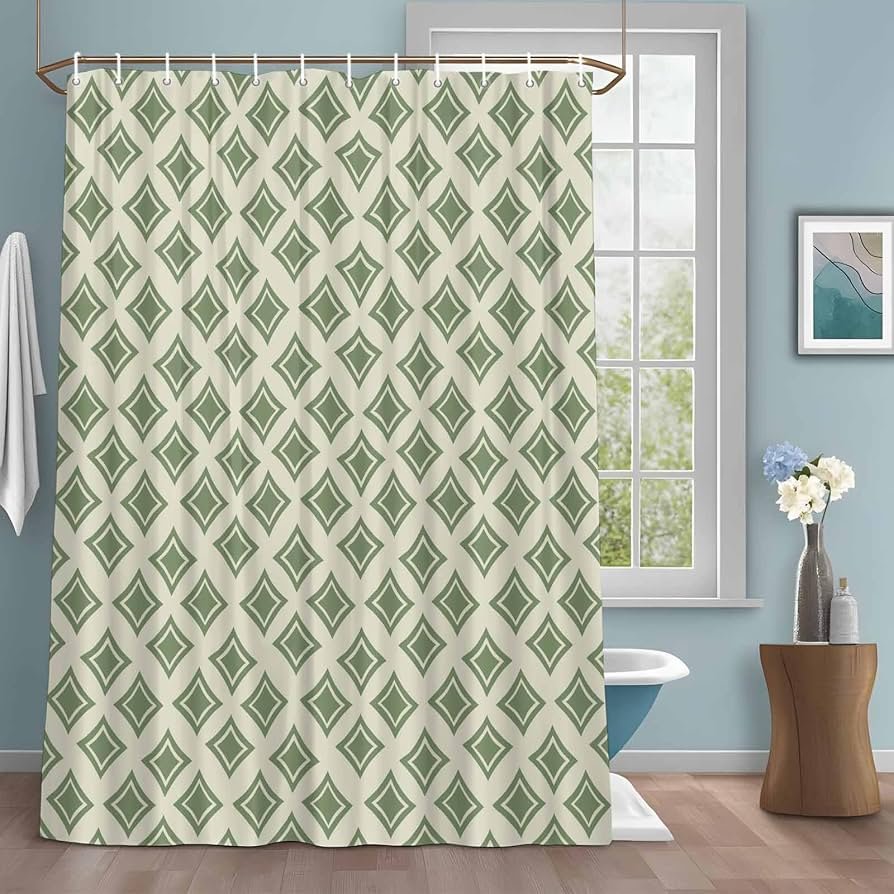
Using the standard 72-by-72 inch sizing from a retailer makes a shower curtain target your ultimate guide to stylish bath decor because it matches standard US tub enclosures without special hardware. You hang the decorative fabric curtain outside the tub and place a waterproof liner inside the basin. Finding the right look requires balancing fabric weight, hook types, and moisture control that a simple product listing can’t explain on its own.
Table of Contents
What Target bath curtains offer

A shower curtain acts as both a visual centerpiece and a water barrier for your bathroom. People use fabric outer curtains to soften the look of tile and hide toiletries, while an inner liner blocks spray. A common misconception is that a fabric curtain works alone without a liner. Fabric absorbs water and clings to skin, while a waterproof liner directs water down the drain.
This style works best for homeowners, renters, and families updating standard bathtubs. The trade-off comes down to style versus upkeep: heavy cotton weaves look upscale, but they require regular laundering to prevent musty smells in humid rooms.
The basic method
- Measure your tub opening width and the distance from the ceiling to the tub’s outer edge using a steel tape measure.
- Install a standard tension rod 74 to 76 inches above the floor so a 72-inch curtain hangs clear of puddles.
- Thread 12 curtain rings through the metal or stitched eyelets of a waterproof PEVA or vinyl liner.
- Hook the 12 eyelets of the decorative fabric curtain onto the same rings, facing outward toward the room.
- Snap or slide the 12 rings over the rod, spacing them evenly across the opening.
- Push the inner liner completely inside the tub basin and leave the outer fabric curtain hanging outside the rim.
The single judgement call that separates a good result from a bad one is liner placement. If the liner hangs outside the tub, water drips onto your floor; if the decorative curtain sits inside the tub, it stays soaked and grows mildew.
Key numbers and settings at a glance
The table below shows the common sizes and hardware combinations for different bathroom layouts.
| Situation | What to use | How long | What to watch for |
|---|---|---|---|
| Standard alcove tub | 72 x 72 inch curtain, 12 rings | Hangs 2 inches below outer rim | Hem dragging on wet floor |
| Stall or walk-in shower | 54 x 78 inch narrow curtain | Covers vertical opening fully | Water escaping narrow side gaps |
| High ceiling bathroom | 72 x 84 inch extra-long curtain | Rod mounted near ceiling | Hem bunching up inside tub |
| Curved curtain rod | Standard 72 x 72 inch curtain | Adds 6 inches of elbow room | Ends pulling inward at walls |
| Clawfoot tub enclosure | 180 x 70 inch wrap curtain | Encircles entire tub oval | Gaps between overlapping edges |
What separates good results from bad ones
Preparation and hardware choice
A common mistake is buying cheap plastic rings that bend under heavy fabric. This costs you extra money when rings snap, dropping the curtain into dirty water. Use rustproof metal roller rings instead. Check the rod tension before adding weight. If the rod slips under a two-pound pull, tighten the internal screw mechanism before hanging the fabric.
Weight distribution and airflow
Keep the outer curtain hem about one to two inches above the finished bathroom floor. This varies by model — check the label for exact shrinkage estimates after washing. Leave a three-inch gap between the curtain edge and the side walls when not in use so trapped moisture can dry out quickly.
Common problems and quick fixes

Small adjustments prevent water damage and keep the fabric looking fresh over time.
| What you notice | What it usually means | What to do first |
|---|---|---|
| Water pooling on bathroom floor | Liner pushed outside the tub basin | Tuck liner 3 inches inside tub wall |
| Fabric curtain sticks to legs | Air drafts pulling curtain inward | Use weighted magnets along bottom hem |
| Rust marks on curtain header | Cheap steel rings reacting to steam | Replace with stainless steel roller rings |
| Rod falls down suddenly | Insufficient wall tension or slick tile | Wipe wall dry and increase rod length |
Moisture and ventilation guidelines
Bath textiles face constant humidity, which encourages fungal growth on wet surfaces. The U.S. Environmental Protection Agency guide on mold explains that controlling indoor moisture is the only effective way to stop mold growth in living spaces. The agency notes that relative indoor humidity should remain below 60 percent, and ideally between 30 and 50 percent, to keep surfaces dry. Run an exhaust fan during showers and let it operate for 20 minutes afterward to clear air moisture. If your home has poor ductwork or electrical issues with the fan, hire a licensed electrician rather than letting wet air ruin bathroom drywall.
Keeping your curtain clean
To keep your curtain fresh, pull both the liner and fabric curtain flat across the rod after every shower so folds don’t trap water. Wash the decorative fabric curtain regularly on a gentle cycle with cold water and mild liquid detergent. Never put plastic or PEVA liners in a heated clothes dryer because the material will melt and ruin the machine. Instead, spray the liner with warm water and wipe it clean with a microfiber cloth whenever you notice soap scum rings along the bottom edge.
When to use a different approach
This curtain setup is the wrong choice for walk-in wet rooms, open-plan showers without curbs, or homes with mobility-impaired residents who use wheelchairs. In those spaces, a hanging curtain blows around, fails to catch rolling water, and presents a physical tripping hazard. Use fixed glass panels, a sliding glass door, or an ADA-compliant weighted barrier instead.
Frequently asked questions
Can you wash a fabric shower curtain in a washing machine?
Yes. Wash fabric curtains on a gentle cycle using cold water and mild detergent. Air-dry the curtain by hanging it directly back onto the shower rod so wrinkles fall out naturally without heat damage.
Why does a shower curtain blow inward during a shower?
Warm air rises inside the shower stall, which lowers the local air pressure. Cooler, higher-pressure air outside the tub then pushes the flexible curtain inward toward the water stream.
How long does a PEVA shower liner typically last?
A PEVA liner lasts until hard water buildup, tears at the ring eyelets, or stubborn mineral stains appear along the lower hem. Regular wiping helps it stay clean for months.
Is it safe to use a shower curtain without a liner?
No. Fabric curtains lack a waterproof barrier, allowing spray to soak through the weave. The water then drips directly onto your bathroom floor, leading to subfloor rot over time.
What happens if you hang a shower curtain too high?
Water splashes out beneath the hem onto the bathroom floor. A curtain hung too high can’t keep water contained inside the tub basin during a normal shower.
Final Thoughts
Updating your space doesn’t have to be a major renovation project. Once you’ve picked a style that makes you smile, grab a set of sturdy rings and give your bathroom a quick refresh this weekend. You’ll be surprised how much a simple change brightens your daily routine and elevates your home.