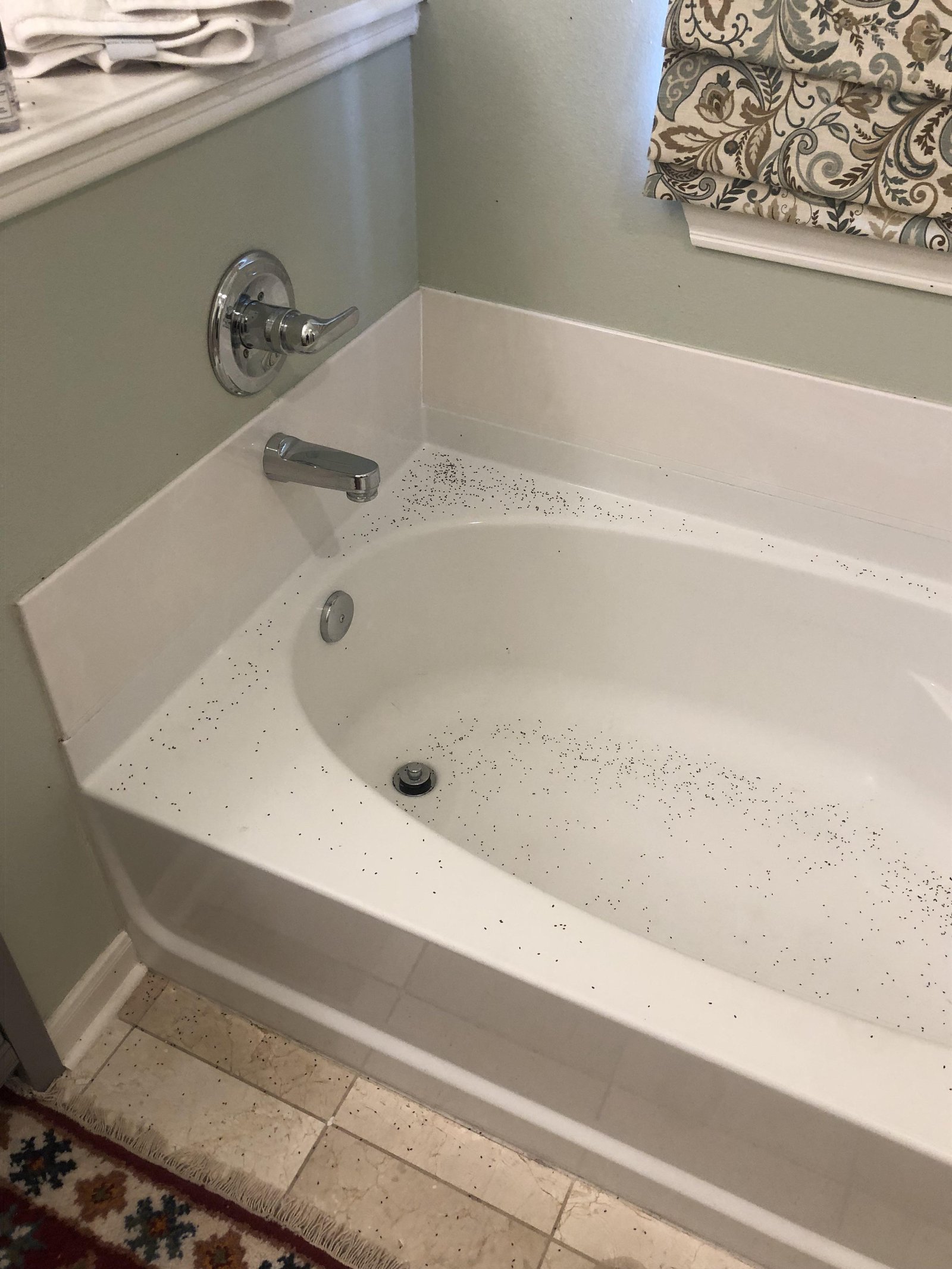
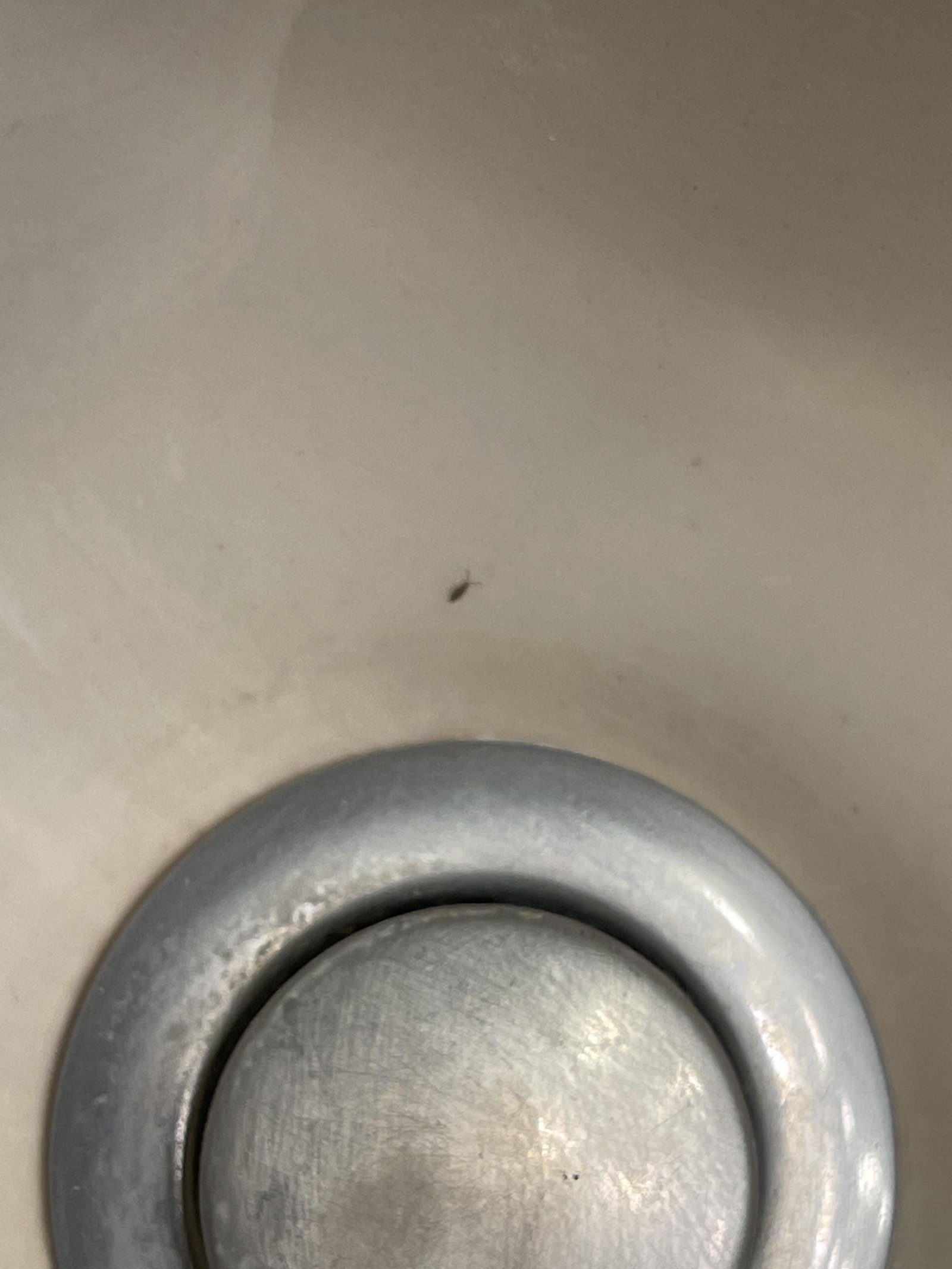
Finding tiny black bugs in bathroom no wings usually points to springtails feeding on hidden mold behind wet tiles or around drains. Your bathroom is completely safe to use right now because these pests don’t bite humans, spread diseases, or chew through structural wood. To confirm the cause, wet your finger and tap near one bug; if it launches several inches into the air using a hidden tail fork, you have springtails.
Table of Contents
Why tiny black bugs are in your bathroom
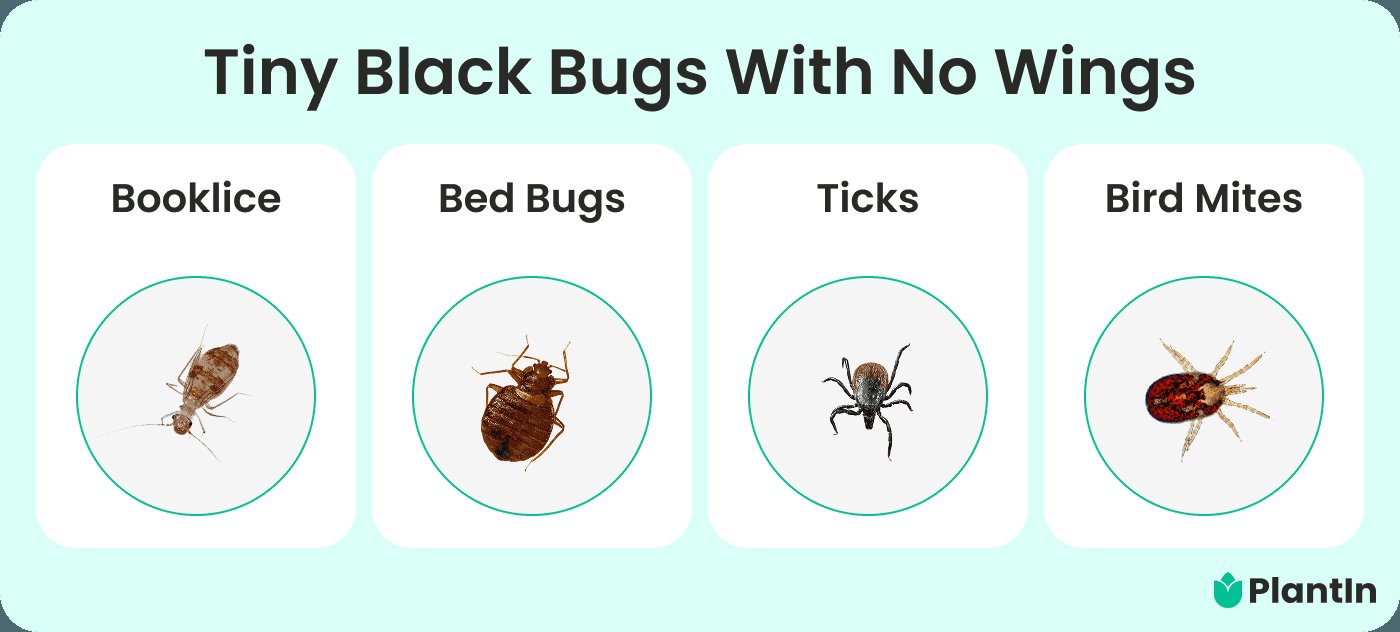
The shape, movement, and exact spot where you spot these creatures reveal what caused them.
| What you notice | What it usually means | What to do first |
|---|---|---|
| Jumps several inches when touched | Springtails feeding on surface mold | Wipe dry and clean with detergent |
| Clustered tightly inside drain opening | Drain fly larvae living in sludge | Scrub pipe with stiff wire brush |
Moisture loving springtails
Springtails thrive in damp indoor spots because they feed entirely on mold spores and rotting organic matter. If your caulking cracks around a tub, water seeps into the subfloor, creating the dark, humid home they need. According to Penn State Extension’s springtail guide, these pests possess a tail-like organ called a furcula folded beneath the abdomen that lets them jump several inches away when startled. You can confirm them in thirty seconds: lightly touch the surface near one bug using a dry tissue. If it snaps instantly out of sight instead of crawling, it’s a springtail. Fix the problem by scrubbing the tile surface with standard liquid soap to remove mildew, then run your exhaust fan for at least two hours after every shower. You’ll know the cleanup worked when no bugs gather on dry porcelain twenty-four hours later. This fix isn’t for people with active pipe leaks inside their drywall. Pouring bleach down the drain is a mistake that damages older metal pipes without reaching the hidden mold colonies under tile rims.
Silverfish hiding behind trim
Silverfish appear around baseboards and wallpaper because high humidity lets them feed on damp paper glues, starches, and shed skin cells. You can tell them apart from springtails because silverfish crawl with a rapid, fish-like wiggling motion and never leap into the air. Confirm them by checking floor corners with a flashlight: they have three long, bristle-like tails at their rear and flat, teardrop-shaped bodies. The trade-off is higher electricity use during those days, but dry air halts their breeding cycle. You’ll know the plan succeeded when you stop seeing silver trails or living insects running along floor trim at night. If your bathroom sits over an unvented crawl space, don’t rely on a small dehumidifier alone. Check your caulking around the tub skirt, as gaps there give them continuous damp shelter.
Drain fly larvae in pipe sludge
Dark worm-like drain fly larvae emerge directly from the sink or tub drain when black gelatinous slime coats the pipe walls. You can tell them apart from the first two bugs because they lack legs entirely and wriggle inside the wet plumbing opening rather than walking across dry tiles. Confirm their presence in one minute: cover half the drain with clear tape overnight, leaving air gaps so airflow remains normal. If larvae or fuzzy adult flies stick to the underside by morning, your drain holds an active breeding colony. Pouring boiling water is an honest limit; it kills top layers but rarely clears deep slime. Instead, scrub the inner walls using a stiff nylon pipe brush and one cup of standard enzymatic cleaner.
When to stop and get help
Call an expert if you encounter these specific red flags: * The floor feels soft, spongy, or sags near the tub base, which indicates extensive structural water rot behind the wall. * Hundreds of insects return within forty-eight hours of deep cleaning, proving water pools continuously inside an unreachable wall cavity. * You spot bugs crawling inside adjacent bedroom mattresses, meaning the pests might be biting bed bugs rather than harmless moisture insects. * Water stains spread across the ceiling directly below the bathroom floorboards.
A licensed plumber or certified pest control operator must handle deep wall repairs and chemical injections. Never open sealed drywall around active electrical runs yourself.
Frequently asked questions
Can springtails bite people or pets?
No. Springtails don’t possess biting mouthparts, venom glands, or stingers. They feed strictly on decaying organic debris, algae, and microscopic mold spores, making them physically harmless to human skin and household pets.
Why do bugs stay near the shower drain?
They stay because drains collect body oils, soap scum, and hair, which rot into nutrient-rich slime. This dark, wet coating provides both food and shelter for moisture pests away from open room traffic.
How long does it take to eliminate bathroom bugs?
Reducing room humidity below fifty percent starves the insects and forces survivors to leave or die from dehydration.
Is it safe to use bug spray inside a bathroom?
No. Spraying residual chemical pesticides in small, poorly ventilated rooms risks toxic fume inhalation. Proper physical cleaning and moisture removal solve the problem safely without chemical exposure on bare skin.
What happens if you ignore these bathroom bugs?
The bug population will multiply rapidly while hidden moisture quietly destroys your subfloor. Ignored infestations usually end in expensive subfloor wood rot and costly drywall mold remediation.
Does pouring vinegar down the drain kill larvae?
No. Vinegar is too weak to dissolve the thick grease and bio-film shielding larvae inside pipes. Use a mechanical pipe brush or an enzymatic drain gel to strip the breeding nest completely.
Final Thoughts
You don’t need to worry about these tiny visitors, as they’ll naturally disappear once the excess moisture is gone. Simply keep your bathroom surfaces dry and improve the room’s ventilation to prevent them from returning. You’ll find that a cleaner, drier space is all it takes to keep your home bug-free.