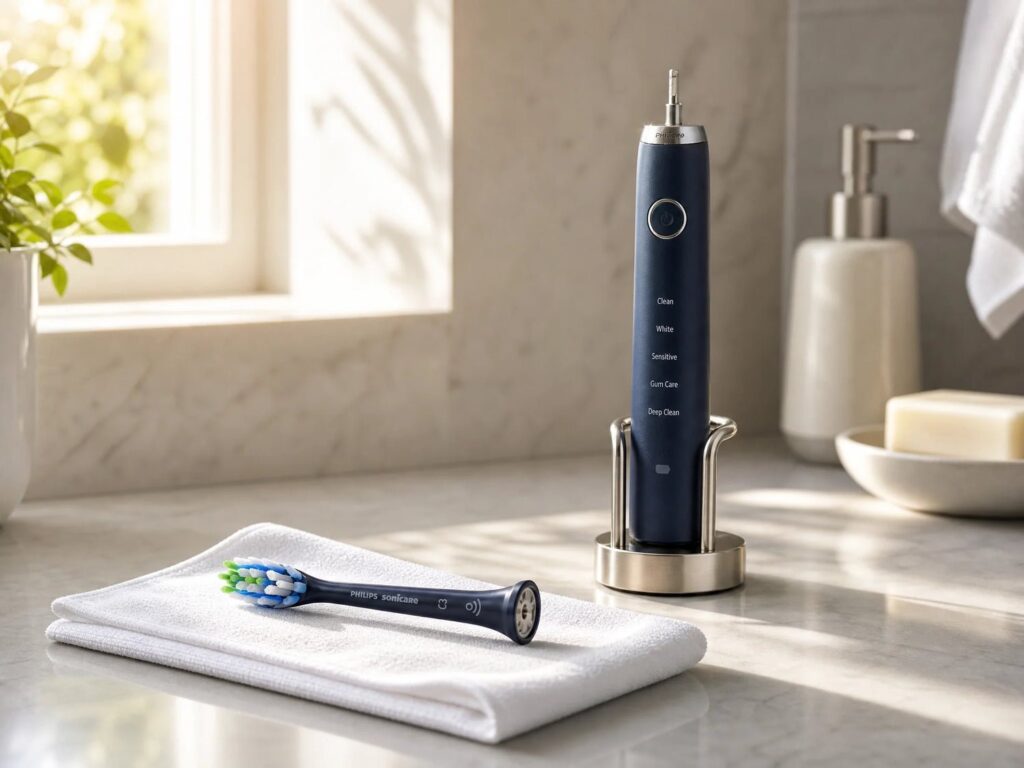
Storing brushes together in one dark cabinet is among the main toothbrush storage mistakes to avoid for family hygiene because trapped moisture breeds bacteria and trades germs between heads. People think hiding them away protects them from the room, but it actually keeps the bristles wet for hours. The right way is to let every brush air-dry upright in open air, completely separated from everyone else’s.
Table of Contents
Common toothbrush storage mistakes to avoid

| What most people do | What to do instead | Why it matters |
|---|---|---|
| Store all brushes in one cup | Use a rack with individual slots | Bristles touch and trade household illnesses |
| Put plastic caps on wet bristles | Leave bristles exposed to open air | Trapped water breeds mold and bacteria |
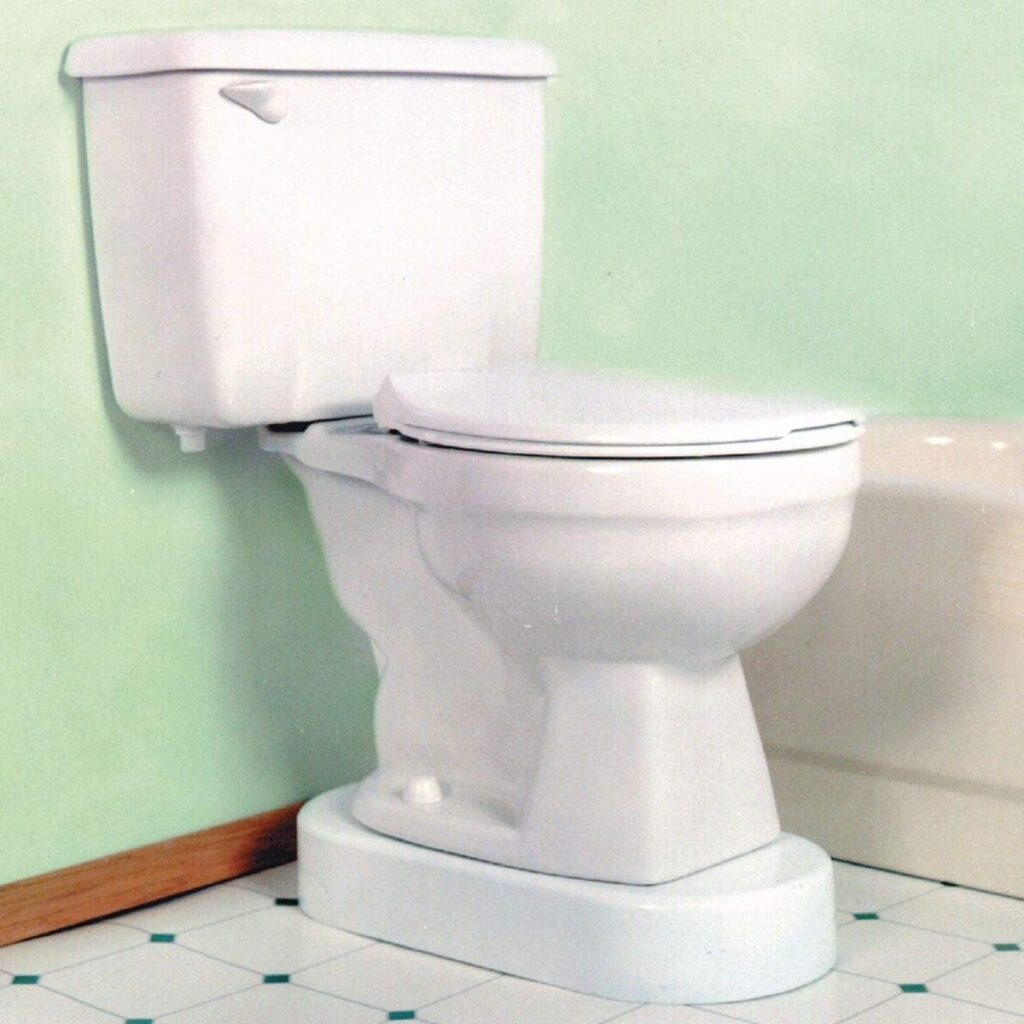
| Keep brushes beside the toilet | Move them three feet away minimum | Flushes spray airborne droplets onto heads |
| Hide wet brushes inside closed cabinets | Store on an open, high shelf | Dark, unventilated spaces slow drying times |
| Lay brushes flat on the counter | Stand them upright in a holder | Dirty counter puddles soak into bristles |
| Clean holders once a year | Wash holders weekly in hot water | Dripping water builds slimy bacterial sludge |
Keep bristles separated in open air
Putting multiple family brushes into a single cup seems tidy, but bristles easily touch and pass viruses across the whole home. When children grab their handles, the heads rub against each other. If one child catches a cold, don’t share the cup; if everyone is healthy, you still need separate slots. Wet nylon bristles hold water, and packing them together prevents normal airflow.
Instead, buy a wall mount or a multi-hole holder that keeps at least one inch of empty space between brush heads. If your bathroom lacks shelf space, choose individual wall clips mounted at different heights. This setup gives each family member a dedicated spot where damp bristles dry fast without touching anything else.
Move holders away from the toilet
Placing toothbrushes right next to the sink basin often puts them too close to the toilet bowl. Every flush without a closed lid releases an invisible plume of tiny water droplets across several feet. These droplets land directly on exposed bristles that you then put into your mouth twice daily.
The trade-off of keeping brushes on an open counter is this exposure to airborne spray. To fix it without locking them in a damp drawer, create distance. Close the toilet lid before every single flush. Keep all brushes at least three feet away from the toilet bowl, or four feet if your bathroom has weak ventilation. A high shelf on the opposite wall keeps items dry while completely avoiding toilet spray.
Stop using travel caps at home

Snapping a plastic cap over a damp toothbrush head feels like a clean choice against room dust, but it creates a breeding ground for mold. The bristle bundle holds tiny drops of tap water deep inside its base. Sealing that moisture inside a small, dark plastic bubble keeps the bristles damp for 24 hours or longer. Bacteria thrive in that warm, dark, wet pocket.
Travel covers belong only in luggage during transit; this isn’t for daily home bathroom storage. Once you reach your destination or return home, take the cap off immediately. For normal home use, let room air circulate through the bristles freely. If dust from bathroom remodeling or heavy foot traffic worries you, use a breathable cover with wide ventilation holes, but only after bristles dry out fully.
Advice you can ignore
- Sanitizing brush heads in the microwave melts the plastic neck and weakens the glue holding the bristles.
- Running brushes through a hot dishwasher cycle damages soft nylon bristles and strips away protective coatings.
- Soaking bristles in commercial mouthwash all day breaks down the tuft anchors without providing extra protection.
- Buying expensive ultraviolet sanitizer boxes is unnecessary because plain tap water rinsing and simple air-drying keep brushes safe.
The right way, start to finish
- Rinse the brush head under warm tap water for ten seconds, rubbing your thumb across the bristles to dislodge trapped toothpaste and debris.
- Shake the handle firmly over the sink three times to throw off excess standing water before placing it down.
- Place the handle upright into a slotted holder so the bristle head points toward the ceiling without touching adjacent items.
- Check that the holder stands away from the toilet bowl and outside direct water splash zones from the sink.
- Close the toilet lid completely before flushing to prevent aerosol plumes from settling on clean, drying bristles across the room.
- Run the bathroom exhaust fan for twenty minutes after showering so ambient humidity drops fast enough for bristles to dry.
- Wash the storage holder regularly with dish soap and warm water to scrub out base sludge, then dry it thoroughly.
Frequently asked questions

Can two toothbrushes share the same holder?
Yes, but only if the holder features individual divider holes that keep the heads apart. If bristles touch, bacteria, saliva, and viruses jump between family members. Ensure the holder provides at least one inch of physical clearance between each slot.
Why do toothbrushes smell bad in holders?
Slime builds up at the cup base when dirty water drips down the handles and stagnates in the dark bottom. Wash the container weekly with hot soapy water, and shake excess water off the brush before docking it.
How long does a toothbrush take to dry?
About four hours under normal room airflow and standard humidity levels. If your bathroom stays steamy from showers, drying takes much longer, which is why running an exhaust fan after bathing is essential.
Is it safe to store brushes in a drawer?
No, because drawers lack natural airflow and trap shower steam inside dark corners. Darkness combined with persistent dampness encourages mold growth inside bristle tufts. Always store your brushes upright on an open shelf instead.
What happens if brushes touch each other?
Cross-contamination occurs, spreading flu viruses, cold sores, and oral bacteria between family members before symptoms appear. One sick child can easily infect everyone in the house through contact between damp bristle tips.
Does keeping the toilet lid open matter?
Yes, flushing with an open lid sprays tiny droplet plumes into the bathroom air. These invisible particles can travel several feet and settle onto exposed brush bristles nearby, introducing fecal bacteria to your tools.
Final Thoughts
Clear off a small corner of your bathroom counter today to give each brush its own dedicated space. It’s a simple change, but you’ll feel much better knowing your family’s toothbrushes aren’t sharing germs. Once you’ve made the switch, you won’t ever want to go back to that dark cabinet again.
Related guides
- Space Saving Wall Shelves: How to Add Style and Storage
- Installing Floating Shelves for Bathroom Storage Step by Step
- Family Friendly Bathroom Organization Ideas: 7 Simple Systems