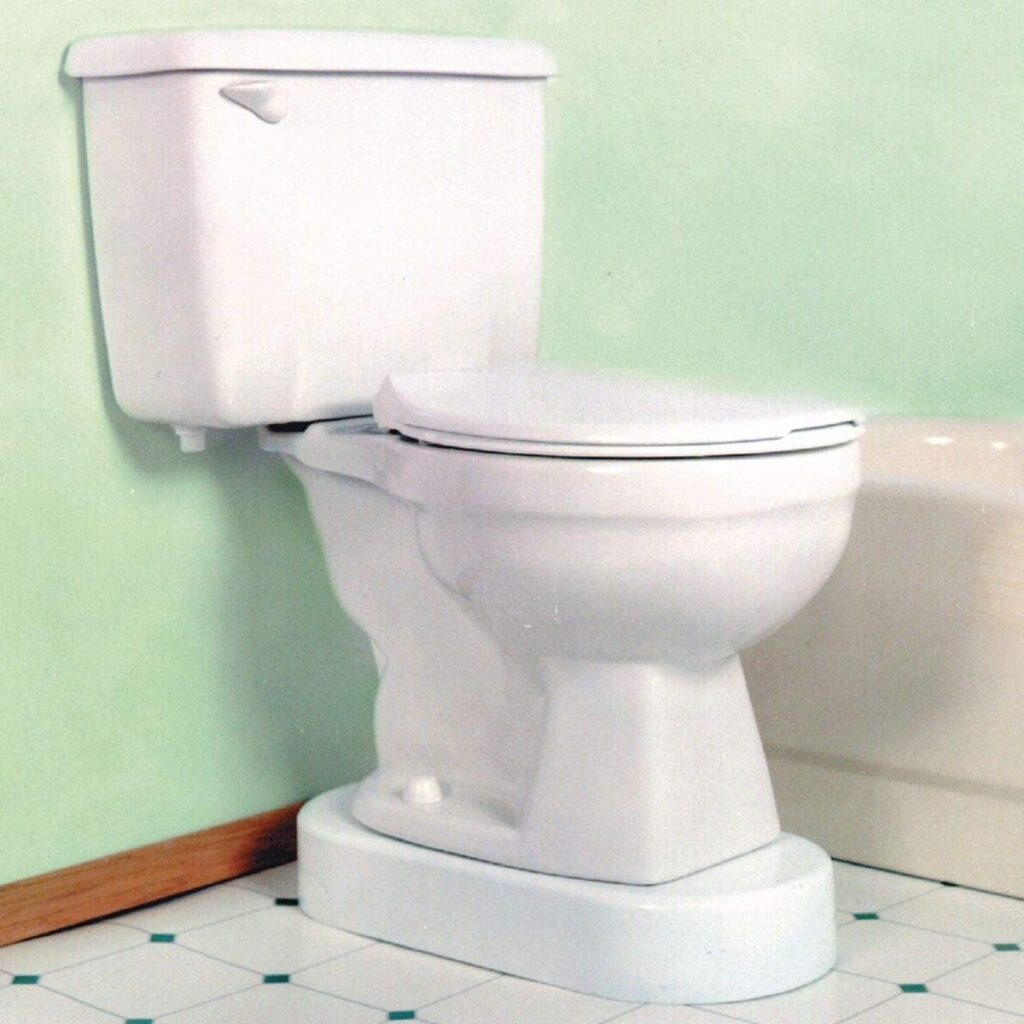
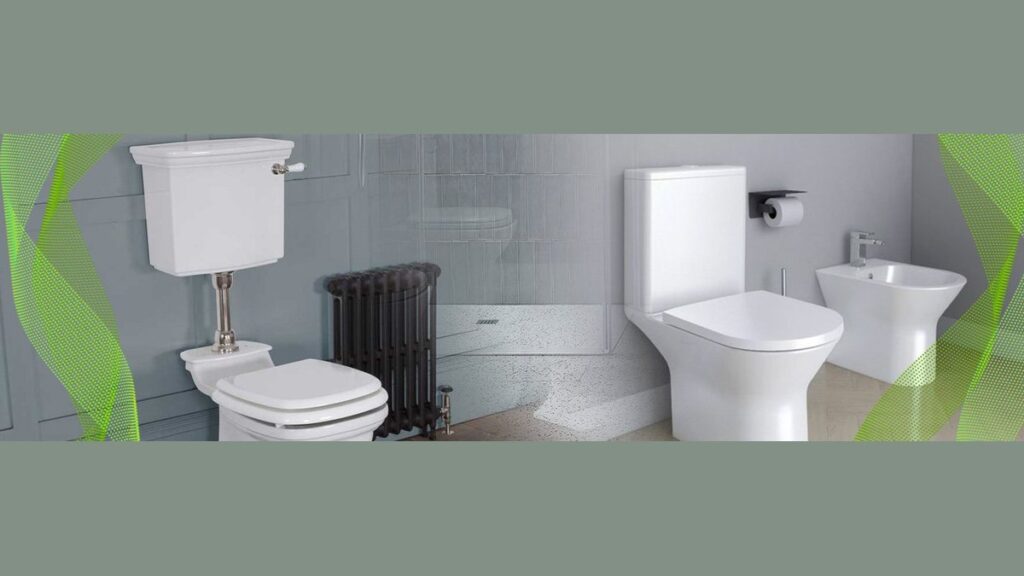
Traditional toilet fixtures offer several advantages, including zero electric power needs, simple gravity mechanics, and widely available, inexpensive replacement parts.
Gravity-fed flushing systems rely on basic water weight rather than electric pumps or pressure vessels. If you choose a standard gravity setup, repairs stay cheap and simple; if you choose a smart wall-hung model, you gain floor space but face complex hidden plumbing.
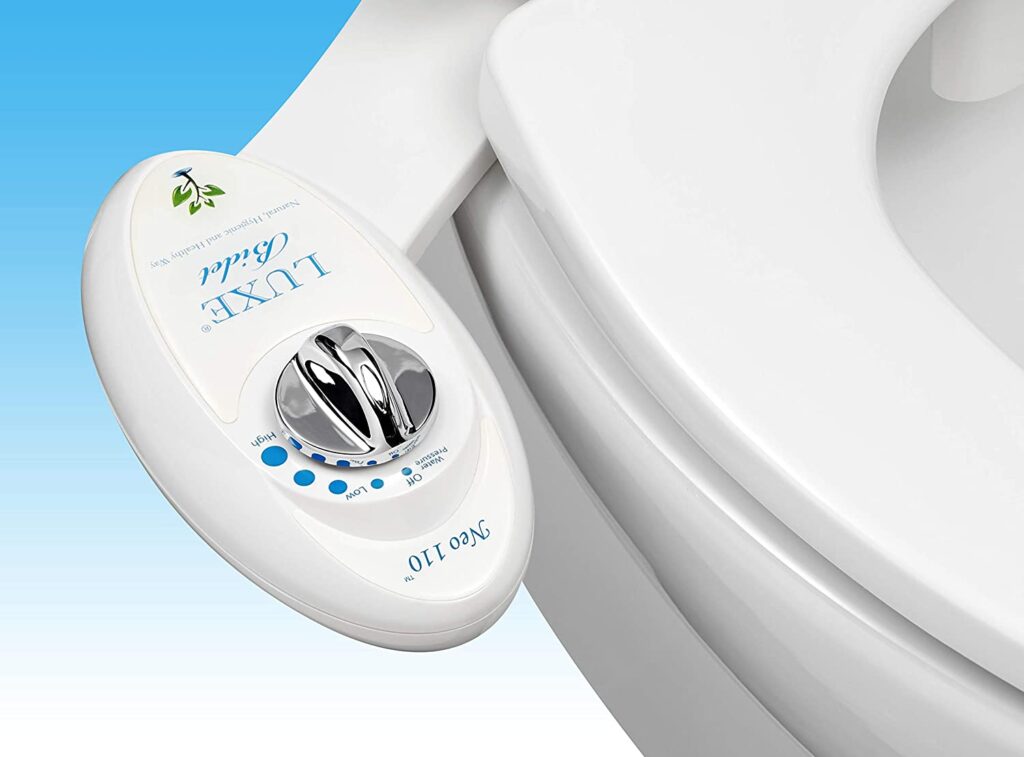
This setup isn’t for homeowners who want built-in bidet sprays, heated seating, or ultra-compact footprints for tiny bathrooms. A classic design trade-off means accepting a larger water tank behind the bowl in exchange for mechanical parts you can fix yourself.
Table of Contents
Key advantages of a traditional toilet

- Measure the rough-in distance from your finished wall to the center of the floor drain bolts, which is normally 12 inches.
- Select a unit certified under the EPA WaterSense program that uses no more than 1.28 gallons per flush to save water.
- Check your bathroom doorway and clearance space to decide between a compact round front bowl or a longer 30-inch elongated bowl. Tip: If space between the front rim and the opposite wall is under 21 inches, pick a round bowl to meet standard building code.
- Position the new wax ring squarely over the floor flange before setting the porcelain base straight down without twisting.
- Tighten the floor closet bolts evenly using a hand wrench until snug, applying moderate force to avoid cracking the porcelain base. Tip: Never use power drivers on toilet hardware, because a single over-tightened turn will split the ceramic instantly.
- Connect the flexible water supply line to the fill valve shank by hand, then add a quarter turn with pliers.
How long it takes
Installation and repair times depend on your bathroom’s existing plumbing condition.
| Situation | How long | What changes it | What to watch for |
|---|---|---|---|
| Replacing flapper valve | 5–10 minutes | Internal tank chain rust | Matching correct flapper diameter |
| Swapping fill valve | 20–30 minutes | Stuck shut-off supply valve | Water dripping down supply shank |
| Full toilet swap | 1–2 hours | Condition of closet flange | Rocking on uneven tile floor |
| Rusted bolt removal | 45–60 minutes | Severe corrosion on nuts | Cutting bolts without scratching porcelain |
When replacement takes longer than two hours due to a broken floor flange, stop work and contact a licensed plumber.
How to tell when it’s done

A proper installation shows no water pooling around the floor base after three consecutive test flushes. The tank fills quietly and stops water flow automatically once it reaches the stamped fill line inside the ceramic wall. This varies by model — check the label inside your specific tank lid for exact water levels. For the final check, place a drop of food dye into the upper tank; wait 15 minutes without flushing, and if color enters the bowl, your flapper seal requires adjustment.
Mistakes that ruin it
- Over-tightening tank-to-bowl bolts. Cracked porcelain destroys the fixture immediately and forces a complete replacement. Turn the nuts by hand until firm, then compress the rubber gasket using only one additional turn with an open wrench.
- Reusing an old wax ring. Compressed wax can’t re-seal against a new bowl base and causes hidden subfloor rot over time. Always scrape the old flange clean with a putty knife and fit a fresh wax gasket for every installation.
- Using chemical drop-in tank tablets. Bleach pucks corrode internal rubber flappers and silicone seals within months. Clean the bowl with liquid soap instead to keep rubber components flexible.
Frequently asked questions

Do standard toilets work during power outages?
Yes. Gravity units need zero electricity to operate because water stored in the tank falls naturally through the bowl. As long as your municipal water supply runs, or you have a bucket of water to pour inside the tank, the unit flushes normally.
Can old toilet models fit modern bathroom plumbing?
Yes, most residential homes use a standard 12-inch rough-in distance from the wall to the floor drain. Older homes occasionally feature 10-inch or 14-inch rough-ins, so you must measure your bolt line before buying a replacement fixture.
Why does the fill valve keep running?
The rubber flapper valve inside the tank is usually worn out, misaligned, or blocked by mineral buildup. When water leaks past the seal into the bowl, the float drops and forces the fill valve to run constantly to replenish the tank.
Is a two-piece toilet harder to clean?
Yes. The seam where the upper tank bolts onto the lower bowl collects dust and moisture over time. One-piece models eliminate this gap, but two-piece traditional designs cost less and let you replace individual broken parts separately.
What causes a toilet base to rock?
An uneven tile floor or an improperly set closet flange leaves space under the porcelain rim. Don’t over-tighten the floor bolts to fix this, or the base will crack. Slide plastic toilet shims underneath the gaps instead, then apply silicone caulk around the perimeter.
Final Thoughts
Choosing these reliable fixtures keeps your home running smoothly without the worry of complex repairs. They’re a smart, low-maintenance investment for any bathroom. If you’re planning a renovation soon, talk to a local plumber about finding a high-quality model that’ll serve your household well for many years to come.