
Why does my toilet not fill up all the way? A misplaced float arm is often the culprit. When the float sits too low, it shuts off incoming water before the tank reaches its normal line. You can confirm this in under a minute by taking off the tank lid and checking where the water stops against the stamped fill line inside the ceramic wall.
Table of Contents
Common reasons your toilet fails to fill
| Cause | How common | How to confirm it | Fix it yourself? |
|---|---|---|---|
| Low float setting | Most of the time | Water rests below tank mark | Yes |
| Leaking flapper seal | Common | Dye in tank leaks into bowl | Yes |
| Misaligned fill tube | Common | Water sprays away from pipe | Yes |
| Blocked fill valve | Occasional | Valve hisses with low flow | Yes with care |
| Tangled flapper chain | Occasional | Chain holds flapper slightly open | Yes |
| Partially closed supply shutoff | Rare | Valve handle feels stiffly turned | Yes |
| Cracked overflow pipe | Very rare | Water line matches crack height | No |
Low float setting inside the tank
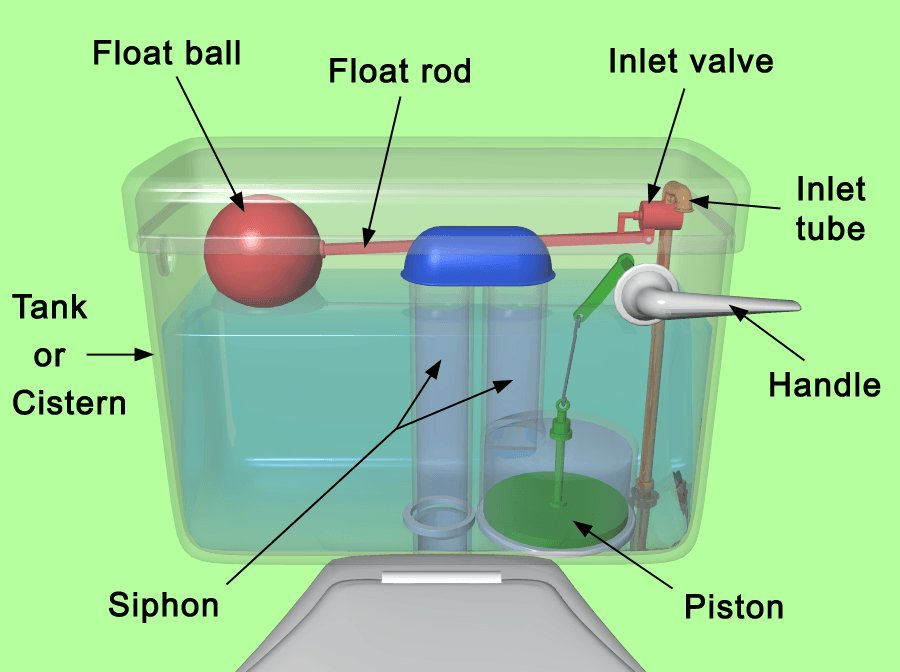
A low float shuts the water intake off before the tank holds enough volume for a full flush. Modern toilets use a floating plastic cylinder on a vertical tower, while older styles use a hollow ball at the end of a brass arm. As water enters, the float rises until its lever pushes a small diaphragm shut. If the resting height of that float sits too low, the valve closes while the tank is half empty.
To check this, lift your tank lid and find the water line etched or stamped into the ceramic. The standing water should rest roughly 1 to 2 inches below the top rim of the vertical overflow tube. If the water stops well below that point, the float setting is your culprit.
To fix it, locate the plastic screw attached to the float arm. Turning this adjustment screw clockwise raises the float level on standard vertical assemblies. Turn it 1 full turn, flush the toilet, and watch where the water stops. Repeat until the water matches the stamped line. This adjustment takes less than 5 minutes and costs nothing in parts.
Leaking or worn flapper seal
A worn flapper lets water drain into the bowl just as fast as the valve fills the tank. You can tell this apart from an adjustment issue because a leaking flapper makes the fill valve turn back on intermittently, whereas an incorrect float stays silent after stopping. Over time, chemicals and municipal water additives warp the soft rubber seal, leaving gaps along the bottom flush valve opening.
According to the EPA WaterSense program, worn toilet flappers are among the most common sources of hidden household leaks that waste thousands of gallons annually. If you ignore this issue, a bad seal can easily add substantial expense to your quarterly utility bill without any obvious puddle on the floor.
To test it, drop 4 to 5 drops of dark food coloring into the tank when the water is quiet. Don’t flush. If colored water seeps into your toilet bowl within 15 minutes, your flapper seal has failed. Replacing the flapper takes about 10 minutes and uses an inexpensive part from any local hardware store.
Disconnected or misaligned refill tube
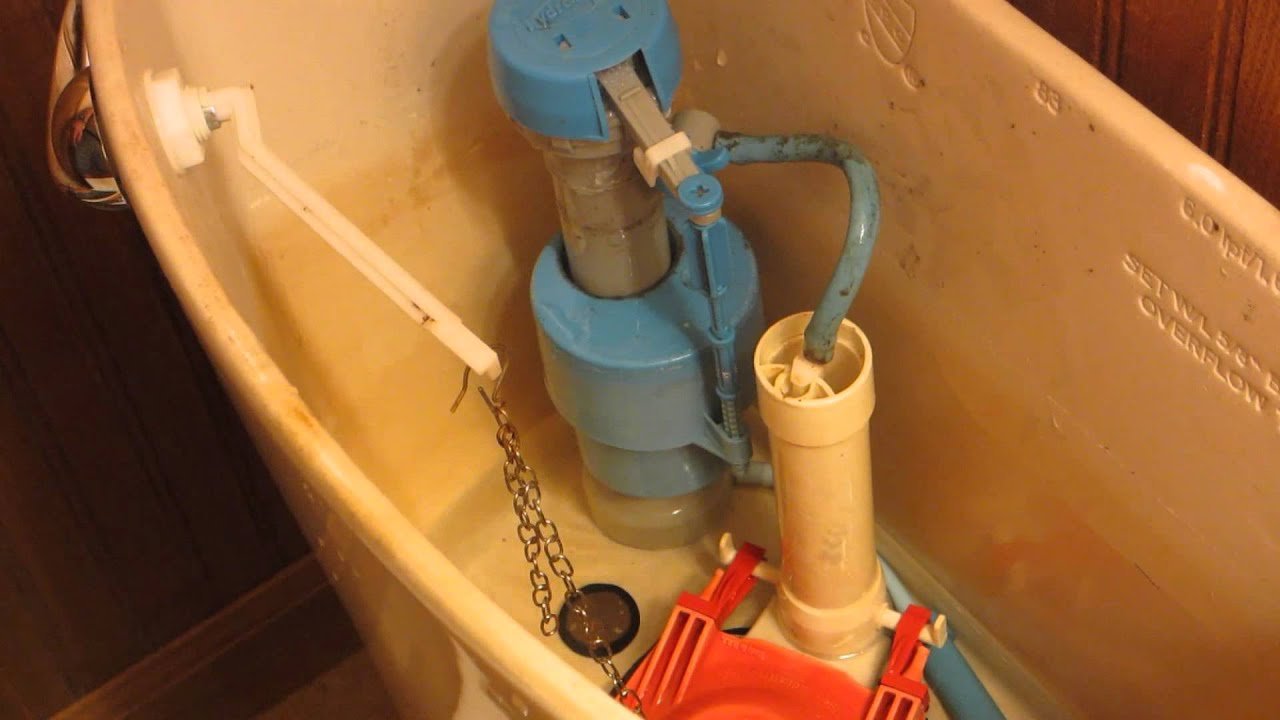
A loose refill tube prevents the toilet bowl from reaching its normal water line even when the upper tank appears full. This small, flexible vinyl hose runs from the fill valve into the open top of the overflow pipe. If this tube slips free, it sprays clean water directly into the tank instead of routing it down into the bowl trapway during the fill cycle.
Look inside the tank while the water runs to confirm the tube’s position. The tube must clip firmly to the top rim of the overflow pipe, directing water straight down into the opening. If you notice it dangling inside the main tank, the bowl will stay noticeably low.
Clip the tube back onto the overflow pipe holder. Make sure the tip stays above the overflow pipe’s water level so it doesn’t siphon water backward. This repair requires no tools and takes under 2 minutes.
The less likely causes
- A corroded fill valve diaphragm restricts incoming water flow, which shows up as a high-pitched whistling noise during the entire refill cycle.
- An overtightened or tangled lift chain holds the rubber flapper slightly off its seat, letting water run continuously without building tank depth.
- The wall shutoff valve under the toilet is partially turned off, which reduces incoming flow to a tiny trickle.
- A cracked overflow tube lets water drain straight down into the waste pipe, showing a water line that always stops precisely at the crack.
- If your plumbing vent pipe on the roof is clogged with debris, sewer suction can pull water out of the trapway; clear this with a licensed plumber because climbing onto steep roofs brings real fall hazards.
What a fix usually involves
Fixing a low water level rarely demands heavy labor or complex tools. Most adjustments to the float arm require only your hands or a standard Phillips screwdriver. If you must swap out a cracked flapper or a worn fill valve assembly, you’ll need a simple adjustable wrench, a bucket to catch drips, and about 20 to 30 minutes of working time.
Replacement flappers and universal fill valves cost very little compared to a service visit. However, if your shutoff valve under the tank leaks from its stem when turned, don’t force it. You’ll need a licensed plumber to replace the home’s water supply stop, which will cost far more due to professional labor rates.
Frequently asked questions
Can a toilet work with low water in the tank?
Yes, but it won’t clear waste properly. A tank without enough water lacks the gravitational force needed to complete a clean flush cycle. You’ll often have to flush twice, which defeats the purpose of saving water.
Why does my toilet tank fill slowly?
A partially closed shutoff valve or mineral sediment inside the fill valve usually causes slow fills. Check that the wall valve turns fully counterclockwise. If the valve is open, calcium buildup inside the intake might restrict normal water volume.
How long should a toilet tank take to fill up completely?
About 1 to 2 minutes under standard household water pressure. If your tank runs longer than 3 minutes, your fill valve is clogged, the water pressure is low, or water is escaping past a faulty flapper at the base.
What happens if the water level is set too high?
Water will spill continuously into the overflow pipe and run down the drain. This wastes hundreds of gallons each week and keeps your valve running without pause. Always keep the water level 1 inch below the pipe rim.
Is it safe to adjust the toilet float myself?
Yes, adjusting the float is completely safe for anyone to handle. The water inside your toilet tank is clean tap water straight from your supply pipes. Just shut the wall valve first if you plan to disconnect any components.
Does a low toilet bowl water level mean the tank is broken?
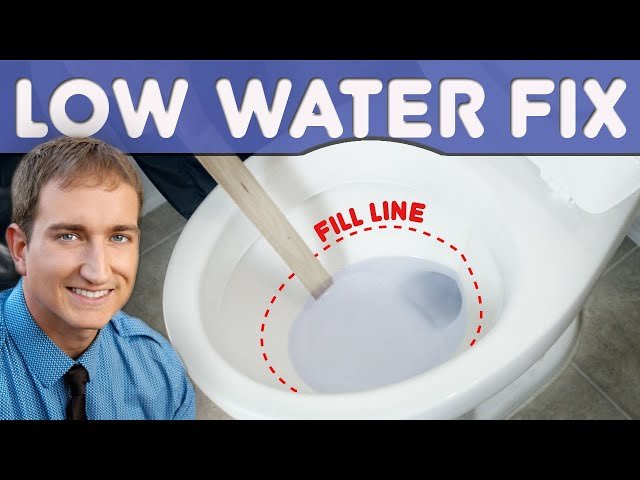
No, a low bowl usually points to a slipped refill tube rather than a broken tank. If that small flexible hose squirts outside the overflow pipe, your tank fills normally while the bowl stays half empty. Clip it back into place.
Final Thoughts
If you’ve adjusted the float and the tank still isn’t filling properly, there might be a hidden leak or a worn-out fill valve that needs replacing. Don’t worry if it’s still acting up; it’s usually a simple fix. If you’re unsure about the repair, it’s best to call a local plumber for help.