Cleaning toilet seat hinges takes 20 to 30 minutes, costs less than five dollars in basic household supplies, and ranks as an easy task that needs care around delicate finishes. You can lift built-up grime, urine crystals, and hard water scale without scratching the plastic or stripping the metal plating. The one thing you must have before starting is an old soft-bristled toothbrush to reach the narrow gaps under the hinge caps.
Table of Contents
Supplies for cleaning toilet seat hinges

| Item | How much | Why it’s needed | A substitute |
|---|---|---|---|
| Mild dish soap | 1 tablespoon | Cuts surface grease safely | Gentle liquid hand soap |
| Warm water | 2 cups | Dilutes soap and rinses | Tap water at room temp |
| White vinegar | 0.5 cup | Dissolves mineral scale | none — don’t swap this |
| Baking soda | 2 tablespoons | Lifts stubborn grime | none — don’t swap this |
| Soft toothbrush | 1 standard brush | Reaches tight crevices | Detail cleaning brush |
| Microfiber cloths | 2 dry towels | Wipes and dries surfaces | Soft cotton rag |
| Flat screwdriver | 1 tool | Pops stubborn hinge caps | Butter knife with tape |
Before you start
- Clear the floor around the toilet base so you have room to kneel comfortably.
- Shut the toilet lid completely to keep dropped tools or screws from falling into the water.
- Check whether your seat uses quick-release buttons; if it does, press them to remove the seat, but if it uses fixed bolts, leave the seat mounted to avoid stripped threads.
- Put on rubber cleaning gloves to protect your hands from dried residues and strong vinegar.
- When bolt heads underneath the bowl are rusted solid, don’t force them with heavy pliers; contact a licensed plumber or a handyman to cut them off safely.
Step by step
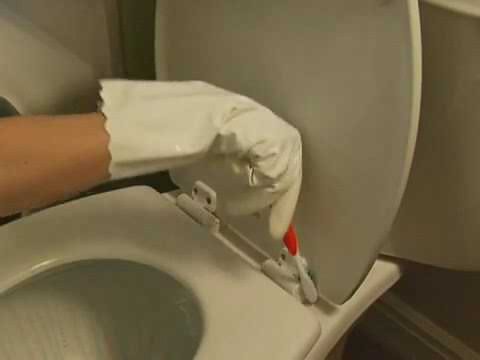
- Pry open the plastic hinge caps using your fingernail or the flat edge of a taped screwdriver. The caps will click upward and expose the metal screws underneath.
- Mix one tablespoon of mild dish soap into two cups of warm water inside a small bowl. The soapy mix should show light foam across the surface before you use it.
- Dip the toothbrush into the soapy water and scrub around the hinge posts for two minutes. Loose surface dirt and dust will wash away onto the porcelain ledge.
- Mix two tablespoons of baking soda with one tablespoon of warm water to create a spreadable paste. The mixture should feel thick like toothpaste rather than runny liquid.
- Coat the hinge base and metal brackets with the paste using the toothbrush tip. Let the paste sit for ten minutes so it softens stubborn, dried grime.
- Pour half a cup of plain white vinegar directly onto the paste-covered hinges. The mixture will fizz as the vinegar reacts with the baking soda; the vinegar then works to dissolve mineral deposits and hard water scale.
- Scrub the hinge mechanism, seams, and screw heads firmly with the toothbrush for three minutes. You’ll see yellow staining and crust lift away from the plastic edges.
- Wipe the hinges and surrounding porcelain clean using a microfiber cloth dampened with warm water. Check that no gritty baking soda paste remains in the joints.
- Dry the entire hinge assembly thoroughly using your second dry microfiber towel for two minutes. Moisture left behind causes rust on metal screws, which ruins the mounting hardware.
- Snap the plastic hinge caps back down firmly until you hear them click into place. The covers should sit completely flat against the toilet seat base.
How to know it worked

You’ll know the process worked when the hinge caps sit flat with no brown or yellow crusting visible around their edges. Run a clean, dry paper towel along the hinge seam; it should come away completely white without grease or dark streaks. The seat should raise and lower smoothly without squeaking or sticking against dried debris. If you still see a chalky white ring or dark yellow residue around the screw heads, the scale didn’t fully dissolve. That means you need a second five-minute application of vinegar and gentle scrubbing to clear the remaining buildup. Remember that this varies by model — check the label on your seat for specific finish warnings before repeating acidic treatments.
If something goes wrong
| What happened | Why | What to do |
|---|---|---|
| Plastic hinge discolored | Acid sat too long | Wash with soap and water |
| Screws started rusting | Water sat inside caps | Dry with towel and oil |
| Cap won’t snap down | Dirt trapped in track | Clean groove with damp brush |
| Hinge feels loose | Screws shifted during scrub | Tighten screws using hand driver |
| Chrome coating peeled | Wire brush was used | Replace damaged hinge hardware |
How often to do this
Clean the hinges thoroughly as part of your usual clean for a standard home bathroom. Hard water leaves mineral deposits faster, while frequent splashes create acidic buildup that damages hardware. Using vinegar regularly creates a simple trade-off: it strips minerals fast, but it can dull glossy finishes if used daily.
Frequently asked questions

Can I use bleach on metal toilet seat hinges?
No. Bleach corrodes metal parts quickly and ruins chrome plating, leaving rough brown rust spots. It also weakens the structural plastic over time. Use warm water mixed with mild dish soap or diluted white vinegar instead to sanitize and remove dirt safely without stripping protective factory finishes.
Why do toilet seat hinges smell like urine?
Urine creeps under the hinge caps through capillary action and dries into stubborn uric acid crystals. Regular surface wiping misses these closed crevices.
How do you clean hinges without removing the seat?
Pop open the hinge covers with a flat tool, apply baking soda paste, and scrub with a narrow toothbrush. Work the bristles directly into the hinge gaps where dirt gathers. Wipe the area clean using a wet microfiber cloth, then dry the assembly thoroughly with a clean towel.
Is it safe to use WD-40 on toilet hinges?
Yes, but only on metal bolts to loosen rust or stop squeaks, never on plastic parts. Spray a tiny drop onto a cloth first rather than directly onto the toilet. Wipe away excess oil completely so it won’t attract fresh dust, collect hair, or degrade soft rubber washers.
What happens if you use a pumice stone on hinges?
A pumice stone will permanently scratch chrome, nickel, and plastic hinges. The stone is harder than plastic and metal coatings, so it strips off the shiny protective layer instantly. A common mistake people make is using abrasive stones on hinges, which ruins the finish and costs a significant amount for a replacement seat.
Does vinegar damage plastic toilet seat hinges?
No, plain white vinegar won’t damage standard plastic hinges when you rinse it off after cleaning. It safely breaks down urine salts and limescale. However, don’t soak plastic hinges in vinegar for several hours, as prolonged exposure can dry out certain flexible plastic blends and make them brittle.
Final Thoughts
Once you’ve finished, give the area a quick wipe with a dry cloth to prevent any streaks. Keeping these spots moisture-free helps stop future buildup from settling into the crevices. If you check them during your weekly bathroom scrub, you won’t have to deal with stubborn grime ever again.
Related guides